

Popular


Analysts from the Sahaidachnyi Security Center presented a study titled “Undeclared War: How Russia Attacks Europe.”
“Russia’s main superpower is not what Europeans think—the possession of nuclear weapons—but the fact that they can destroy a million of their own citizens, and this is normal for them, whereas no European country would go along with such a thing.”
The presentation took place on April 2 at the Ukraine Crisis Media Center, and a representative from Militarnyi was also present.
As Lesia Ohryzko, director of the Sahaidachnyi Security Center, explained, the study is practical in nature and is intended to serve as a tool for partners to reflect on the situation.
“Europe reassures itself with the hope of a collective NATO response to potential aggression. Instead, we urge partner countries to focus in a timely manner on protecting their own infrastructure and developing modern algorithmic military capabilities based on robotic and autonomous combat systems. Russia has already acquired these capabilities, and Ukraine is the only country in the Western world that can ensure the EU’s readiness to repel aggression or reduce its likelihood. To achieve this, a serious study of our experience is no longer sufficient: full-fledged cooperation on joint capability development and Ukraine’s integration into the European security space are needed,” she emphasized.
The study combines two key themes: the first is the sub-threshold creeping aggression that Russia has been waging for a long time against European countries, primarily NATO member states; the second is the potential and possibility of full-scale Russian aggression against European countries.
Analysts note that at this stage, Russia’s actions already differ significantly from classic sub-threshold operations, which were previously carried out mainly in the informational, psychological, and political spheres, as well as through isolated special operations in European countries aimed at improving its own position.
Starting in mid-2023, the nature of these actions has changed. They have become more systematic and exhibit signs of operationally shaping the environment for a future conflict. As of 2025, Russia is systematically jamming GPS signals in Northern Europe and the Baltic states, establishing sabotage cells, damaging pipelines and power cables, and extensively deploying UAVs for mapping and potential attacks on strategic targets.
A shift in Russia’s rhetoric toward European countries, particularly NATO member states, is noted separately. Analysts identify the transformation of this rhetoric within Russia itself as the most dangerous trend.
Analysts emphasize that Russia could impose a format of war on European countries that would be bloody, protracted, and politically extremely inconvenient for European societies and political elites. Among the tools of such pressure, they cite the use of long-range strikes and large-scale cyberattacks.
Researchers emphasize that the threat from Russia stems not so much from the sheer volume of resources as from a meticulously calculated and perfectly mastered methodology.
Since 2013, in Russian military theory, the concept of ‘hybrid war’ has not been a separate category of conflict, but an integral, indivisible component of the entire spectrum of total war.
It is crucial to understand that the Russian General Staff does not view hybrid operations merely as a diplomatic or political tool; on the contrary, the use of these tactics signifies that the target has already been identified as a military adversary and that a state of war effectively already exists.
As General Valerii Herasimov explicitly stated, in Russian doctrine, in a modern armed conflict—as “undeclared and one that does not fit any established pattern”— — the Russian operational concept initially envisages the broad application of non-kinetic lines of effort—political, economic, and information warfare relying on internal destabilization potential—supplemented by covert military actions and special operations forces.

Crucially, these sub-threshold activities serve as shaping operations that precede the kinetic phase. The overt use of conventional forces typically occurs at a decisive stage of the conflict continuum, often under the pretext of ‘peacekeeping’ or ‘crisis management,’ to achieve final objectives.
This sequential methodology is not theoretical; from the moment of its emergence and comprehensive conceptualization in 2013, it received operational validation almost immediately in Georgia (2008) and Ukraine (2014, 2022), where hybrid shaping operations created the conditions for conventional maneuver.
At the same time, after conventional forces cross the border, these hybrid instruments are not discarded; they maintain operational continuity and evolve, supporting kinetic efforts. Even during high-intensity conventional combat operations, they remain active—striking deep into the enemy’s rear to disrupt logistics, undermining internal political unity, and aggressively manipulating international perceptions.
Thus, in Russian operational art, the hybrid and the conventional are inextricably intertwined, forming a holistic, seamless ‘full-spectrum’ lethality that persists from the first subversive act until the ultimate strategic objective is achieved.
As researchers emphasize, although the global hybrid campaign against the Western coalition is a secondary line of effort in the current war against Ukraine, the specific intensification and qualitative shift in hybrid measures focused on the Baltic region bear clear signs of operational environment preparation (OPE) on Russia’s part.
This likely means that activities on the very threshold of open conflict are not merely pressure, but a deliberate preparatory phase for regional conventional aggression, which replicates the established Russian pattern of invasion.
Moreover, from the perspective of Russian military science, the widespread European discourse on ‘hybrid war’ suffers from a lack of doctrinal precision. Western analysts often equate this term with the entire spectrum of subversive activities; however, Russian military thought, particularly the framework formalized by military academics, introduces a strict taxonomy of escalation.
Within this hierarchy, ‘hybrid war’ is already a specific, advanced level of hostile actions (Stage 4), distinct from lower levels of intervention. Information operations, economic coercion, propaganda, and internal political subversion alone do not constitute hybrid war within this doctrine.
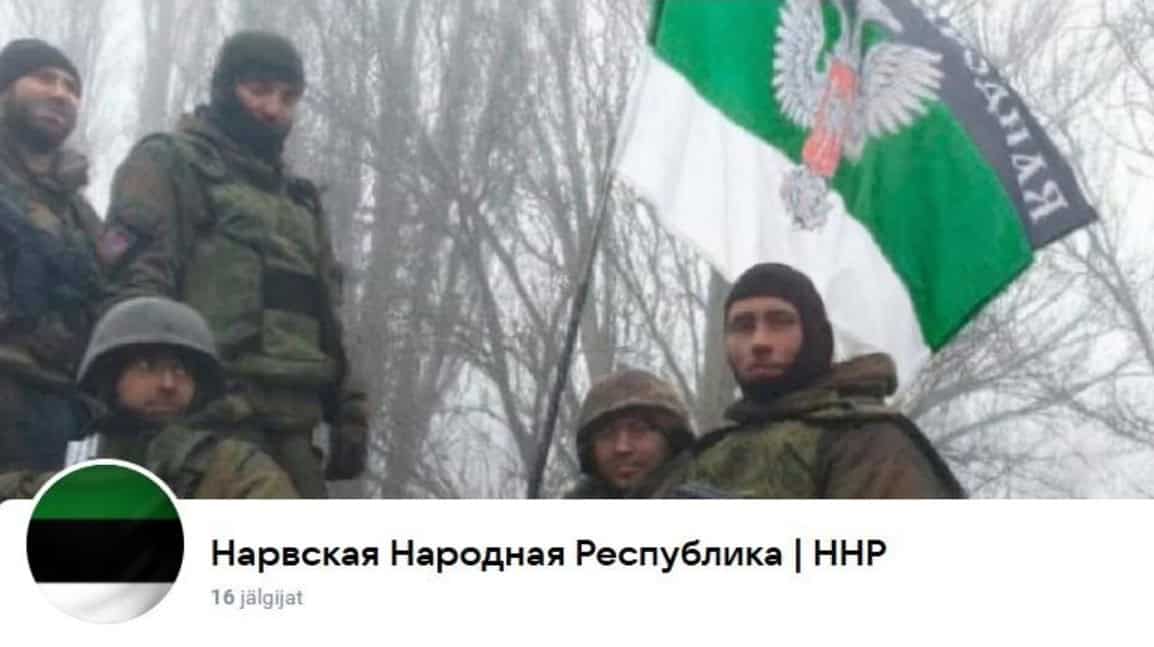
Instead, the defining feature of the hybrid phase is the limited use of conventional military force—primarily Special Operations Forces and private military companies—synchronized with broad-spectrum non-military pressure.
Thus, recent incidents in Europe involving direct acts of sabotage against critical infrastructure, airspace violations by combat aircraft, the proliferation of unidentified UAVs, and the infiltration of additional sabotage elements may indicate that the threshold has already been crossed. Previous political interference was merely a prelude.
At the same time, Russia speaks quite openly about this shift. In particular, it has been enshrined in the updated 2023 Foreign Policy Concept of the Russian Federation, which asserts that the ‘collective West’ has unleashed a “new type of hybrid war” against Russia. First, this is a formal acknowledgment that Moscow considers itself to be at war with NATO and the EU; second, adhering to the Soviet tradition of ‘mirroring,’ it reveals its own operational algorithm by projecting its actions onto the enemy.
Under Gerasimov’s aforementioned ‘new generation warfare’ doctrine, active conventional combat operations by regular forces are to take place only after a prolonged phase of covert aggression, which will successfully weaken the target state’s command-and-control system and defense capabilities. General Gerasimov assessed this approach by positing a 4:1 ratio of non-military to military measures in modern conflict.
Over the course of four years of full-scale war against Ukraine, the Kremlin’s gray-zone hostile activities against Europe have evolved into a comprehensive operation designed to undermine the unity and sovereignty of EU and NATO countries through a synchronized combination of kinetic and non-kinetic vectors: cyberwarfare, information and psychological operations, economic coercion, political subversion, direct actions by intelligence networks, and sabotage.
Throughout the war, Russia has radically intensified the nature of its sub-threshold activities, bringing them closer to hybrid aggression. But these operations have undergone not only a quantitative but also a qualitative shift, indicating a threatening strategic intent.
From 2022 through approximately mid-2023, Russian efforts were focused on the cyber, cognitive, and political domains. Operations included cyberattacks under false pretenses, the activation of espionage networks, the funding of pro-Russian political structures, the weaponization of energy supplies—gas blackmail in 2022—as well as sophisticated information campaigns such as Doppelgänger. All of this fits into the logic of cutting off aid to Ukraine.
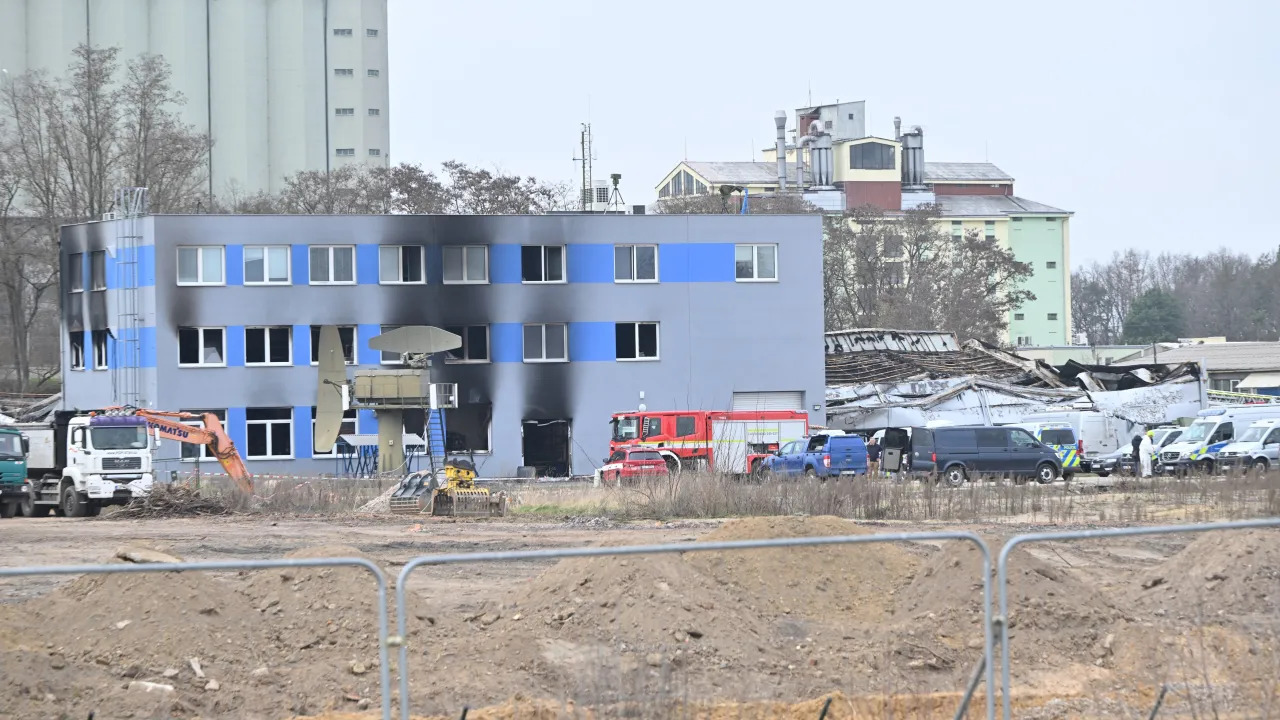
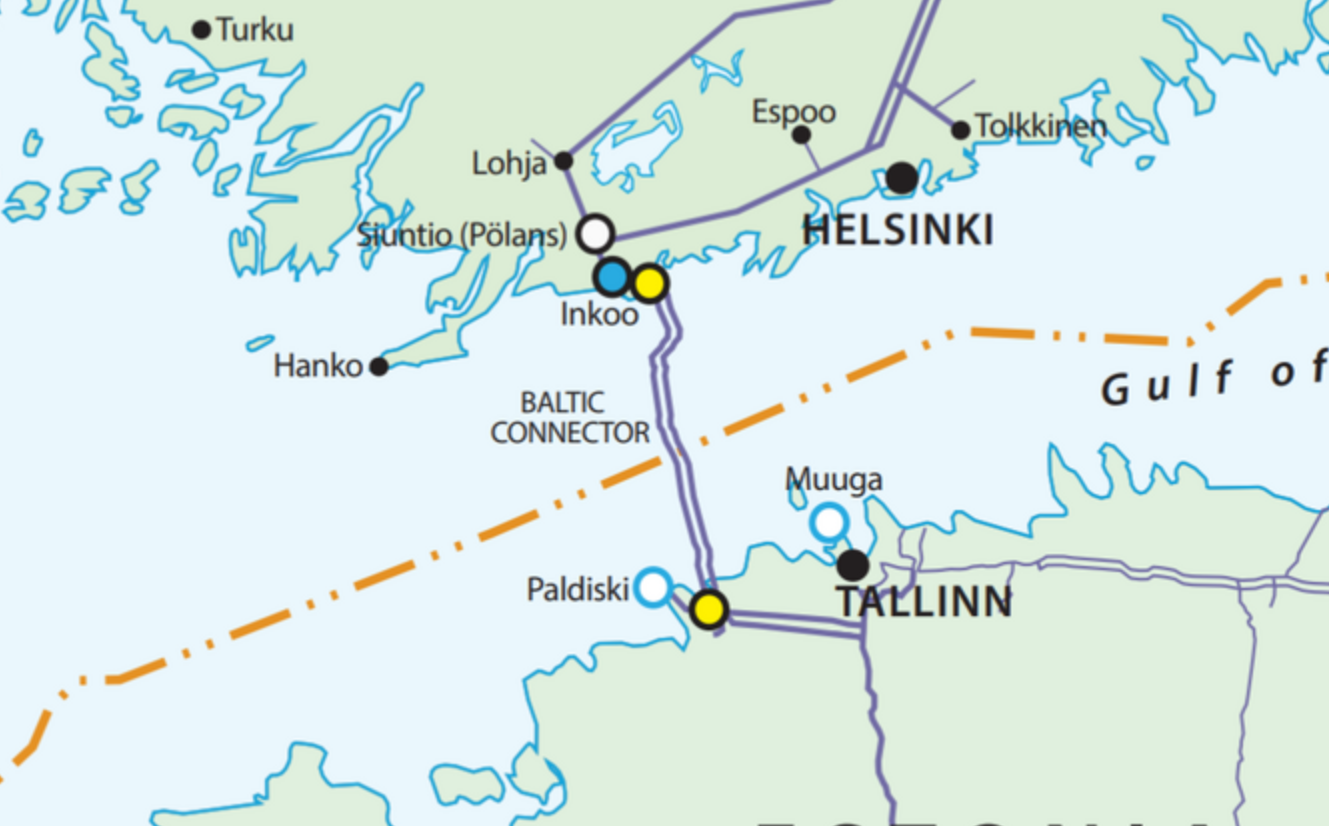
However, by the end of 2023, a second, parallel track emerged, resembling state-sponsored terrorism and direct preparation for the armed phase of the conflict. Its early manifestations included attacks on dual-use critical infrastructure in the Baltic and Northern regions, including arson in border areas, damage to the Balticconnector gas pipeline in October 2023, and the severing of the Estlink-2 power cable by a Russian shadow fleet tanker in December 2024. Both incidents demonstrated the capability and willingness to strike strategic underwater targets under the guise of maritime accidents.
In 2025, Europe witnessed a surge in airspace violations — ranging from a drone swarm attack on Poland in September 2025 and a coordinated intrusion by MiG-31 interceptors into Estonian airspace to the now virtually ‘routine’ appearance of unidentified unmanned aerial systems over oil platforms and strategic facilities in European countries. Importantly, intelligence indicates that many of these UAVs are launched from Russia’s shadow fleet and civilian vessels—essentially reconnaissance trawlers—operating near European coasts, which complicates early warning.
In the event of an open conflict, this intelligence would enable the immediate delivery of precision strikes to first neutralize NATO’s command and control assets and deep strike capabilities—just as they attempted to do against Ukraine in 2022.

As researchers note, the use of drones can be considered a turning point in Russia’s sub-threshold activities against Europe. As a versatile hybrid tool, unmanned systems have become an ideal means for this phase, both due to the technical capabilities they provide and because of the attribution problem. An unmarked drone circling over the capital or a nuclear power plant causes panic and paralyzes operations without creating a formal casus belli for triggering Article 5.
Alongside a frequent misunderstanding of the place of gray-zone hostile activity and hybrid warfare within broader Russian military doctrine, the West is also confused regarding Russia’s primary strategic objective.
As in the case of Russian aggression against Ukraine, the goal is not the rapid capture of specific cities, such as Chasiv Yar or Pokrovsk, nor even of four regions of Ukraine; it is to inflict a political and psychological defeat on NATO at the lowest possible cost.
A decisive victory over Ukraine could be just such a low-cost venture, but as of 2026, this appears practically impossible. The strategic goal remains unchanged, but with more limited resources, Moscow will now actively seek a new point of maximum leverage—the weakest spot in the Alliance, where a limited strike could cause a disproportionate political rift.
The Baltic states are the most vulnerable vector for Russian military aggression, as it is in this theater that Russia is most likely to be able to realize its thirst for a ‘quick victory’ with the greatest geopolitical gain and the least effort.
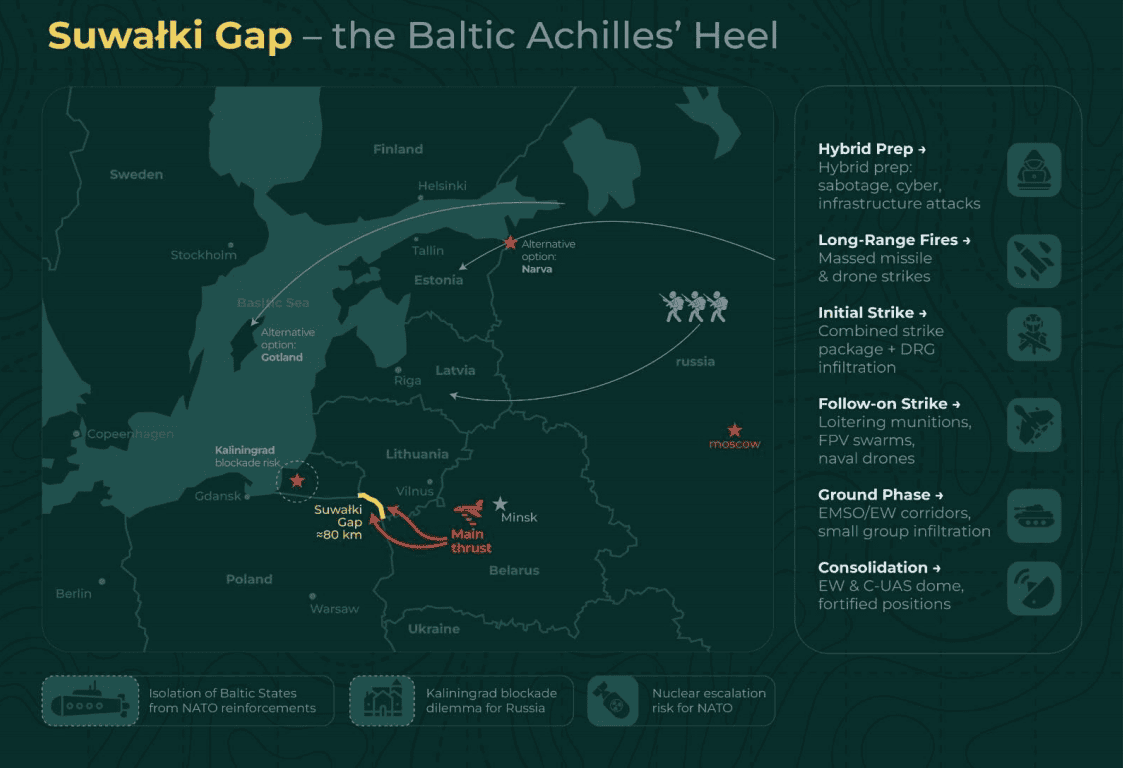
A sudden Russian attempt to seize a limited but strategically important area—most likely the 80-kilometer Suwalki Corridor between Kaliningrad and Belarus—would aim to isolate the Baltic states from land-based reinforcements by NATO allies. This would be a lightning-fast offensive designed to create a fait accompli before NATO can mount a coordinated response.
Although other options for such an operation are possible—for example, Gotland or the Narva region in Estonia—they all have a fundamental flaw: they leave the Kaliningrad exclave’s Achilles’ heel open to a Polish-Lithuanian blockade. Such a blockade would paralyze a significant portion of Russia’s subsequent strategic capabilities, making it easier for the allies to occupy or effectively isolate Kaliningrad. Only the Suwalki option truly eliminates this risk.
In any other scenario of conventional war, the allies, given the political will, could effectively undermine Russia’s strategic position by quickly seizing the Kaliningrad exclave. Then, even if Moscow achieved territorial gains in the Baltics, its ability to issue ultimatums would be limited. However, NATO would have to weigh such a course of action against personnel losses and the heightened risk of nuclear escalation.
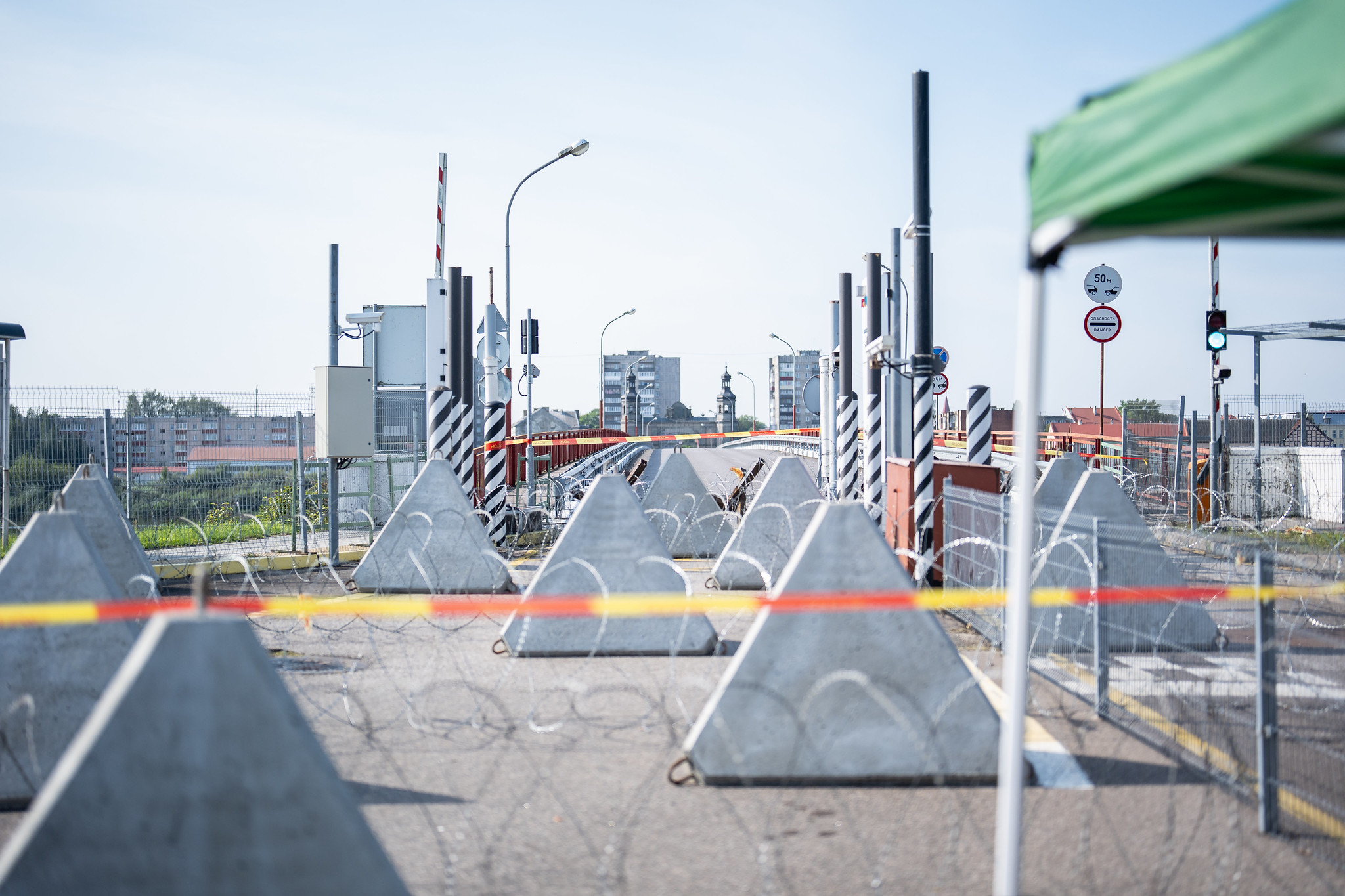
A naval blockade appears more realistic: Poland and Lithuania would cut off the land corridor to the exclave from the Belarusian side, while the NATO fleet would block it from the sea. This would prevent the delivery of reinforcements and could force the Russian garrison to surrender if resources were depleted. This is precisely the weakest point, which Russia undoubtedly takes into account and, likely, is planning its operation to seize the Suwalki Corridor primarily for this reason.
A comprehensive, multi-domain Russian assault on the Baltic states, conducted simultaneously on land, at sea, in the air, cyberspace, and outer space, utilizing the full spectrum of new technologies—intensive, attritional missile and drone strikes, dispersed groups with swarms of drones, massive electronic warfare, fleets of naval drones, and so on.
On land, the offensive would simultaneously cover several operational fronts—as in Ukraine in 2022—advancing on Estonia, Latvia, and Lithuania from Belarus, with a focus on the Suwalki Corridor. This scenario would imply an intention to wage a demonstrative full-scale war between Russia and NATO, in which Russia seeks not to limit itself, but to paralyze the defenses of the entire Baltic region.
Given Russia’s historical penchant for scale rather than precision, the second scenario—a maximalist offensive—requires particularly serious analysis.
This assessment is reinforced by the Kremlin’s stubborn refusal to make concessions not only regarding Ukraine but also in a broader strategic ultimatum demanding that NATO roll back its infrastructure to the 1997 borders. Accordingly, a full-scale invasion that replicates the initial phase of the war against Ukraine and aims for the rapid surrender of Estonia, Latvia, and Lithuania becomes a plausible scenario.
Its strategic logic would rely on a lightning strike to capture all three states within days and present NATO with a fait accompli, immediately backed by nuclear blackmail to paralyze any Alliance counteroffensive.
However, the operational execution of such an invasion is likely to differ from the familiar armored breakthroughs often modeled by Western analysts. Having learned hard-won lessons from the Ukrainian theater of operations, Russian commanders may abandon massive mechanized columns, which are vulnerable to interception.
Instead, a modern offensive would likely begin with hyper-intense, synchronized cyberattacks and waves of deep-strike missile and drone strikes to weaken air defenses. This would be followed not merely by bypassing large defensive formations to capture capitals, but by the infiltration of dispersed, relatively small assault groups across multiple axes. These units will prioritize the rapid establishment and deployment of sensor arrays to create ‘kill zones,’ enabling real-time reconnaissance and the remote destruction of allied forces responding to the threat.
Certain material indicators point to preparations for precisely such a large-scale, high-intensity invasion. Legislative changes allowing for continuous conscription, the ramp-up of defense production, and the formation of new combined-arms units—including new divisions in the northwestern regions—all point to the creation of resources necessary for a protracted, large-scale war.
Although it remains unclear whether these preparations are intended solely to continue the campaign against Ukraine or for a broader escalation, the corresponding capabilities are being systematically built up.
According to analysts, this is a rather unlikely standalone scenario, but one with a high probability of becoming part of a broader campaign.
It involves a targeted amphibious assault on the Swedish island of Gotland or the Estonian archipelago—Saaremaa and Hiiumaa. The operational intent would be to establish dominance over the central coastal zone of the Baltic Sea.
Control over these islands would theoretically give Russia significant operational and strategic leverage, allowing it to deploy Anti-Access/Area Denial (A2/AD) zones consisting of anti-ship missiles, air defense systems, and air and sea drones. This would effectively close the Baltic Sea to NATO naval reinforcements, isolate the Baltic states, and create a platform for diplomatic ultimatums.
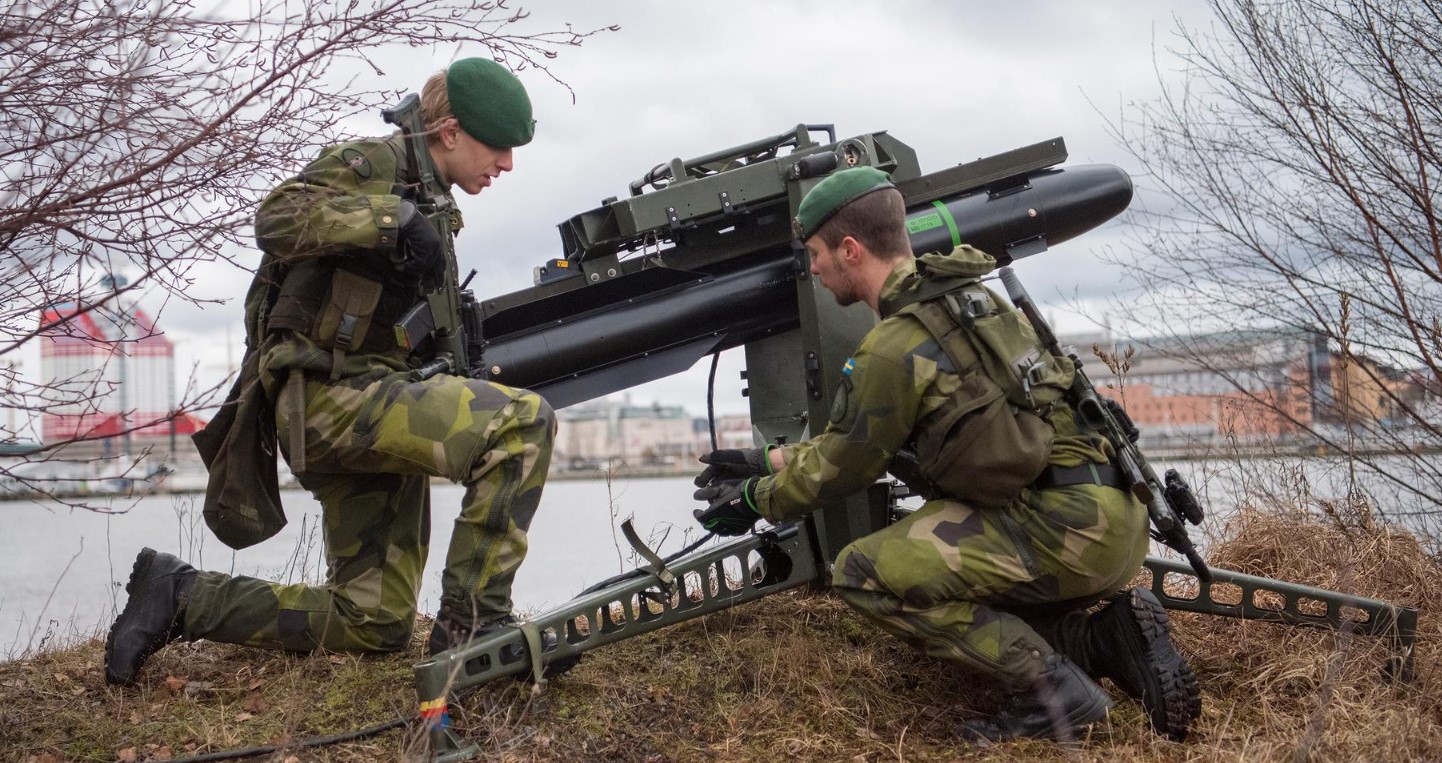
However, despite its strategic appeal, tactical reality makes this vector extremely unattractive as a standalone campaign.
As every coastal and island battle in the Russia-Ukraine war has shown, particularly on Snake Island, the isolation and gradual attrition of an exposed garrison is only a matter of time. Without a reliable, diversified, and backed-up logistical bridge—which Russia cannot guarantee in the disputed waters of the central Baltic—any force deployed on the islands will be vulnerable to blockade and systematic destruction.
Regarding the Arctic theater, particularly targeting the Svalbard archipelago, the likelihood of aggression splits depending on the broader strategic context—just as in the Gotland scenario. As a standalone ‘limited incursion’ scenario, this is one of the least likely; however, in the event of a full-scale regional war focused on the Baltic states, a simultaneous attack on Svalbard becomes almost inevitable, in accordance with the classic strategic logic of a secondary theater.
If we consider an isolated Arctic scenario as a regional assault detached from any broader military efforts, the overall assessment shows that despite Russia’s local operational advantages, military operations in this region as a self-contained Arctic campaign would have serious structural vulnerabilities. Although Russian strategic aviation and the Northern Fleet maintain a quantitative advantage in deep-strike assets and submarine capabilities, the qualitative balance of power is insufficient to ensure a decisive advantage. If the northern nations demonstrate even minimal resolve and coordinated resistance, this campaign will quickly turn into a logistical quagmire.

Even if Russian forces manage to capture the archipelago in the opening hours, maintaining a garrison there will create a defenseless vulnerability. The integration of Norwegian and Finnish F-35 fleets poses a serious tactical air threat, and the P-8 Poseidon squadrons in Norway represent a capability specifically tailored for anti-submarine warfare in this region.
Unlike a continental front, an isolated island outpost cannot be reinforced if sea lines of communication are threatened. Therefore, the occupying force would face the prospect of systematic attrition from long-range precision strikes from the mainland, forcing Russia to constantly ‘re-capture’ the territory or watch as its garrison deteriorates.
Finally, the least likely scenario, bordering on the fantastical, involves a direct ground offensive in Northern Norway or Finland. Theoretically, such an operation would involve the advance of Russian ground forces from Murmansk to Finnmark or from Petrozavodsk toward Joensuu and Rovaniemi in Finland.
The formal strategic logic here would be defensive-offensive: creating a buffer zone to protect critical nuclear submarine strongholds on the Kola Peninsula and ensuring dominance over the Barents Sea.
As analysts emphasize, although open-source intelligence confirms ongoing military buildup near the Finnish border, including the formation of new divisions and an army corps in Karelia, these steps can be interpreted primarily as defensive positioning. This buildup aims to protect Russia’s vulnerable northern flank and rear areas in case its main combat forces are deployed elsewhere, rather than to create the capacity necessary for territorial conquest. The allocated forces are insufficient to capture and hold hostile and extremely difficult terrain against trained, numerous, and potentially motivated defenders.
Analysts emphasize that Russia could impose a format of war on European countries that would be bloody, protracted, and politically extremely inconvenient for European societies and political elites.
The role of the United States also requires critical assessment. Despite President Trump’s statements about defending the Baltics, US intervention—especially following a war with Iran, which has strained relations between the US and European NATO members—is not guaranteed.
At the same time, Russia does not need to immediately occupy any country; the main goal may be to undermine trust and the functioning of the Alliance in the event of a ‘sluggish’ response to an invasion. This would not only bring the Putin regime a significant geopolitical victory but also make European countries extremely vulnerable to new invasions.
Підтримати нас можна через:
Приват: 5169 3351 0164 7408 PayPal - [email protected] Стати нашим патроном за лінком ⬇
Subscribe to our newsletter
or on ours Telegram
Thank you!!
You are subscribed to our newsletter