
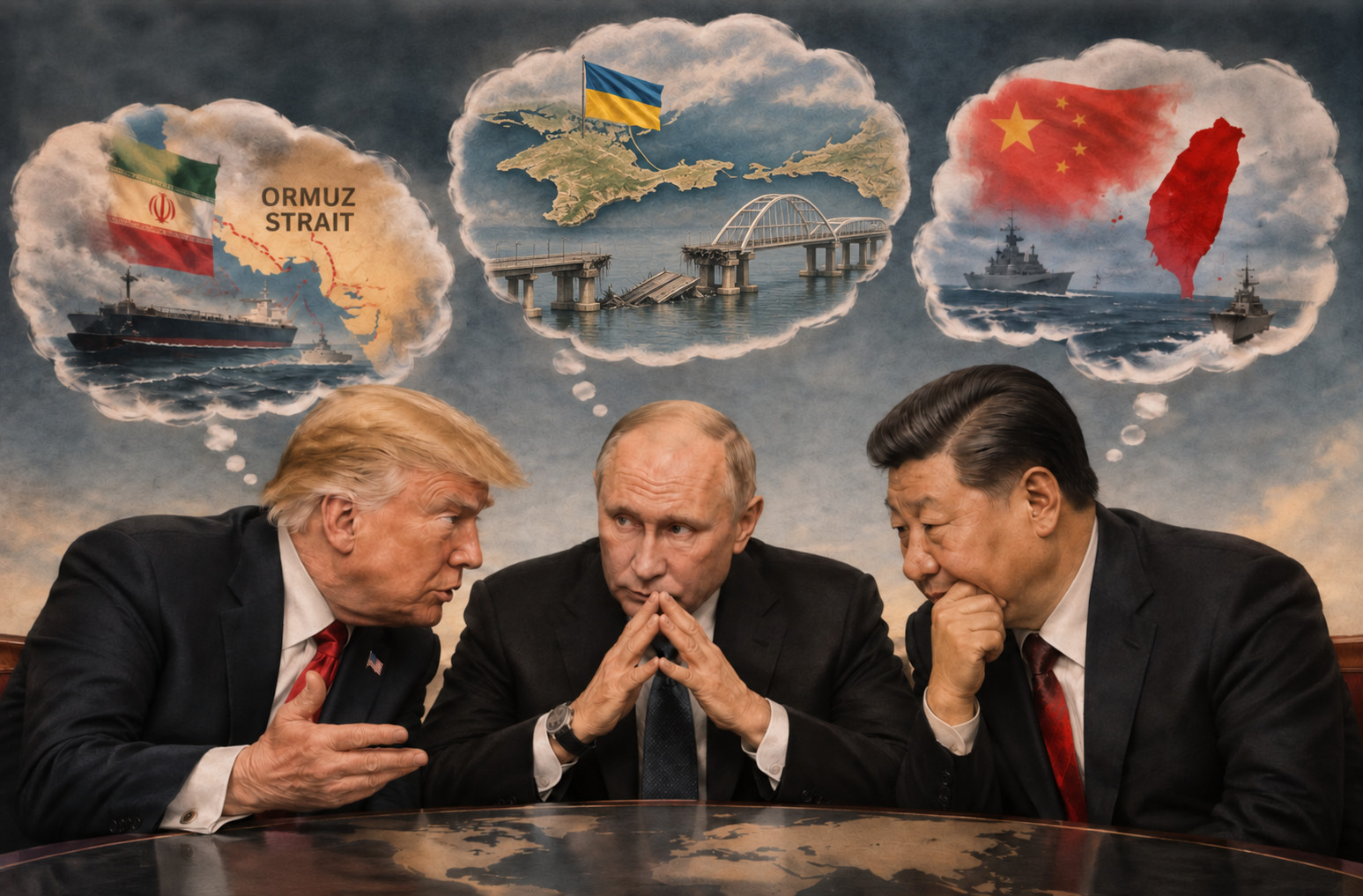
The Shenzhen Summit: World Leaders’ Expansionist Ambitions Rule Out Solutions to Key Global Challenges

Solid Info




On November 19, 2026, the Presidents of the United States, China, and Russia held the first-ever trilateral meeting in Shenzhen, outside the official program of the APEC summit.
The dialogue between the three heads of state resulted in the adoption of a joint “Declaration of Peace,” which contained no proposals for ending the war in Ukraine, resolving the Hormuz crisis, or determining Taiwan’s status, and no provisions on tariffs or export controls on chips.
Markets had expected the leaders of the world’s three largest nuclear powers to send a signal concerning the Strait of Hormuz, but the final document avoided the issues troubling societies, including those in the United States, China, and Russia themselves. Including a reference to the Strait of Hormuz, as President Trump had sought, would have opened the door for President Putin to demand a provision on Ukraine on Russia’s terms. The leaders therefore opted for a document that addressed neither issue.
The course of the fighting has demonstrated that the invasion of Ukraine was a miscalculation by President Putin, who failed to anticipate the support Kyiv would receive from democratic nations. Moscow has been unable to establish political control over Ukraine through military force, and the war the Kremlin planned as a lightning operation is now in its fifth year.
Washington had expected to conclude its campaign against Iran within four to five weeks but underestimated Tehran’s willingness to restrict shipping through the Strait of Hormuz. Despite the U.S. bombardment that began on February 28, 2026, Iran retains the capacity to continue its nuclear program, leaving the principal objective announced by President Trump unachieved. Beijing risks repeating the miscalculations of Moscow and Washington by launching an operation against Taiwan that would bring key sectors of the global economy to a halt.
Washington has launched its campaign against Iran, Moscow continues its war against Ukraine, and Beijing is preparing a military operation against Taiwan.
The mistakes already made by Presidents Putin and Trump bind the two leaders together. Rather than offering responses to the challenges facing humanity, the summit made their tacit agreement on noninterference evident. President Trump has withdrawn from actively assisting Ukraine, President Putin agreed to a declaration that made no mention of the bombing of Iran, and President Xi Jinping continues preparing an operation against Taiwan without objections from either counterpart. Mutual restraint prevents the three leaders from speaking on behalf of their countries even about domestic problems, from demographic trends to budget deficits.
For the democratic world, the summit was bad news. Yet predictable democracies are gaining the world’s trust, and the newly elected U.S. Congress will be the first to dismantle the three leaders’ arrangements by reclaiming authority over sanctions against Russia, chip exports, and weapons for Taiwan.
High-tech companies and the AI infrastructure underpinning growth in the United States and China depend on Taiwanese chips. Fighting around Taiwan would deprive American and Chinese AI companies of the computing capacity on which their business models rely, halting the automation on which both countries’ future growth depends.
A war over Taiwan would cost the global economy around 10 percent of GDP, with China itself — the country preparing the operation against the island — suffering the greatest losses. Washington’s campaign against Iran has already increased the cost of shipping through the Strait of Hormuz, while Moscow’s war against Ukraine remains the world’s most costly armed conflict.
<h2>Washington, Beijing, and Moscow Excluded Issues Central to Global Governance From the Declaration</h2>
The provisions of the signed document address the need to reform the United Nations, increase the production and supply of refined petroleum products, respect the immunities of state officials, and conduct future negotiations on nuclear risk reduction and the nonproliferation of weapons of mass destruction.
The language of the declaration reflects the nature of the meeting, which centered on the possibility of joint negotiations among the three leaders. Yet the final document remains a statement of intent, as none of its provisions specifies a timeline, an implementation mechanism, or a clearly identified party responsible for delivering results.
All four provisions govern relations among the three states and impose no obligations on them toward the rest of the world. The declaration does not address the reduction of armed violence worldwide or rules governing AI, which is fundamentally transforming social relations, including the labor market.
The global leadership to which Washington, Beijing, and Moscow aspire is measured by their capacity to make decisions addressing problems that individual countries cannot resolve independently and that require a coordinated strategy among several geopolitical centers of power.
In Shenzhen, the three leaders avoided issues central to global governance, including the resolution of regional conflicts involving all three participants.
<h2>Moscow and Washington Pay for Their Own Wars, While Beijing Profits From Russia’s War and Prepares an Operation Against Taiwan</h2>
The economic and military resilience of the United States, China, and Russia over the next decade will be determined by security challenges, changes in population structure, and the impact of AI on economic activity and global employment.
The armed conflicts pursued by Moscow and Washington are placing growing pressure on the Russian and U.S. budgets. Armed violence has reached its highest level since the end of World War II, while the number of state-based armed conflicts has risen to 65 in 2026, driving global military expenditure to $2.887 trillion.
The countries participating in the trilateral meeting bear the largest share of the global military spending burden. According to the Stockholm International Peace Research Institute (SIPRI), the United States, China, and Russia collectively spent $1.48 trillion on defense in 2025, accounting for 51 percent of worldwide military expenditure.
Military budgets in Washington, Beijing, and Moscow will not decline in the next several years, as spending in each country is already being driven by processes underway, including ongoing military campaigns, stockpile replenishment, and long-term procurement commitments.
As of 2025, the United States was directly involved in six active military conflicts, compared with five conflicts in which Washington participated directly between 2020 and 2023. Before 2020, it had been a secondary warring party in four conflicts.
Although Russia’s direct involvement is currently documented in only three active armed conflicts, the Russia-Ukraine war remains the world’s deadliest ongoing conflict and the most costly in terms of its economic consequences.
In 2025, combat fatalities in the war between Moscow and Kyiv accounted for 62 percent of all deaths in state-based armed conflicts, while aggregate economic losses reached approximately $700 billion.
Russia’s direct budgetary expenditure on its aggression against Ukraine alone amounted to $138 billion in 2025, equivalent to 82 percent of the country’s national defense spending and 5.1 percent of GDP.
Unlike the United States and Russia, China is not currently involved in any active armed conflict. Beijing profits from other countries’ wars. According to Bloomberg, China accounts for 90 percent of Russia’s imports of sanctioned technologies. Research by the Bank of Finland Institute for Emerging Economies shows that prices for Chinese goods subject to export controls rose by an average of 87 percent for Russia between 2021 and 2024, compared with just 9 percent for other countries.
Between 2022 and 2025, Chinese oil refineries saved $11.94 billion through the discounts Russia offered on its oil. Yet a military operation against Taiwan would inflict greater economic losses on China itself than on its geopolitical competitors.
Signs of Beijing’s preparations for an operation against Taiwan include air and naval maneuvers near the island, exercises simulating port blockades, and China’s control over 91 percent of global rare-earth processing, on which the Western defense industry depends. China is a “decisive enabler” of Russia’s war against Ukraine, while NATO Secretary General Mark Rutte has warned that, before attacking Taiwan, President Xi Jinping would ask President Putin to distract Europe by launching an attack on NATO territory.
According to Bloomberg Economics forecasts, the global economy would contract by $10.6 trillion in the first year of hostilities. Fighting between Washington and Beijing on the island and in its surrounding waters would reduce China’s GDP by 11 percent, while U.S. economic losses would be smaller in relative terms, at 6.6 percent. Armed escalation in the Taiwan Strait would trigger a conflict that would exact the heaviest human toll on China since the Korean War.
The Shenzhen summit brought the wars being waged by Moscow and Washington no closer to an end, nor did it halt Beijing’s preparations for an operation against Taiwan. The Kremlin is not ready to end its war against Ukraine, while the White House sees no prospect of concluding its campaign against the regime of the ayatollahs as long as logistical threats persist in the Strait of Hormuz and Iran retains the capacity to pursue its nuclear program.
The priorities announced by the three states in the Shenzhen declaration demonstrated their intention to create conditions allowing these military campaigns to continue for as long as possible without reducing the military and financial resources committed to them.
Each of the three countries obtained in the declaration the specific benefits it had expected to secure at the summit.
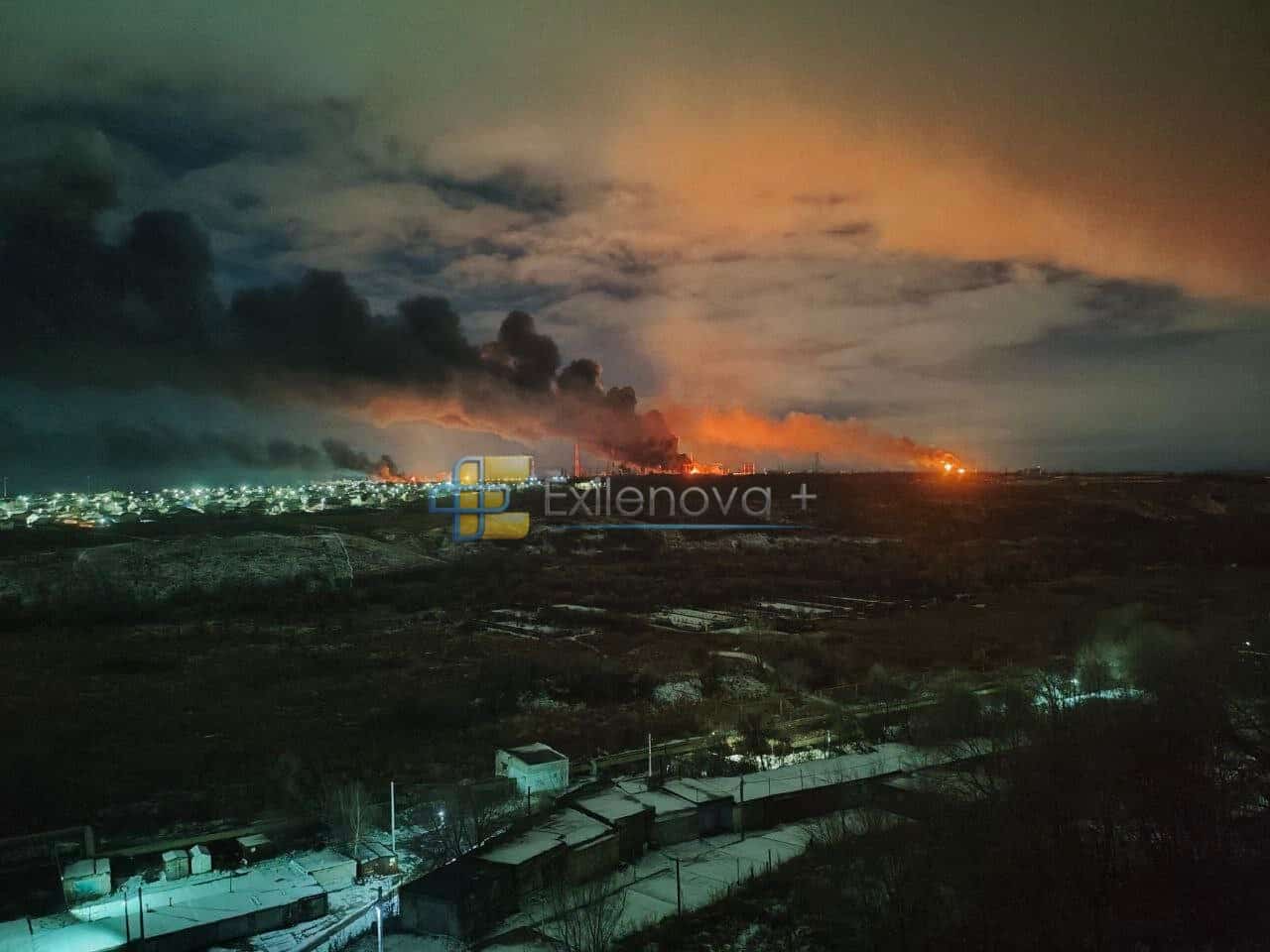
Moscow secured the inclusion of a provision on increasing the production and supply of refined petroleum products at a time when its own refineries have been knocked out of operation by Ukrainian missile and drone strikes.
Beijing obtained reaffirmation of the formula that the United States does not support Taiwan’s independence, complemented by the fact that the White House is not ready to submit a $14 billion arms package for Taipei to Congress for review.
Washington, by contrast, essentially preserved the status quo following the Shenzhen summit. The trade truce extended during the September 2026 meeting between President Trump and President Xi Jinping remained in effect, while chip export restrictions were not tightened sharply again.
Maintaining this balance in relations with Beijing allows the White House to avoid committing strategic resources to a new front of global escalation and instead direct its military and financial resources toward continuing the confrontation with Iran.
The absence of any discussion, or even declaratory statements, concerning the functioning of trade corridors and the stability of microchip and semiconductor supplies demonstrates that the parties were prepared to include in the final document only those issues that offered immediate benefits to each participant in the trilateral meeting and required no restrictions on the actions of the United States, China, or Russia.
Moscow and Washington gained the ability to continue their respective campaigns, Beijing is gradually minimizing external constraints on its preparations for an operation against Taiwan, and the remaining countries gained no means of influencing these processes as a result of the summit.
The declaration’s only provision addressed to a broader group of countries concerns increasing the production and supply of refined petroleum products, but it specifies neither volumes nor timelines nor the parties responsible for implementation.
Meanwhile, the costs of these conflicts are being distributed among the economies of countries excluded from the trilateral negotiations in Shenzhen. The “Declaration of Peace” thus sought to establish an order whose benefits accrue exclusively to Moscow, Beijing, and Washington, while its negative consequences are shifted onto countries that had no part in the agreements.
<h2>Publics in Most Countries Trust Germany, Canada, and Japan More Than the Three Claimants to Global Leadership</h2>
China has so far refrained from initiating hostilities over Taiwan, while the United States and Russia are directly involved in just nine of the 65 active state-based armed conflicts. Nevertheless, the actions of none of the three leaders who participated in the Shenzhen meeting enjoy approval in most countries outside their own.
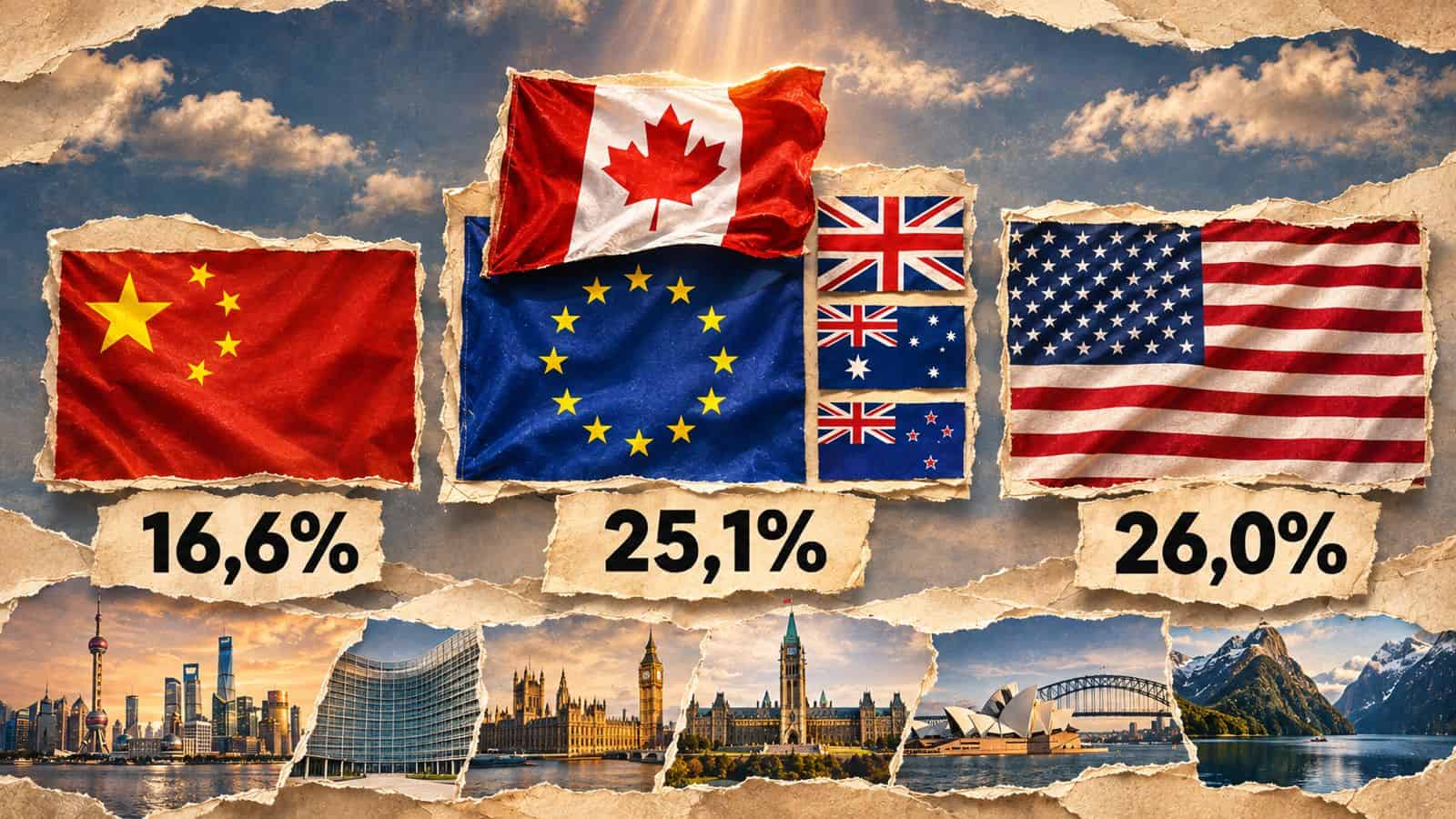
A Pew Research Center survey conducted across 36 countries between February and May 2026 found that average levels of distrust toward President Xi Jinping, President Vladimir Putin, and President Donald Trump worldwide stood at 53 percent, 65 percent, and 76 percent, respectively.
Across the 20 countries where Pew Research Center conducts regular surveys, approval of the U.S. President declined from 32 percent to 21 percent between 2025 and 2026.
Although the share of respondents expressing favorable views of China’s leader increased from 25 percent to 31 percent between 2025 and 2026, favorable attitudes toward China are declining in neighboring countries and parts of the Global South.
Favorable views of Beijing fell by 11 percentage points in Thailand and 5 percentage points in South Africa, while the share of Nigerians who consider Chinese investment beneficial has declined by 18 percent since 2019.
According to Pew Research Center, 88 percent of Japanese respondents view China negatively, 76 percent of Filipinos identify it as their principal threat, and the share of Thai respondents concerned about China’s territorial disputes with its neighbors increased from 38 percent in 2024 to 52 percent in 2026.
According to Gallup’s findings for 2025, just 36 percent of respondents across 132 countries approved of the Chinese leadership’s initiatives, while the actions of U.S. and Russian leaders received support from even smaller shares of those surveyed.
In contrast to the three countries signaling their ambitions for global leadership, states without nuclear arsenals or a global military presence enjoy more favorable standing among publics in most countries than Beijing, Moscow, and Washington.
According to Gallup, Germany’s leadership received approval from 48 percent of respondents across 132 countries in 2025, while a study by the Alliance of Democracies Foundation and Nira Data placed Canada and Japan among the five countries viewed most favorably worldwide.
The difference between foreign publics’ attitudes toward the Shenzhen meeting’s participants and toward most countries shaping Europe’s political direction stems from the approaches Washington, Beijing, and Moscow take to global challenges and their relationships with third countries.
Decisions taken by the leadership of the United States, China, and Russia throughout 2025–2026 gave insufficient consideration to other countries’ interests, produced unpredictable consequences, and were reversed or revised within exceptionally short periods, complicating planning for their partners.
<h2>Washington and Beijing Make Abrupt Decisions, While Their Partners Bear the Costs</h2>
Just one month after the Lindsey O. Graham Sanctioning Russia and Iran Act of 2026 entered into force, strengthening restrictions against Russia and extending sanctions against Iran, the White House suspended most of its Russia-related provisions through Executive Order 14436, setting aside a decision backed by 86 senators.
Because the law provided for tariffs of up to 500 percent on Russian goods and up to 100 percent on imports from third countries purchasing Russian energy resources, the American administration’s inconsistent decisions complicated energy policy planning for U.S. allies.
European countries had already incurred costs from abandoning Russian fuel. Since Russia’s full-scale invasion of Ukraine, the shares of Russian gas, oil, and refined petroleum products in European Union consumption have declined severalfold.
Washington lifted pressure on countries that had not reconsidered their energy sources only after its partners had already completed their transition to alternatives.
The campaign against Iran has increased logistical costs for Washington’s European partners. Following the launch of Operation Epic Fury, the cost of insuring a single commercial transit through the Strait of Hormuz rose from $54,000 to $64 million.
After fighting began in the region, Iran seized the container ships <em>MSC Francesca</em>, operated by a Geneva-based company, and <em>Epaminondas</em>, owned by a Greek shipowner.
Restrictions on traffic through the Strait of Hormuz also increased costs for European shipping companies, prompting Germany’s Hapag-Lloyd and France’s CMA CGM to introduce risk surcharges. Denmark’s Maersk was forced to reroute two of its key services to avoid the Red Sea.
The operation has also placed additional pressure on U.S. missile defense stockpiles, which are essential to European security.
According to estimates by the Center for Strategic and International Studies (CSIS), the U.S. inventory of Patriot PAC-3 MSE interceptors has fallen from more than 2,300 to approximately 800, and restoring stockpiles to prewar levels will take at least several years.
The decision Washington made without consulting other Western countries had direct consequences for U.S. allies, exposing them to a combination of security, economic, and logistical threats.
China has also resorted to abrupt changes in its bilateral relationships with other countries, as demonstrated by Beijing’s decision to restrict exports of certain materials to Japan in response to the Japanese Prime Minister’s statement concerning Taiwan.
Despite unresolved foreign policy disputes, Tokyo remained one of Beijing’s principal economic partners. Chinese citizens constituted the largest group of foreign tourists and international students in Japan, while the Japan-China Economic Association sent an annual delegation of approximately 200 businesspeople to Beijing.
The trade restrictions China has systematically imposed since November 2025 demonstrate how a public statement by Japan’s head of government triggered a severalfold contraction in trade, tourism, and educational exchanges between the two countries, leading Beijing to substantially and rapidly reassess its approach to cooperation.
<h2>Europe and Canada Build Predictable Coalitions Instead of Declarations of Intent</h2>
Unlike Washington, Beijing, and Moscow, countries shaping Europe’s political direction, along with Canada, have continued to pursue more consistent, restrained, and predictable foreign policies, allowing them to emerge as centers of new forms of cooperation.
On October 30, 2026, Canada and the European Union established an economic and security alliance. In June 2026, Ottawa became the first non-European country to participate in the EU’s Security Action for Europe (SAFE) defense instrument.
Canadian exports to the European Union grew by 23.4 percent in 2025, while the U.S. share of Canada’s exports declined from 76.3 percent to 72.5 percent.
The Republican administration’s rhetoric about changing its approach to supporting Ukraine prompted most Western countries to coalesce around the position advanced by leaders shaping Europe’s political direction.
On the day of the Shenzhen summit, representatives of more than 40 delegations met in Berlin to coordinate a common strategy among democratic countries concerning the Russia-Ukraine war and efforts to counter security threats from autocracies.
The participation of most European countries, Canada, five Pacific countries, and a U.S. delegation demonstrated the greater resilience and predictability of such coalitions. This was reinforced by the consistent positions of most participants regarding Russia’s actions and the reaffirmation of NATO countries’ plans to continue supporting Kyiv.
Although the Berlin meeting did not produce a final document establishing binding obligations, cooperation within the “Coalition of the Willing” rests on an approved $98.9 billion EU loan, which could subsequently be supplemented by a 2027 financing package for Ukraine worth up to $49.5 billion.
The Shenzhen declaration, by contrast, is not backed by any financial commitment, leaving its provisions vulnerable to political changes in the United States.
<h2>The New U.S. Congress Reclaims Authority Over Russia Sanctions, Chip Exports, and Arms for Taiwan</h2>
Washington’s rhetoric and actions that made the Shenzhen declaration possible will begin to change once the newly elected Congress convenes, with Democrats holding majorities in both chambers.
The sanctions law targeting Russia and Iran remains in force, as the executive order merely suspended certain provisions concerning Russia.
Section 115 of the Lindsey O. Graham Sanctioning Russia and Iran Act permits the President to defer the application of certain provisions only upon notifying Congress in writing that such a decision serves the national interest, accompanied by a report substantiating the grounds for the suspension.
Congress can restore and codify sanctions against Russia through new legislative initiatives that were introduced during the current congressional term.
On October 16, 2026, Democratic Representative Gregory Meeks, together with 17 cosponsors, including Republican Representative Don Bacon, introduced the Prohibit Corrupt Russia Oil Deals Act in the House of Representatives.
The bill proposes revoking general licenses issued by the Office of Foreign Assets Control (OFAC) that authorized transactions involving Russian oil, refined petroleum products, and diesel fuel, while prohibiting the issuance of equivalent authorizations for the following three years.
The legislation would also require the administration to impose sanctions on Russia’s energy sector and restrict the U.S. International Development Finance Corporation’s access to Russian energy projects.
Most members of the newly elected Congress support reinvigorating cooperation with Kyiv and increasing pressure on Russia, while the Lindsey Graham legislation enjoyed the backing of an overwhelming majority of lawmakers. Congress will determine whether to reinstate restrictions through its own votes, making the White House’s position a secondary factor in sanctions policy.
Congress’s ability to restore sanctions against Russia by its own vote is complemented by its authority to establish statutory restrictions on chip exports to China. Once enacted, such restrictions would prevent the U.S. Department of Commerce from issuing individual export licenses for advanced AI processors and equipment in violation of the law.
Currently, chip exports to China are governed by regulations and licenses issued by the Bureau of Industry and Security (BIS), which the administration can modify through its own decisions.
Once restrictions are codified in law, any subsequent changes to those rules will require a congressional vote. The volume of permitted exports will therefore cease to be a matter of bilateral bargaining, while licensing policies for the export, reexport, and in-country transfer of AI chips will become more predictable for democratic countries partnering with the United States.
The license authorizing transactions involving Russian diesel fuel expires on April 7, 2027, while the executive order suspending certain provisions of the Lindsey Graham law will remain in effect until the White House rescinds it.
Some Republican lawmakers will also criticize that decision. The Lindsey Graham law received support from 49 Republican senators, while just seven conservatives in the House of Representatives voted against its passage.
Legislative initiatives advanced by the most influential Republican members of the Senate and House who have been reelected to the new Congress indicate that restrictions against Russia will continue to enjoy substantial support within the Republican caucus.
Jim Risch, the current Chairman of the Senate Foreign Relations Committee, who will remain the committee’s leading Republican in the next Congress, was a cosponsor of the Senate version of the Lindsey Graham legislation.
House Foreign Affairs Committee Chairman Brian Mast, who will remain the committee’s leading Republican in the 120th Congress, introduced the AI OVERWATCH Act, which would establish congressional oversight of exports of the most powerful chips to countries considered U.S. adversaries.
John Moolenaar, Chairman of the House Select Committee on China, was also reelected. During the current congressional term, he cosponsored the Chip Security Act, which would require advanced chips to incorporate location-verification mechanisms to prevent smuggling.
Political differences between White House initiatives and the positions of some Senate Republicans became evident immediately after the Shenzhen summit.
Both before and immediately after the three leaders’ meeting, Republican Senator John Curtis stated that the Chinese and Russian leaderships were not U.S. allies and did not share American values, while Republican Senator Jim Banks urged President Trump to adopt a tougher position at the summit.
These public signals from Republican lawmakers indicate that, beginning in early 2027, the concessions made by the White House ahead of the Shenzhen summit will face legislative review in both chambers of Congress, with members of both parties initiating the process.
Beyond sanctions and chips, the new Congress will address Taiwan. A $14 billion arms package for Taipei, informally agreed upon by lawmakers in January 2026, has still not been formally submitted for consideration.
The package includes nine NASAMS batteries and between 450 and 500 PAC-3 MSE interceptors. The White House attributes the delay to the need to direct munitions toward the war with Iran. President Trump described the sale of weapons to Taipei as “a bargaining chip in negotiations” and suspended the package in May 2026 following his meeting with President Xi Jinping.
In November 2026, 13 Democratic members of the House of Representatives demanded that the administration formally submit the package to Congress and use the $1.3 billion lawmakers had already allocated for Taiwan’s security.
Certain decisions, including the President’s executive order suspending the law imposing sanctions against Russia, will remain in effect throughout the current political cycle. Their subsequent status, however, will depend on the next President, whom the Shenzhen declaration will not oblige to undertake any actions or make any concessions.
In managing their relations with the United States, Moscow and Beijing can rely on this political document only for the duration of the current administration, whose authority will be constrained once the new Congress convenes and whose term will expire in January 2029.
<h2>The Three States Have No Answer to the Displacement of Workers by AI Algorithms or the Shrinking Working-Age Population</h2>
The new Congress’s review of concessions the White House made to autocracies ahead of the Shenzhen summit will reduce Washington’s commitments to Moscow and Beijing. Such changes, however, will not provide an adequate response to the developments the leaders of the United States, Russia, and China excluded from their negotiations.
The International Labour Organization (ILO) estimates that 24 percent of global employment is concentrated in occupations where generative artificial intelligence can perform some tasks. In high-income countries, that figure reaches 34 percent, while for 120 million people worldwide, activities that AI tools could replace account for most of their working hours.
The International Monetary Fund (IMF) considers a broader range of occupations vulnerable, estimating that artificial intelligence affects nearly 40 percent of global employment and approximately 60 percent of jobs in advanced economies.
The estimates provided by the ILO and IMF do not point to plans to eliminate these positions or fields of employment in the near term. They do, however, illustrate the scale of the changes for which none of the governments that signed the Shenzhen declaration has developed a policy response.
Socioeconomic transformations driven by technological progress require workforce retraining programs, funding, and rules governing access to emerging professions.
Because the United States and China lead the world in GDP and are more actively engaged in technological advancement than other countries, the displacement of workers by algorithms and automation is occurring primarily in their economies. Approximately 20 percent of all announced job cuts in the United States result from tasks being delegated to AI, with vacancies for people beginning their careers declining most sharply.
Reduced hiring and higher requirements for young workers have driven up youth unemployment, which reached 17.2 percent in China as of October 2026.
In the United States, unemployment among people aged 16–24 is lower, at 9.3 percent, but the mix of job openings at U.S. employers has become less favorable to younger workers. According to Indeed Hiring Lab, job openings for experienced professionals increased by 19.2 percent, while vacancies for workers with limited employment experience declined by 4 percent.
Alongside declining market demand for workers still acquiring professional experience, the share of U.S. economic output paid to employees as wages has fallen to its lowest level in 80 years and now stands at 53 percent.
The remainder accrues to capital owners, meaning that expanding production and growth in the American economy no longer automatically translate into higher incomes for wage earners.
In the third quarter of 2026, the U.S. economy expanded by 3.4 percent, with purchases of computing equipment and software contributing 1.09 percentage points to that growth. Almost one-third of the increase came from spending by companies building data centers and equipping them for artificial intelligence applications. The pace of economic growth therefore depends on the investment decisions of a handful of technology corporations.
Purchases on this scale depend on high market valuations for technology companies, and a decline in those valuations would bring the purchases themselves to a halt. Accordingly, in October 2026, the IMF identified a correction in the prices of AI-related assets as one of the principal risks to the global financial system. The Fund estimates that a sharp decline in such investment would reduce global GDP by approximately 1.1 percent by 2028.
In China, the replacement of workers with automated equipment is advancing faster than in other economies. Of approximately 600,000 industrial robots installed worldwide during 2025, more than 350,000 were deployed in Chinese enterprises.
Because China is equipping its factories with robotics faster than all other countries combined, automation is spreading through the industries that employ the majority of its industrial workforce. China, which builds its competitive advantage on manufacturing, is simultaneously reducing its need for workers in that sector.
The world’s two largest economies are undergoing similar structural changes and encountering identical problems, as increases in the output of goods and services in both the United States and China are accompanied by fewer new jobs.
Washington is deriving growth from a narrow segment of capital investment while simultaneously losing entry-level opportunities for young workers, whereas Beijing is shifting mass production onto automated lines. Both countries are consequently experiencing economic growth that delivers progressively smaller gains in workers’ incomes. The United States and China must therefore determine how to compensate for the weakening connection between economic growth and employment.
The resources needed for such compensation are generated by workers themselves, whose numbers are declining as the population that has already left the labor market grows. China recorded 7.92 million births against 11.31 million deaths in 2025, marking the fourth consecutive year of population decline.
Within the Western bloc, both the United States and the European Union face population aging. The European Commission projects that the ratio of people over age 65 to those aged 20–64 will increase from 36.1 percent in 2022 to 59.1 percent in 2070.
The exceptionally rapid pace of population aging will reduce the European Union’s workforce by 25 million people and increase the burden on employed workers aged 20–64 from 46 percent to 70 percent by 2070.
In the United States, this ratio is changing more slowly. Nevertheless, according to Congressional Budget Office calculations, there were 2.7 people aged 25–64 for every person over age 65 in 2026. Over the next 30 years, that figure will fall to 2.2, while annual deaths will begin to exceed births in 2030.
Immigration continues to sustain U.S. population growth, but contributions to the country’s pension and healthcare systems will come from the segment of migrants who are of working age, legally employed, and making the required contributions.
Shrinking workforces are pushing both democratic economies and China to replace human labor with machinery. While the declining working-age population has created a need for automation, automation itself is limiting young people’s entry into the labor market, which generates the future contributions needed to support the economically inactive population.
Because household spending declines by 4.7–16 percent after the average American retires, while the corresponding reduction among older Chinese residents is 20–21 percent, both countries are entering a period of workforce aging and weakening consumer demand.
Technologies intended to compensate for declining worker numbers increase productivity only after years of investment in the sector and retraining of its personnel. Yet the economically inactive population is already growing rapidly, creating a gap between these developments during which the financial burden on the state increases.
The period between accelerating population aging and subsequent productivity gains has already begun and will continue for decades. Nevertheless, none of the three countries participating in the Shenzhen trilateral meeting placed this issue on the summit’s agenda.
The insufficient attention devoted to the most pressing issues of demographic transition and the economic changes driven by technological progress stems from the political experience of all three leaders present at the Shenzhen summit. Their careers took shape in an era when state power was defined by territory, military strength, and resource extraction. It was on the basis of these categories that the leadership of the United States, China, and Russia established the priorities underlying the final “Declaration of Peace.”
<h2>Domestic Resistance to the Three Leaders’ Policies Is Already Taking Different Forms</h2>
Maintaining the priorities established by Presidents Trump, Xi Jinping, and Putin during the Shenzhen summit depends on each country’s ability to support them with its own resources. The military campaigns of 2025–2026 have exposed the limits of Moscow’s and Washington’s military and economic capabilities, while Beijing faces demographic and economic constraints on its own growth.
The administrative apparatus in each of the three countries recognizes the mismatch between its leaders’ plans and the resources available to implement them. As a result, differences are emerging between senior leaders and the officials serving under them under them, with each political system addressing these disagreements through the instruments at its disposal.
In China, disagreement with the leadership’s policies is resolved through personnel decisions, as demonstrated by the expulsion of eight generals from the Chinese Communist Party (CCP), including He Weidong, a Vice Chairman of the Central Military Commission and a member of the Politburo.
In January 2026, the Commission’s other Vice Chairman, Zhang Youxia, and Joint Staff Department chief Liu Zhenli came under investigation. Liu had been expelled from the party and military in September 2025. In October 2026, the Fifth Plenary Session of the CCP Central Committee approved the expulsion of 33 officials, including 16 military personnel, marking one of the largest instances of turnover in China’s party nomenklatura.
Financial pressures have become the principal source of disagreement between President Vladimir Putin’s foreign policy and Russia’s regional leaderships, following the federal government’s decision to shift payments for signing Defense Ministry contracts and assistance to families of those killed in the Russia-Ukraine war onto regional budgets.
In 2025, expenditure exceeded revenue in 74 of Russia’s 89 regions, the aggregate regional budget deficit reached $17.8 billion, and the cost of servicing regional debt increased by 39 percent. Regions were spending at least $10.1 billion annually on recruiting new soldiers for the Russian army and related payments. Budgetary difficulties, however, made it necessary for some regions to reduce one-time enlistment bonuses for contract soldiers.
As a result of that decision, recruitment of new military personnel fell from 407,000 in 2024 to 364,000 in 2025, leaving regional authorities to seek new ways of encouraging Russian citizens to enlist in military service.
At the same time, 85 regions reduced healthcare expenditure between 2021 and 2025. Resistance within the administrative apparatus to the Kremlin’s foreign policy is therefore manifesting itself through budget decisions, as regional governments cut expenditures not covered by the federal budget.
The American political system registers disagreement with its leadership’s policies through public dissatisfaction and declining support for President Trump and the Republican Party, as reflected in the midterm election results.
The new Congress, with its Democratic majorities and a Republican caucus less dependent on White House priorities, will serve as an instrument for expressing public opposition to administration policy over the next two years. It will also have the capacity to constrain and delay concessions made by the White House to autocracies.
The United States remains the only signatory to the “Declaration of Peace” in which public disagreement leads to the reconsideration of decisions already made.
While such reconsideration in the United States is determined by the timetable of the current political cycle, changes in priorities in China and Russia still depend on decisions by their countries’ top leaders. Growing budget deficits, declining consumer demand, and a slowdown reflected in other indicators of economic development in their countries will make Presidents Xi Jinping and Vladimir Putin more willing to make such changes.
The Shenzhen meeting demonstrated that the leaders of the United States, China, and Russia have yet to encounter economic constraints severe enough for domestic problems to compel them to stop agreeing on provisions that suit them and instead make decisions that require them to revise their own policies.
Economic and demographic developments are themselves bringing all three countries closer to that threshold, and the agendas their leaders establish at their own discretion cannot postpone the moment when it is reached.
Over the next two years, Congress will revise the White House decisions that enabled the Shenzhen meeting to unfold as it did. In the 2030s, shrinking working-age populations and changes in the composition of employment will become factors that the budgets of all three countries will be forced to address.
The ability of Washington, Beijing, and Moscow to respond to these demands will determine whether their claims to global leadership are justified — something the Shenzhen summit has so far failed to demonstrate.
The Shenzhen triangle holds together only as long as each of the three leaders retains freedom of action, and its American pillar will be the first to collapse because, in the United States, lawmakers and voters revisit presidential decisions. Beginning in January 2027, the new Congress will reclaim authority over sanctions against Russia and chip exports to China. By returning the arms package for Taipei to the agenda, Congress will jeopardize the White House concession on which Beijing is relying in planning its operation against the island.
In January 2029, President Trump’s successor will definitively dismantle the triangle’s American pillar, as the incumbent President is constitutionally barred from seeking a third term, and his policies have already cost Republicans their majorities in both chambers of Congress. President Trump attempted to exercise global influence without the instruments of soft power, having dismantled USAID in 2025, and pressure exerted through force produced the opposite of Washington’s intended result. Bombardment failed to change Tehran’s course, and even the United Kingdom, France, Canada, and Australia recognized Palestinian statehood in defiance of Washington’s position.
This publication is the result of a partnership between MILITARNYI and SOLID INFO. An extended version is available on the website of the analytical center.

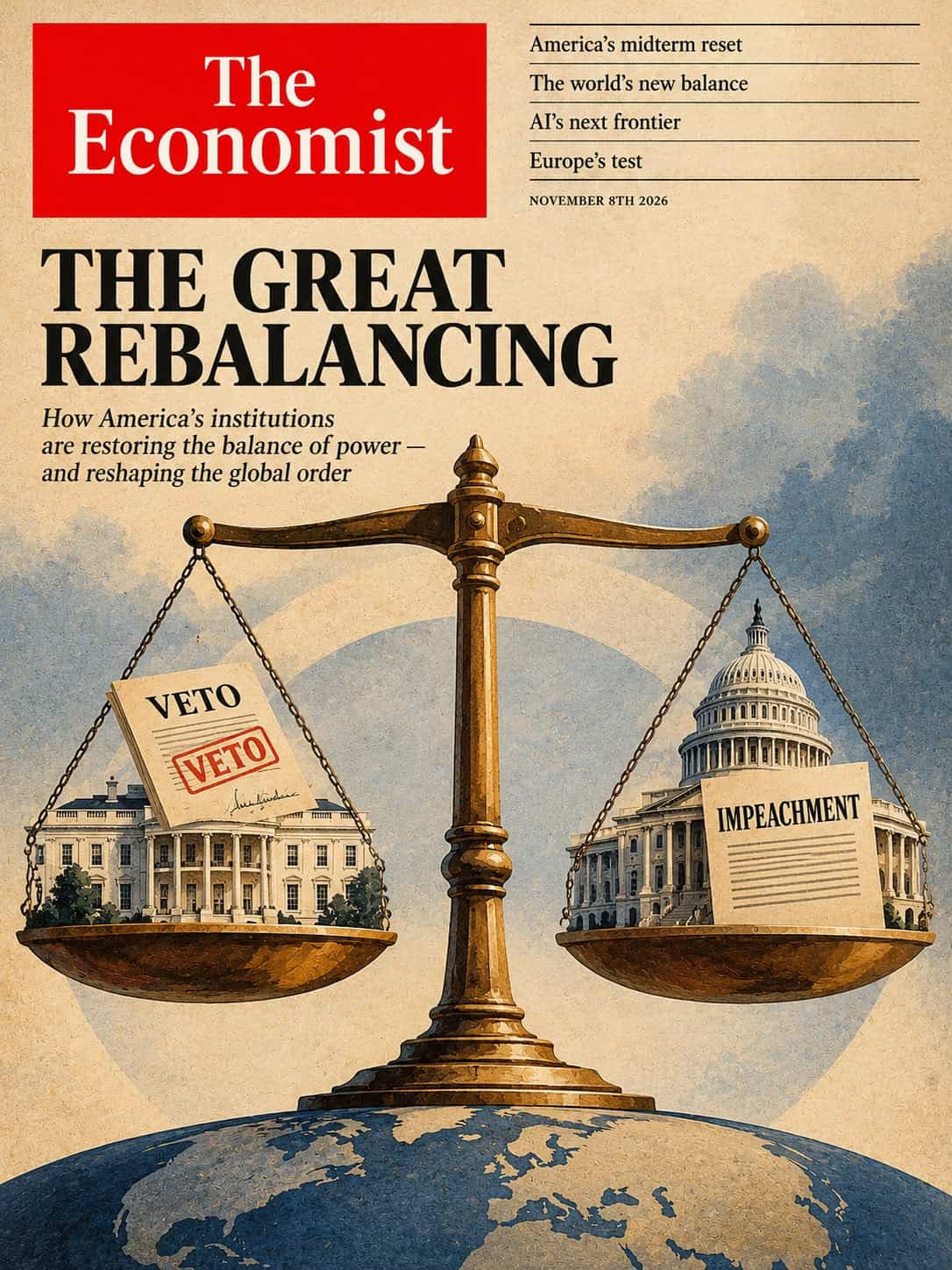
The U.S. Midterm Results: Democratic Institutions Set a Course Toward Restoring the Balance Between the Branches of Government
Following the November 3, 2026, midterm elections, the Democratic Party secured majorities in both chambers of the U.S. Congress, whose new term wi...
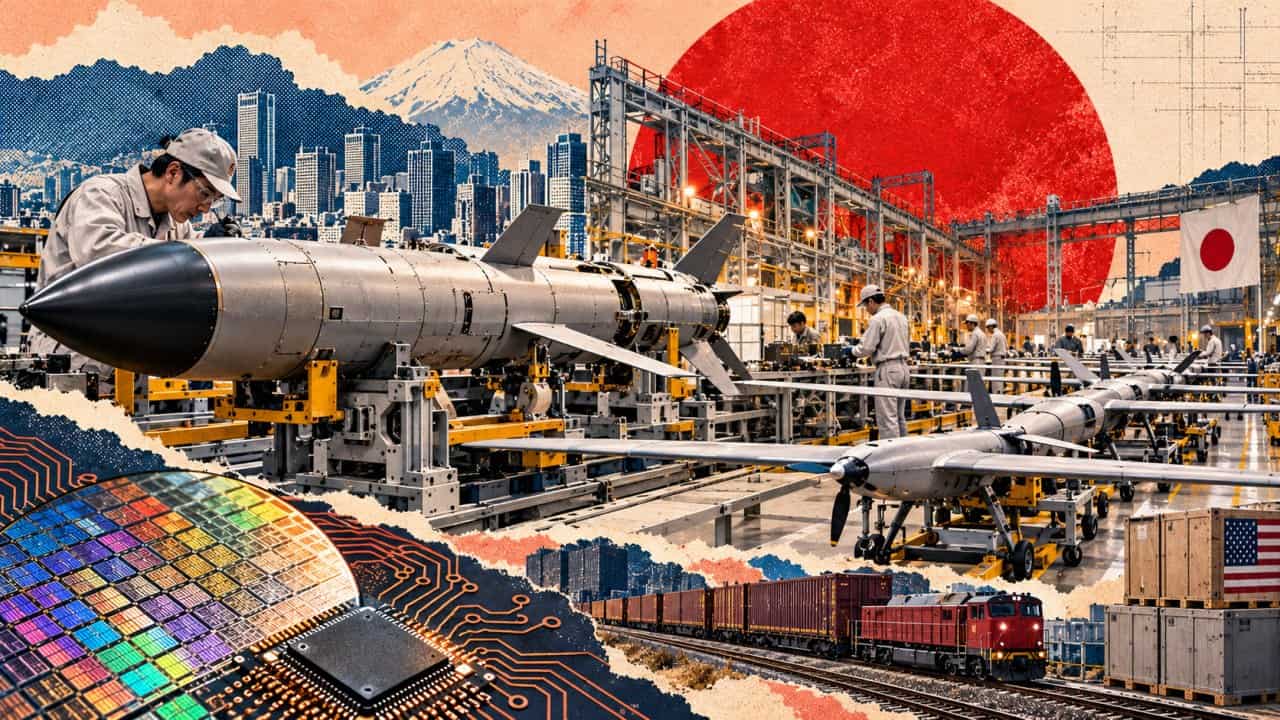
Japan Rapidly Builds Up Its Defense Capabilities: Personnel Shortages and Low-Cost Weapons Set the Pace of the Self-Defense Forces’ Modernization
On October 13, 2026, lawmakers from Japan’s ruling Liberal Democratic Party, led by former Defense Minister Itsunori Onodera, established a parliam...
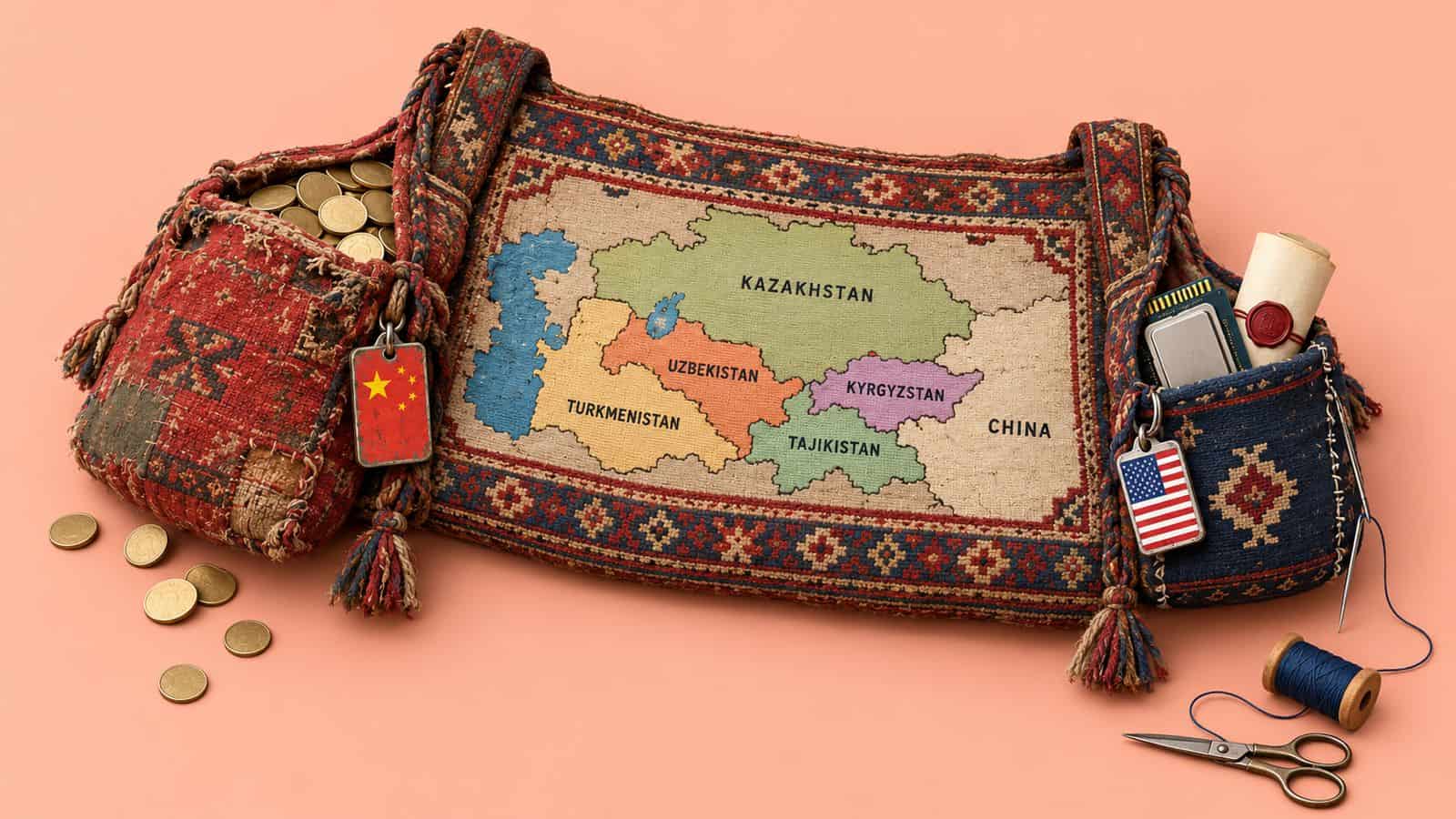
Secretary of State Rubio’s Visit to Uzbekistan: U.S. Tech Capital Moves into Central Asia, Leaving Beijing No Zones of Exclusive Influence
On October 18, 2026, U.S. Secretary of State Marco Rubio arrived in Samarkand, Uzbekistan, where he attended a C5+1 meeting with the foreign minist...
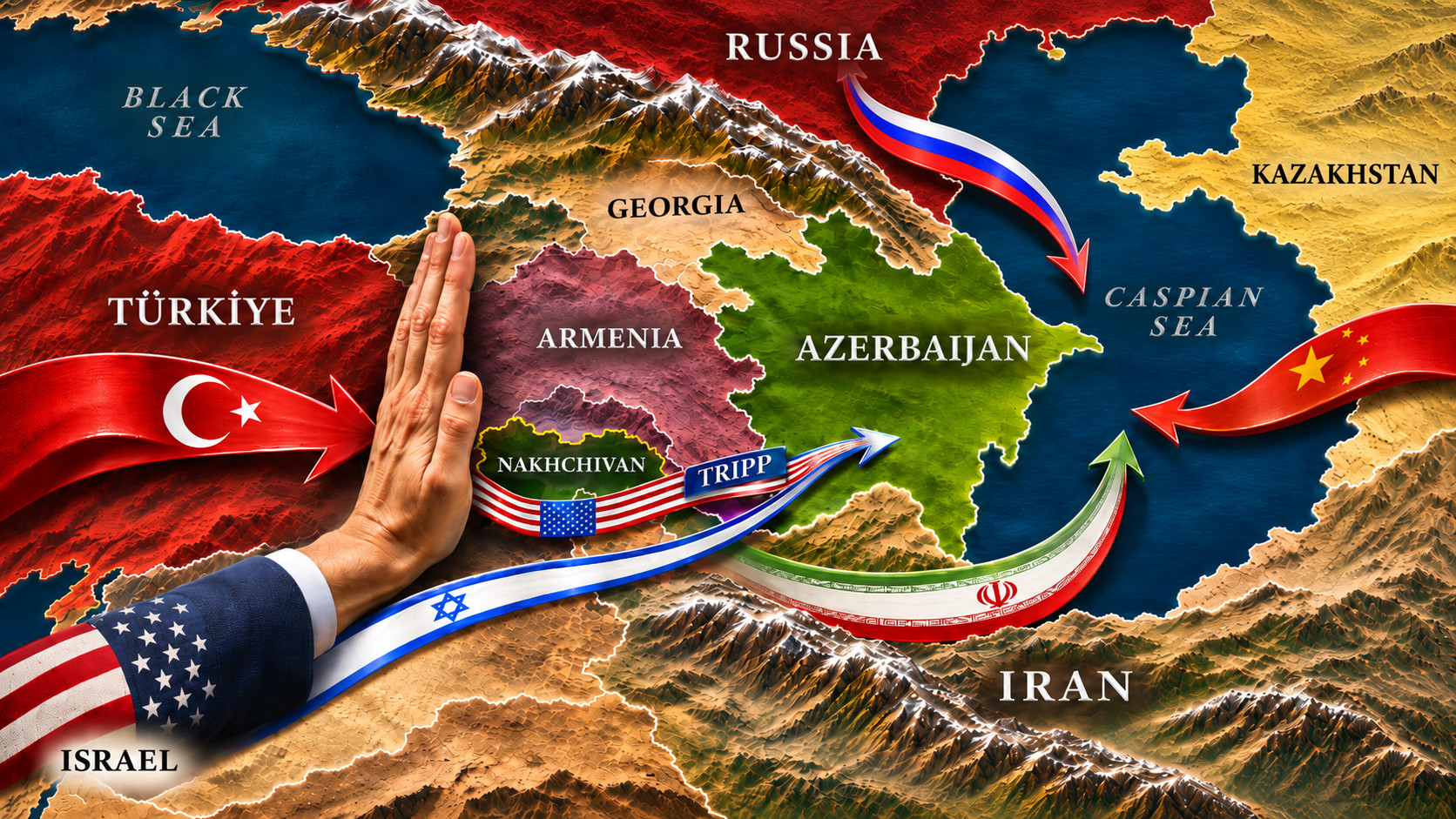
The U.S. Strengthens Its Position in the South Caucasus by Shielding Azerbaijan from Turkey’s Bid for Decisive Influence over the Region
On November 7, 2026, Admiral Brad Cooper, commander of U.S. Central Command (CENTCOM), ordered the establishment of Task Force Iron Gate, with its ...
