



Popular
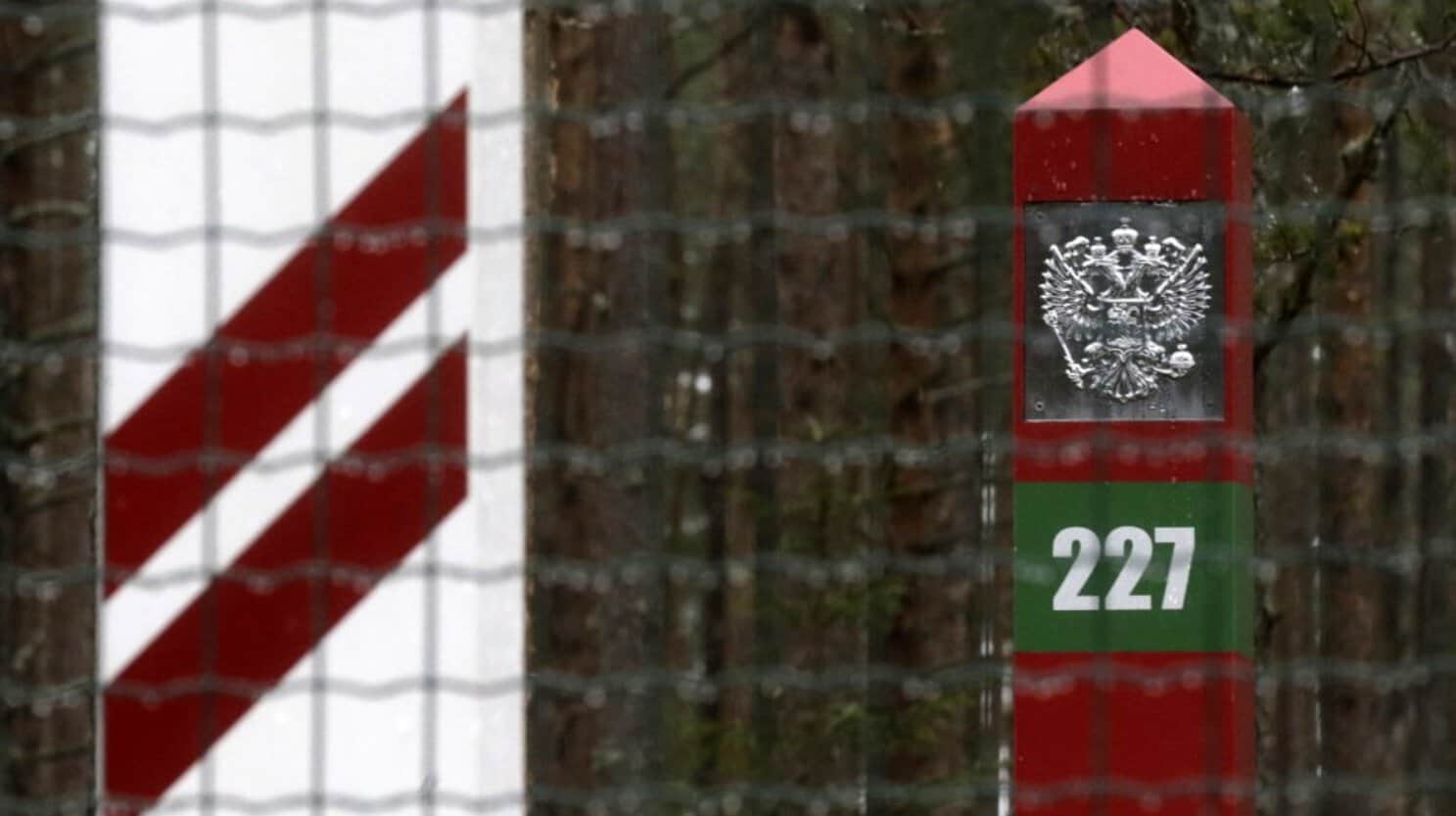
Latvia will formulate a clear national position on the possible closure of border crossings with Russia.
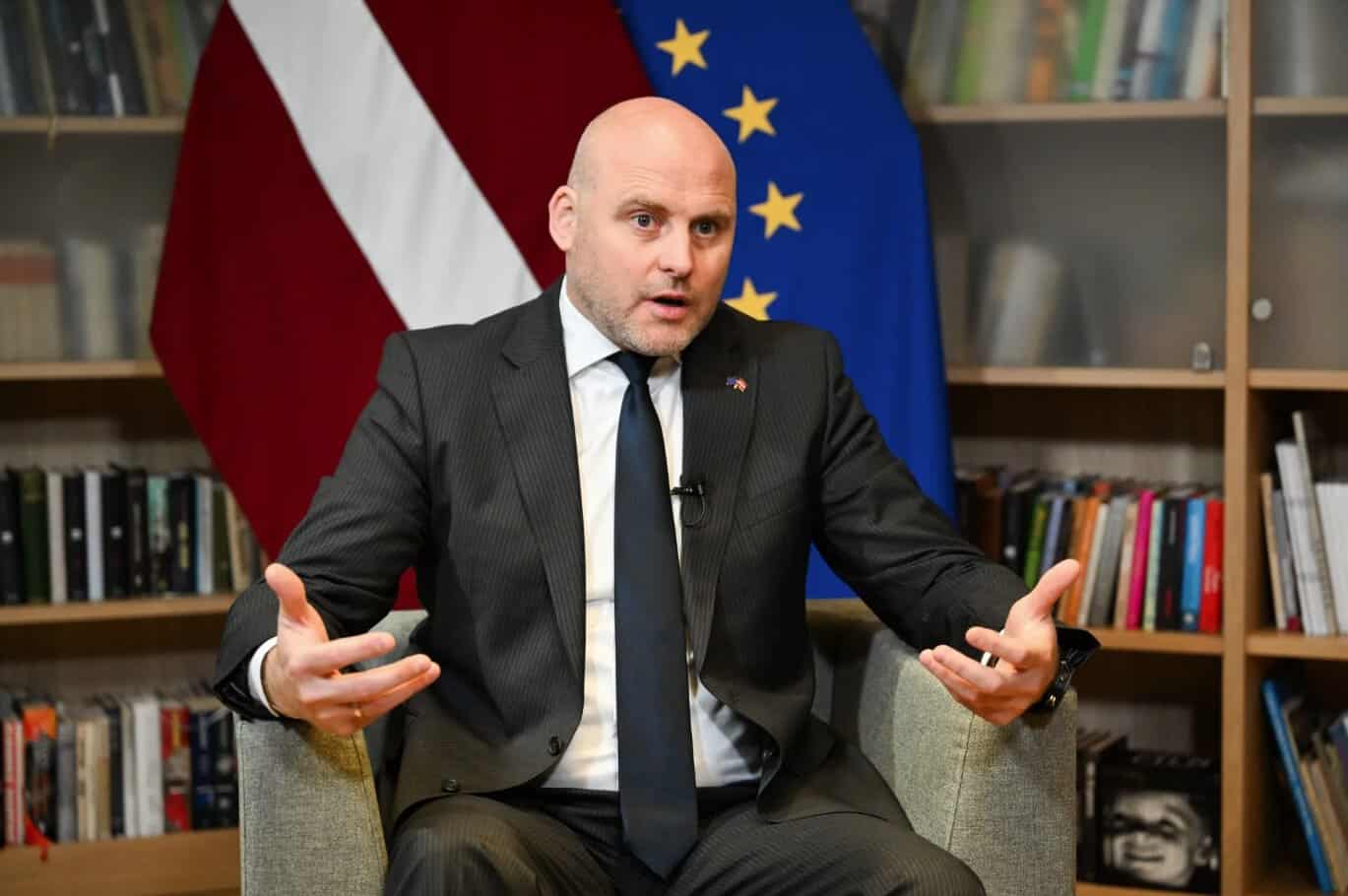
Prime Minister of Latvia Andris Kulbergs told reporters that the situation must be assessed comprehensively, taking into account both security aspects and the possible redistribution of cross-border traffic among the Baltic states, according to DELFI.
According to the prime minister, Latvia, Lithuania, and Estonia should strive for a coordinated approach to this issue. He also emphasized the need to obtain comprehensive assessments from the Ministry of Foreign Affairs and the Ministry of Transport, particularly regarding the potential consequences for transit and border crossings. Latvia’s Interior Minister Jānis Dombrava supports further progress on the issue of closing border crossing points with Russia. At the same time, he believes that the government must first develop a shared vision for this decision.
“The new government was approved very recently. I hope that we will be able to achieve this in the coming days,” Dombrava said.
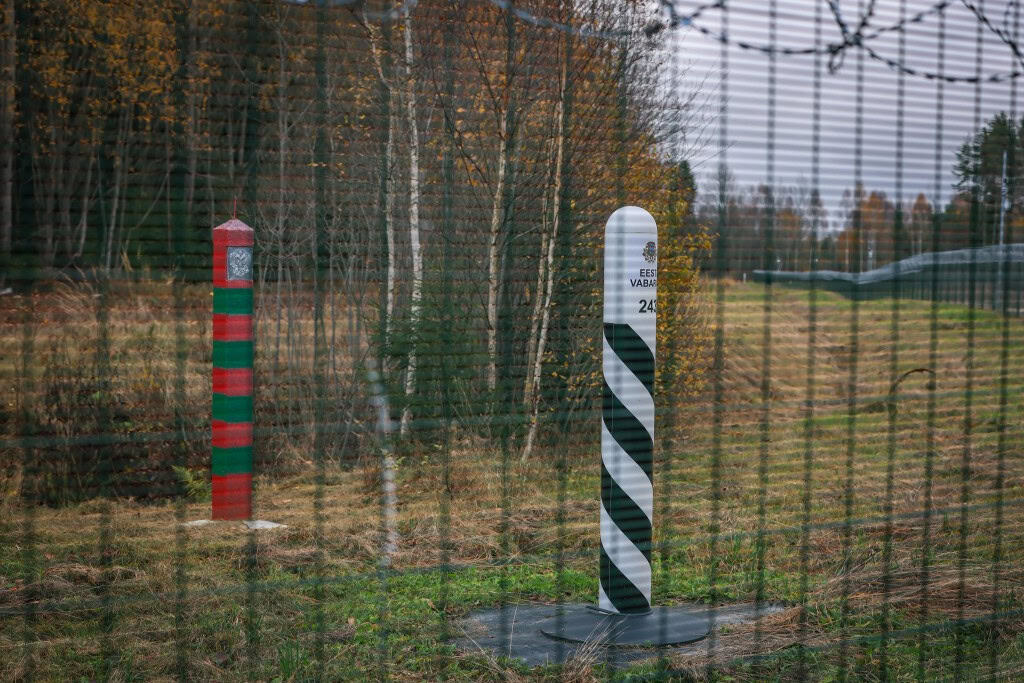
Meanwhile, the Estonian government decided last week to suspend vehicle traffic across the border with Russia starting at 7:00 a.m. on December 1.
The restrictions will apply at all land border crossings: Narva-1, Narva-2, Koidula, Luhamaa, and Saatsi.
In six months, the Estonian government will assess whether the restrictions need to be revised. Officials in Tallinn cite national security concerns and the need to maintain public order as the reasons for this decision.
This move was prompted, in particular, by Russia’s hostile actions against Estonia and other European countries. This year, Estonian defense industry facilities have suffered two attacks. According to the Estonian Security Police Department, both incidents were orchestrated by Russian intelligence services.
Last week, Guntis Pujats, Chief of the Latvian State Border Guard, commented on Latvian Radio about the possible consequences of the closure of the Estonian border. In particular, he explained that Latvian border guards would have to work overtime if an additional flow of people, who previously crossed the border in Estonia, were to be redirected through Latvia.
Pujats also noted that Latvia has an electronic queue management system in place for border crossings. However, its capacity is limited, so queues will be unavoidable if the number of people wishing to cross the border increases.
Commenting on the advisability of closing Latvian border crossing points on the border with Russia, the head of the Border Guard noted that such a fundamental decision must be made by the government. According to him, he has not yet received any information about the possible introduction of such restrictions.
At the same time, Pujats noted that if the border crossings were closed, it would, to some extent, make it easier for border guards to perform their duties. This would allow more personnel to be deployed to secure the so-called “green border”— areas where there are no established border crossings.
Підтримати нас можна через:
Приват: 5169 3351 0164 7408 PayPal - [email protected] Стати нашим патроном за лінком ⬇
Subscribe to our newsletter
or on ours Telegram
Thank you!!
You are subscribed to our newsletter