


Popular
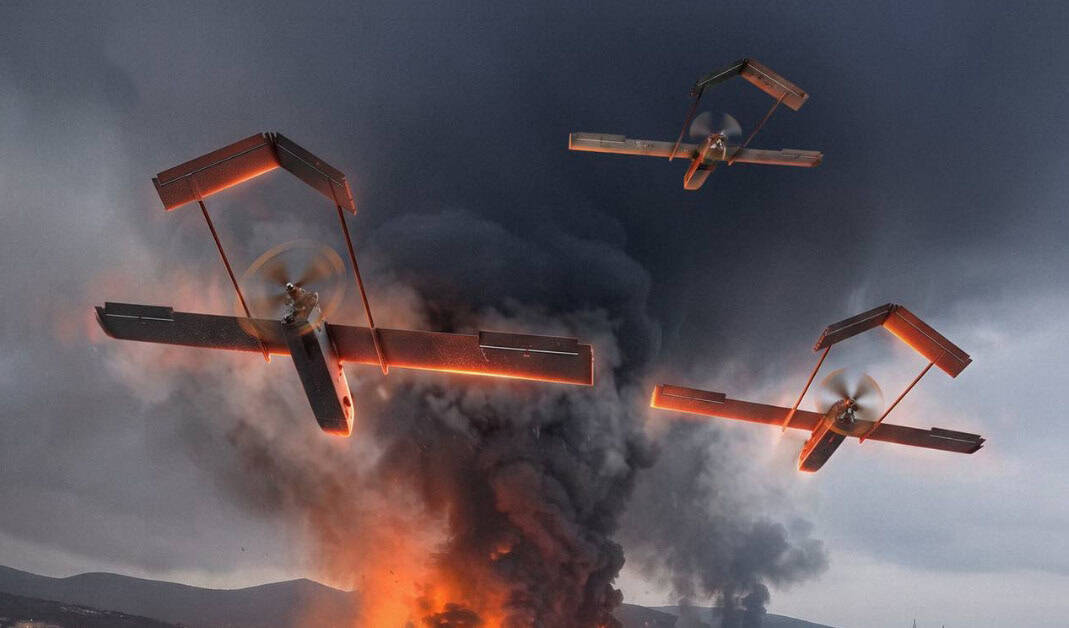
According to the mayor of Moscow, 600 Ukrainian drones were detected over a 24-hour period “in the direction of the Moscow region.” This is the largest number of Ukrainian strike drones to have headed toward the Russian capital since the beginning of the war.
Moscow Mayor Sergei Sobyanin reported the drone attack on his Telegram channel.
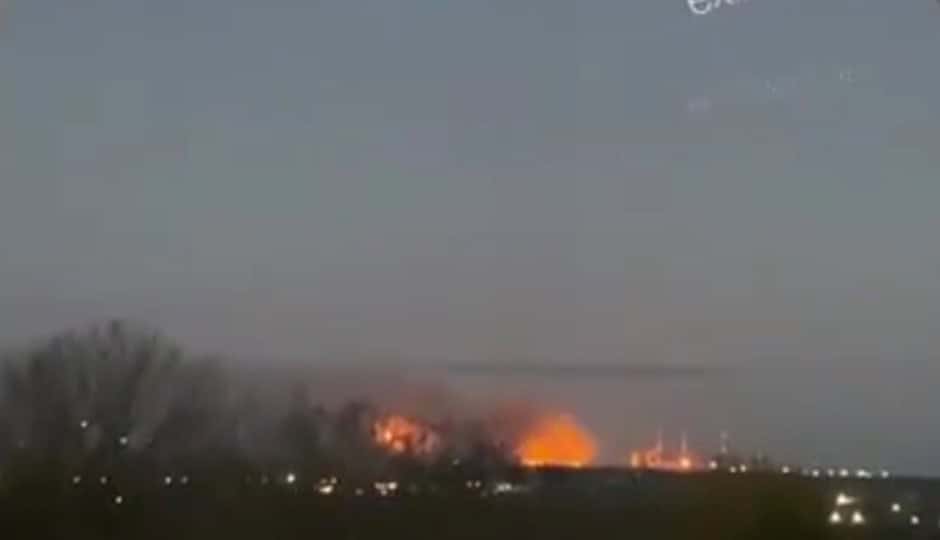
During the attack, Ukraine’s Defense Forces struck Wildberries warehouses in Koledino and the Severnoye Domodedovo logistics facility near Moscow.
This suggests that the intensity of Ukraine’s long-range strikes continues to increase in August. During July, 6,225 drones were launched toward Moscow and the Moscow region, while in just the first 16 days of August, at least 4,327 UAVs were launched toward the Moscow region.

The average daily number of drones targeting Moscow and neighboring regions increased from approximately 201 in July to 290 in the first half of August, an increase of nearly 44%.
The figures are part of a broader trend of intensifying Ukrainian strikes. OSINT analysts from the Oko Gora channel recorded 65 confirmed strikes by Ukrainian long-range drones and missiles in July, 55% more than in June.

The targets included 17 oil refineries, 16 logistics centers, 10 oil depots, nine ports, four defense industry enterprises, three vessels and two airfields.
These figures do not include the campaign of strikes against vessels in the Sea of Azov and Black Sea or attacks on temporarily occupied territories.
For comparison, during the first 15 days of August, analysts from ExileNova+ had already recorded at least 43 facilities struck by long-range drones and missiles.
These included 22 logistics infrastructure facilities, as well as oil refineries and military airfields. Compared with July, the average daily rate of confirmed strikes increased by approximately 37%.
Ukraine first surpassed Russia in the number of long-range drones launched in March 2026 and has maintained this lead consistently since May. At the same time, Russian forces have begun shifting their focus to the use of large numbers of jet-powered drones, which are more difficult to counter with interceptor drones.

On August 15, Flamingo cruise missiles struck an industrial site in Samara that houses the Aviakor and Progress Rocket Space Centre enterprises. The latter produces Soyuz-2 launch vehicles.
According to the Varta OSINT project, Progress is one of the key enterprises in Russia’s rocket and space industry. The company develops and produces launch vehicles, including the Soyuz-2 family, which are used to launch Russia’s equivalent of Starlink, the Rassvet communications satellites.
Підтримати нас можна через:
Приват: 5169 3351 0164 7408 PayPal - [email protected] Стати нашим патроном за лінком ⬇
Subscribe to our newsletter
or on ours Telegram
Thank you!!
You are subscribed to our newsletter