






Popular
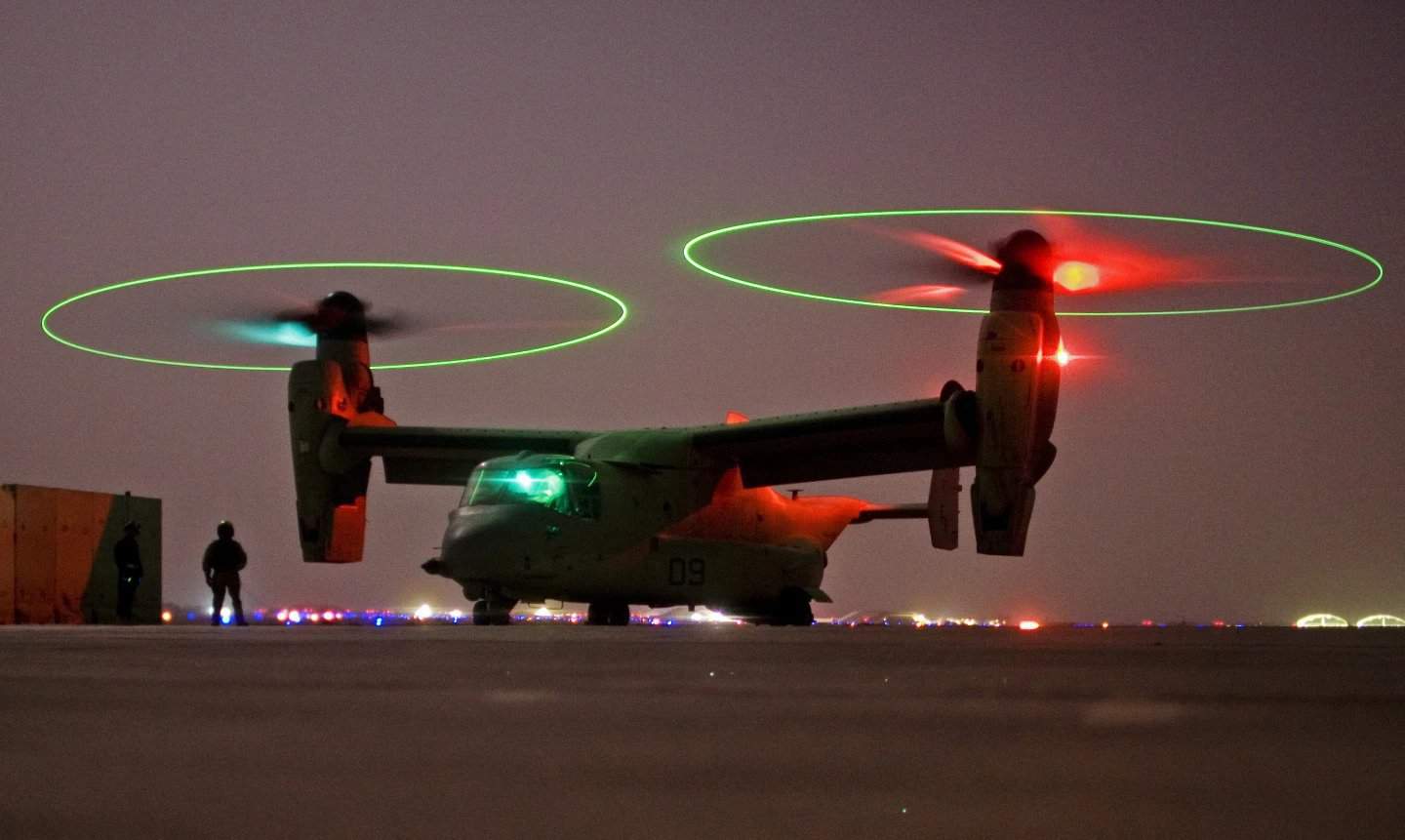
U.S. military officials and government auditors say the V-22 Osprey tiltrotor continues to face serious safety issues, and that some of these problems may not be resolved until the early or even mid-2030s.
According to Defense One, which cites recent reports by the U.S. Government Accountability Office (GAO) and the Naval Air Systems Command (NAVAIR), years of service and multiple upgrades have not eliminated several critical technical risks that directly affect flight safety.
The reports highlight ongoing concerns with the aircraft’s transmission, engines, flight control systems, maintenance processes, and the reliability of certain components when operating under harsh conditions.
The GAO concludes that some of the V-22’s fundamental design problems are complex and do not have near-term solutions.
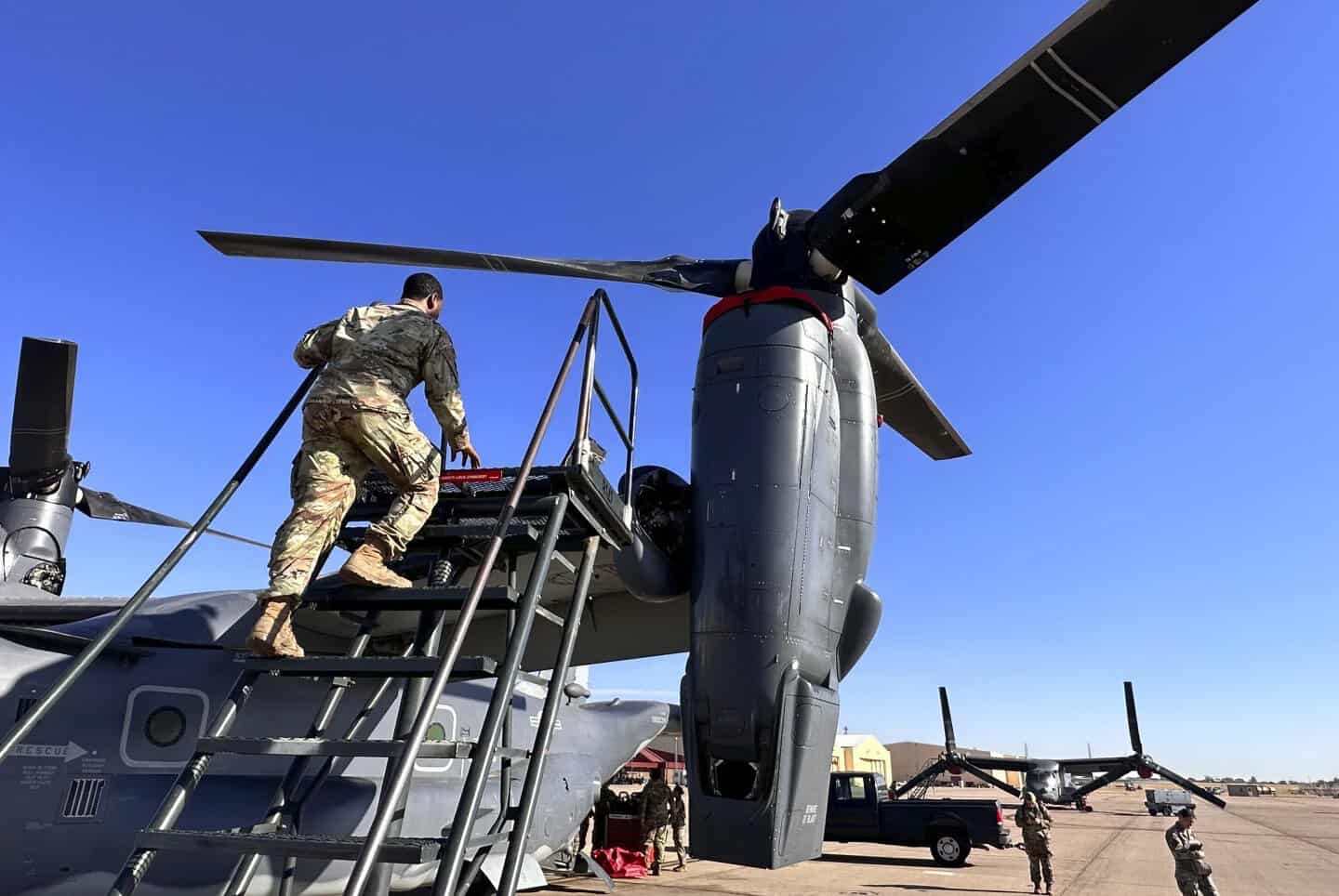
Even under optimistic forecasts, full implementation of all technical changes and upgrades is expected only after 2030. In some cases, the completion timelines may be pushed even further.
Particular concern is caused by the fact that the V-22 continues to be operated by the U.S. Marine Corps, the U.S. Navy, and the U.S. Air Force against the backdrop of accidents and crashes recorded in previous years.
Reports emphasize that the existing restrictions and temporary safety measures do not eliminate the root cause of the problems, but only reduce the risks.
The U.S. Navy leadership acknowledges the complexity of the situation and notes that the V-22 modernization requires significant financial resources, time, and technical solutions that cannot be implemented quickly.
Meanwhile, a complete abandonment of the platform is not currently being considered, as it remains important for troop transport, special operations, and logistics.
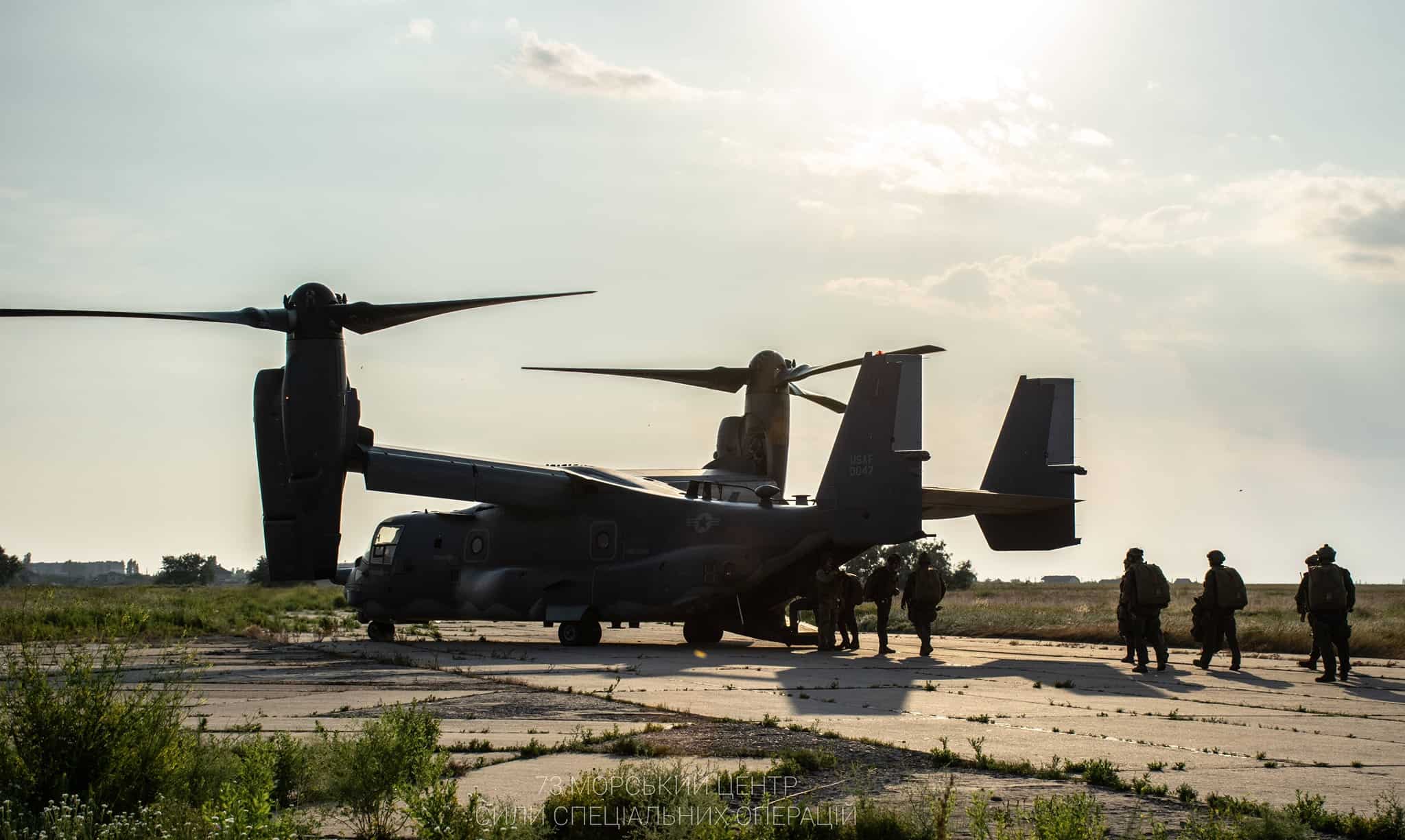
In recent years the V-22 has caused serious accidents resulting in human casualties: from 2019 to 2023, at least 20 service members died in four accidents. At the same time, it was precisely during the period between 2020 and 2023 that the tiltrotors logged annual flight hours exceeding 100,000.
Overall, more than 60 people have died in V-22 crashes since the start of its development and production, including accidents during testing in the 1990s and 2000s.
Over the years of operation, the U.S. has lost 16 tiltrotors of this type. In addition, 43 Class B incidents and 11 Class A incidents were recorded between 2000 and 2023.
A Class A mishap is an incident that results in the total loss of an aircraft or helicopter, fatalities, or property damage of $2.5 million or more.
A Class B mishap is an incident that does not involve the total loss of the aircraft but results in serious personnel injuries or property damage ranging from approximately $600,000 to $2.5 million.
Militarnyi previously reported that V-22 Osprey tiltrotors, whose flights were suspended in December 2024 following another technical malfunction, will remain grounded until 2026.
Підтримати нас можна через:
Приват: 5169 3351 0164 7408 PayPal - [email protected] Стати нашим патроном за лінком ⬇
Subscribe to our newsletter
or on ours Telegram
Thank you!!
You are subscribed to our newsletter