




Popular
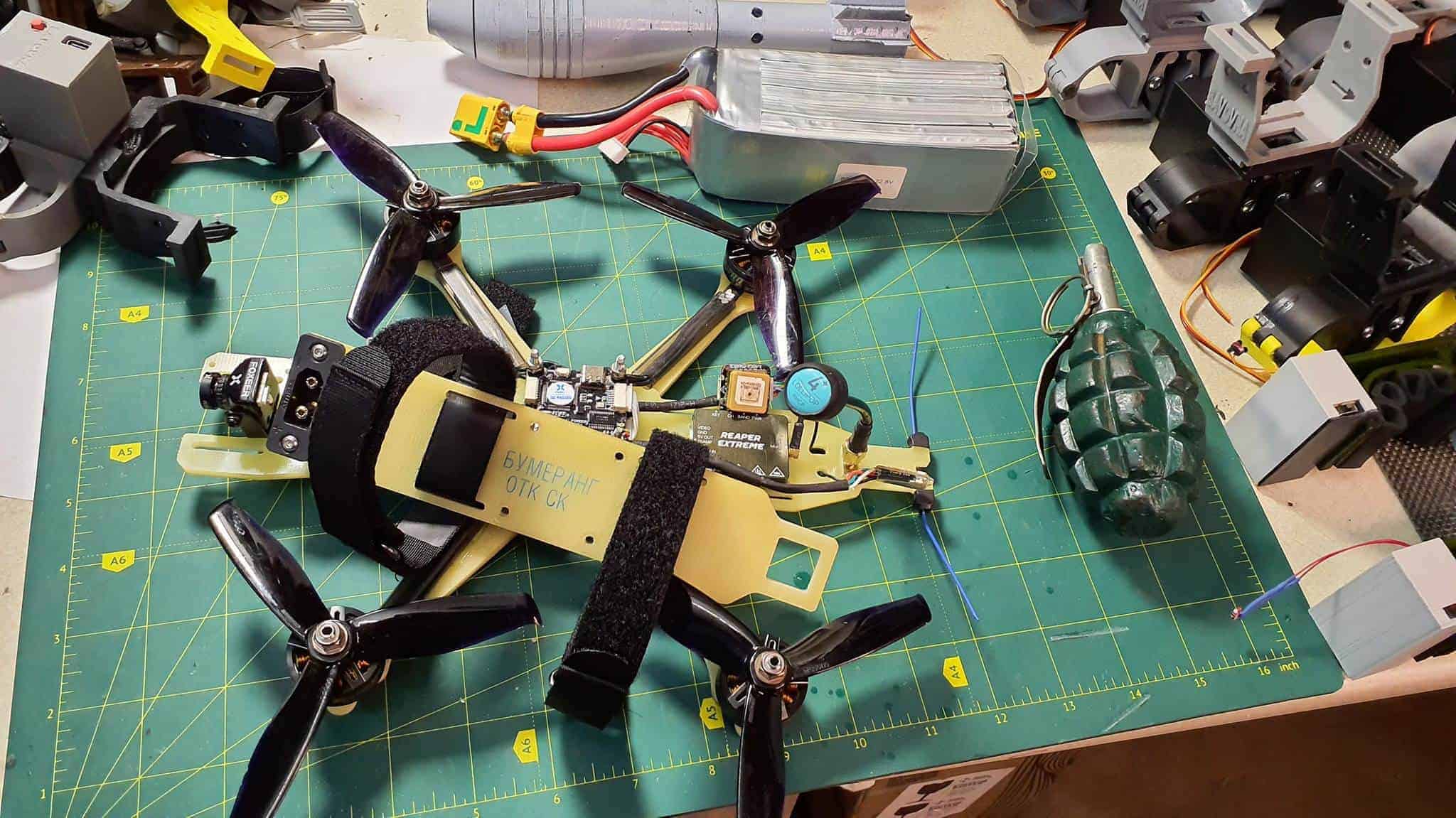
Russian serial Boomerang FPV drones have gained the ability to operate on frequencies of up to 7.2 GHz, which are not covered by most drone detectors.
Ukrainian radio technology specialist Serhii Flash published photos of the drone.
According to him, the drone received diversity signal reception, the ability to rapidly change operating frequencies by replacing antennas with pre-formed break lines, as well as a video channel operating above 6 GHz. Russian sources also report the use of a terminal guidance module.
The Boomerang is a serial quadcopter-type FPV drone primarily designed to strike ground targets. Russia’s Ministry of Defense first publicly demonstrated it in March 2023, and within weeks Ukrainian forces captured the first example as a trophy.

Early Boomerang drones had a simple fiberglass frame and consisted mainly of readily available Chinese-made commercial components.
According to leaked Russian documents, the 10-inch Boomerang-10 has a maximum takeoff weight of 6.5 kg, can carry up to 3 kg of payload, reach speeds of up to 150 km/h, and remain airborne for up to 20 minutes.
According to Russian specialized channels, the effective range of the Boomerang-10 reaches 17 kilometers.
The version in service as of July 2026 features telemetry antennas with pre-formed break lines, allowing them to be adjusted in the field for the required frequency range.
An antenna operating in the 6-7.2 GHz range is used for video transmission. Most portable FPV drone detectors, especially earlier generations, have an upper detection limit of around 6 GHz and therefore cannot detect the video signal of these drones.
At the same time, some newer-generation detectors already have a fourth channel covering the 7.2 GHz range and above.


Another important upgrade was the terminal guidance system, the use of which on this type of drone became known in early 2025. It allows the effects of portable electronic warfare systems, which are often used to protect vehicles and other assets, to be significantly reduced.
Overall, the Boomerang FPV drone family includes kamikaze drones, light bomber-minelayer drones, reconnaissance drones and interceptors.
According to an investigation by The Insider, production of Boomerang drones is linked to Russian entrepreneur Aleksandr Atamanov. In 2023, his company “Intellekt Mashin” transferred a license to assemble these drones to an educational institution in Chukotka.
Підтримати нас можна через:
Приват: 5169 3351 0164 7408 PayPal - [email protected] Стати нашим патроном за лінком ⬇
Subscribe to our newsletter
or on ours Telegram
Thank you!!
You are subscribed to our newsletter