






Popular
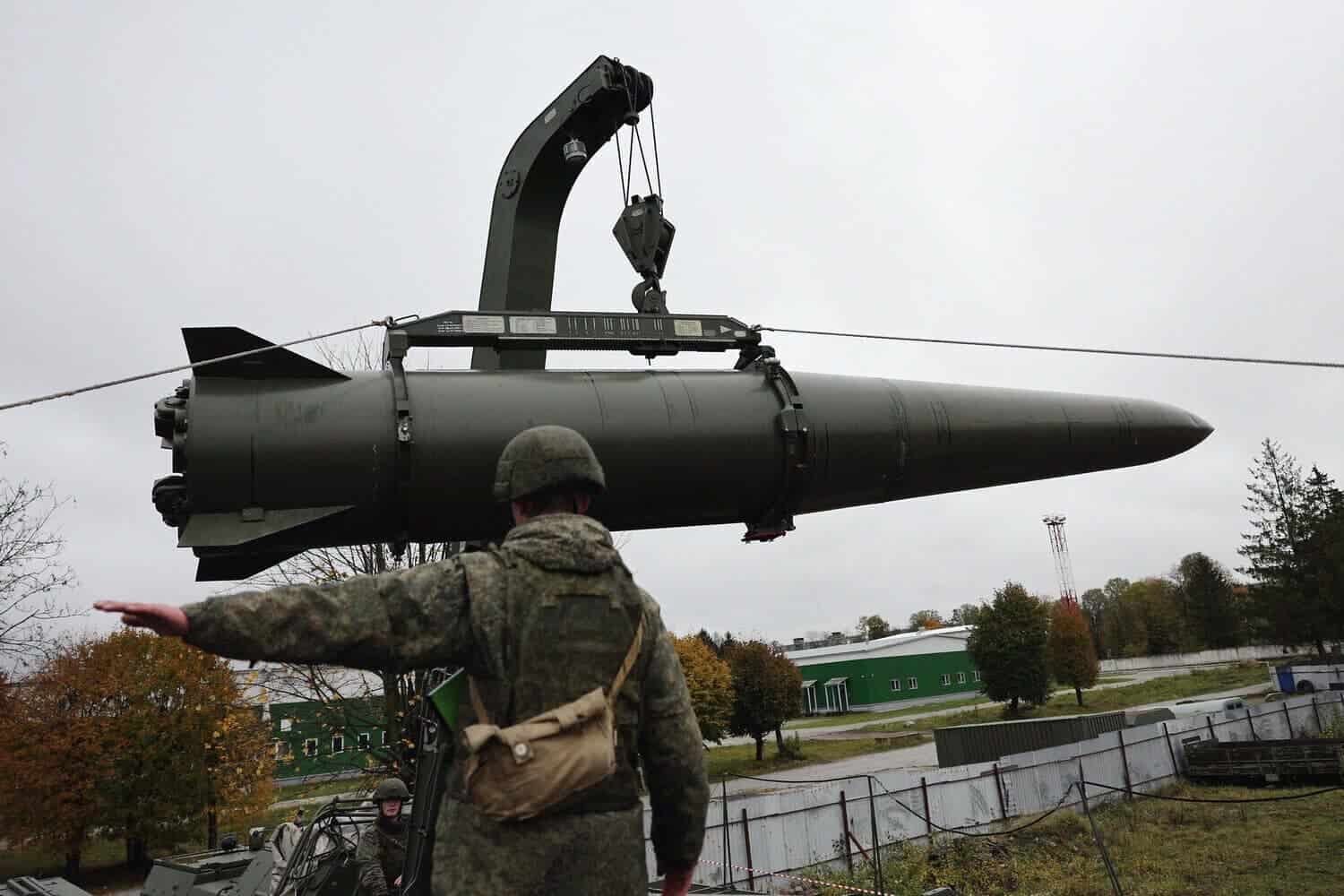
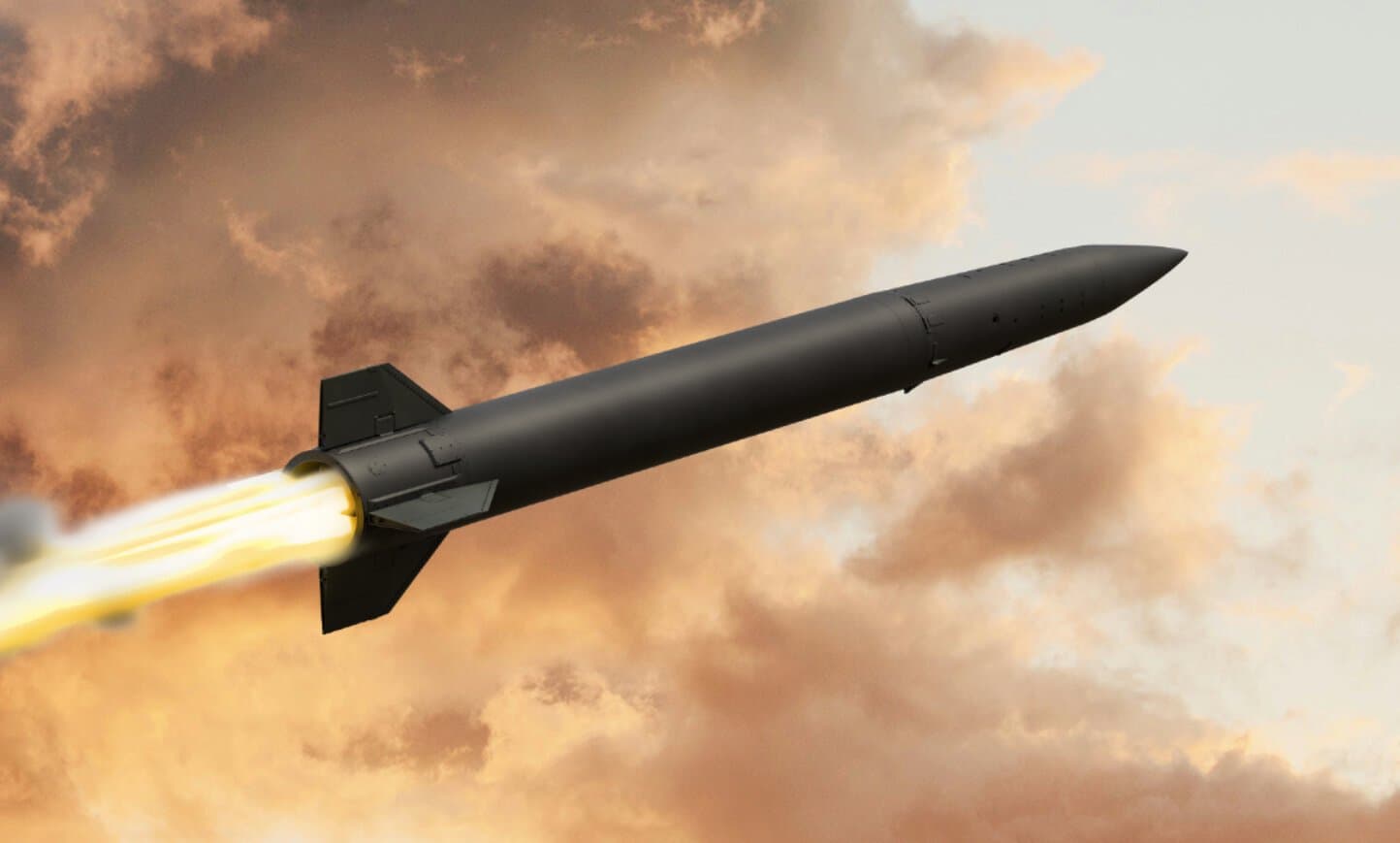
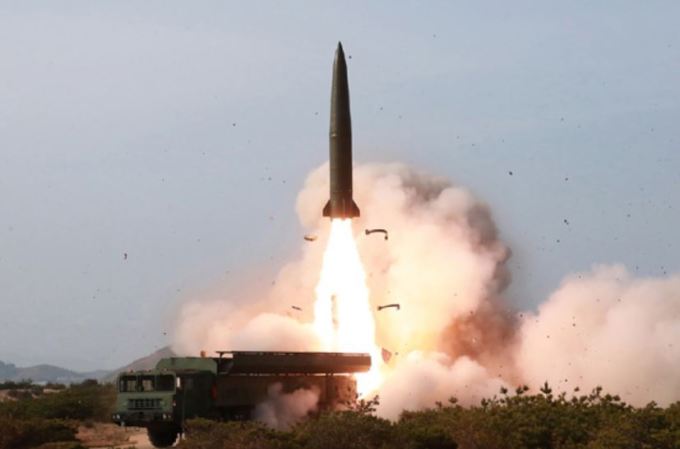
Russia has equipped the 9M723 Iskander-M ballistic missile with a new autonomous guidance system, Kometa-M12R-VT.
Colonel GSh Telegram channel reported on this.
The main upgrade is a 12-element multi-channel digital antenna array (DAA) installed in the missile’s nose section. It is designed to receive satellite navigation signals during the initial and mid-course phases of flight, improving accuracy and resistance to electronic interference.
In the terminal phase, the Kometa-R8 tail section is used and equipped with two four-element ARP-4T heat-resistant antenna arrays. The previous version was the Kometa-MR12, where “M” stands for “modernized” and “R” for “missile.”
The “VT” index likely refers to a heat-resistant or high-temperature modification. The author of the report noted that suppressing such a system across its operating frequency range may require simultaneous operation of more than 11 high-power electronic warfare sources.
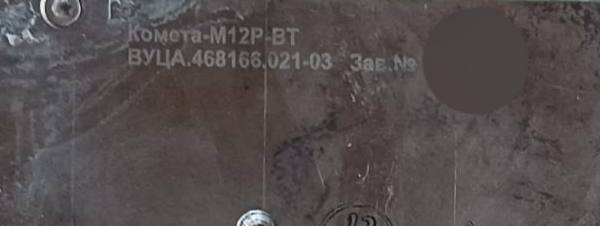

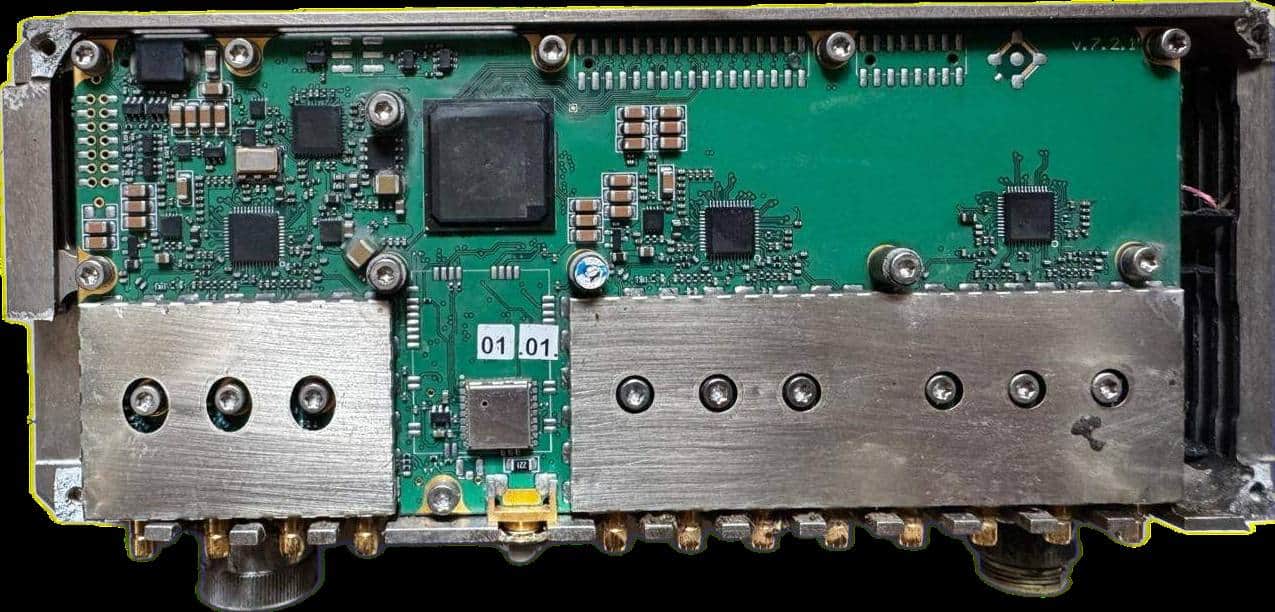

Kometa navigation modules are used across several Russian weapons systems, including drones and guided aerial bombs.
In April 2024, Russia reportedly upgraded its guided bombs with 12-channel CRPA Kometa antennas integrated into Unified Planning and Correction Modules (UMPK) to counter electronic warfare systems.
However, this configuration is not the maximum. In March 2025, reports indicated that Russian Shahed-type loitering munitions were equipped with 16-element CRPA antenna arrays.
Related article: “Kometa – Challenge for Ukrainian EW”.
Earlier, Russia had used Chinese-made 8-element CRPA antennas, identified in January 2025.
Ukrainian Defense Forces continue to counter these systems through a combination of electronic warfare development and strikes on production facilities that manufacture such components.

For example, on June 10, 2026, FP-5 Flamingo cruise missiles reportedly struck the VNIIR-Progress defense enterprise in Cheboksary, Chuvash Republic.
The facility produces GNSS receivers and antennas for Russia’s military, including systems compatible with GLONASS, GPS, and Galileo satellite navigation.
A similar strike was launched on November 26, 2025.
Підтримати нас можна через:
Приват: 5169 3351 0164 7408 PayPal - [email protected] Стати нашим патроном за лінком ⬇
Subscribe to our newsletter
or on ours Telegram
Thank you!!
You are subscribed to our newsletter