



Popular
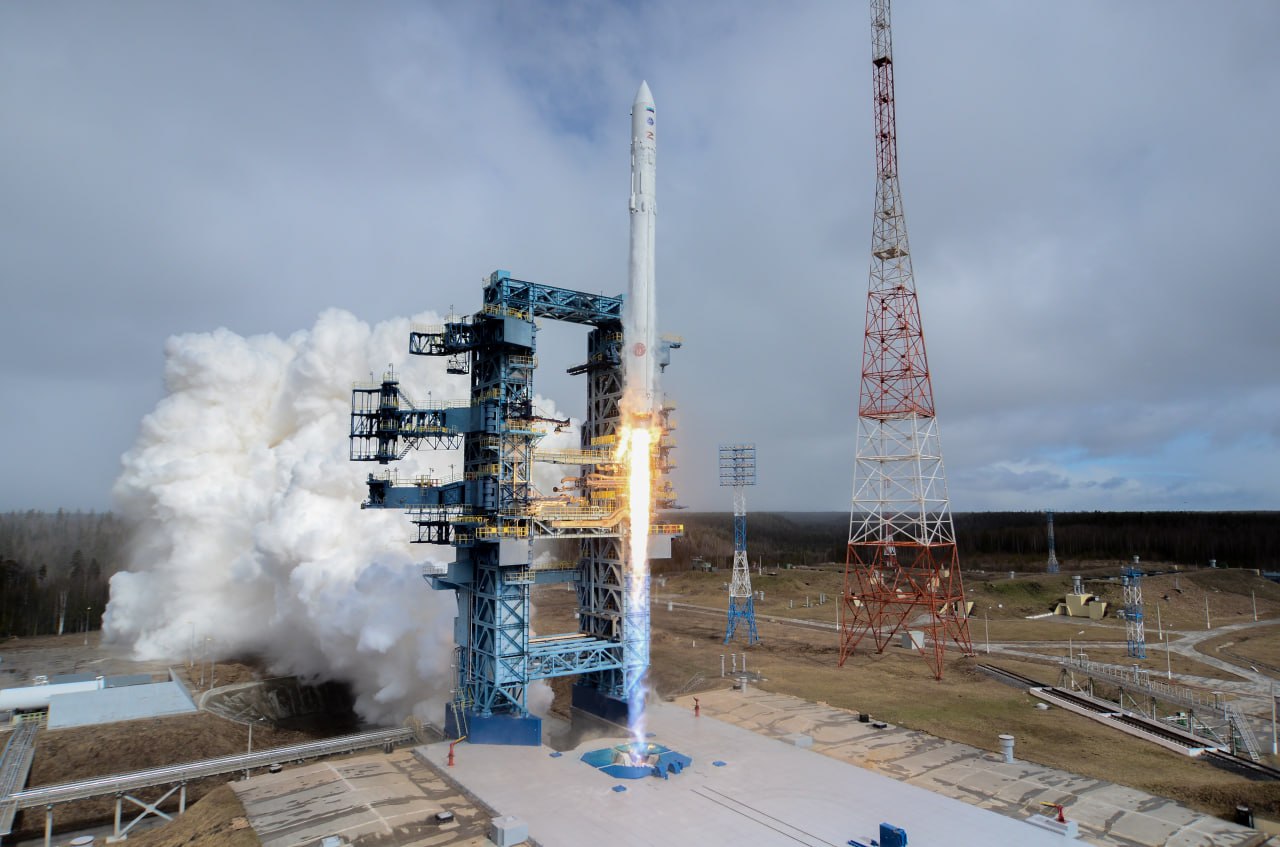
The Russian Aerospace Forces conducted the launch of the Angara-1.2 carrier rocket from the Plesetsk Cosmodrome
This was reported on the official Telegram page of the Ministry of Defence of the Russian Federation.
The launch took place on Thursday, April 23, 2026. The launch vehicle placed a military payload into orbit.
After reaching the calculated coordinates, the object came under the control of ground-based assets of the Aerospace Forces.
The Russian Ministry of Defense emphasized that stable telemetric communication has been established and is being maintained with the spacecraft.
Traditionally, the Russian government and the defense ministry conceal the purpose of the spacecraft they send into space. However, Western organizations typically classify such satellites as military or dual-use objects.
The Angara-1.2 is a two-stage light-class launch vehicle used to deliver payloads of up to 3.5 tons into low Earth orbit.
This rocket supports Russia’s plans to expand the Rassvet satellite constellation. These satellites are considered analogues of the American Starlink system, although the Russian development has not yet reached such a scale.
In the future, this process is planned to be accelerated through the active use of the Angara-A5 rocket with a payload capacity of 24.5 tons for the mass launch of satellites into space.
Earlier, Militarnyi reported: at the end of March 2026, the Russian company Bureau 1440 launched the first satellites of the Rassvet low-Earth orbit constellation into orbit.
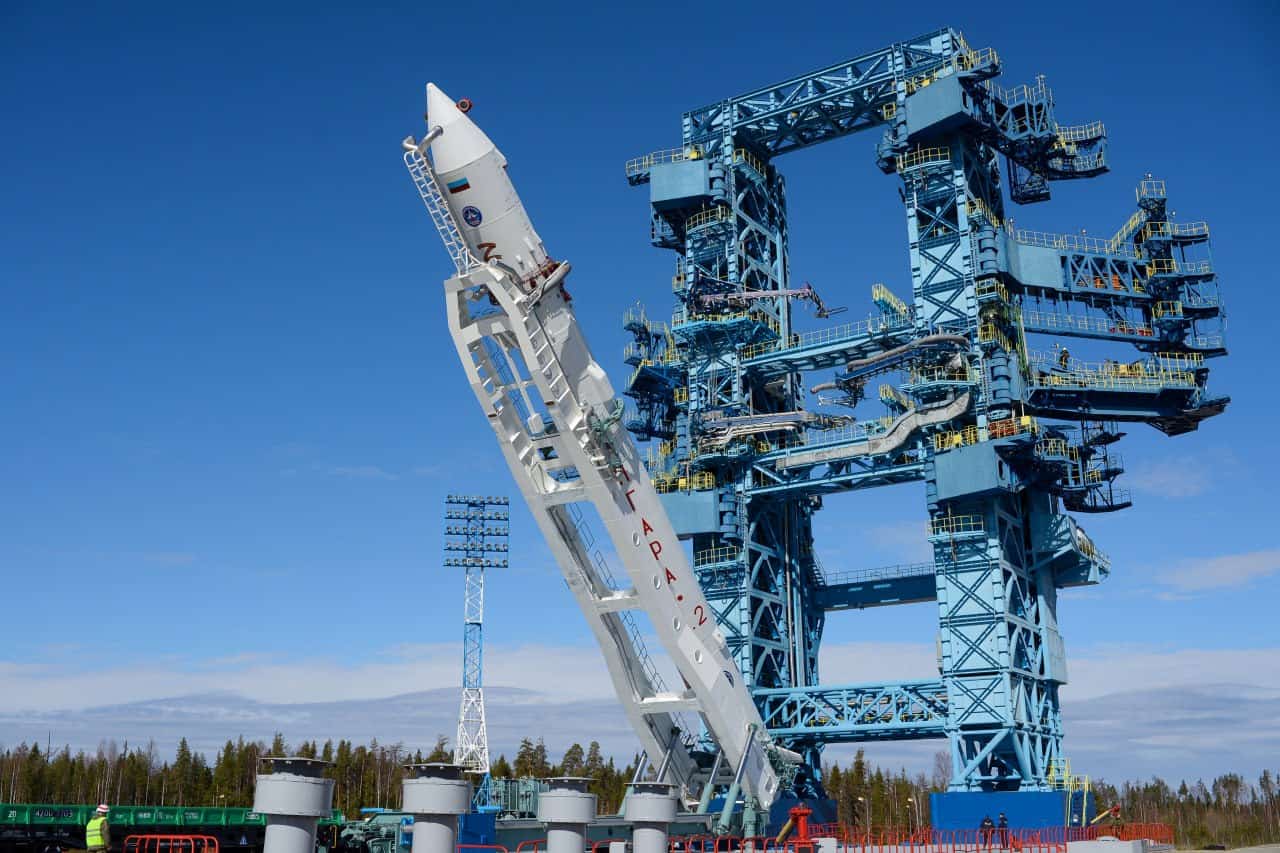
After reaching their target orbit, 16 spacecraft successfully separated from the Soyuz-2.1b launch vehicle and came under the control of the company’s Flight Control Center.
According to plans, the constellation will initially consist of 350 satellites.
More than 250 satellites will be deployed by 2027—the planned launch date for the commercial service. By 2035, the constellation could exceed 900 units.
Підтримати нас можна через:
Приват: 5169 3351 0164 7408 PayPal - [email protected] Стати нашим патроном за лінком ⬇
Subscribe to our newsletter
or on ours Telegram
Thank you!!
You are subscribed to our newsletter