







Popular
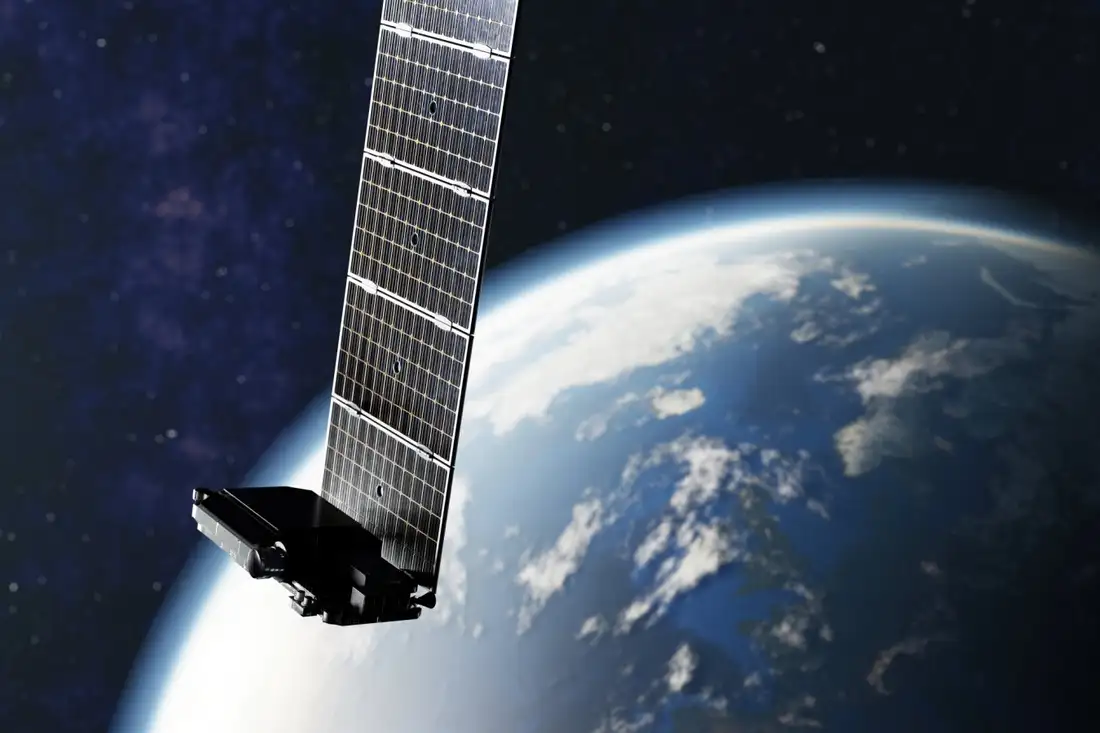
The ability of Russian satellites to perform coordinated active maneuvers raises concerns about a potential attack on Starlink satellites.
Major General Michael Traut, commander of the German Space Command, spoke about this in an interview with Reuters.
According to him, in May 2026, a group of Russian military satellites tracked a Western satellite assisting Ukraine, demonstrating capabilities that could threaten commercial satellite constellations.
General Traut stated that a direct attack on a Starlink satellite would constitute a significant escalation, but Moscow could employ gray zone tactics.
He described a hypothetical scenario in which a Russian satellite would shift into Starlink’s orbital path and then break up into debris. This would force the satellites to perform evasive maneuvers, consuming fuel and potentially shortening their operational lifespan.
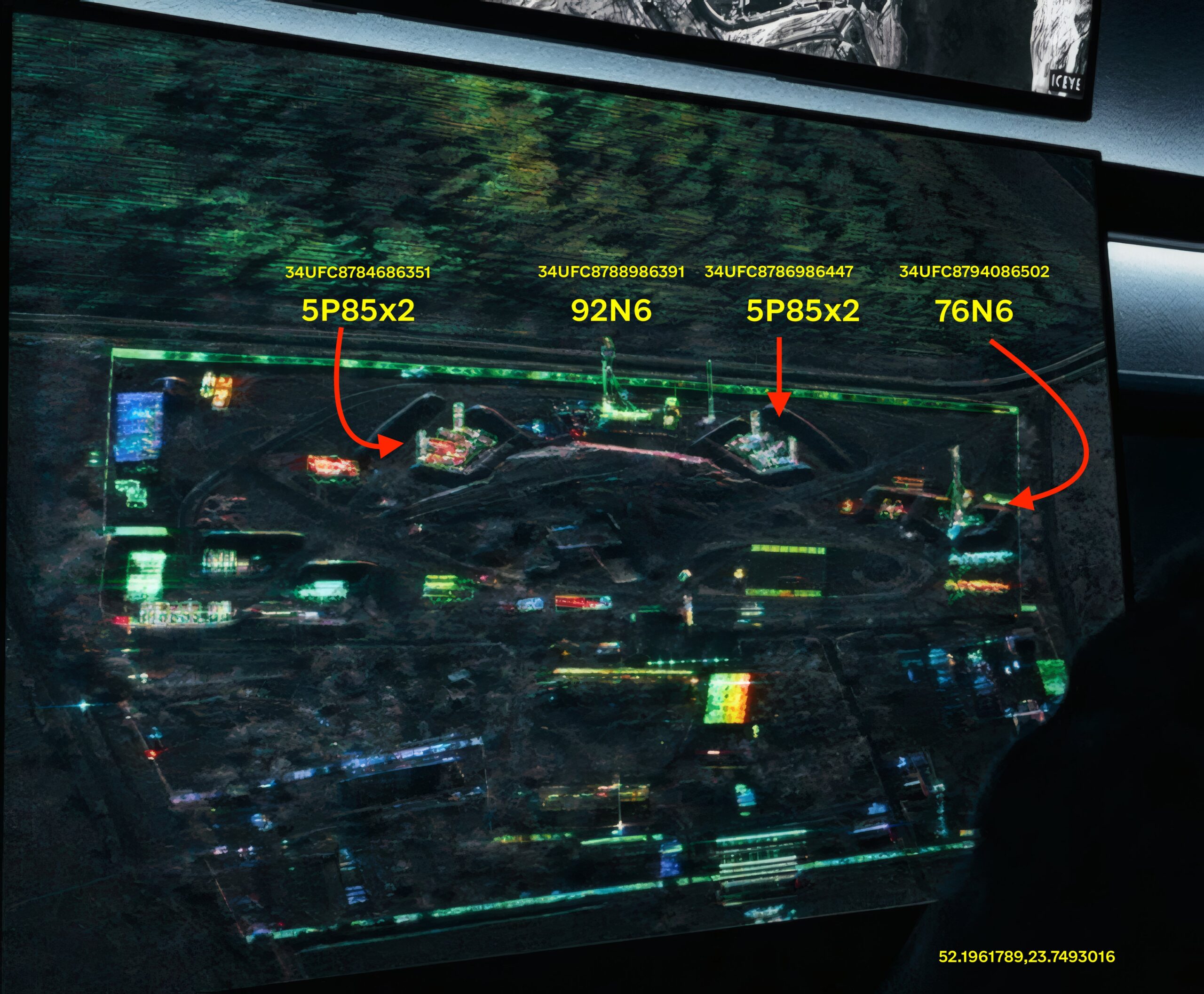
According to the U.S. Space Force, in May, Russia maneuvered four military satellites — Cosmos 2610–2613 — bringing them closer to a commercial radar imaging satellite operated by the Finnish company ICEYE.
ICEYE CEO Rafal Modzewski told Reuters that the company subsequently changed the position of its satellite, after which the Russian satellites performed additional maneuvers.
According to him, this incident demonstrated that satellites are increasingly likely to maneuver close to one another to observe or potentially cause damage. Modzewski noted that this incident underscores the need to monitor activity in orbit and raises questions about the need for protection.
According to Western military officials, Russia’s interference with Western space systems has significantly intensified since its full-scale invasion of Ukraine in 2022.
They note that this includes jamming via ground-based assets and in-orbit surveillance to gather intelligence and test the West’s limits of tolerance.

In early September, the U.S. simulated a Russian nuclear explosion in space and its impact on satellites. The simulation shows that the radiation belt created by the explosion could cause 11,000 satellites to fail within a week.
Separately, the authors suggest that Moscow could use a space-based nuclear threat against Starlink to force Washington or SpaceX to limit their support for Ukraine.
Підтримати нас можна через:
Приват: 5169 3351 0164 7408 PayPal - [email protected] Стати нашим патроном за лінком ⬇
Subscribe to our newsletter
or on ours Telegram
Thank you!!
You are subscribed to our newsletter