


Popular

U.S. analysts conducted a simulation of a nuclear explosion in space triggered by Russia, which would cause significant damage to satellite infrastructure.
The results of the study are outlined in a report by the American Foreign Policy Council (AFPC).
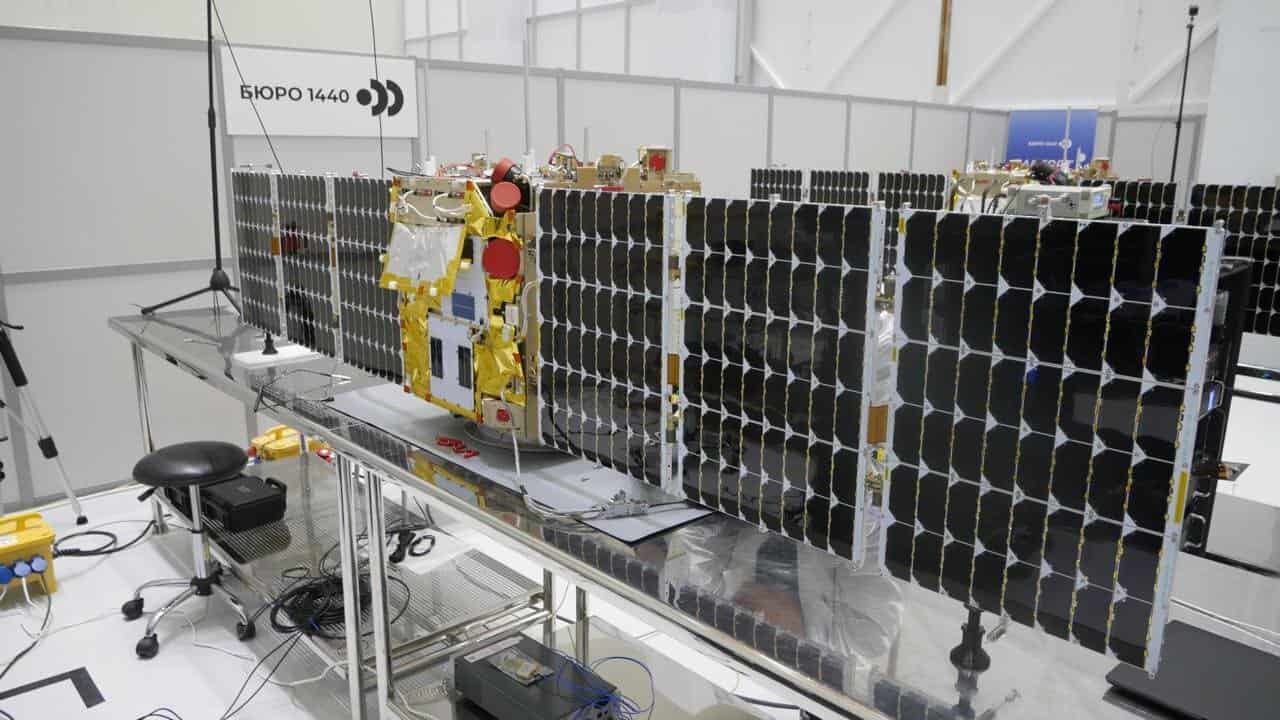
In the simulation, a fictional Russian satellite, Kosmos-2567, carries out a nuclear detonation with a yield ranging from 500 kilotons to 2 megatons at an altitude of about 400 km, causing widespread destruction of U.S. satellite infrastructure.
Separately, the authors suggest that Moscow could use a space-based nuclear threat against Starlink to force Washington or SpaceX to limit their support for Ukraine.
The simulation shows that the radiation belt created by the explosion could cause 11,000 satellites to fail within a week.
According to the report, the U.S. lacks the means to mitigate the consequences of a nuclear explosion in orbit.
The proposed concept explicitly outlines a task for U.S. Space Command, in coordination with the Department of Defense: to launch a program to counter space-based nuclear threats within a year.
Options for neutralizing a Russian nuclear device include cyber capabilities, lasers, electronic warfare, jamming, and kinetic interception. The AFPC also proposes considering the adaptation of the Golden Dome architecture to detect and neutralize nuclear space threats.

Among the document’s practical recommendations is to create a plan in advance for deorbiting large commercial satellite constellations in the event of a nuclear detonation threat.
The possibility that Russia could launch a nuclear device into orbit was confirmed by the Pentagon as early as 2024.

In the Decree on Space Superiority of December 2025, the country’s relevant agencies were tasked with developing “a space security strategy that takes into account the interests of the United States in space, from space, and into space,” as well as “a technology plan to detect, characterize, and counter an adversary’s potential deployment of nuclear weapons in space.”
At the same time, the U.S. is developing a new nuclear strategy that places significant emphasis on the possible use of tactical nuclear weapons.
Підтримати нас можна через:
Приват: 5169 3351 0164 7408 PayPal - [email protected] Стати нашим патроном за лінком ⬇
Subscribe to our newsletter
or on ours Telegram
Thank you!!
You are subscribed to our newsletter