




Popular
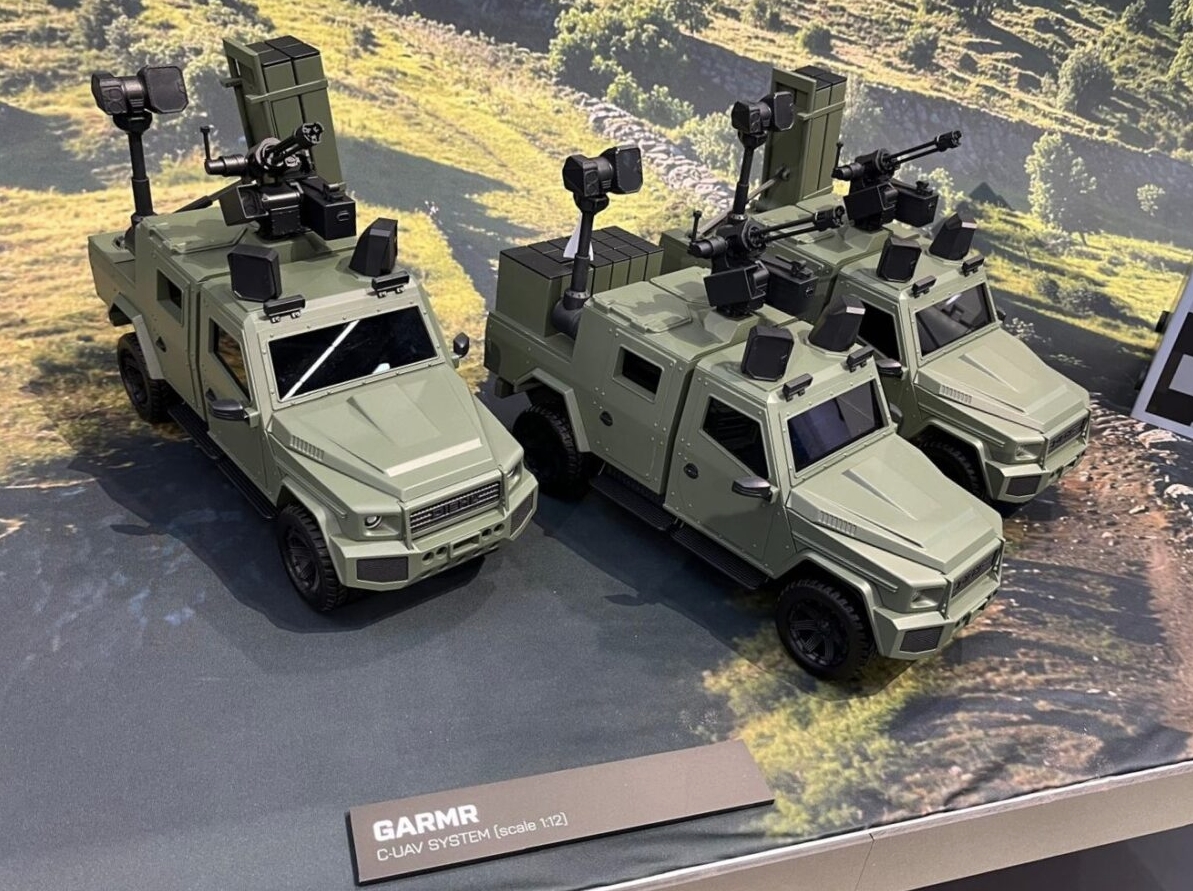
Destinus and Diehl Defence have joined forces to develop air defense systems for the European market.
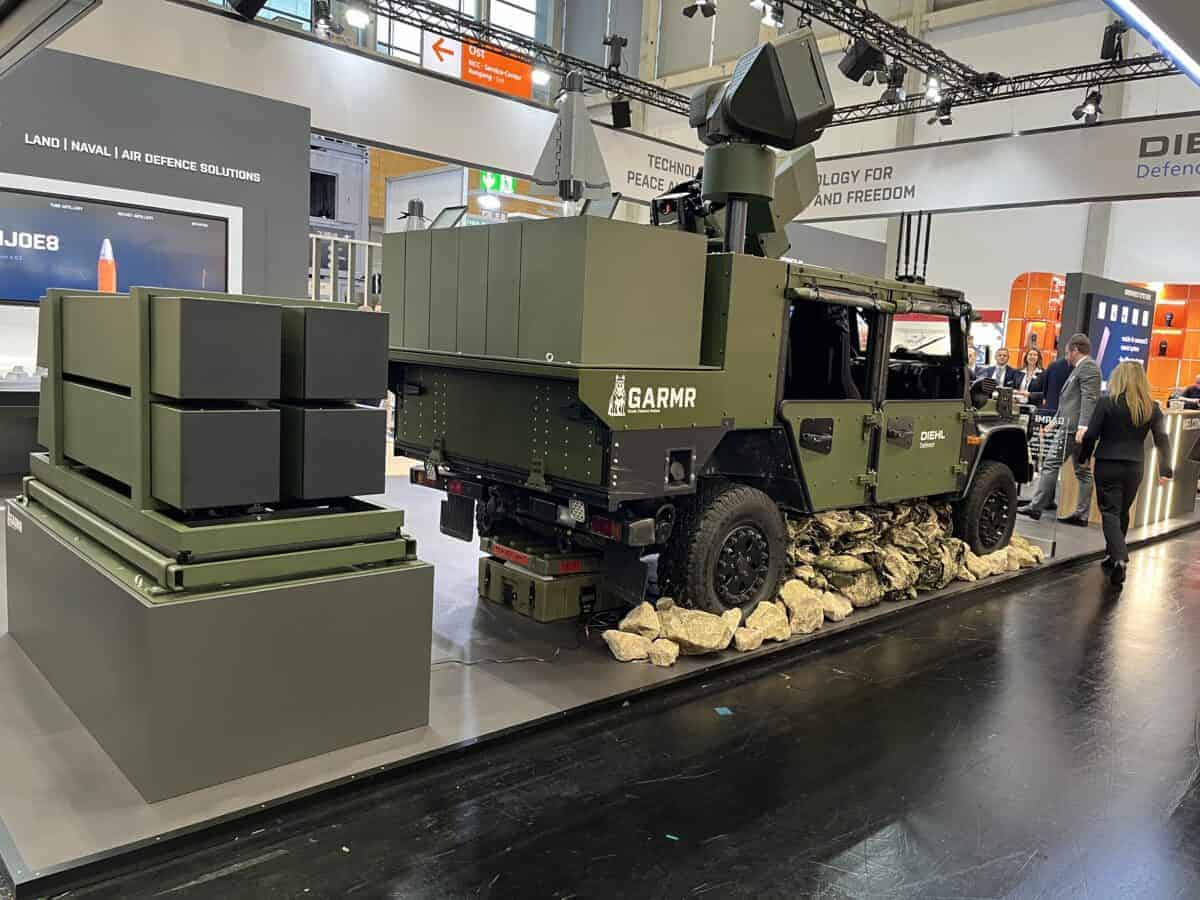
The first step will be integrating the Destinus Hornet interceptor into the Diehl Defence GARMR system as an additional effector, the companies shared.
The agreement also lays the foundation for the future use of Hornet as an additional means of engagement in IRIS-T air defense systems.
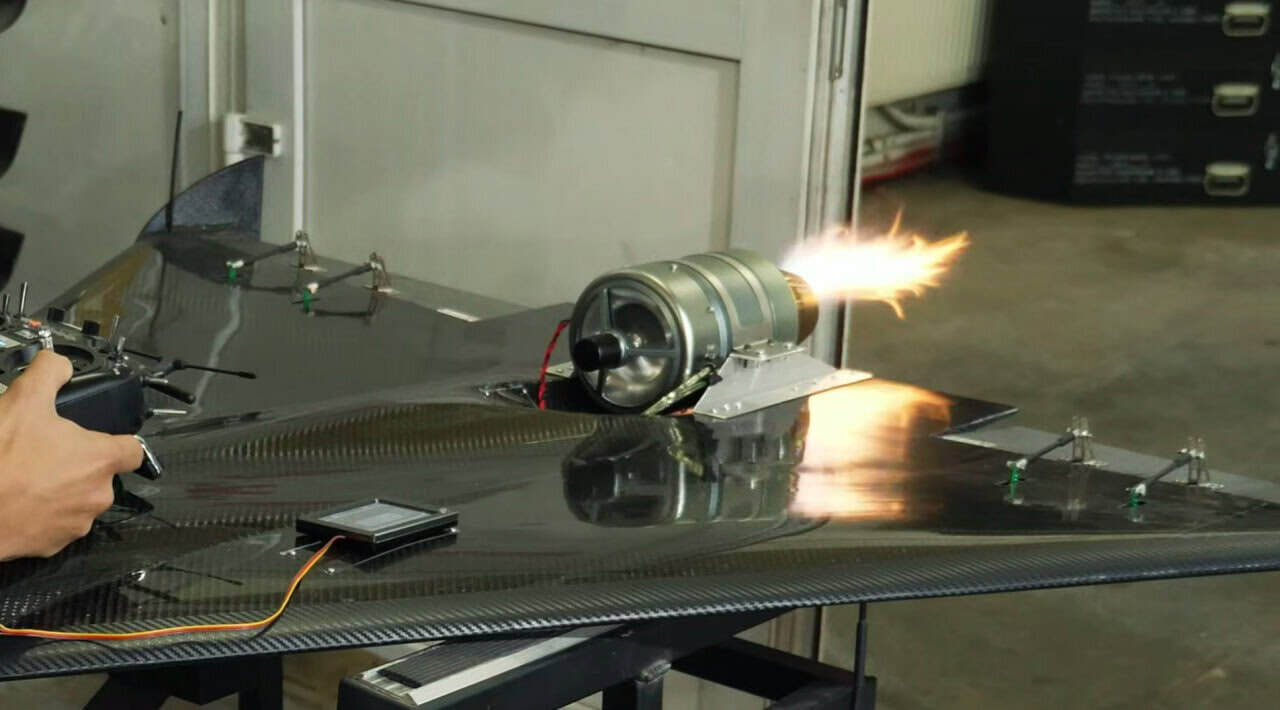
Hornet was developed to fill a critical niche in the modern threat spectrum — intercepting high-speed aerial targets, in particular jet-powered kamikaze drones and guided aerial bombs.
The use of expensive interceptor missiles against such threats can ensure successful target destruction, but is not a scalable solution in the context of mass attacks.
Hornet forms a second layer of effectors, increasing the system’s ammunition capacity and preserving expensive interceptors for targets that require them.
“Modern air defense is no longer just a question of capability. It is a question of capability and the cost per interception,” Destinus CEO Mykhailo Kokorych said.
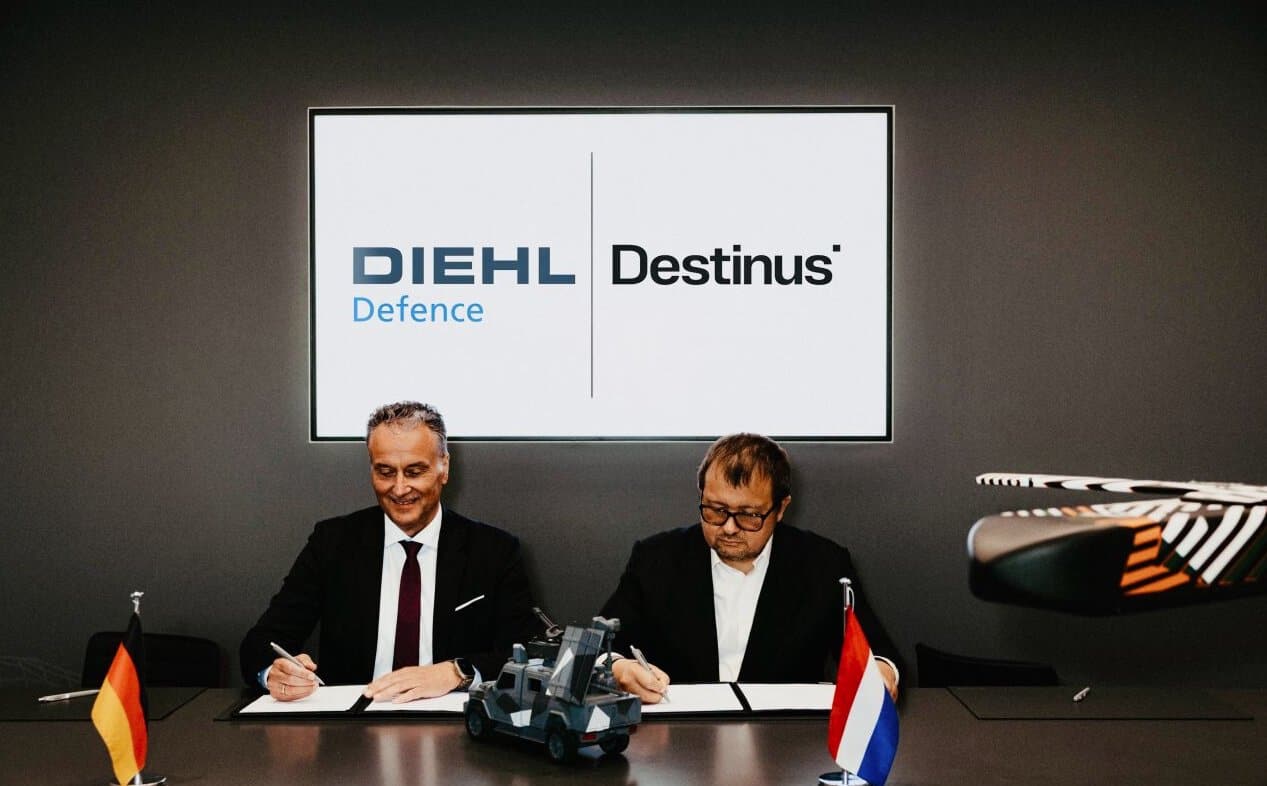
The integration is based on the GARMR modular architecture with standardized interfaces, which enables the use of different effectors and employment concepts within a single command-and-control system.
The GARMR mobile system, built on an SUV platform, follows a modular design.
Hornet Block 2 interceptor drone by Destinus. Picture credits: Destinus
It combines 7.62 mm and 12.7 mm machine guns with Cicada interceptor drones, and now also with Hornet interceptors.
The system builds an air picture using radar and electro-optical sensors and can operate within an integrated air defense network.
Artificial intelligence algorithms automatically detect and prioritize targets, while the decision to engage remains with the crew.
Підтримати нас можна через:
Приват: 5169 3351 0164 7408 PayPal - [email protected] Стати нашим патроном за лінком ⬇
Subscribe to our newsletter
or on ours Telegram
Thank you!!
You are subscribed to our newsletter