




Popular
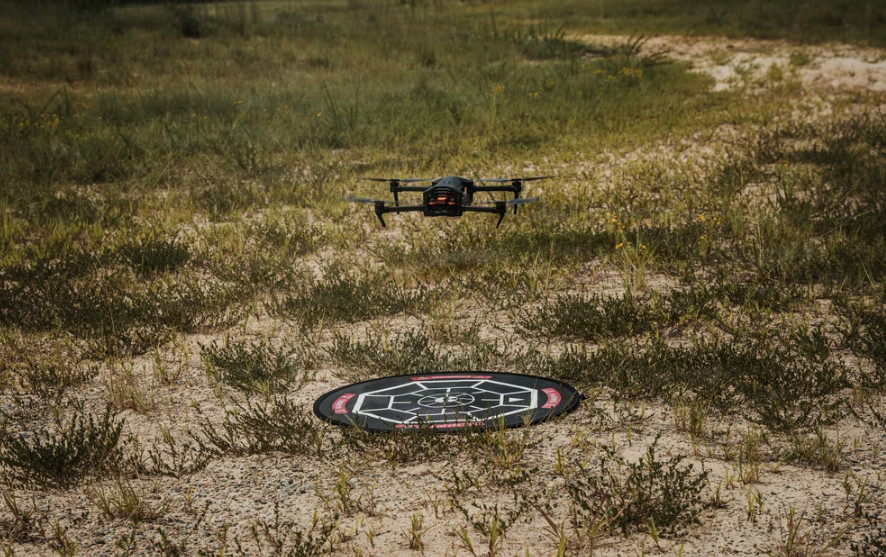
The U.S. conducted tests of unmanned systems for mine clearance and drone interception as part of the Sandhills Project.
Participants in the tests reported on the progress of the trials in an interview with Defense Daily.
The 20th Engineer Brigade of the U.S. 18th Airborne Corps, which uses various UAVs and UGVs for engineering tasks, was involved in the exercises. On August 21, engineers tested the Safe Pro AI-based mine detection technology on an UGV in conjunction with a Black Widow UAV to assess routes and determine the boundaries of minefields.
“In particular, when it comes to operations that are not fully autonomous, we want to ensure that a human remains in the control loop. Before using any lethal means, such as detonating a linear charge, we want to ensure that a human confirms such an action,” said Colonel Jeff Burgess, commander of the 20th Engineer Brigade.
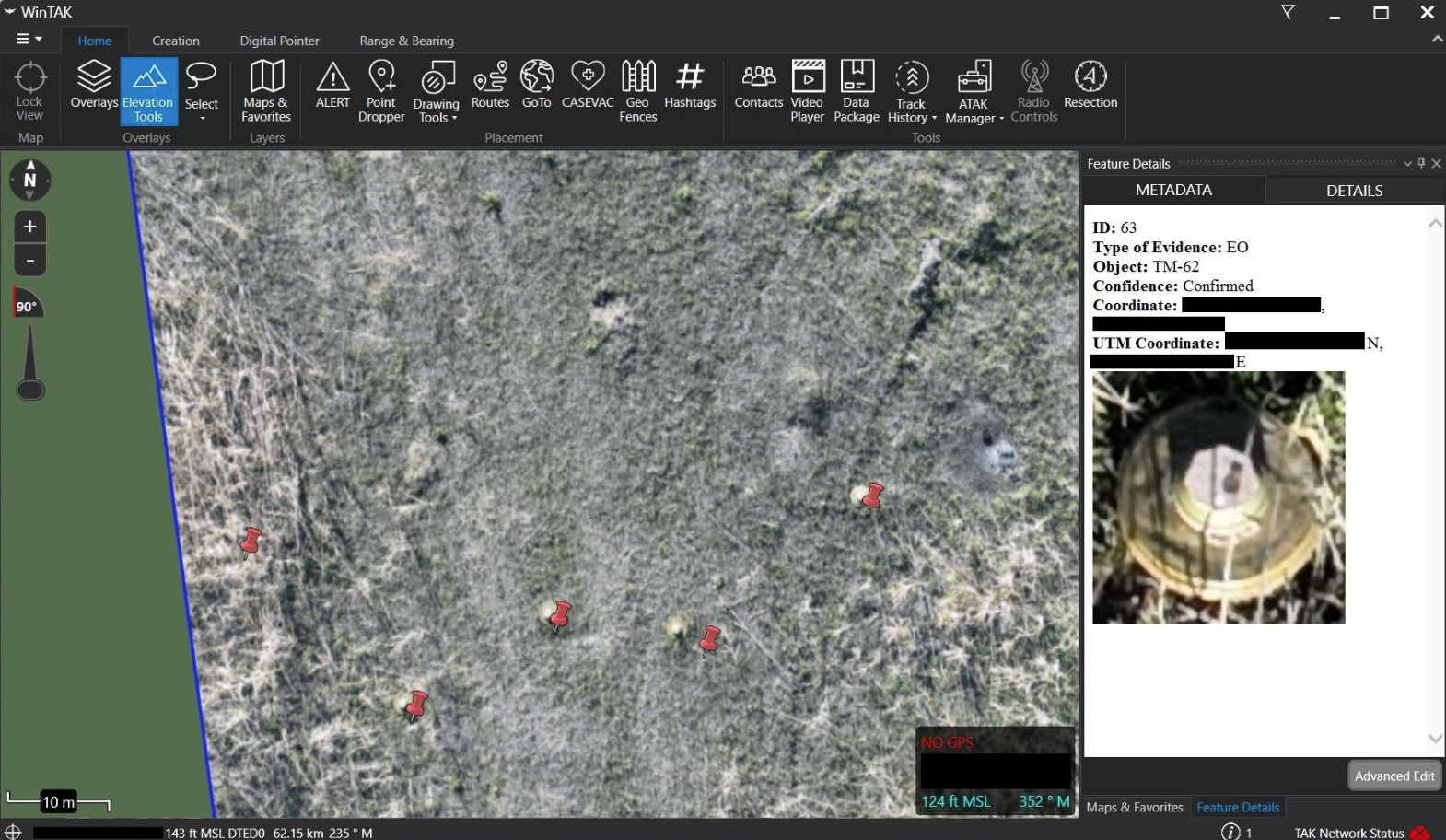
Spotlight AI technology, which uses geospatial fusion of drone imagery, detects and identifies the type of munition that might be hidden from human sight.
According to the developer, the system analyzes a database of approximately 3 million images and identifies specific types from among 150 varieties of munitions.
After identifying threats, the AI plans optimal routes for the user.
The system is capable of operating not only on servers but also on standalone devices, such as laptops.
According to Safe Pro Group, AI is actively used for humanitarian and agricultural missions in Ukraine.
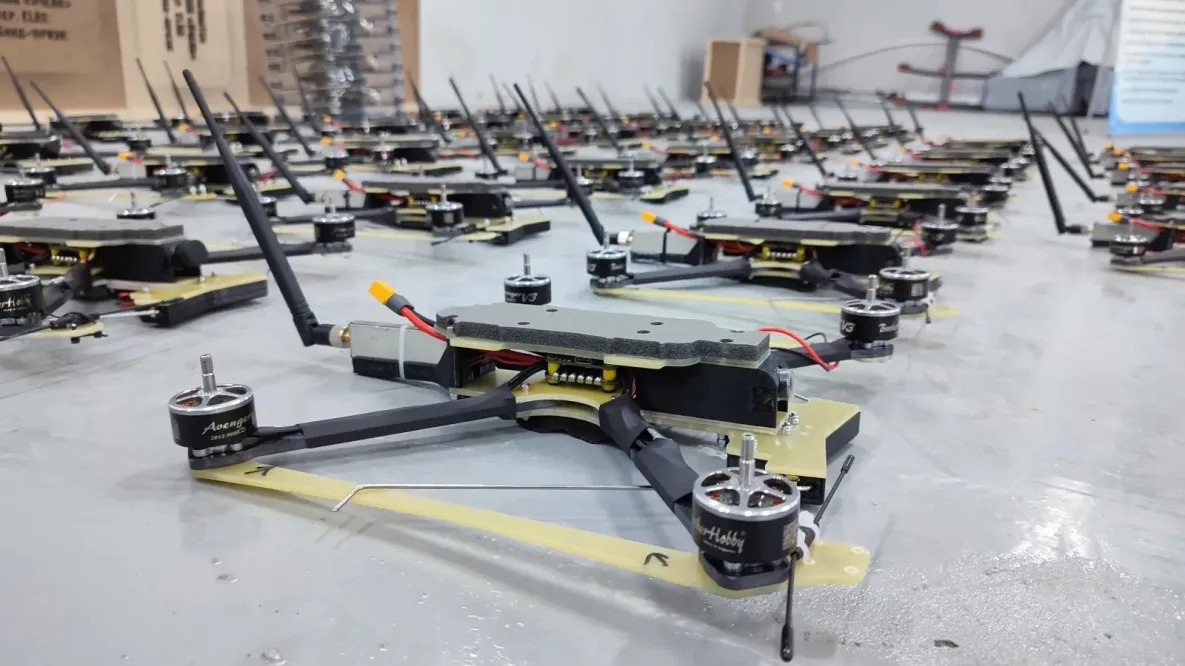
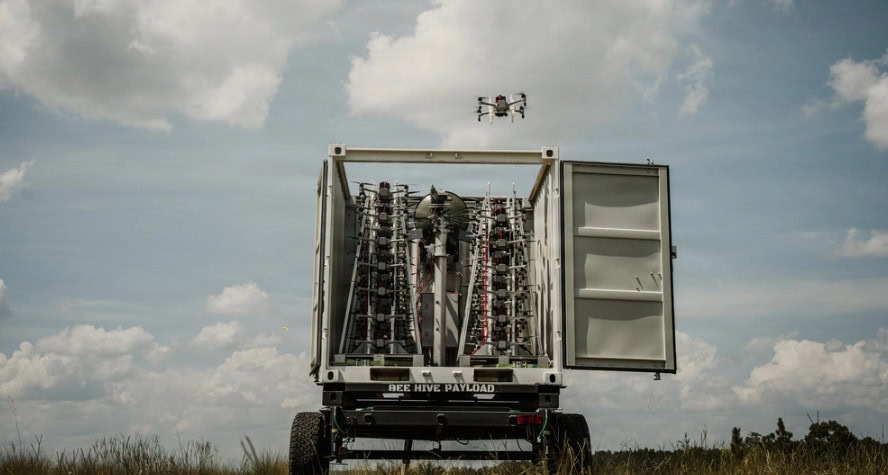
In addition, the 18th Airborne Corps tested the Bumblebee V2 interceptor drone, equipped with AI for autonomous identification and targeting of aerial targets.
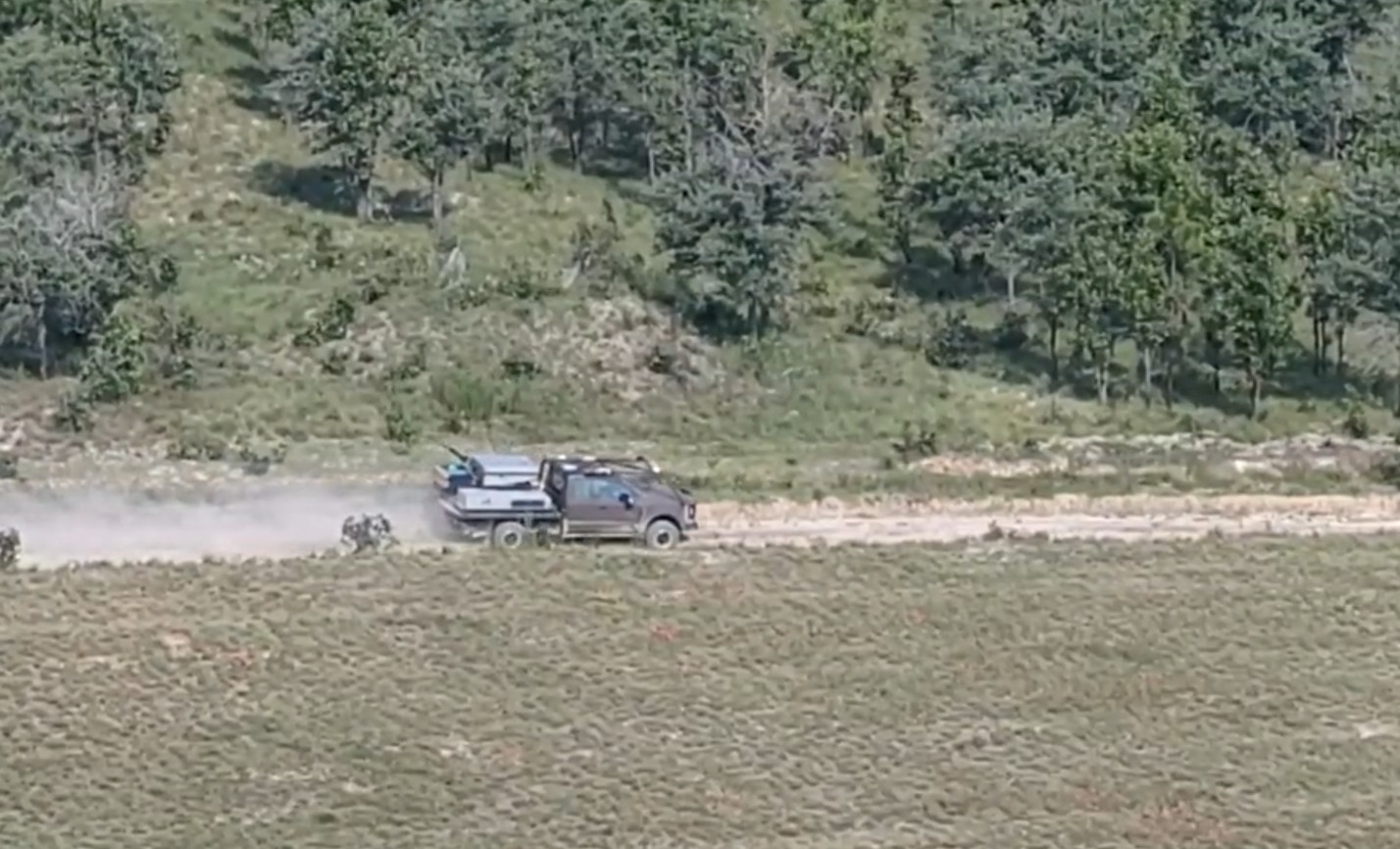
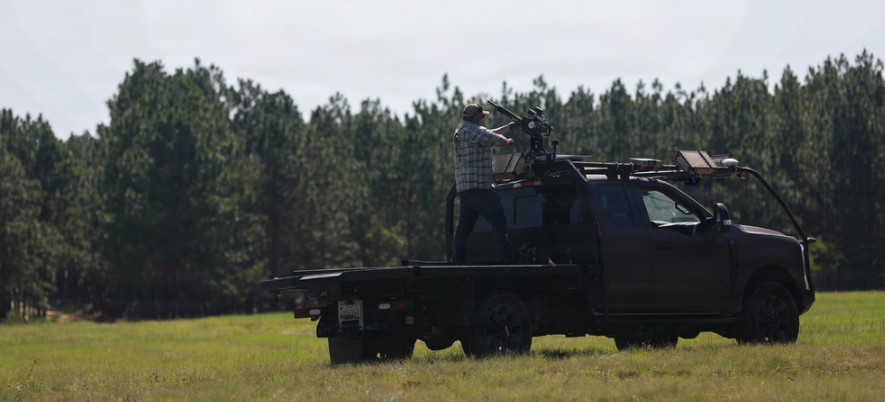
These interceptors are stored in a special “Bee Hive” container equipped for remote drone launch. In particular, an Ford F-250-based UGV, equipped with an Edda turret featuring an automatic shotgun for countering UAVs, was spotted during the tests.
The turret-equipped platform successfully neutralized several drones with a diameter of approximately 7 inches at distances ranging from 10 to 100 meters.
The U.S. Army notes that such systems will be used to support engineering teams clearing minefields, barbed wire, and other obstacles.
The U.S. Army conducted the Sandhills project to integrate operational units, government agencies, and industrial companies, and to gather feedback from service members to establish a framework for engineering solutions to be carried out by unmanned system operators.
As part of the first Sandhills exercise in 2024, an experiment was conducted to use robotic, autonomous systems to breach obstacles during large-scale combat operations.
Підтримати нас можна через:
Приват: 5169 3351 0164 7408 PayPal - [email protected] Стати нашим патроном за лінком ⬇
Subscribe to our newsletter
or on ours Telegram
Thank you!!
You are subscribed to our newsletter