





Popular
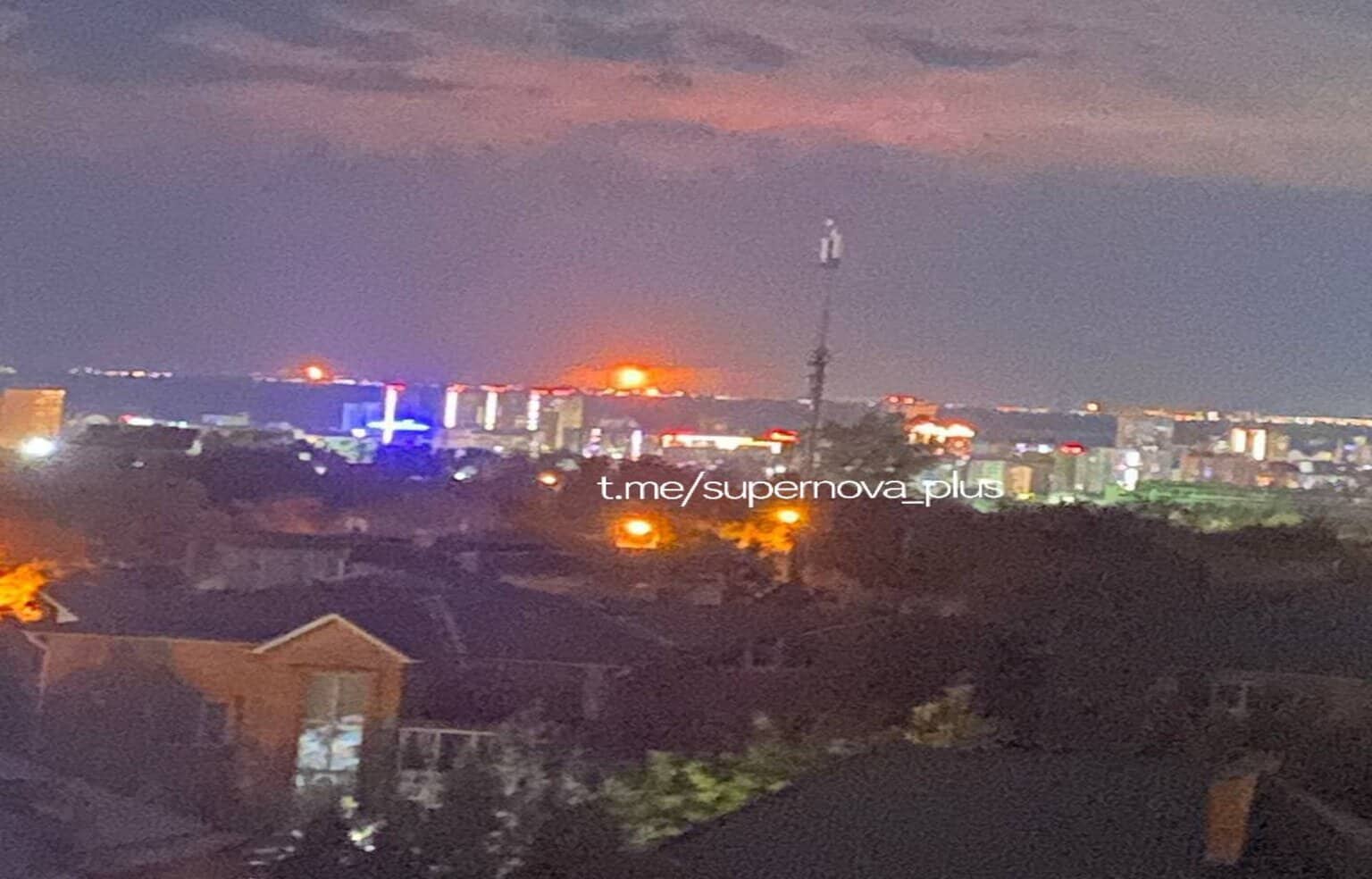
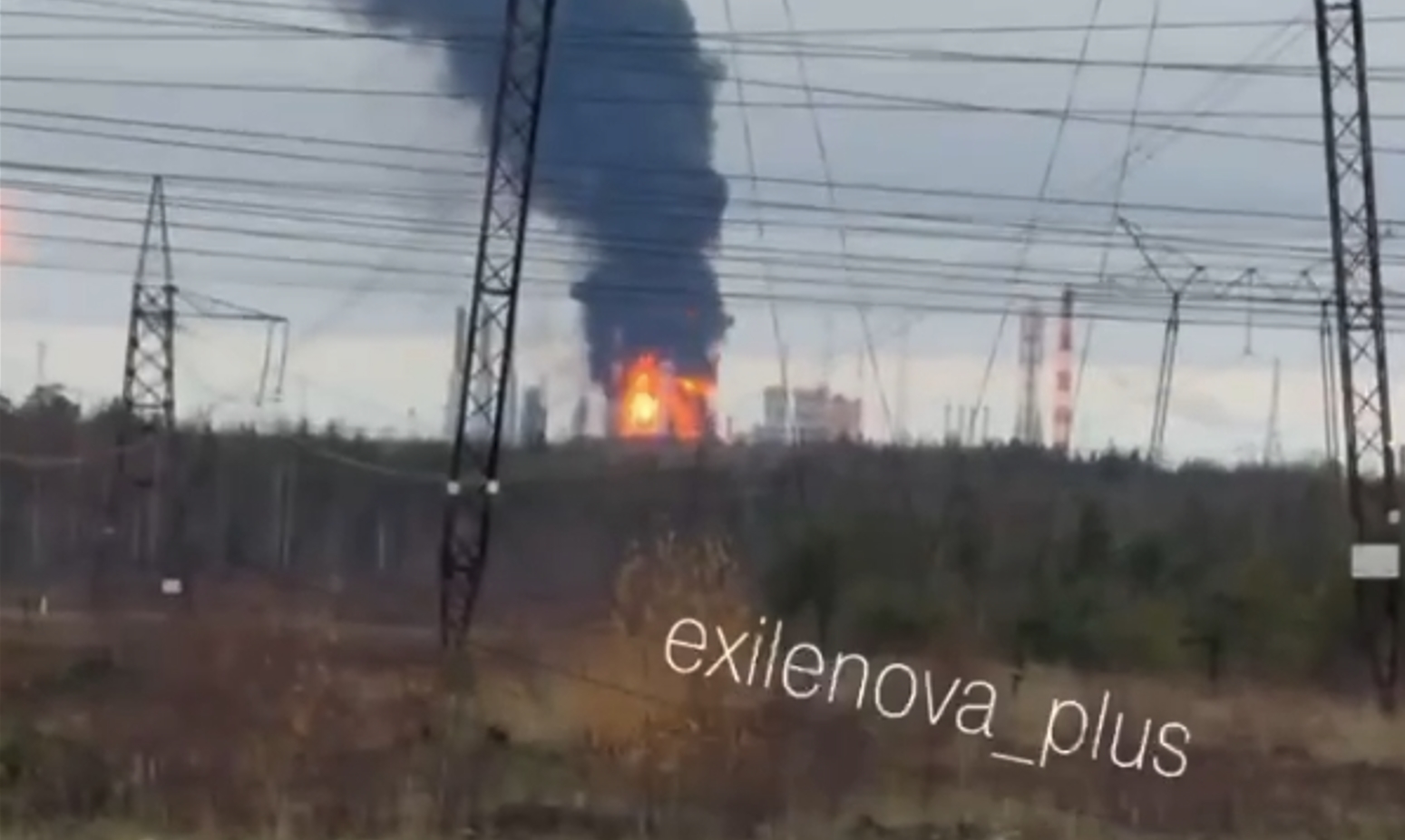
Satellite images show that the Volgograd Oil Refinery, the largest oil refinery in southern Russia, suffered damage that knocked out 70% of its primary oil refining capacity following a Ukrainian attack.
The Dnipro OSINT published the images.
The analysis found that the attack, launched on the night of October 2, severely damaged equipment at three processing units: ELOU-AVT-1, AVT-6, and AVT-3.
These are primary oil processing units that treat crude oil and separate it into fractions for further production of fuel and other petroleum products. Together, they account for about 70% of the refinery’s primary oil-processing capacity.

The Volgograd oil refinery, officially known as LUKOIL-Volgogradneftepererabotka, is located in the Krasnoarmeysky District in southern Volgograd. It is one of Russia’s largest oil refineries and the largest in southern Russia.
The refinery has a processing capacity of approximately 15 million tonnes of crude oil per year, although actual output depends on equipment utilization and downtime. According to Reuters, the facility processed 13.5 million tonnes of crude oil in 2024.
The oil refinery’s main products are gasoline, diesel fuel, and jet fuel. In 2023, it accounted for 4.9% of Russia’s total oil refining output, producing approximately 1.99 million tonnes of gasoline, 6.76 million tonnes of diesel fuel, and 888,000 tonnes of jet fuel. These volumes represented 4.6%, 7.8%, and 8.4% of Russia’s total production of those fuels, respectively.
After LUKOIL acquired it, the refinery underwent major modernization. In 2016, it launched a $2.2 billion hydrocracking facility capable of processing 3.5 million tonnes of vacuum gas oil per year. In 2021, the refinery opened a new base oil production facility. It also upgraded its primary oil processing units in 2022–2023. According to the refinery’s 2023 report, it processed 96.4% of crude oil into finished products, while light petroleum products accounted for 79.9% of its total output.
The oil refinery processes a blend of low-sulfur crude oil from western Siberia and the Lower Volga region. The Samara–Tikhoretsk main pipeline delivers the oil. The refinery mainly supplies Russia’s southern regions and also exports petroleum products through the port of Novorossiysk.
The refinery has been targeted by Ukrainian drones multiple times. In May 2025, attacks damaged its ELOU-AVT-1 and AVT-6 primary oil processing units, forcing the facility to halt operations.

Another attack on the night of July 31 caused a large fire, damaged production facilities, and forced the AVT-1 and AVT-6 processing units to shut down.
According to Reuters, the Volgograd Oil Refinery also suspended operations after the October 2 attack because of equipment damage.
Підтримати нас можна через:
Приват: 5169 3351 0164 7408 PayPal - [email protected] Стати нашим патроном за лінком ⬇
Subscribe to our newsletter
or on ours Telegram
Thank you!!
You are subscribed to our newsletter