



Popular

On the night of October 14, SpaceX, at the request of the White House, unilaterally and without warning imposed restrictions on Starlink accounts with special Starshield military accounts for Ukraine.
Starshield is a secure version of the Starlink satellite communications system, developed for the needs of government, military, and intelligence agencies and managed by the U.S. Department of Defense.
It first became known in December 2024 that the Armed Forces of Ukraine had gained access to the secure U.S. military satellite communications network Starshield. According to sources cited by Radio Free Europe/Radio Liberty journalist Alex Raufoglu, the current contract for the service is valid through April 2027 and is funded by Germany.
Communications began to drop out at varying speeds, ranging from 72 to 161 km/h, on various unmanned platforms and across different units. On October 15, the speed threshold for SpaceX’s military communications system was raised to 160 km/h, but as of October 16, its operation had still not been fully restored.

Kirill Lyukov, head of the unmanned technologies department at the Serhiy Prytula Charitable Foundation, told Militarnyi that communication issues with Starlink terminals have been reported since the night of October 14 across the entire combat zone, in the temporarily occupied territories, and in Ukraine’s rear regions. At least three units reported regular loss of connection at speeds of 75 km/h.
According to him, afterStarlink was blocked for Russians in the temporarily occupied territories, additional restrictions were imposed, causing the terminals to lose connection at speeds averaging over 70 km/h. To identify military users, special accounts are used for which this restriction has been lifted. This allows the Ukrainian Defense Forces to operate at higher speeds both in the temporarily occupied territories and in areas under Ukraine’s control.
Lyukov speculates that the restrictions on Starlink may be linked to political pressure from the U.S. presidential administration on Ukraine regarding the demand not to strike Russian oil refineries. At the same time, he emphasized that Starshield’s operations do not affect such strikes, since these facilities are located on Russian territory, where Starlink has been and remains unavailable to the Ukrainian Defense Forces.
He also does not rule out the possibility that a software glitch was the cause. According to him, as of the evening of October 14, Starlink terminals with Starshield accounts had begun to resume normal operations.
As the 1st Unmanned Systems Battalion High-Altitude Predators of the 59th Separate Unmanned Systems Assault Brigade named after Yakov Handzyuk told Militarnyi, the situation caused by the Starlink restrictions is complex but under control.
“We all knew that sooner or later this day would come. There are systems that don’t require Starlink,” the military personnel noted.
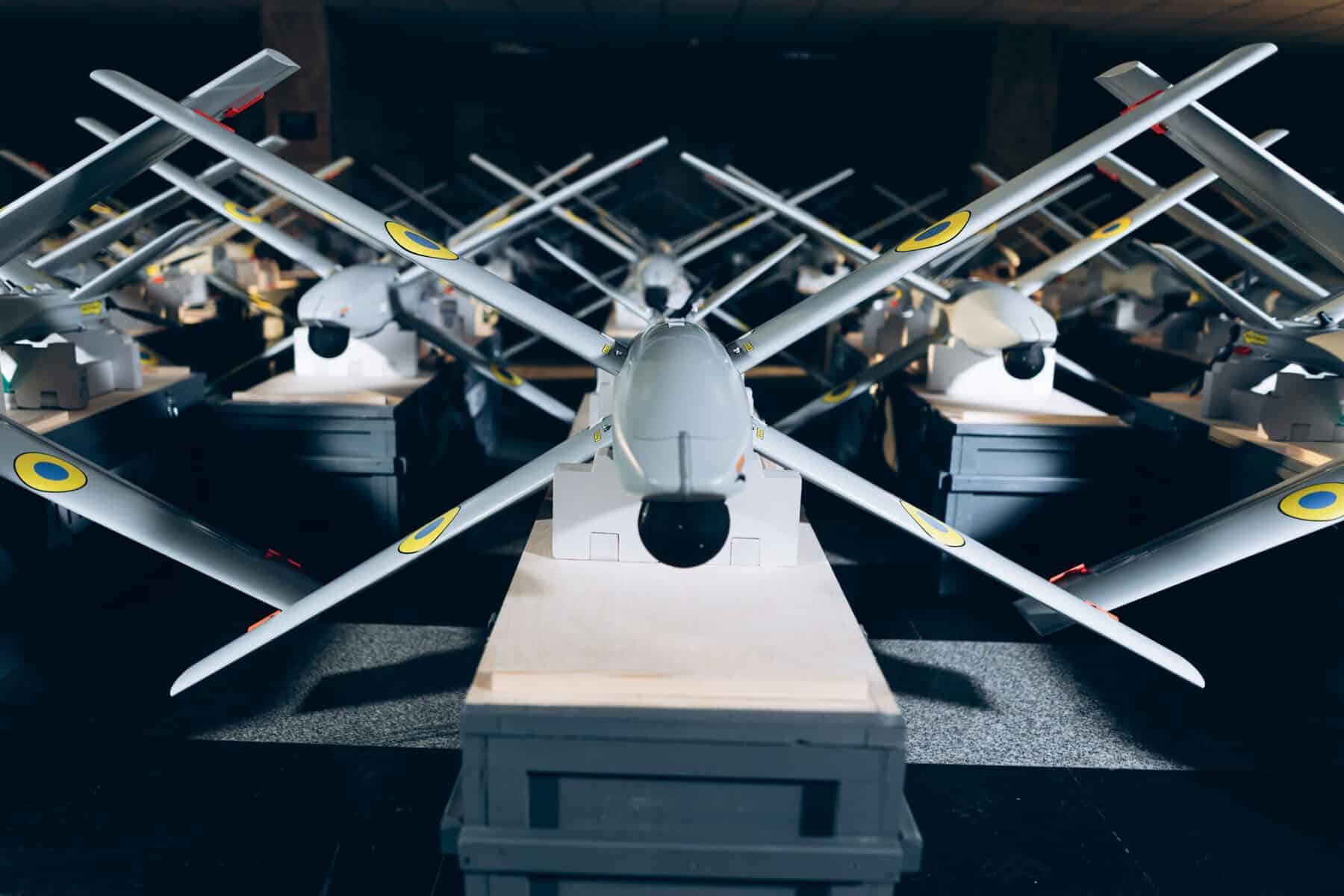
According to the military, the unit is switching to radio communications and drones capable of flying in autonomous mode. The restrictions on Starlink did not affect the operation of reconnaissance UAVs, UGVs, and bomber drones, but they did complicate the use of strike drones.
“A Starlink-equipped strike drone: at 80 kilometers [per hour]—that’s it, the connection drops out. There’s nothing you can do about it. Plus, there’s the problem that during a catapult launch and so on, there’s immediate high acceleration. And, basically, the drone is uncontrollable—it’s carried along, and [it] crashes,” a unit representative explained.
At the same time, reconnaissance drones can continue operating with Starlink at speeds of up to 80 km/h. After launch and reaching a circular trajectory, they establish satellite communication and carry out their missions.
According to other reports, the operation of high-speed interceptor drones and even certain models of bomber drones has also been affected.
According to military officials interviewed by Militarnyi, the reduction in strike drone activity will allow the enemy to step up its logistics. The situation is further complicated by bad weather and thick autumn fog.

At the same time, there are solutions that could operate using alternative communication systems. In particular, the military has submitted requests to procure strike drones that use radio communication and an automatic guidance system.
“Solutions, in principle, exist. The main thing is for the command to respond now and procure the equipment we need to somehow bridge the entire gap. Let’s hope that this [Starlink] will eventually be restored,” the military emphasized.
In response to a request from Militarnyi, Deviro noted that the company was one of the few that, even in the early stages of Starlink’s mass deployment, emphasized the temporary nature of this window of opportunity.
“Of course, we ensured that Starlink could be used in our products, but developing our own communication solutions—particularly Mesh technology—remained one of our priorities,” Deviro explained.
The company believes that technological independence and the ability to adapt to changes on the battlefield are more valuable than reliance on a single solution, even a highly effective one.
Deviro attributes the popularity of Starlink for middle-strike systems primarily to its ease of use and speed of integration. By the time the technology was actively being implemented, the terminals had already become widely adopted within the military, and personnel had practical experience working with them.
Cost was also a key factor: under certain conditions, Starlink provided a high-quality communication channel at a relatively low price compared to certain specialized radio systems. Furthermore, satellite communications long reduced dependence on the limitations of traditional radio channels in the face of electronic warfare (EW) operations. The combination of these advantages made Starlink attractive for both reconnaissance and strike drone systems.

According to Deviro’s assessment, there is currently virtually no direct alternative to Starlink that would provide a similar combination of accessibility, cost, ease of use, and infrastructure. At the same time, other technological solutions do exist: large-scale work is underway to test, refine, and integrate both new and existing communication technologies.
The company explains that due to the dynamic nature of modern warfare, a technological advantage today does not guarantee it will be maintained tomorrow. Component manufacturers, unmanned system developers, the military, and the country’s military-political leadership are becoming increasingly aware of this.
Deviro specifically emphasized the need to avoid dependence on a single technology, regardless of its current effectiveness. To achieve this, manufacturers must constantly collaborate with the military, seek new solutions, test them in practice, and adapt their approaches as quickly as the war demands.
Andriy Rymaruk, Deputy Director of Ukrspecsystems, noted in a comment to Militarnyi that the company has focused, continues to focus, and will continue to focus primarily on the development and production of systems with radio modems. According to him, these systems operate independently of external technical, diplomatic, or political factors.
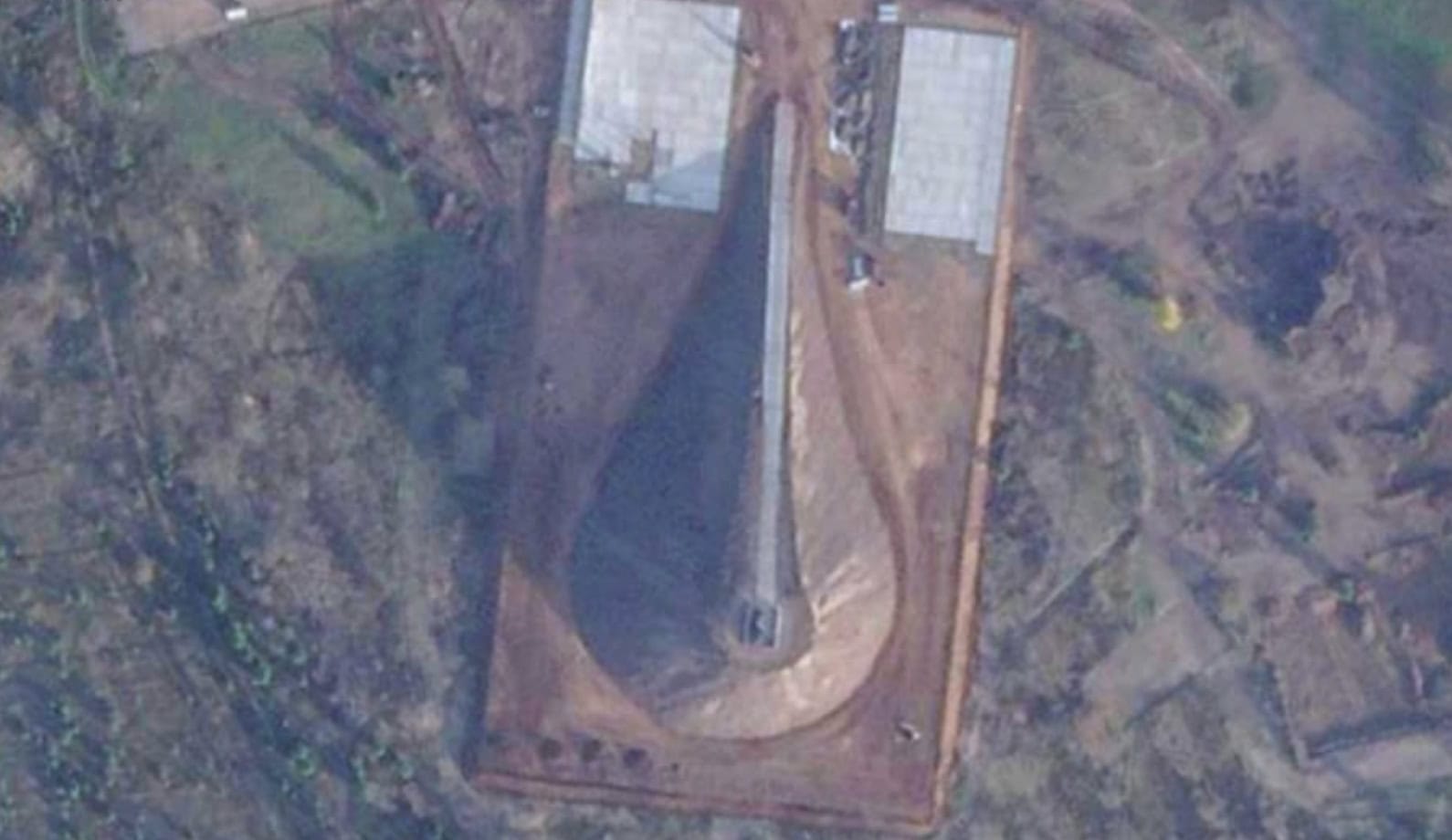
Rymaruk explained that by using radio communication as the system’s primary channel, the company’s systems continue to conduct reconnaissance and strike targets at depths exceeding 200 km. In particular, he described the recent destruction of an “expensive and rare radar system” at a depth of 226 km by a unit of the 429th Separate Achilles Unmanned Systems Brigade.
⚡️Уразили РЛС «Небо-У» у ростовській області
Рота дальнього ураження 429 бригади «АХІЛЛЕС» уразила РЛС «Небо-У» на аеродромі «Міллерово» у ростовській області. Орієнтовна вартість «Небо-У» – $100 млн.
Встановлюємо вогневий контроль над військовим аеродромом «Міллерово» у… pic.twitter.com/qQEQq4MsWA
— 429 окрема бригада БпС «АХІЛЛЕС» (@achilles_429) August 27, 2026
In addition, the use of radio communications allows Ukrspecsystems’ drones to operate over Russian territory, where Starlink does not function, as well as to strike and disable ballistic missile launchers.
Andriy Shevchenko, Managing Director of Helsing in Ukraine, told Militarnyi that the restrictions on Starlink have demonstrated the critical importance of autonomy for modern defense systems. According to him, military technologies must remain effective regardless of decisions made by external suppliers.
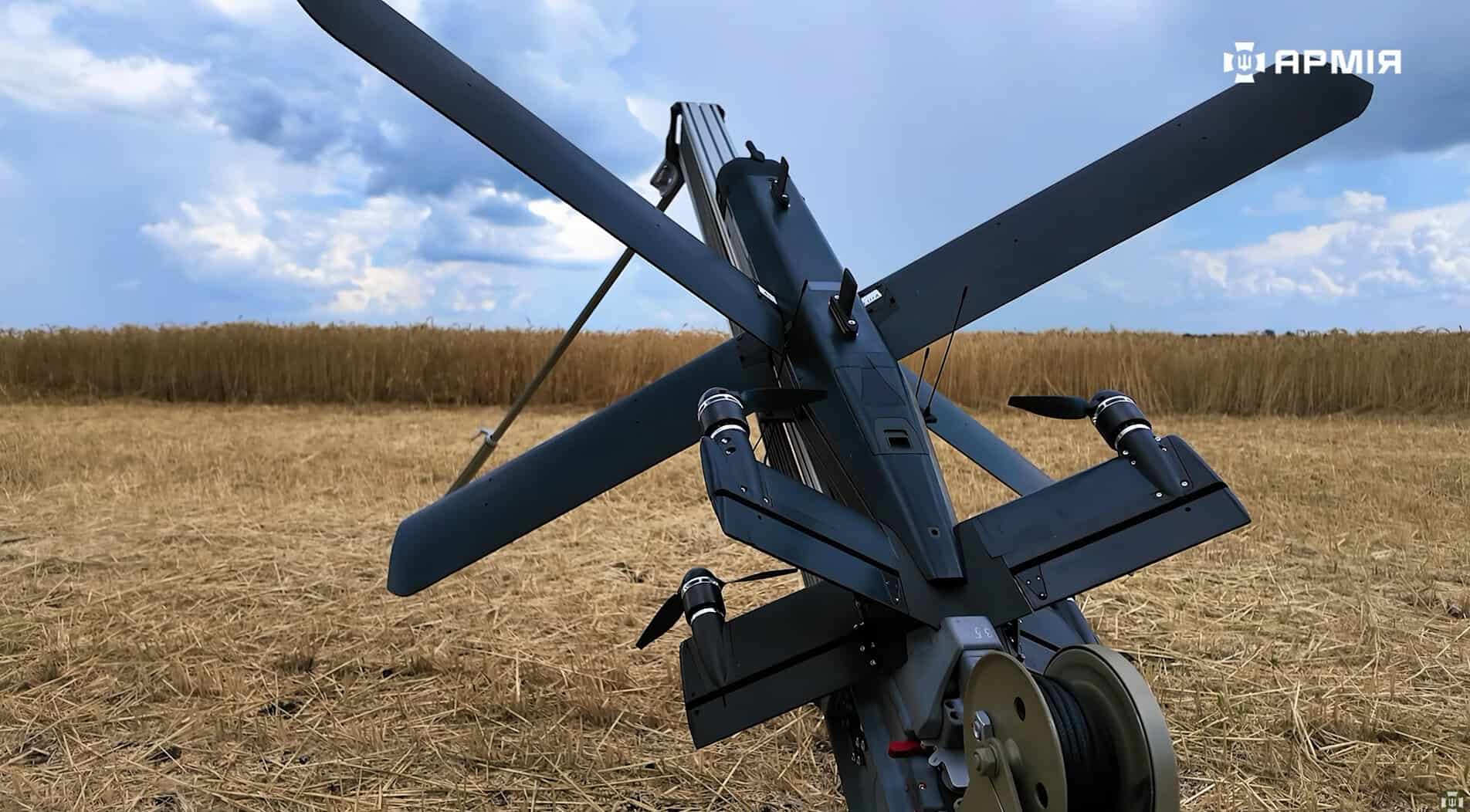
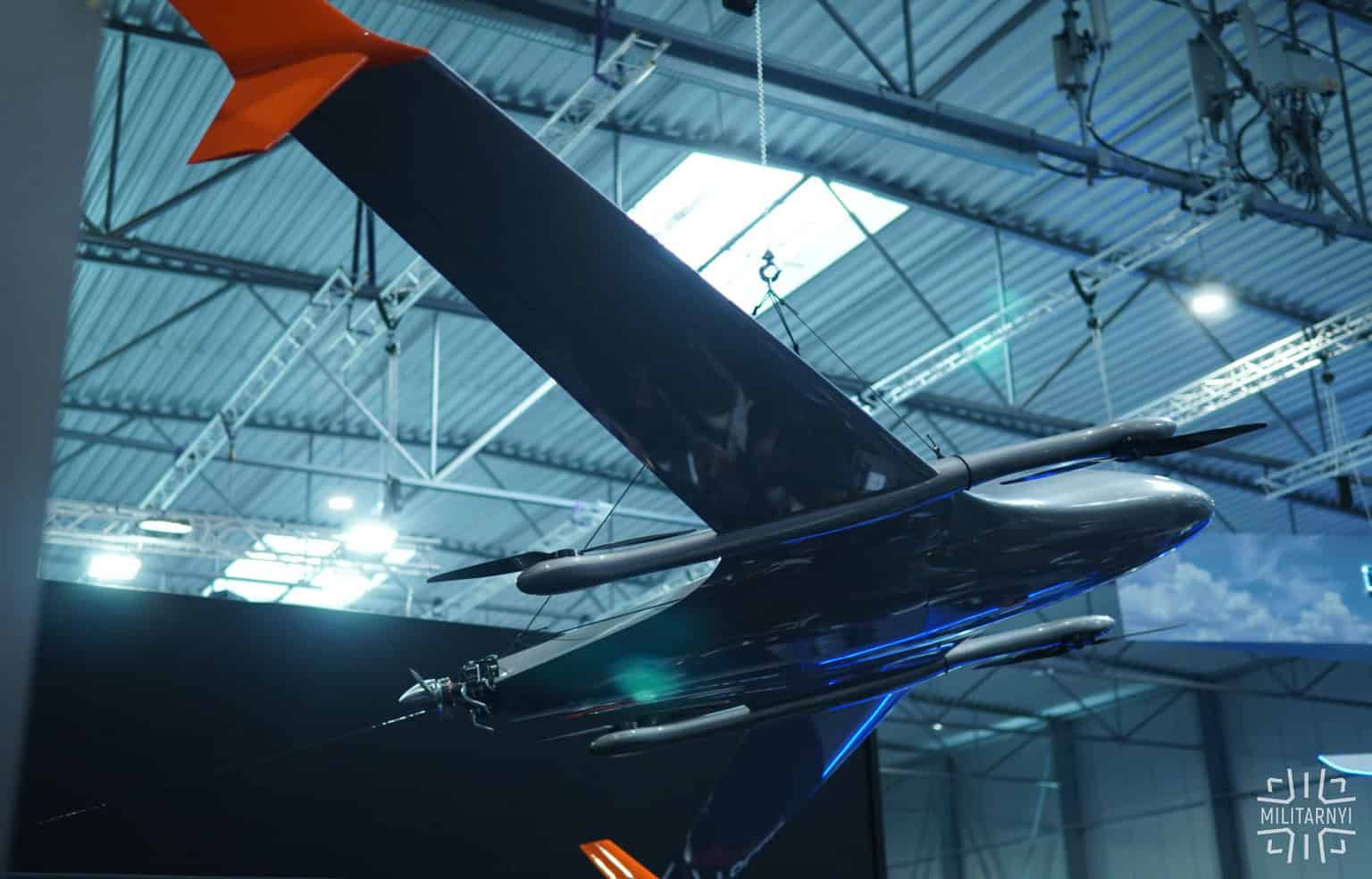
It is precisely based on this principle that Helsing developed the HX-2. As Shevchenko explained, the drone does not depend on Starlink and uses radio communication that operates effectively under enemy electronic warfare (EW) conditions. It also features visual navigation without GNSS and automatic target acquisition. At Helsing, autonomy is viewed as the foundation of the product’s operation, enabling the military to continue carrying out missions even when conventional communication and navigation systems are unavailable.
Підтримати нас можна через:
Приват: 5169 3351 0164 7408 PayPal - [email protected] Стати нашим патроном за лінком ⬇
Subscribe to our newsletter
or on ours Telegram
Thank you!!
You are subscribed to our newsletter