



Popular
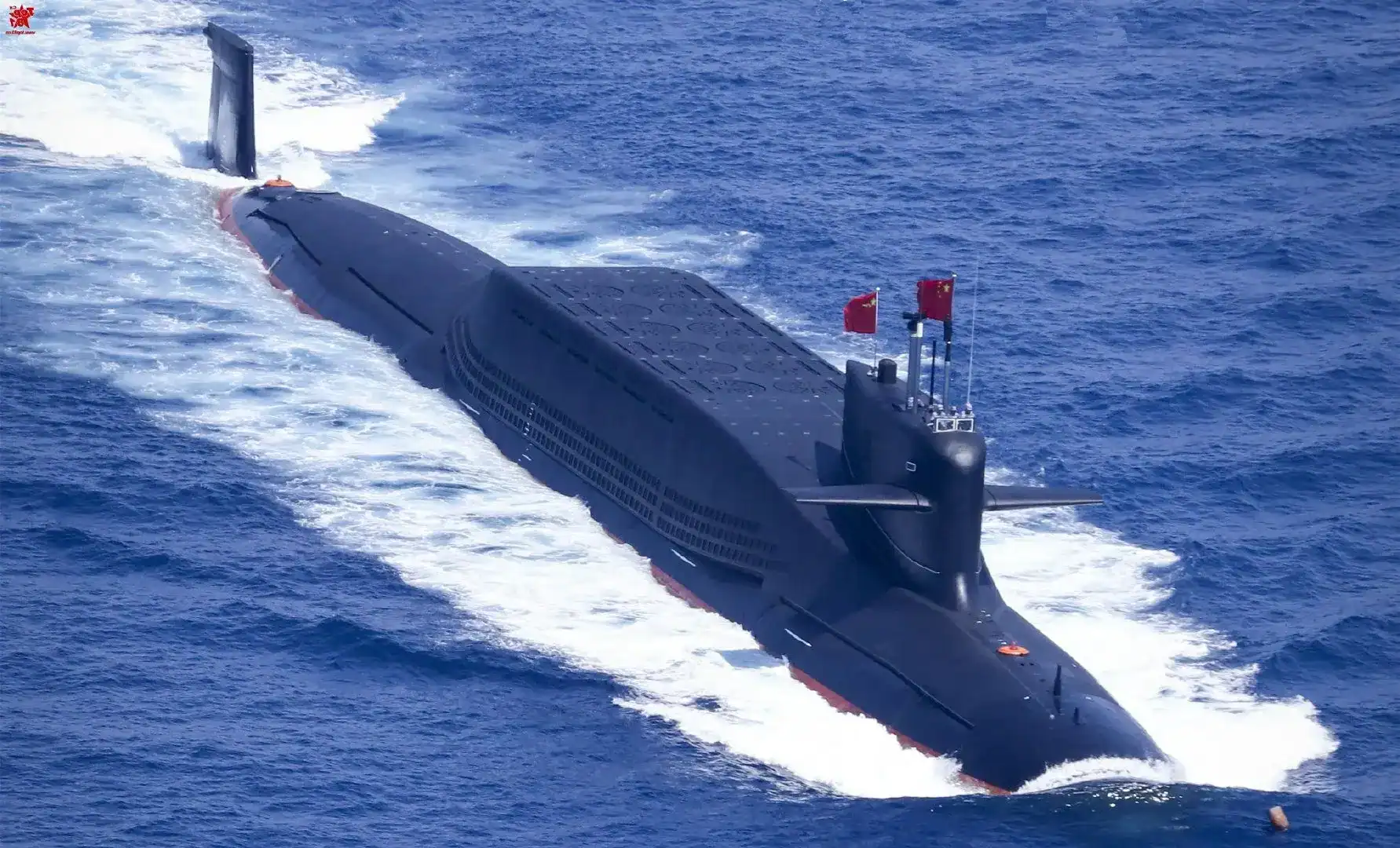
On July 6, the Chinese Navy successfully launched a submarine-launched ballistic missile from a strategic nuclear submarine into the Pacific Ocean.
This was reported by the command of the People’s Liberation Army Navy (PLAN), as relayed by Xinhua.
This is the first such test that Beijing has publicly announced since the launch of an intercontinental ballistic missile into the Pacific Ocean in September 2024.
According to PLA Navy spokesperson Wang Xuewen, the launch took place at 12:01 p.m. local time.
The missile, equipped with a training warhead, successfully struck a designated area in the open waters of the Pacific Ocean. However, the Chinese side did not disclose the type of submarine, the missile model, or the exact impact location.

Beijing stated that the test was conducted in accordance with its annual combat training plan, and that interested states were notified of the launch in advance. In September 2024, Beijing announced the launch of an intercontinental ballistic missile, which analysts identified as belonging to the DF-31 family, capable of striking targets on U.S. territory.
This year’s launch took place against the backdrop of the start of the joint Sino-Russian naval exercises Maritime Joint-2026, which are being held near Qingdao from July 6 to 13.
After the maneuvers conclude, ships from both countries plan to conduct joint patrols in the Pacific Ocean.
At the same time, there is no official confirmation of a link between the missile test and the exercises.

Currently, according to open sources, the Chinese navy has only one type of nuclear-powered submarine capable of launching intercontinental ballistic missiles—the Type 094-class submarines. In total, the fleet consists of six such vessels.
Specifications: At the same time, there is a high probability that China began modernizing its fleet of strategic submarines as early as 2018. In May 2018, satellites captured images of submarine components near a new facility at Bohai Shipbuilding Heavy Industry. Even earlier, in May 2014, satellites captured images of three nuclear-powered submarines equipped with ballistic missiles moored at the Sanya nuclear submarine base. One of them differed in appearance from the others and turned out to be significantly larger than a Type 094 nuclear-powered submarine.

Experts have speculated that this vessel may belong to the new Type 096 class. However, no confirmation has emerged since then, and as of today, Project 094 submarines still form the backbone of the fleet.
As for ballistic missiles for submarines, China currently uses two types. These are the JL-2AG missiles for the Type 094 (Changzheng 9 and Changzheng 10) and the newer JL-3 missiles for the upgraded Type 094A (Changzheng 10, Changzheng 12, Changzheng 17, Changzheng 18).
On November 19, 2022, Admiral Samuel Papparo, commander of the U.S. Pacific Fleet, stated that China had deployed JL-3 intercontinental ballistic missiles on six Type 094 strategic nuclear submarines.
The JL-3 submarine-launched intercontinental ballistic missile represents the third generation of strategic weapons of this class in China. Chinese state media report that, thanks to the use of advanced technologies, its range has increased by 50% compared to its predecessor, the JL-2.
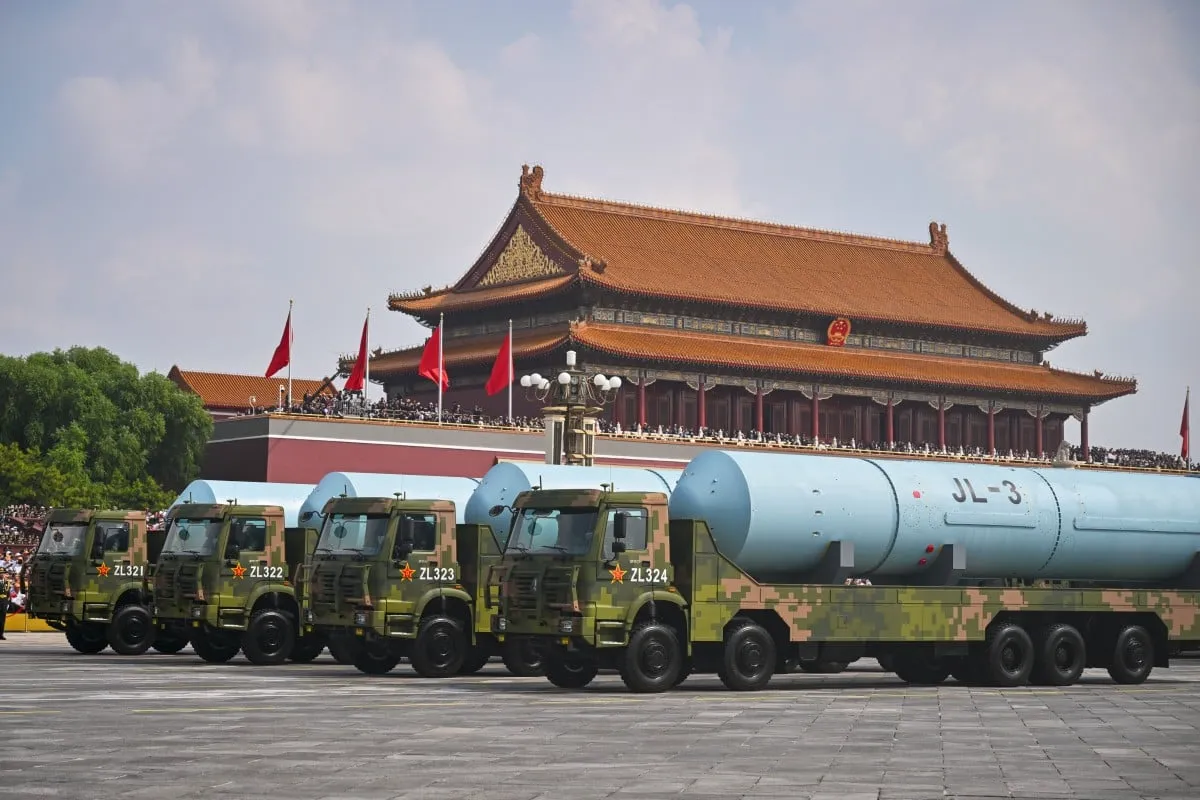
The new missile has a maximum range of 12,000 kilometers, allowing it to carry either a single or multiple individually guided nuclear warheads. The Pentagon recorded the first launch of the JL-3 in late November 2018, which the Chinese military conducted from aboard a Project 032 experimental submarine. The next successful launch from the same test platform took place in June 2019.
By December 2019, the tests had entered a new phase: U.S. reconnaissance satellites and monitoring platforms detected a missile launch from the Bohai Gulf, but this time it was launched for the first time from aboard a full-fledged Project 094 strategic missile submarine.
The new weapon was officially unveiled to the global public on September 3, 2025, during a military parade marking the 80th anniversary of victory in the Second Sino-Japanese War and the end of World War II, where the JL-3 was officially declared the cornerstone of the naval component of nuclear deterrence.

As for the older JL-2 version, it became the second generation of Chinese strategic weapons in this class. The missile uses a three-stage solid-fuel architecture and is structurally based on the design of the DF-31 land-based intercontinental ballistic missile. This approach continued China’s traditional concept of integrating naval and land-based missile systems. The missile’s body is 13 meters long, 2 meters wide, and has a launch weight of about 42 metric tons.
The base version of the JL-2 (Mod. 0) has a maximum range of up to 8,000 kilometers and the capability to carry three independently targeted thermonuclear warheads, each with a yield of 150 kilotons.
Target accuracy (circular error probability) is up to 300 meters thanks to a guidance system based on laser gyroscopes, a ballistic computer, and astronavigation.
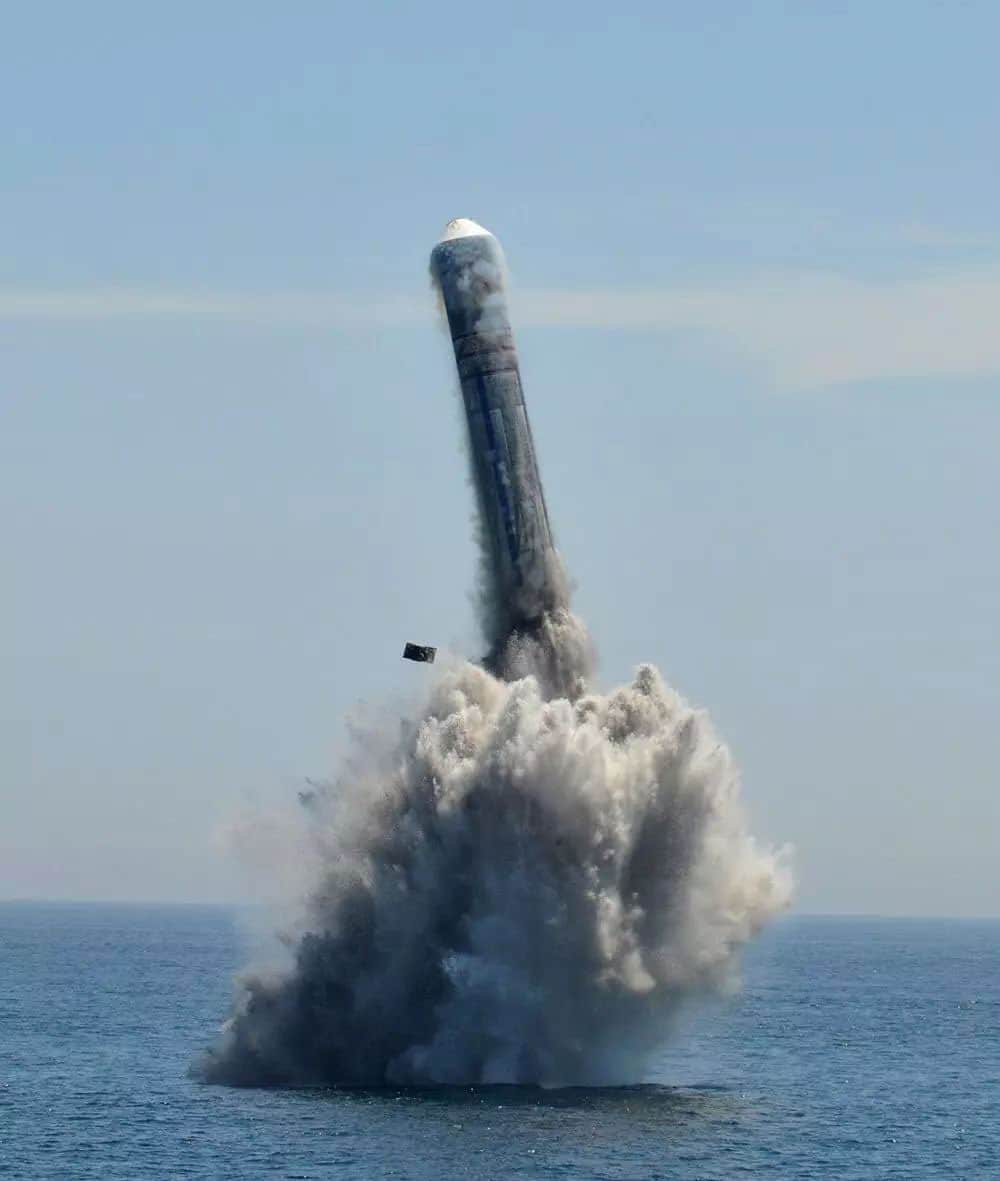
The upgraded JL-2A (Mod. I) version has an increased weight of 46 metric tons and is capable of striking targets at a range of up to 9,000 kilometers. Its warhead options include three 250-kiloton warheads or up to six lighter warheads with yields ranging from 40 to 60 kilotons.
The accuracy of this variant has improved to 200–300 meters. Based on these developments, the JL-2B project was subsequently developed, which led to the creation of the latest third-generation JL-3 missile with a range of 12,000 kilometers.
The missile’s test program went through several key stages. In late 2011 and January 2012, the first test launches took place from a special Project 032 experimental submarine.
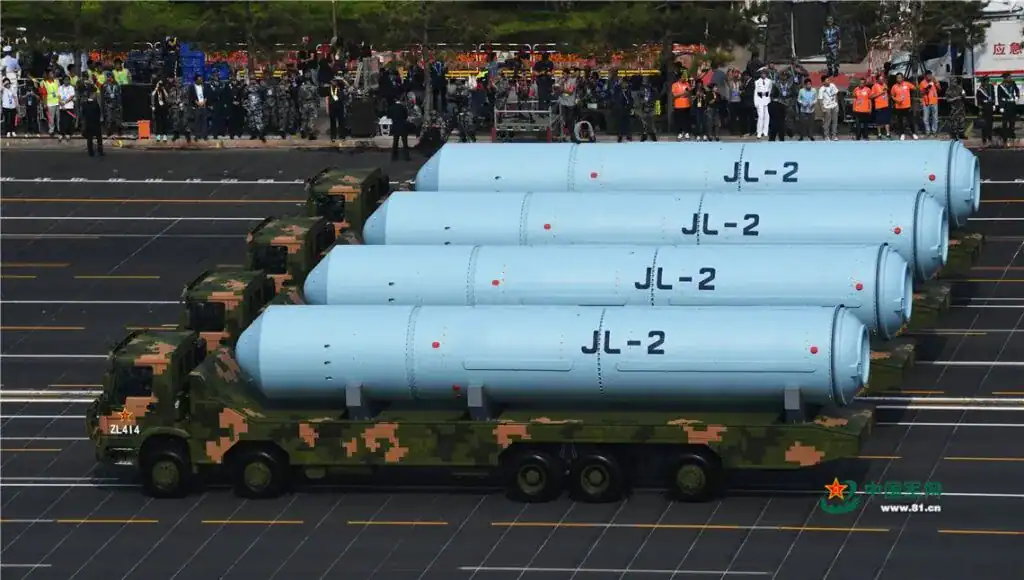
As early as August 2012, the developers conducted a successful launch from a standard Project 094 strategic missile carrier. Subsequent test launches in December 2013 and January 2015 from the first ship of the series confirmed the system’s full operational capability, allowing for the deployment of 12 missiles on each of the six submarines of this class.
Підтримати нас можна через:
Приват: 5169 3351 0164 7408 PayPal - [email protected] Стати нашим патроном за лінком ⬇
Subscribe to our newsletter
or on ours Telegram
Thank you!!
You are subscribed to our newsletter