



Popular
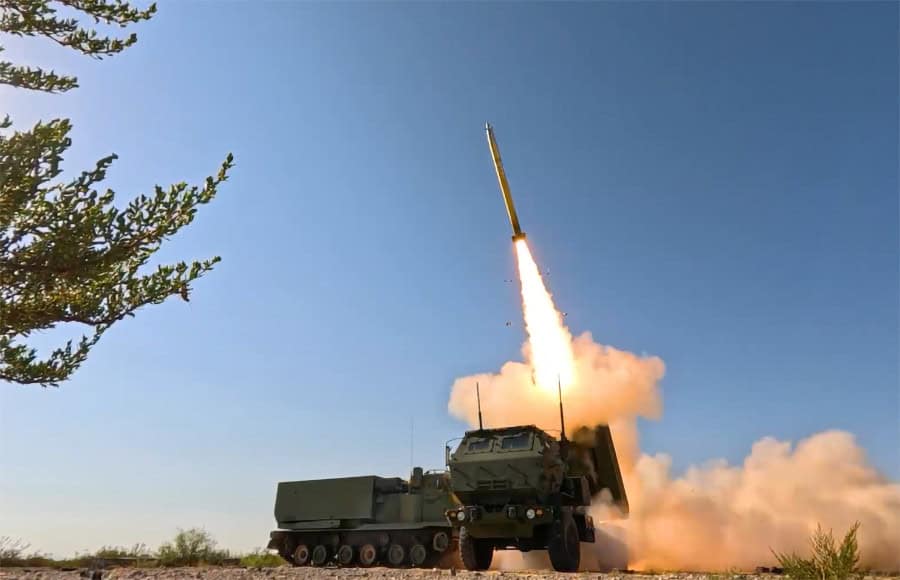
Lockheed Martin, in collaboration with the U.S. Army, successfully tested the ability to re-target a GMLRS guided missile after launch from a HIMARS rocket system, striking a moving target.
This was reported by Lockheed Martin’s press office.
The tests took place at White Sands Missile Range in New Mexico. During the test, a GMLRS rocket was launched from a standard M142 HIMARS launcher, after which updated target data was transmitted to it directly during flight.
The Strigo data link and the Remote Interceptor Guidance-360 (RIG-360) system were used for this purpose; the company funded the integration of these systems at its own expense.
After receiving the new data, the missile adjusted its guidance and successfully destroyed the moving target.
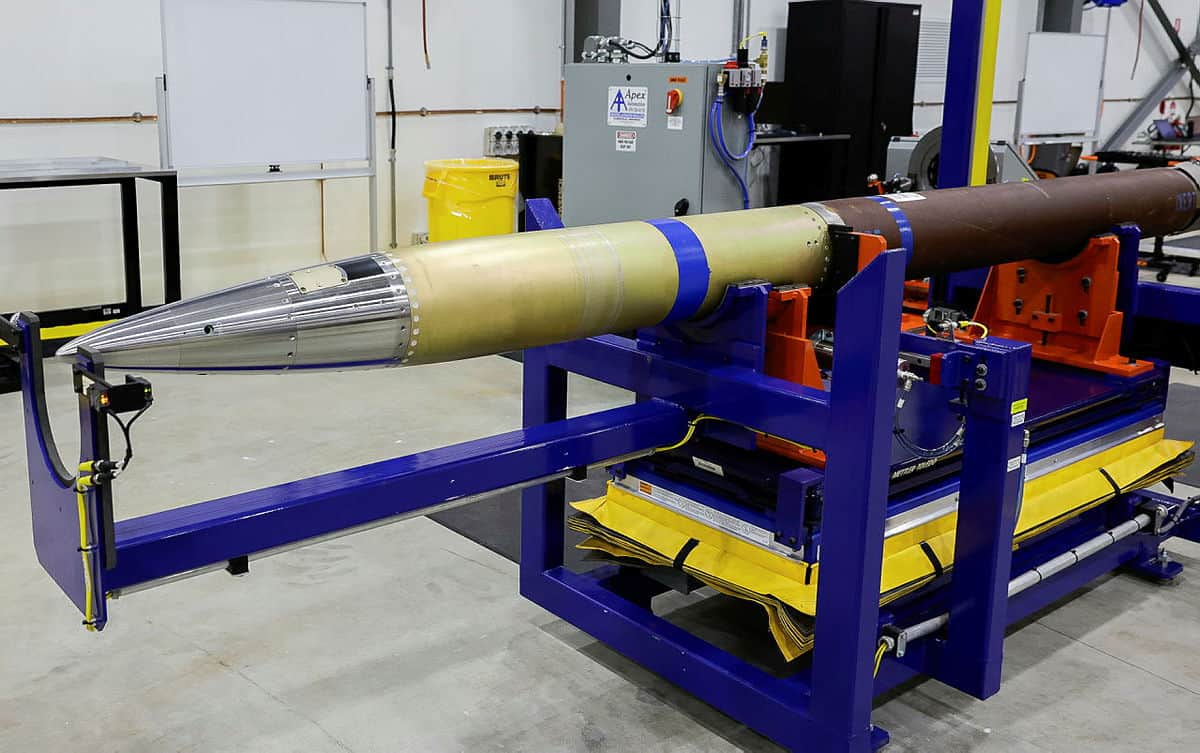
According to the developers, implementing this capability does not require a fundamental redesign of the GMLRS missile itself. Instead, the technology involves integrating existing reconnaissance assets, launchers, and target-acquisition systems into a single network.
Lockheed Martin notes that the data transmission system used can also be adapted for the ER GMLRS long-range rockets and the operational-tactical Precision Strike Missiles (PrSMs).
Lockheed Martin has been working on the capability to update target coordinates in flight since at least 2023. At that time, the company first demonstrated the transmission of new coordinates to an experimental GMLRS communication channel using the RIG-360 system.
During the test, the equipment was mounted on an aircraft that simulated the missile’s flight path.
The next phase consisted of the current tests, during which the technology was tested using an actual GMLRS missile and against a moving target.

In August 2026, Lockheed Martin also unveiled the Strigo family of technologies, which includes radio-frequency sensors, data links, and guidance heads for missiles of various types.
Technologies from this family are already being used in the development of the PrSM Increment 2 missile guidance system, designed to engage moving ground and sea targets. In September, the U.S. Army ordered PrSM Increment 2 missiles from Lockheed Martin worth $1.2 billion.
Підтримати нас можна через:
Приват: 5169 3351 0164 7408 PayPal - [email protected] Стати нашим патроном за лінком ⬇
Subscribe to our newsletter
or on ours Telegram
Thank you!!
You are subscribed to our newsletter