



Popular
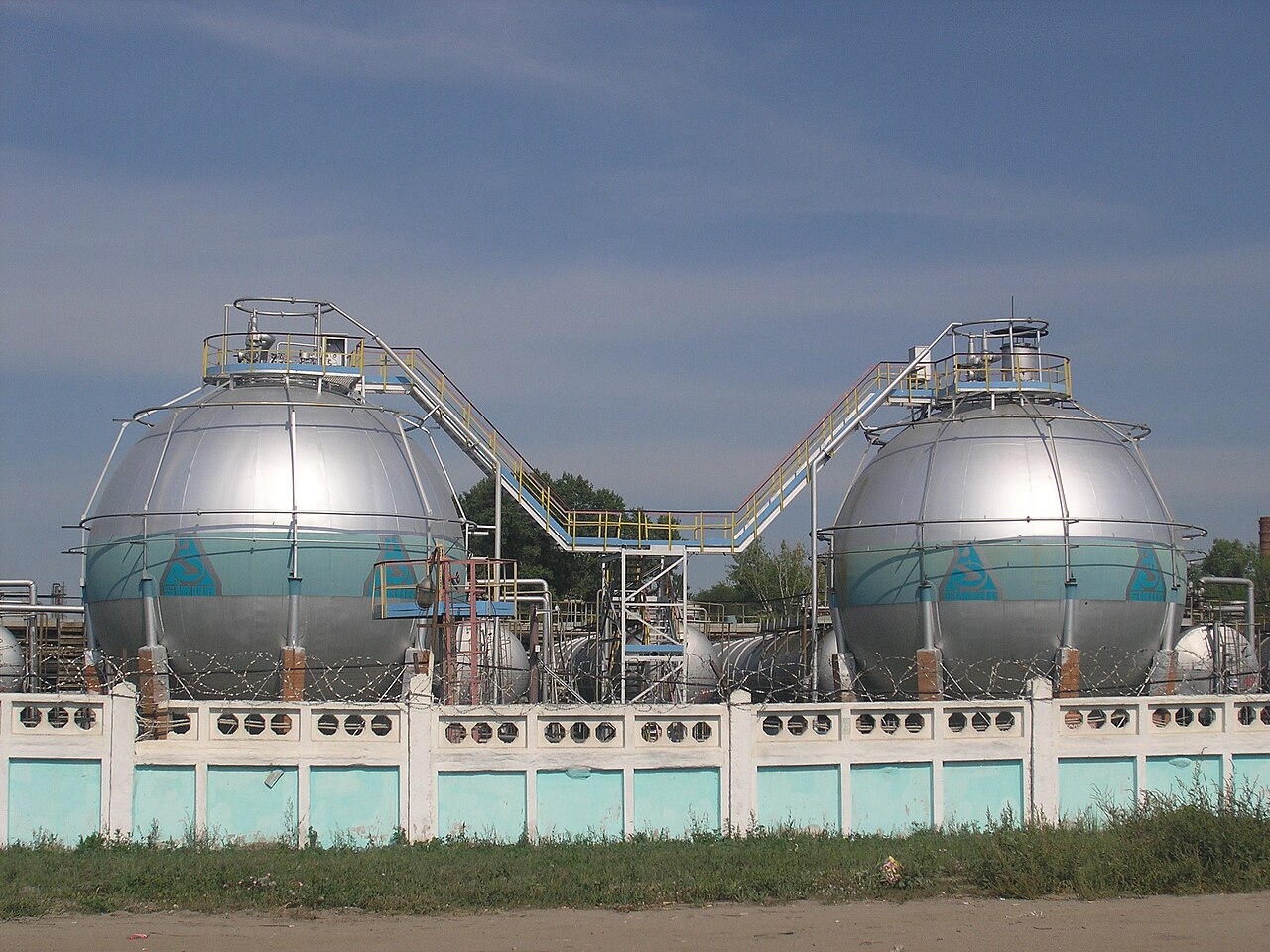
The September 12 strike on the Tolyattikauchuk plant shut down key production units serving Russia’s military industry.
The BK-2, BK-3, and BK-4 workshops at the facility were put out of operation, according to the OSINT community Absolutely Reliable Source.
These workshops carry out the full production cycle of butyl rubber and produce an isobutane-isobutylene fraction. The shutdown of the equipment blocks the further synthesis of this raw material.
Butyl rubber is a key material used to produce tires for military wheeled vehicles.
In addition, synthetic rubber is used as a polymeric fuel binder in the production of composite solid rocket propellant.

The second consequence is the disruption of isobutane-isobutylene fraction production. It is an irreplaceable feedstock for synthesizing methyl tert-butyl ether.
The methyl tert-butyl ether is used as a primary high-octane fuel additive. The shutdown of the BK group workshops completely cuts off the ether synthesis line.
As a result of the shutdown of the Tolyattikauchuk plant, Russia’s defense industry is simultaneously losing components used to produce rocket fuel and high-octane gasoline.
That same day, September 12, drones attacked the KuibyshevAzot chemical plant in Tolyatti, Samara Region.
A fire subsequently broke out at the facility, which local residents captured on video and in photographs.
The KuibyshevAzot plant primarily produces caprolactam, polyamide-6, industrial-grade fibers, ammonium nitrate, urea, ammonium sulfate, ammonia, and nitric acid.
The plant is one of the largest producers of caprolactam and nitrogen fertilizers and supplies raw materials to the chemical and textile industries. Caprolactam, in particular, is used to produce polyamide plastics and synthetic fibers.
Підтримати нас можна через:
Приват: 5169 3351 0164 7408 PayPal - [email protected] Стати нашим патроном за лінком ⬇
Subscribe to our newsletter
or on ours Telegram
Thank you!!
You are subscribed to our newsletter