




Popular
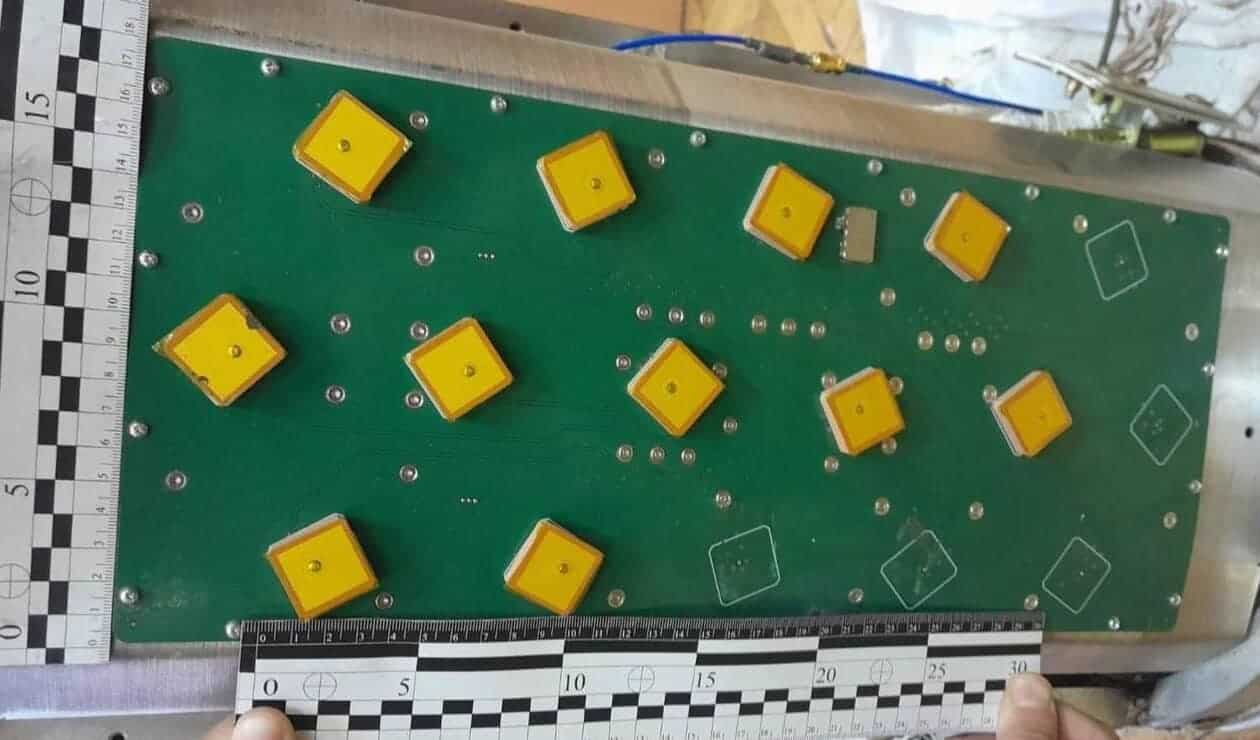
Ukraine’s Defense Intelligence has released detailed information on the foreign components, companies, and equipment involved in producing Russian Kometa navigation systems.
The information was published in the Components in Weapons section of the War&Sanctions portal.
The published list includes 37 foreign electronic components used to manufacture the Kometa jamming-resistant navigation modules. Specifically, intelligence analysts identified 28 components from the United States, 3 from Japan, 3 from China, 2 from Switzerland, and 1 from Taiwan.
In addition, intelligence revealed data on 28 companies involved in the supply and production chains, as well as 13 pieces of foreign technological equipment.
Kometa systems are a key element in protecting Russian missiles, drones, and guided bombs from electronic warfare countermeasures.

They operate on the principle of controlled-reception antennas (CRPA), which adjust their radiation pattern and filter out interference using signal analysis algorithms.
Structurally, the classic Kometa module has two main elements: an antenna array with a specific number of patch antennas and a signal-processing module. The processing is based on an Altera Cyclone field-programmable gate array (FPGA) from a subsidiary of Intel.
The resilience of such a navigation system to electronic warfare (EW) measures directly depends on the number and arrangement of the antennas, as well as on the effectiveness of the FPGA algorithms. The more elements the antenna array contains, the more accurately the system obtains spatial information about the direction of interference radiation and compensates for its effects.
Currently, the aggressor state’s military industry is already deploying 16-antenna Kometa versions on a massive scale on the battlefield. At the same time, the Russians are working to organize the mass production of 20-element antenna arrays.
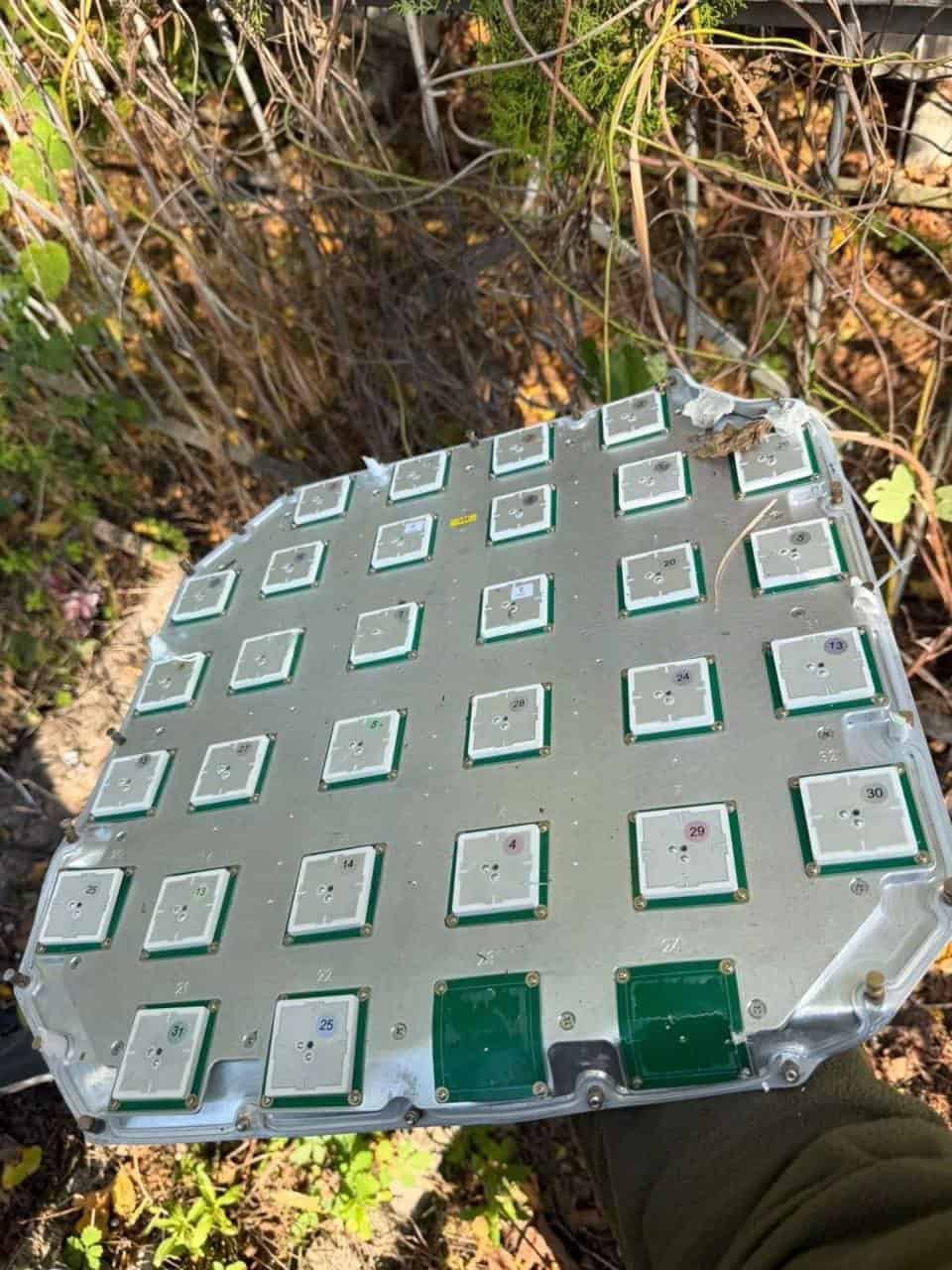
At the same time, Ukrainian intelligence has confirmed that the enemy is using CRPA antennas manufactured in China and Alabuga, which contain 32 antenna elements.
The Kinzhal missile consists of approximately 90% of the same or very similar structural elements and systems as the 9M723 missile of the Iskander-M system.
Russia is currently working on a modification of the missile equipped with a high-explosive fragmentation warhead.
Підтримати нас можна через:
Приват: 5169 3351 0164 7408 PayPal - [email protected] Стати нашим патроном за лінком ⬇
Subscribe to our newsletter
or on ours Telegram
Thank you!!
You are subscribed to our newsletter