




Popular
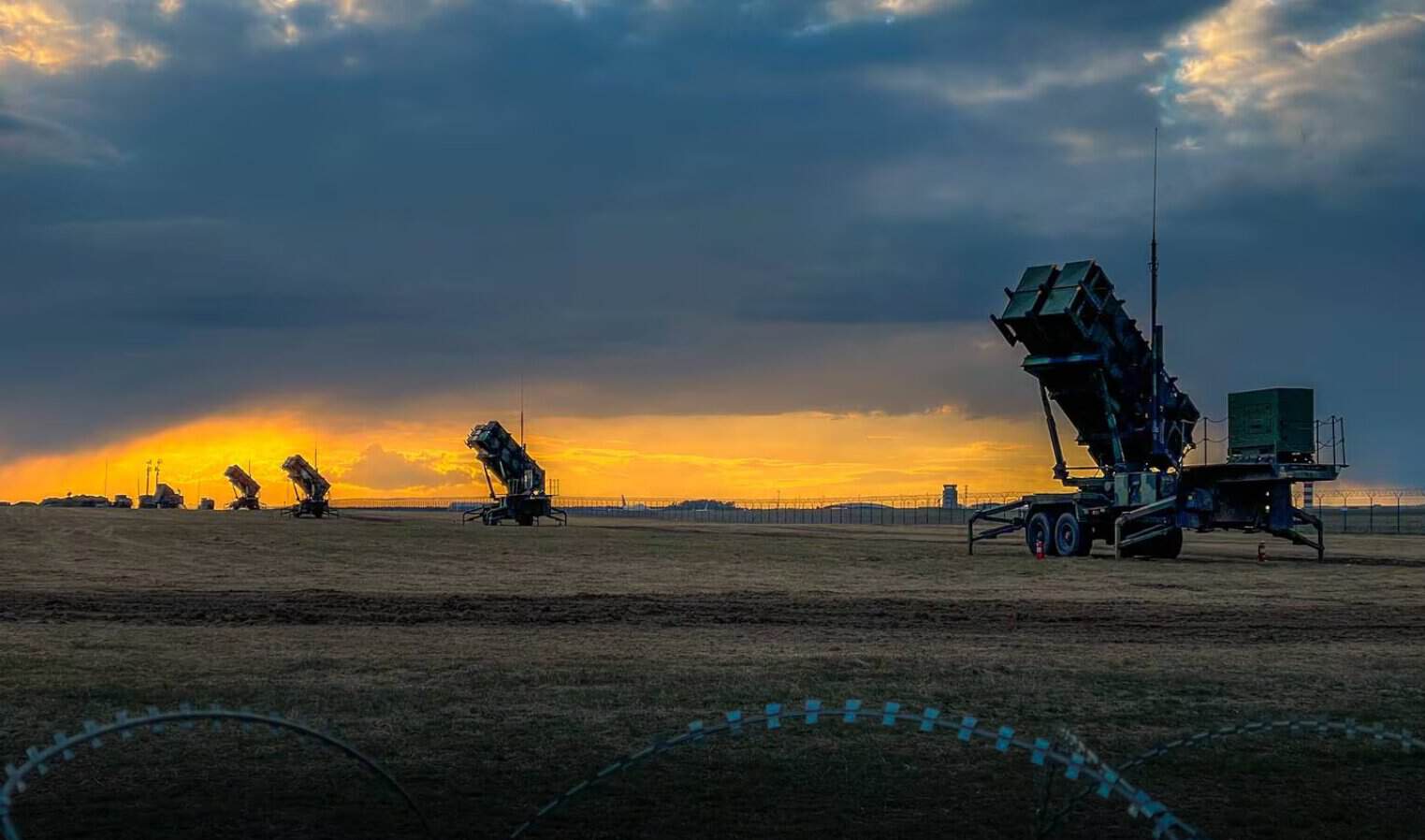
U.S. air defenses in the Middle East are selectively intercepting ballistic missiles and drones to conserve interceptor missile stocks.
NBC News reported this citing two senior U.S. officials.
According to them, military commanders decided not to expend expensive interceptor missiles if they assess that an Iranian missile or drone will not hit U.S. forces, cause significant damage to critical U.S. facilities, or pose a threat to regional allies.
This approach has been used since the first days of the war.
Such ammunition conservation practices, including selective interception of targets, are common among militaries. However, they have gained particular importance as the war with Iran has entered its fifth month and concerns over U.S. ammunition stocks continue to grow.

According to the NBC News sources, one consequence of this strategy is that some Iranian missiles and drones still reach their targets. In most cases, these are munitions that, according to military assessments, do not pose a significant threat and strike abandoned buildings or areas where no U.S. personnel are located.
U.S. officials also said that in some cases the military deliberately allowed Iranian missiles and drones to hit U.S. bases if no personnel were stationed there.
According to the sources, this differs from previous practice, when nearly all missiles and drones capable of striking U.S. military facilities were targeted for interception.
At the same time, the two senior officials could not confirm whether the Iranian munitions that were not intercepted caused casualties among U.S. military personnel or civilians. They emphasized that the strategy carries certain risks.
Since the beginning of the war on February 28, U.S. military bases in the Middle East have sustained significant damage. The U.S. Navy headquarters in Bahrain and ground forces bases in Kuwait were among the most affected.

Reports of destruction and U.S. casualties have also emerged from Qatar, the United Arab Emirates, Saudi Arabia, Jordan and Iraq.
According to preliminary estimates, repairing the damaged facilities will cost billions of dollars.
Підтримати нас можна через:
Приват: 5169 3351 0164 7408 PayPal - [email protected] Стати нашим патроном за лінком ⬇
Subscribe to our newsletter
or on ours Telegram
Thank you!!
You are subscribed to our newsletter