






Popular
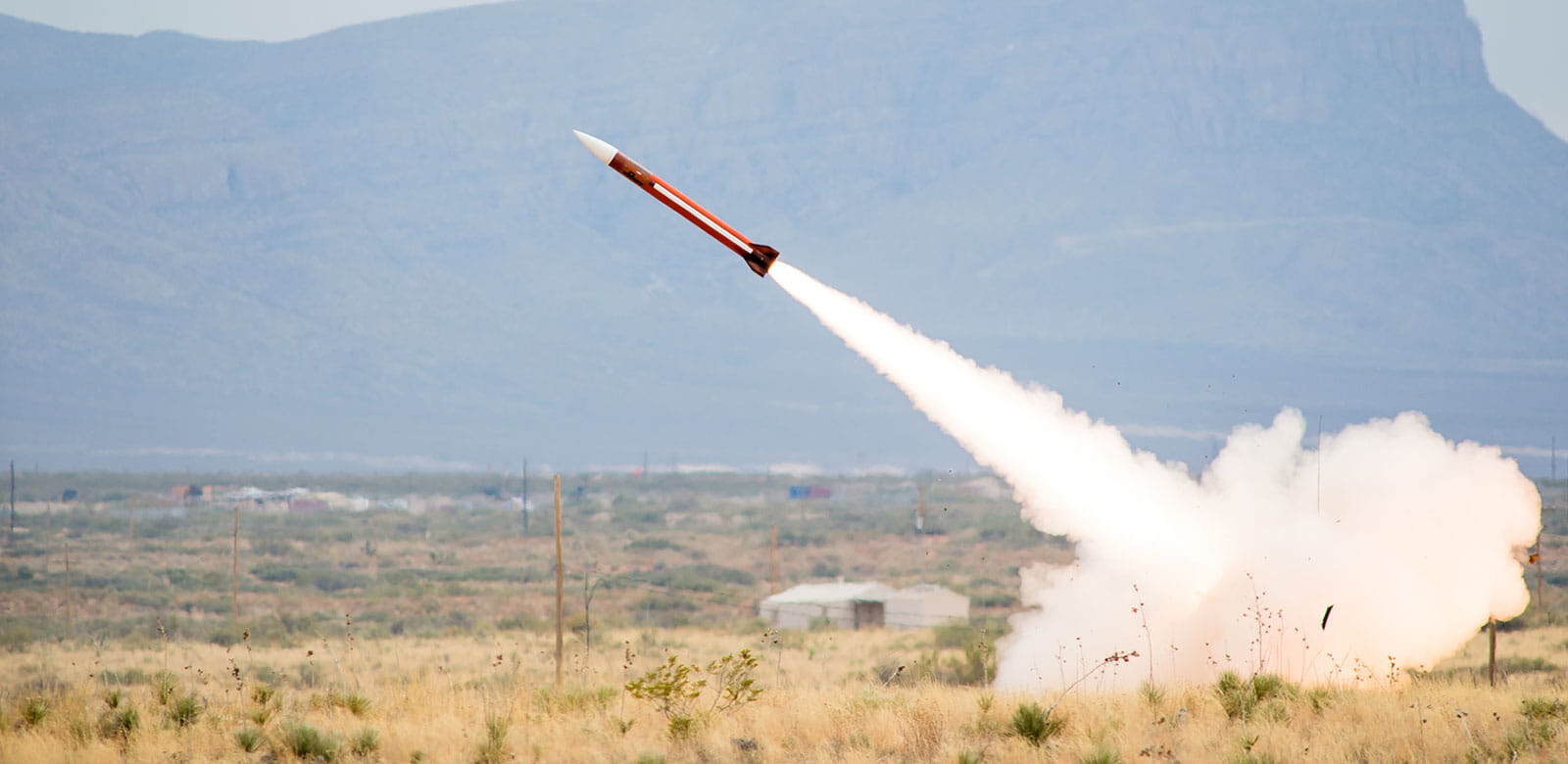
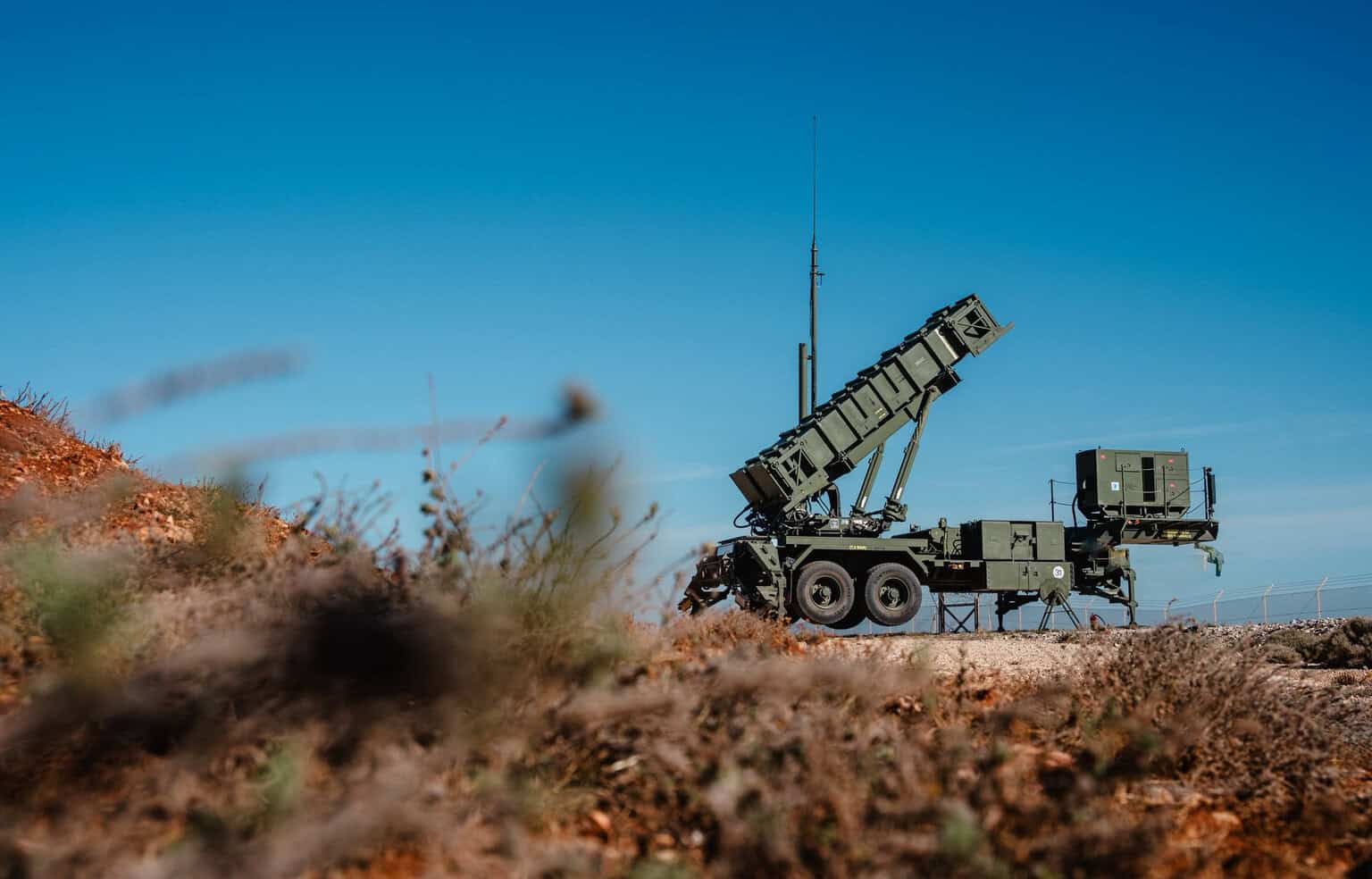
Raytheon has announced that it has been awarded a contract to produce PAC-2 GEM-T interceptor missiles for the U.S. Army’s Patriot air defense systems.
According to The War Zone, this is the first time in more than 30 years that the U.S. Army has ordered new PAC-2 missiles. The procurement comes amid growing concerns that U.S. air defense missile stockpiles have been depleted following the conflict with Iran.
“Raytheon secured nearly $20 billion in new orders, resulting in a book-to-bill ratio of 2.4 for the second quarter of fiscal year 2026. These orders include more than $5 billion worth of Patriot GEM-T interceptors, primarily for international customers, as well as our first domestic order for GEM-T production in more than 30 years,” Raytheon President and CEO Christopher Calio said during the company’s earnings conference call.
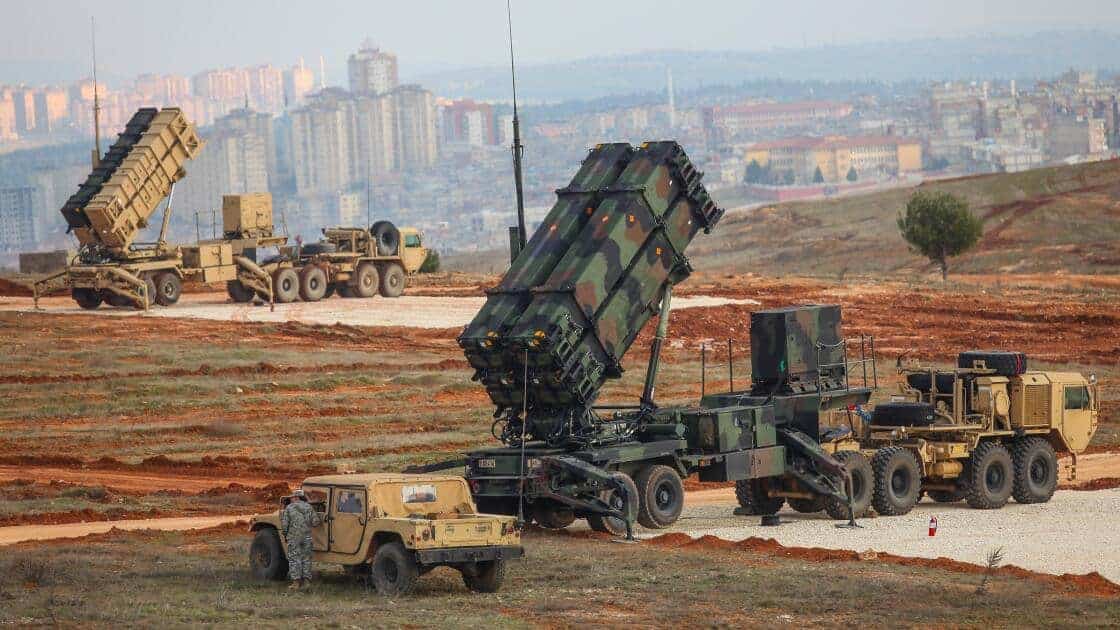
Calio did not disclose details of the domestic order. However, The War Zone notes that it likely refers to a US Army contract awarded in April without significant public attention. The contract is valued at $441.6 million and was intended to support Operation Epic Fury against Iran.
GEM-T stands for Guidance Enhanced Missile–Tactical. Over its service life, the missile has undergone several upgrades, and GEM-T is now the only PAC-2 version still in production.
Compared with earlier PAC-2 versions, the PAC-2 GEM-T features an upgraded seeker designed to improve effectiveness against high-speed ballistic missiles, along with several reliability enhancements. Serial production of the first GEM-T variants began in the early 2000s.
According to the US Army’s Fiscal Year 2027 budget request, the unit cost of a modern PAC-3 MSE interceptor is $5.3 million, while a PAC-2 GEM-T missile is estimated to cost more than $2 million.
The exact number of Patriot interceptor missiles expended by the US Army during the conflict with Iran remains unknown. According to estimates by the Center for Strategic and International Studies (CSIS), the United States had already used between 1,060 and 1,430 Patriot missiles before hostilities resumed in July.
According to the latest publicly available data, as of April 2024, Raytheon was producing approximately 20 PAC-2 GEM-T missiles per month, or around 240 missiles annually. Since then, the company has not announced any plans to independently increase production capacity.
In November 2024, MBDA Deutschland began construction of a GEM-T missile production facility in Schrobenhausen, Germany. The approximately 6,000-square-meter facility is scheduled for completion in September 2026, with production expected to begin by the end of the year. The first serial deliveries under European orders are expected in 2028. According to Reuters, the new German facility is expected to double global PAC-2 production capacity.
As of early 2026, annual PAC-3 MSE production capacity was estimated at approximately 650 missiles per year.
Separately, Mitsubishi Heavy Industries manufactures about 30 PAC-3 missiles annually in Japan under license.

In January 2026, Lockheed Martin reached an agreement with the US Department of Defense on a seven-year production expansion program to increase PAC-3 MSE manufacturing capacity from 650 to 2,000 missiles per year by 2033.
In early July, US President Donald Trump stated that the United States would grant Ukraine a license to manufacture PAC-2 and/or PAC-3 interceptor missiles. However, there is currently no clear timeline for finalizing or implementing such an agreement.
Підтримати нас можна через:
Приват: 5169 3351 0164 7408 PayPal - [email protected] Стати нашим патроном за лінком ⬇
Subscribe to our newsletter
or on ours Telegram
Thank you!!
You are subscribed to our newsletter