



Popular
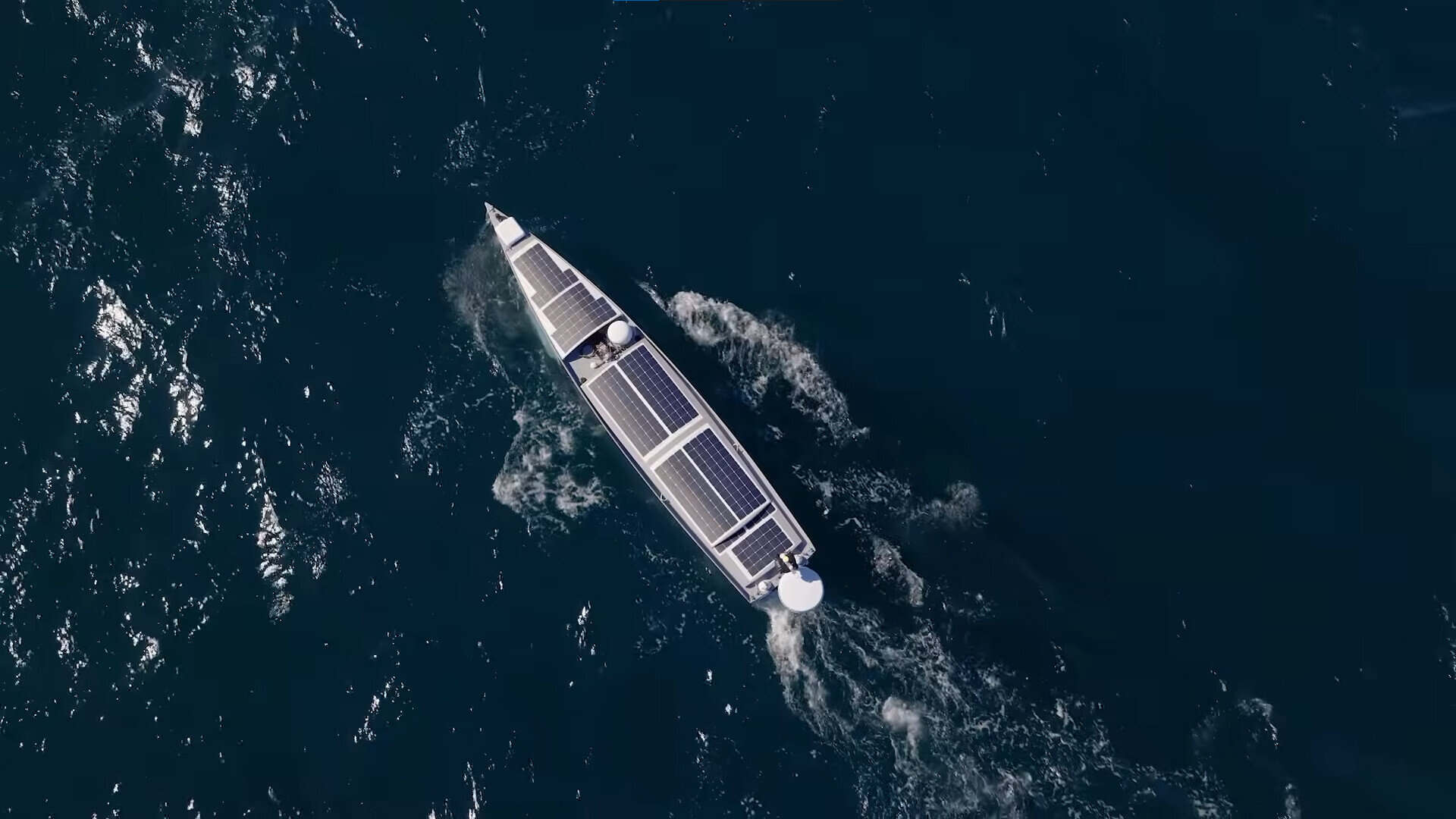
Australia will provide Fiji with Bluebottle uncrewed surface vessels (USV) to patrol sea routes and detect vessels used to smuggle drugs.
Pat Conroy, Australian Minister for Defence Industry, announced this.
The first vessels are scheduled for deployment in early 2027. Australia has not disclosed the final number for operational security reasons.
The transfer is part of the Waqa Moana regional maritime security initiative, to which Australia is contributing 600 million Australian dollars. The program aims to strengthen efforts to combat drug trafficking in the Pacific region.
According to ABC News, Fiji is one of the transit points for drug trafficking from the Americas to Australia and New Zealand.

Fiji’s Minister for Defence Pio Tikoduadua said the country’s vast maritime area and limited resources make it difficult to detect vessels used by smugglers.
According to Tikoduadua, Fijian personnel will operate the Bluebottle vessels. They are intended to detect surface vessels at distances of up to 30 nautical miles (approximately 55 km).
The collected information will be sent to the Vuvale Maritime Essential Services Centre near Fiji’s capital, Suva. The center brings together representatives of the navy, police and other government agencies.
If suspicious vessels are detected, the information can be passed on to patrol ships or international partners for further investigation.

Bluebottle is a 7.4-meter autonomous surface vessel developed by Australian company Ocius Technology for extended patrol, reconnaissance and maritime surveillance missions.
The vessel uses solar energy, wind and waves for propulsion and to power its onboard systems. This design allows Bluebottle to remain at sea continuously for several months without refueling. Its longest confirmed deployment exceeded six months.
The uncrewed vessels can be equipped with radar systems, electro-optical and infrared cameras, and sonar systems to detect surface and underwater targets.
Onboard sensors transmit data to operators via satellite communications, while artificial intelligence algorithms help analyze the information and identify potential threats.

The Royal Australian Navy currently operates 15 Bluebottle vessels and is acquiring another 40.
In 2018, Militarnyi reported on an Australian program to provide patrol boats free of charge to 12 Pacific island nations.
The program aims to strengthen control over territorial waters, counter illegal activities, and improve maritime security in the region.
Підтримати нас можна через:
Приват: 5169 3351 0164 7408 PayPal - [email protected] Стати нашим патроном за лінком ⬇
Subscribe to our newsletter
or on ours Telegram
Thank you!!
You are subscribed to our newsletter