







Popular
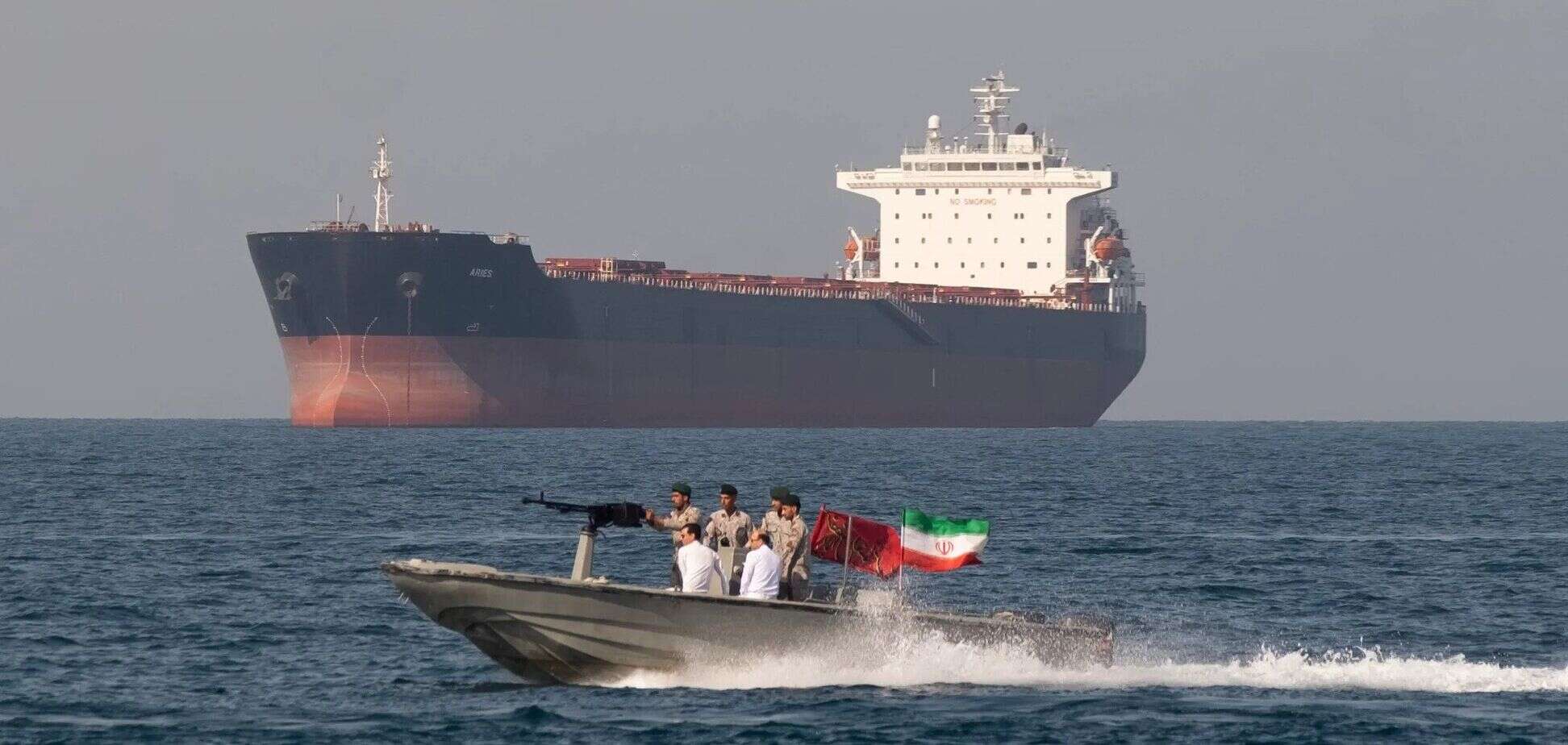
U.S. President Donald Trump accused Iran of a “gross violation” after shelling ships near the Strait of Hormuz and threatened to carry out devastating strikes on Iranian infrastructure.
Reuters reported on this.
Trump said he was ready to destroy key facilities, including bridges and power plants, if Tehran does not make concessions. At the same time, he noted that U.S. representatives are due to arrive in Pakistan on the evening of April 20 to continue negotiations.
The situation around the Strait of Hormuz has sharply escalated after Iran announced on April 17 that it would close the strait to foreign shipping, allowing only its own vessels access.
Tehran later announced it was ready to resume transit, but the following day reversed the decision after the U.S. did not lift restrictions on Iranian vessels.
On April 18, at least two ships reported being shelled while approaching the strait. Since then, tracking services have not recorded active shipping in the area.
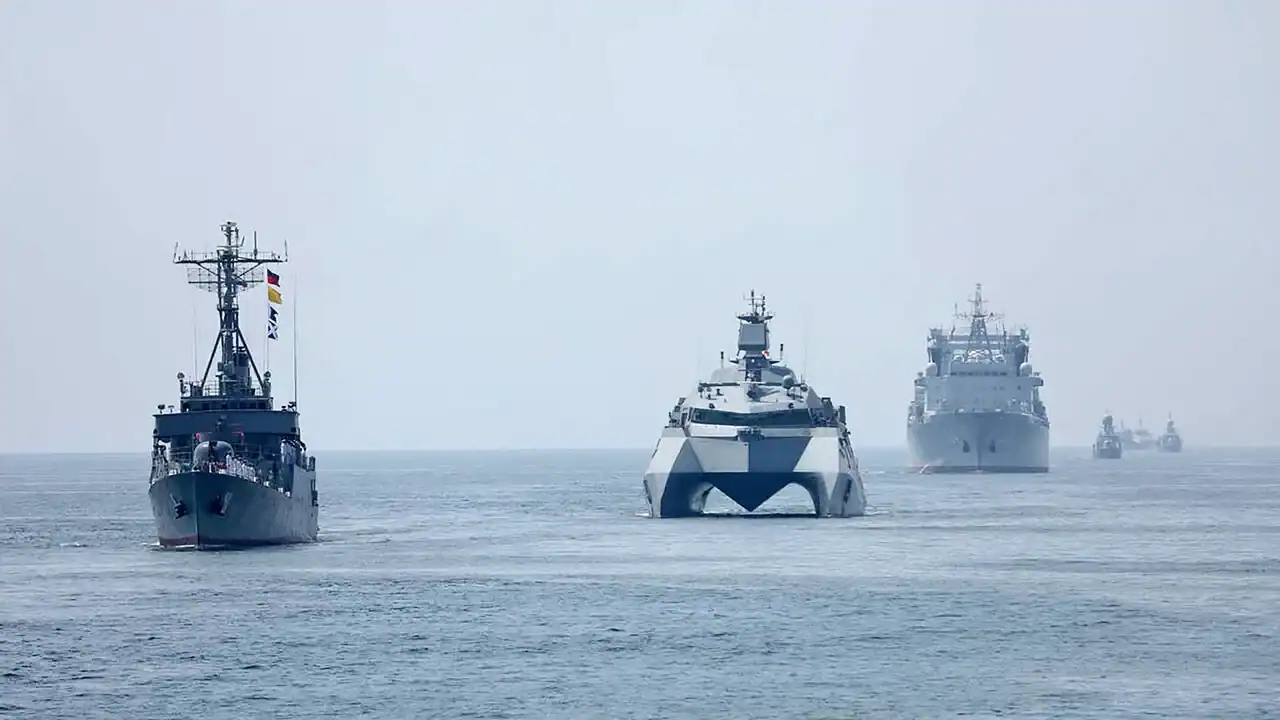
Despite harsh rhetoric and threats of renewed strikes, Trump’s statement on sending a delegation to Pakistan was the first confirmation of an intention to resume the negotiation process. The previous round, held a week earlier, ended without agreement.
Iran’s chief negotiator, Mohammad-Bagher Ghalibaf, claimed that the positions of the parties remain far apart, particularly on the nuclear program and the status of the Strait of Hormuz.
According to monitoring services, on Sunday morning, two liquefied gas tankers attempted to enter the strait, but Iranian media reported that the military forced them to change course. After midnight, no new movements in the area were recorded.
The first announcement on opening the Strait of Hormuz was made on April 8, 2026, when Iran’s Foreign Minister Abbas Araghchi said the strait had been “fully open” to all commercial vessels since the start of the ceasefire in Lebanon on April 16.
Transit was to be carried out exclusively along routes agreed upon by Iran’s Ports and Maritime Organization. This condition was set because Tehran allegedly cannot detect all the sea mines it previously laid.
On April 12, to pressure negotiations, Donald Trump ordered the U.S. Navy to begin a full blockade of the Strait of Hormuz and detain ships paying Iranian transit fees.
On April 16, the United States expanded the naval blockade of Iranian ports to include all Iranian vessels and sanctioned ships, regardless of their location in international waters.
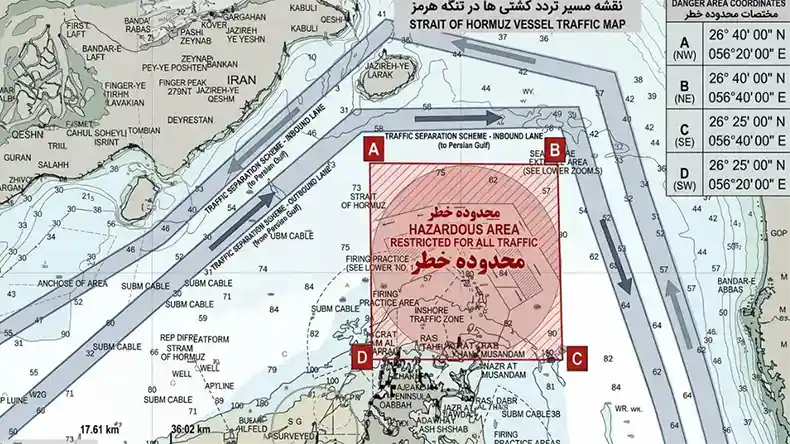
According to Reuters, on April 18, some civilian vessels received a radio message from the Iranian Navy that the strait had been closed again and vessel movement was prohibited.
According to a statement from the spokesman for Iran’s Central Staff, Iran blocked passage of civilian vessels through the Strait of Hormuz due to the U.S. attempt to impose its own blockade on the strait.
Підтримати нас можна через:
Приват: 5169 3351 0164 7408 PayPal - [email protected] Стати нашим патроном за лінком ⬇
Subscribe to our newsletter
or on ours Telegram
Thank you!!
You are subscribed to our newsletter