
Popular
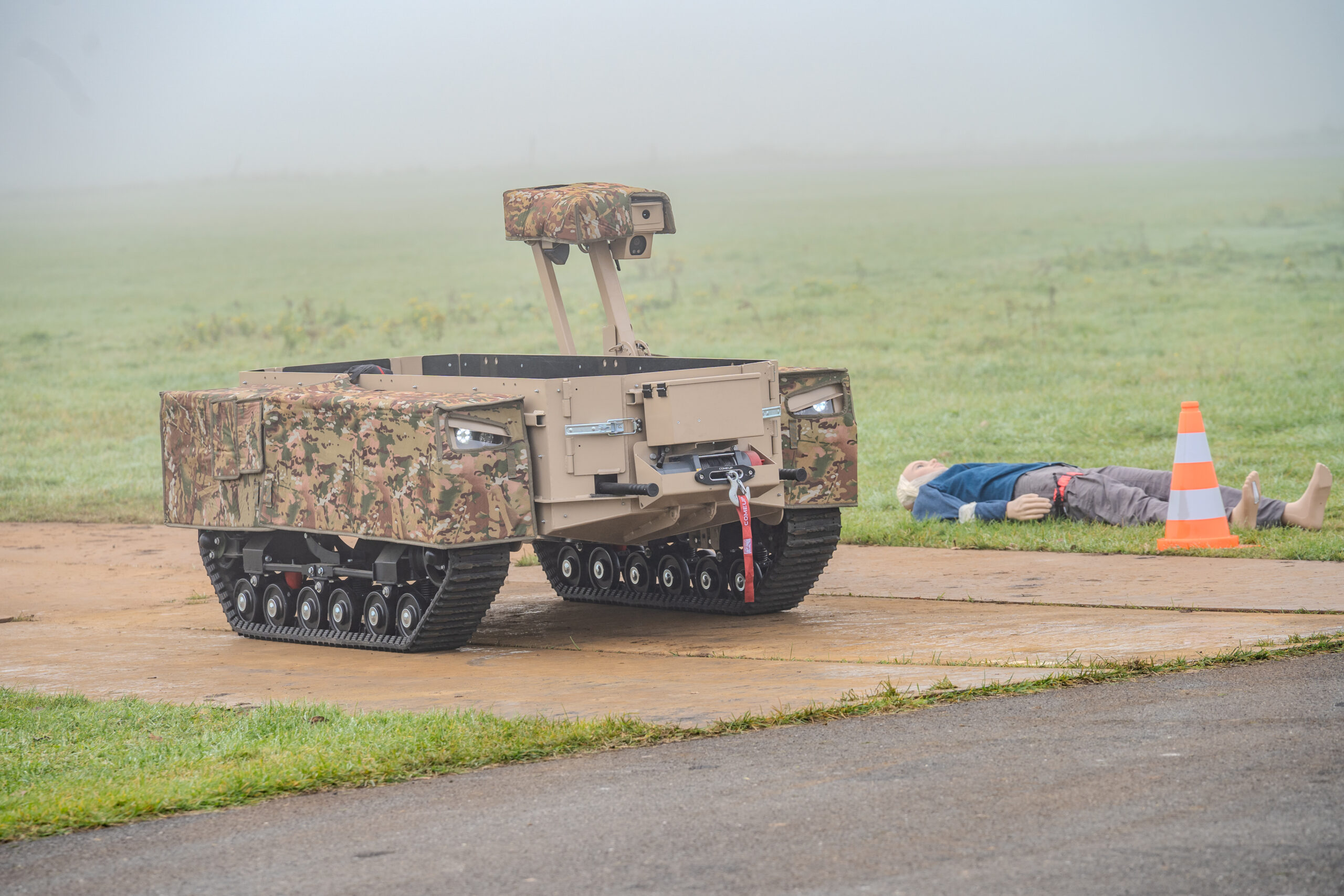
TENCORE is moving towards mass production and scaling up its AI KIT autonomous module for unmanned ground vehicles (UGVs). The technology enables UGVs to carry out combat missions in conditions of complete communications and navigation denial.
The system was demonstrated during a demo day at the European Defence Innovation Forum 2026, currently taking place in the Netherlands. TENCORE CEO Maksym Vasylichenko spoke to Militarnyi correspondent about the project’s details,combat deployment results, and plans for integrating the system.
The previous version has already undergone testing in real frontline conditions, with more than 20 kits delivered exclusively to combat units for operational use. The manufacturer had previously completed internal and field trials. A significantly larger batch is now being prepared for delivery to the military.
“AI KIT is now at the scaling-up stage. We developed the first version in close collaboration with a select group of users who were willing to test the product. We are now ready to scale up production. We currently have 210 kits scheduled for delivery, which are also going to users who have already deployed them or recommended them to others,” said Maksym Vasylichenko.
The AI-powered module is an entirely in-house development by the company, designed as a single integrated unit. The product was first demonstrated in July this year.
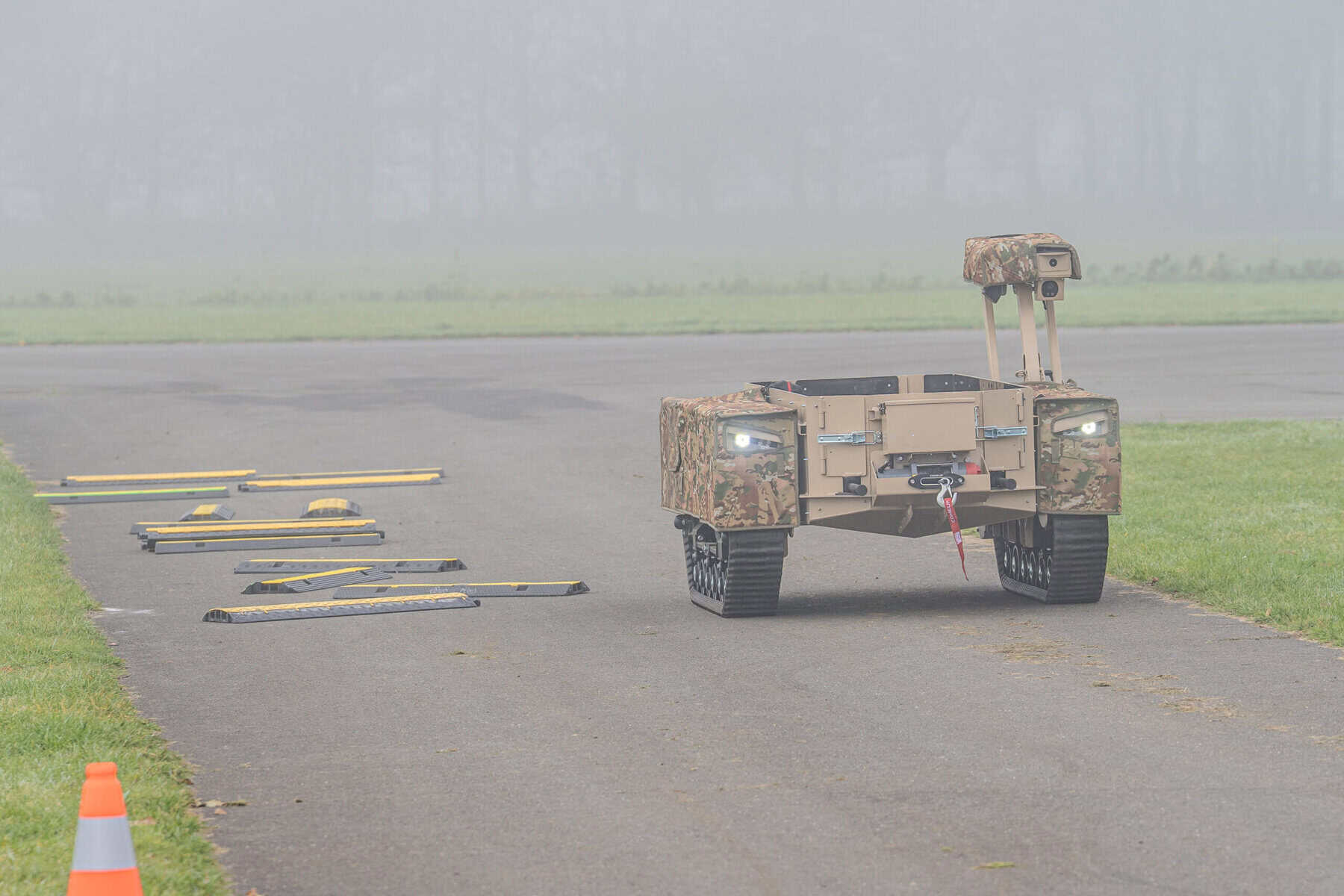
The primary use case for AI KIT is maintaining control and enabling the platform to continue operating in conditions of complete signal jamming and loss of communications.
“This is a situation where you completely lose the signal and positioning data. This is the main function users rely on today. On the battlefield, the enemy can jam communications at any time, or we may lose them ourselves… At that point,the drone can detect the loss of signal and continue carrying out its mission regardless,” explained Vasylichenko.
This involves executing pre-programmed action algorithms, since it is impossible to predict exactly when communications will be lost along a route.
The platform’s first combat mission equipped with this module took place back in the summer.
“We carried out our first combat mission in the summer of this year – possibly the first of its kind in the world. We did not announce it because it was a quiet, covert mission, and we did not want the enemy to learn in advance about the capabilities we were developing. The mission was successful. The robot covered the required distance, after which the commander of the Unmanned Systems Regiment sent us a very positive audio message. According to his statistics, the AIKIT module has already helped save more than 30% of the assets and ensure mission completion,” shared TENCORE’sCEO.
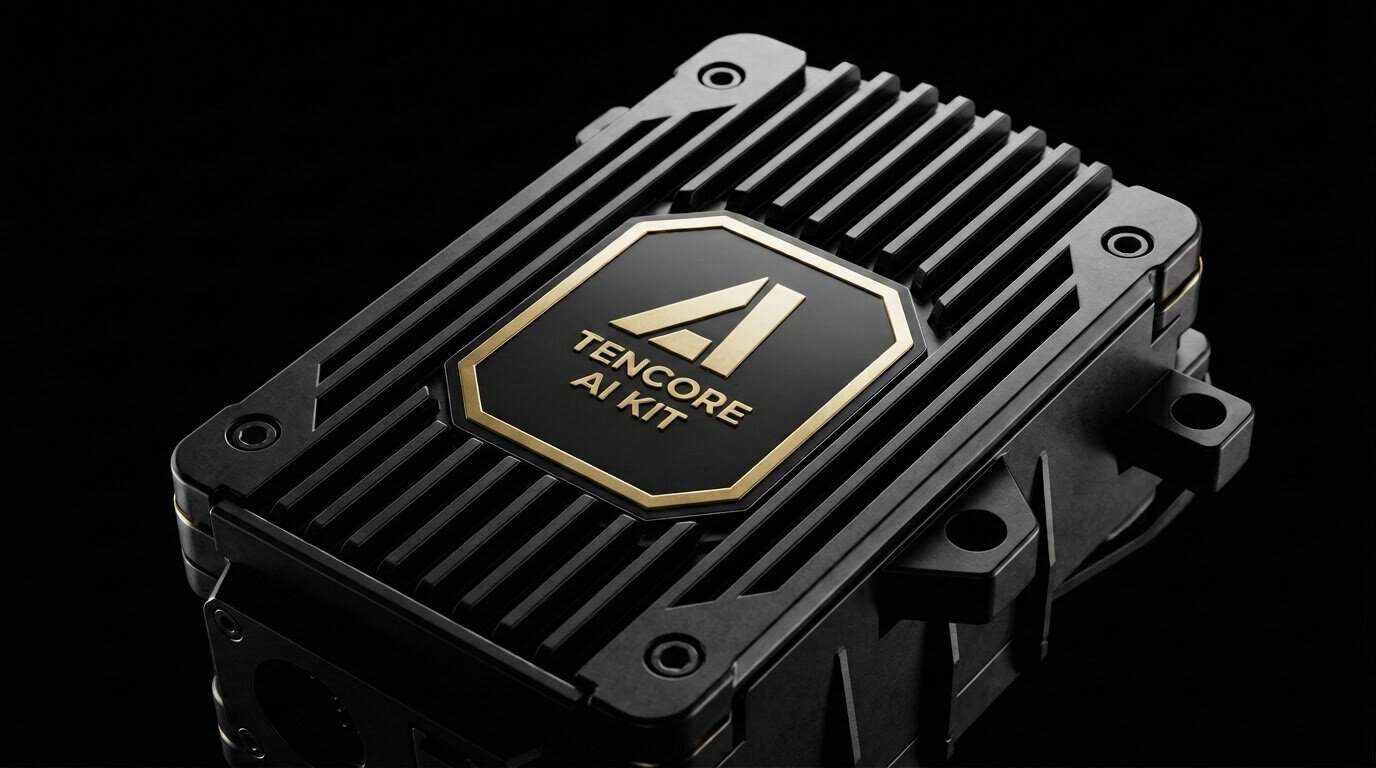
Training the computer vision algorithms has been ongoing throughout the year, taking into account seasonal changes and variations in terrain along the front line. Initially, the system was trained to recognise snow-covered tracks and off-road terrain. In spring, the focus shifted to navigating forest roads, wooded areas, and heavily damaged roads.
Engineers are now focusing on object classification and obstacle assessment, including the detection of potential minehazards.
“We are currently training the system to recognise various types of objects and identify them to the operator. One of the challenges is mine contamination of terrain, as well as other obstacles that could prevent the vehicle from moving. We are training it to identify such hazards and assign them a probability score, allowing it to assess what an object might be. It then makes a corresponding decision: whether to go around the obstacle, move over it, or stop completely and reverse,”explained Maksym Vasylichenko.
Going forward, the company plans to supply the module to other Ukrainian UGV manufacturers and integrate it into platforms already used by the military.
“Integration is a straightforward technical task. The market situation is more or less clear. First, we will integrate it into our own products – Matilda and TOR – and then approach other manufacturers interested in installing it on their platforms. The best advertising will be when a combat unit says it is using the system and achieving a high mission success rate.”
Meanwhile, the company is continuing to gather operational experience to inform the next iteration of the system.The developers plan to unveil a major AI KIT 2.0 upgrade as early as spring. The new module will feature expanded capabilities and substantially greater memory capacity to support more sophisticated onboard AI models.
Підтримати нас можна через:
Приват: 5169 3351 0164 7408 PayPal - [email protected] Стати нашим патроном за лінком ⬇
Subscribe to our newsletter
or on ours Telegram
Thank you!!
You are subscribed to our newsletter