







Popular
A Russian academician proposed several options for disabling Starlink, which is helping Ukraine.
The scenarios were proposed by Sergei Glazyev, an academician of the Russian Academy of Sciences, together with Konstantin Malofeev, the founder of the Tsargrad media.
This involves a comprehensive set of measures, rather than a single strike. The authors claim that this is technically feasible.
Among the specific steps, Glazyev mentions cutting off communication channels on land and on the seabed, disrupting the operation of data centers, and destroying enemy reconnaissance and command aircraft regardless of their national affiliation.
He specifically highlights the disabling of communications satellites, particularly the Starlink constellation.

Glazyev argues that without communication with American and British spotters, planners, and analysts, the Ukrainian army will be “blinded” and lose its ability to conduct systematic combat operations.
“Starlink is not a geostationary satellite constellation; all of its satellites are moving around the planet at tremendous speeds. It is impossible to destroy only those ‘hovering over Ukraine’ because nothing is hovering over it. The entire system must be targeted in its entirety,” the article states.
He considers this factor to be key, rather than a minor detail.
It is proposed to make more active use of the Volna Kupol Garant system.
This is a specialized electronic warfare (EW) system costing about $1.5 million per unit, deployed on trailers equipped with special antennas.
It directs a powerful high-frequency signal directly at a passing Starlink satellite, temporarily disabling it.

According to the developers, a single system is capable of disrupting communications within a radius of up to 20 square kilometers.
Previously, the Tobol and Tirada-2 systems were also announced, as well as the ambitious Alabuga electromagnetic weapons project.

These are stationary and mobile strategic-level systems designed for electronic suppression of satellite communications over large areas.
“Unfortunately, we have not seen them in actual combat against enemy communications, or their use has not been publicized,” the authors note.
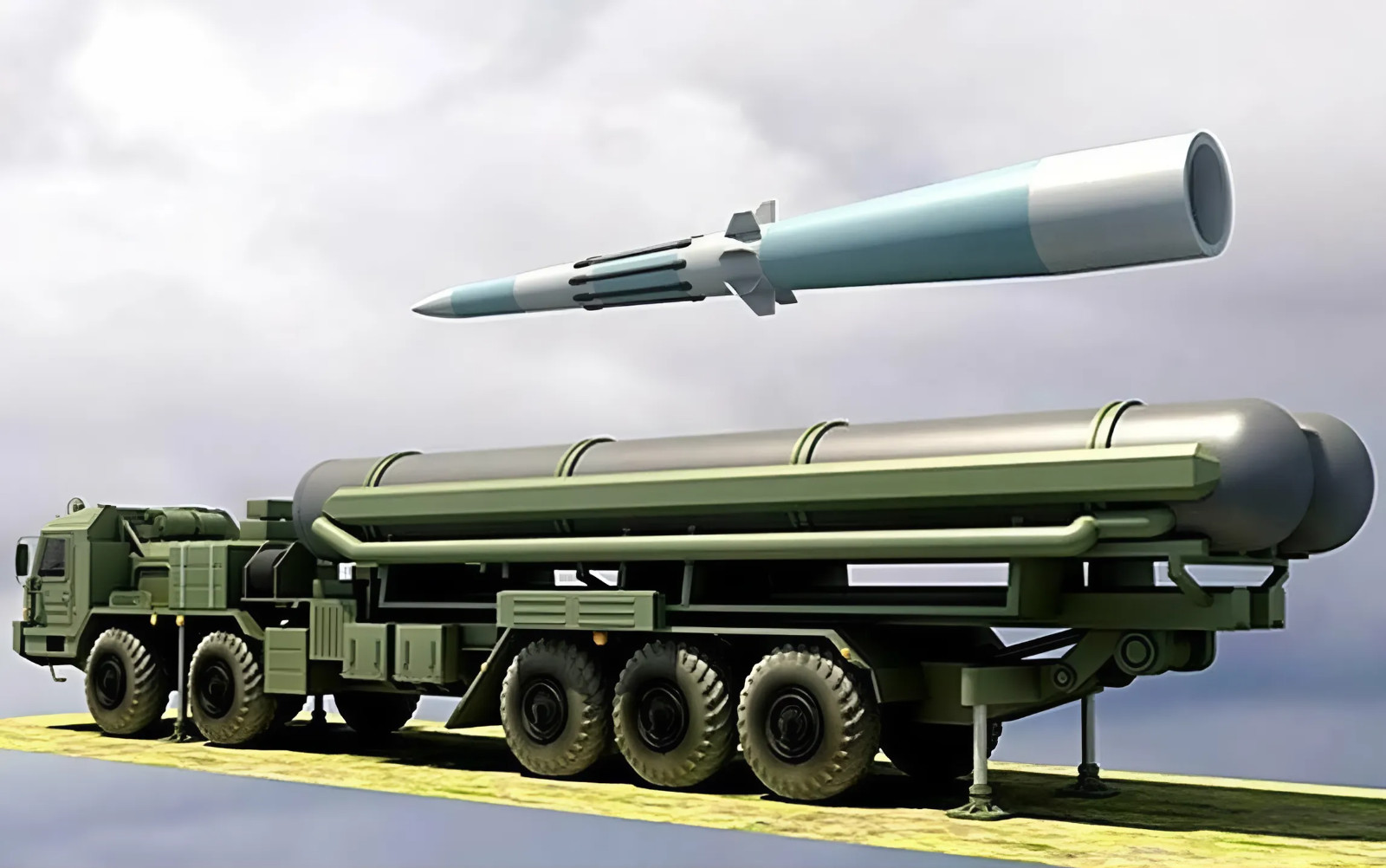
It is proposed to use the A-235 Nudol and S-500 Prometheus anti-missile systems.
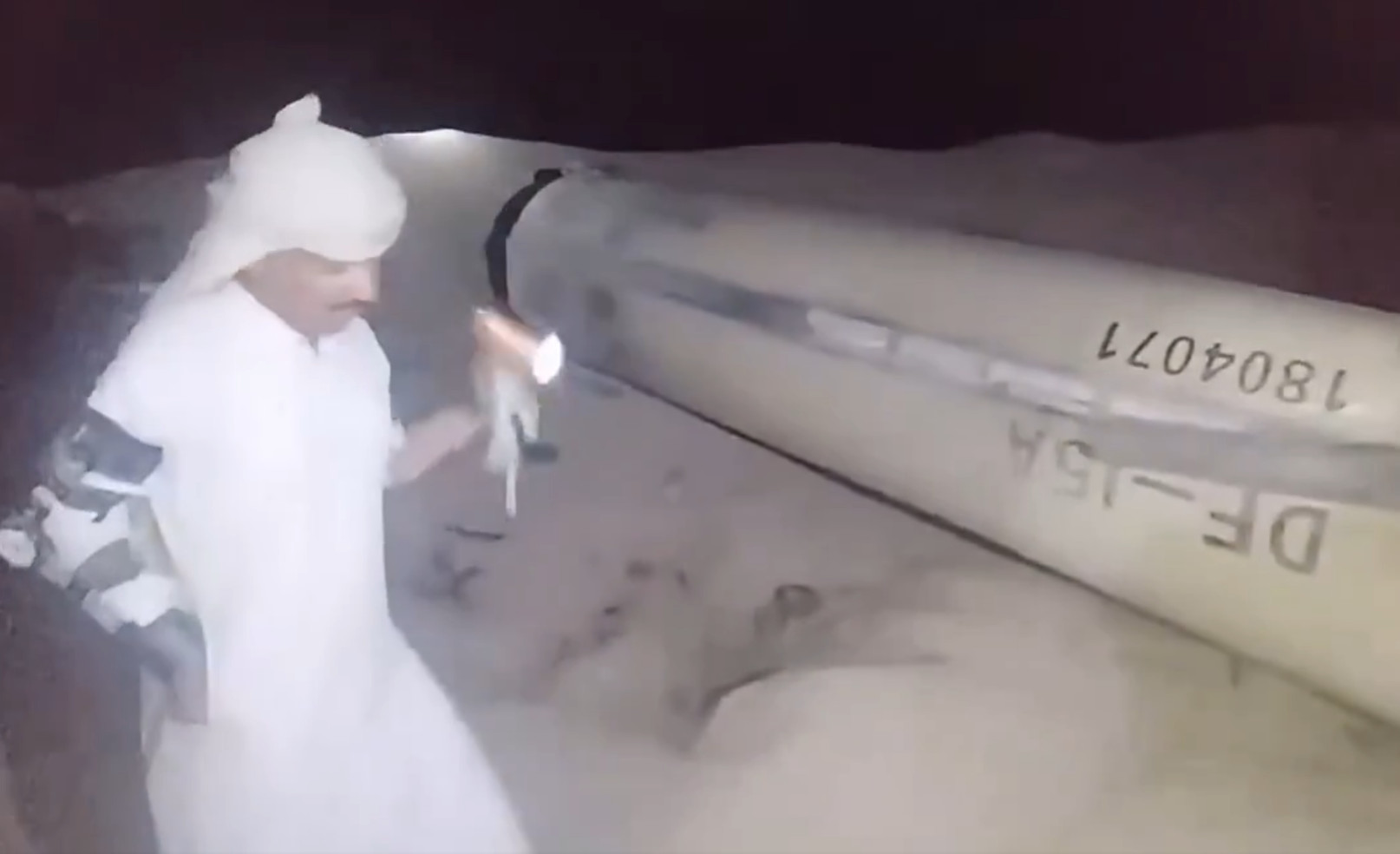
They are designed to shoot down objects in low Earth orbits.

“But spending a single expensive anti-missile on a single cheap satellite is an insane luxury,” the authors note.
According to the Russians’ plan, ejecting hundreds of thousands of metal balls from orbital platforms is intended to stop Starlink.
At orbital speeds, a collision with such an object is guaranteed to destroy or disable the satellite’s solar panels and electronics.

The Kessler effect will take hold — an avalanche-like destruction of everything at that altitude.
“Most of the impacts will hit the solar panels. Their debris will also become our weapon, which will finish off the satellite constellation,” the Russians claim.
The Russians propose detonating a nuclear warhead in space.
A powerful electromagnetic pulse or artificial radiation belts would burn out the electronics of hundreds and thousands of satellites in low Earth orbit.
Illustration of a nuclear explosion in space. Image: AFPC
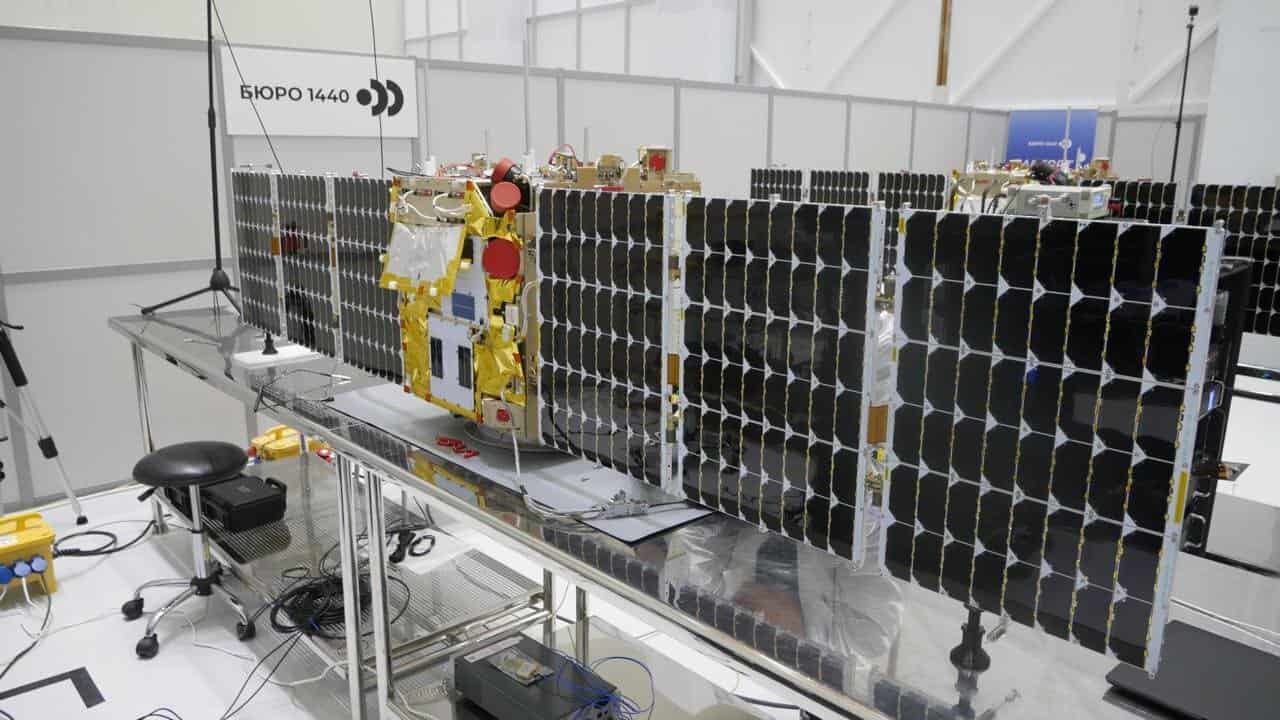
At the same time, Russia has the Rassvet low-Earth orbit communications system from Bureau 1440, which operates at virtually the same altitude as Starlink.
Such a scenario would also destroy the Russian satellite project.
“We can no longer strike at Musk’s brainchild for free. But this is still the best option. The legal consequences of such a decision are insignificant,” the authors of the scenarios write.
Illustration of the operation of the Russian Rassvet satellites from Bureau 1440
Earlier, it was reported that Russia and China had developed a joint plan to counter Starlink.
As a reminder, on September 23, a Starlink station in Poland, which provides communications for Ukraine, caught fire. During an inspection of the scene near the burned-out distribution cabinet, law enforcement officers discovered a bottle containing a flammable substance.
Підтримати нас можна через:
Приват: 5169 3351 0164 7408 PayPal - [email protected] Стати нашим патроном за лінком ⬇
Subscribe to our newsletter
or on ours Telegram
Thank you!!
You are subscribed to our newsletter