






Popular
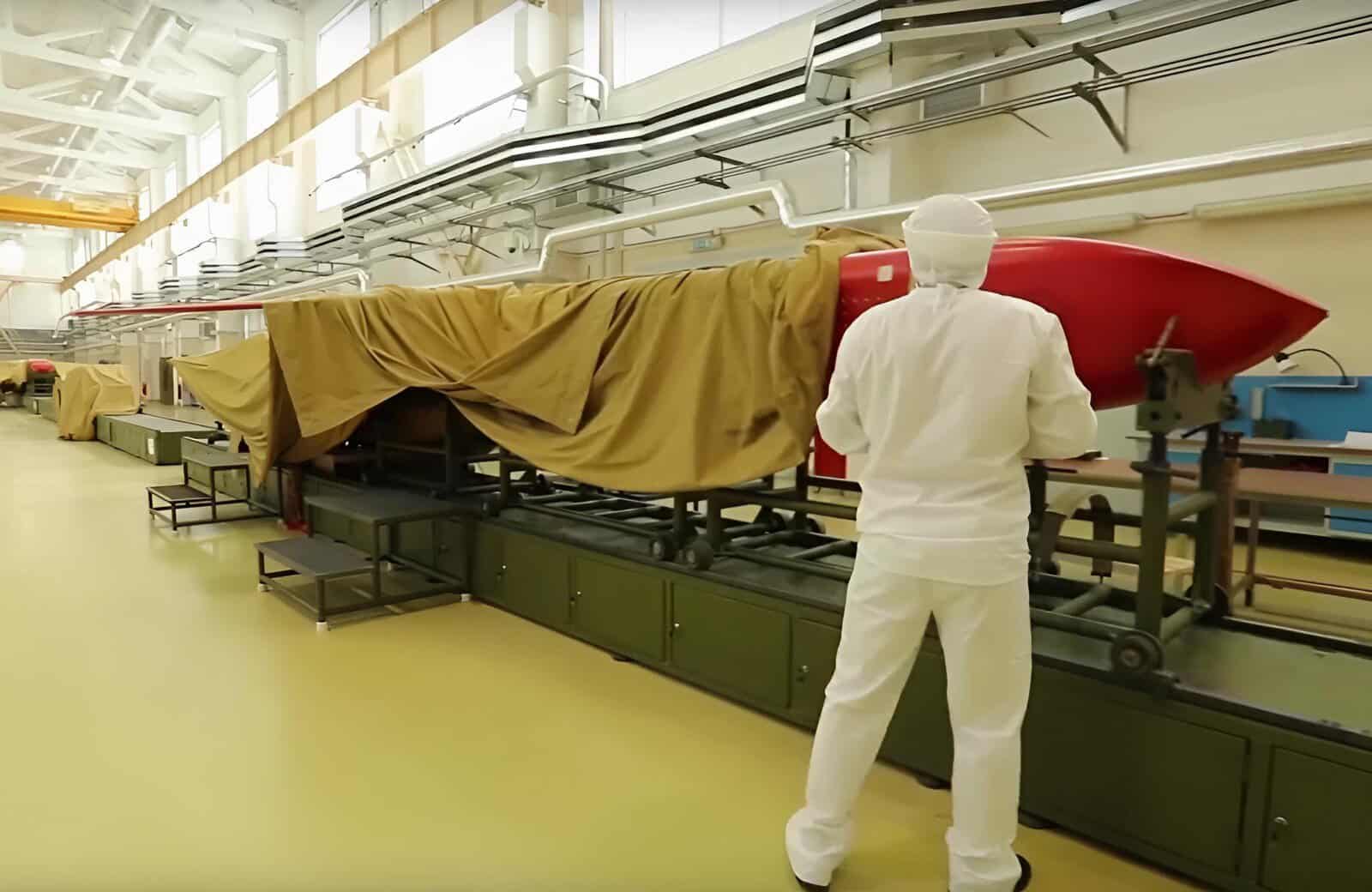
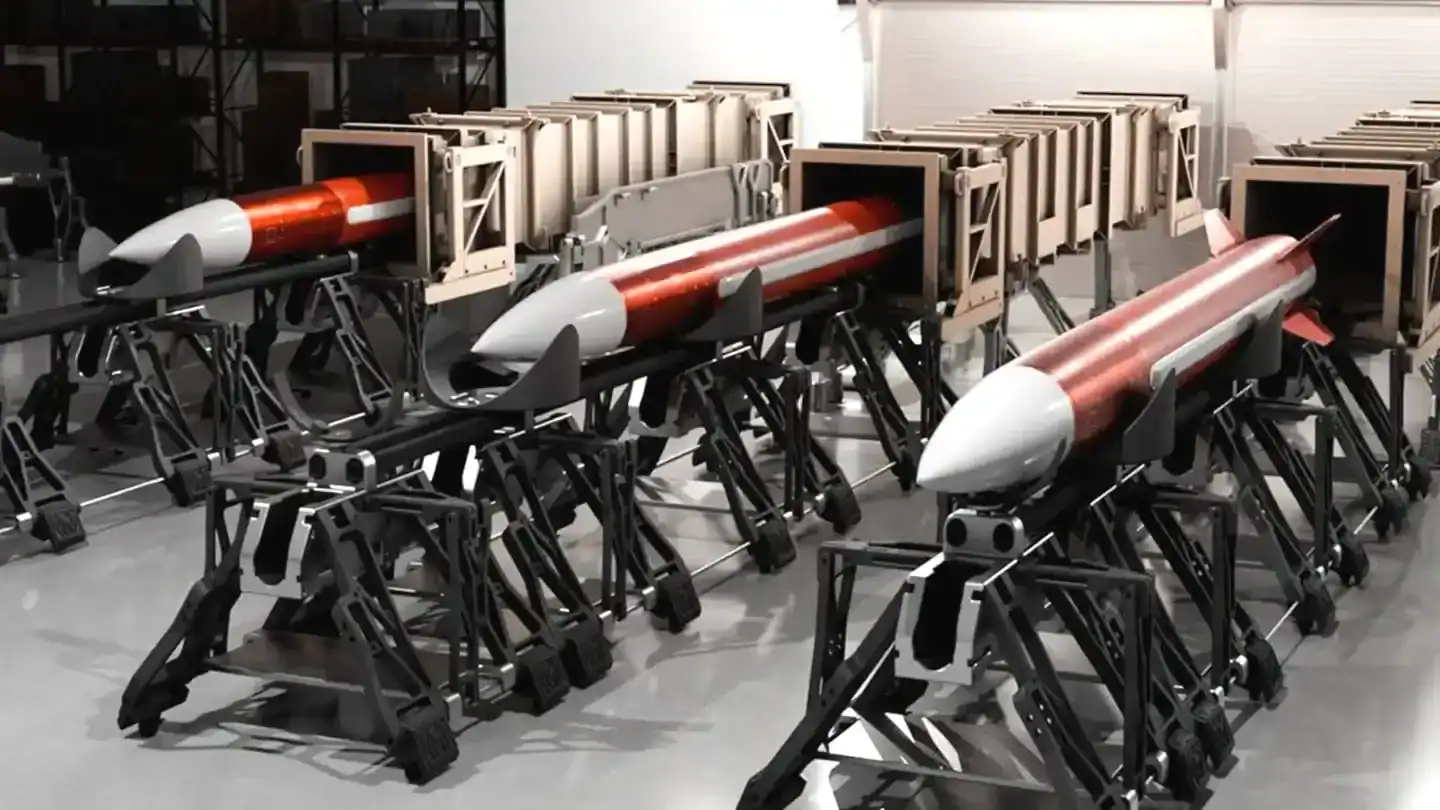
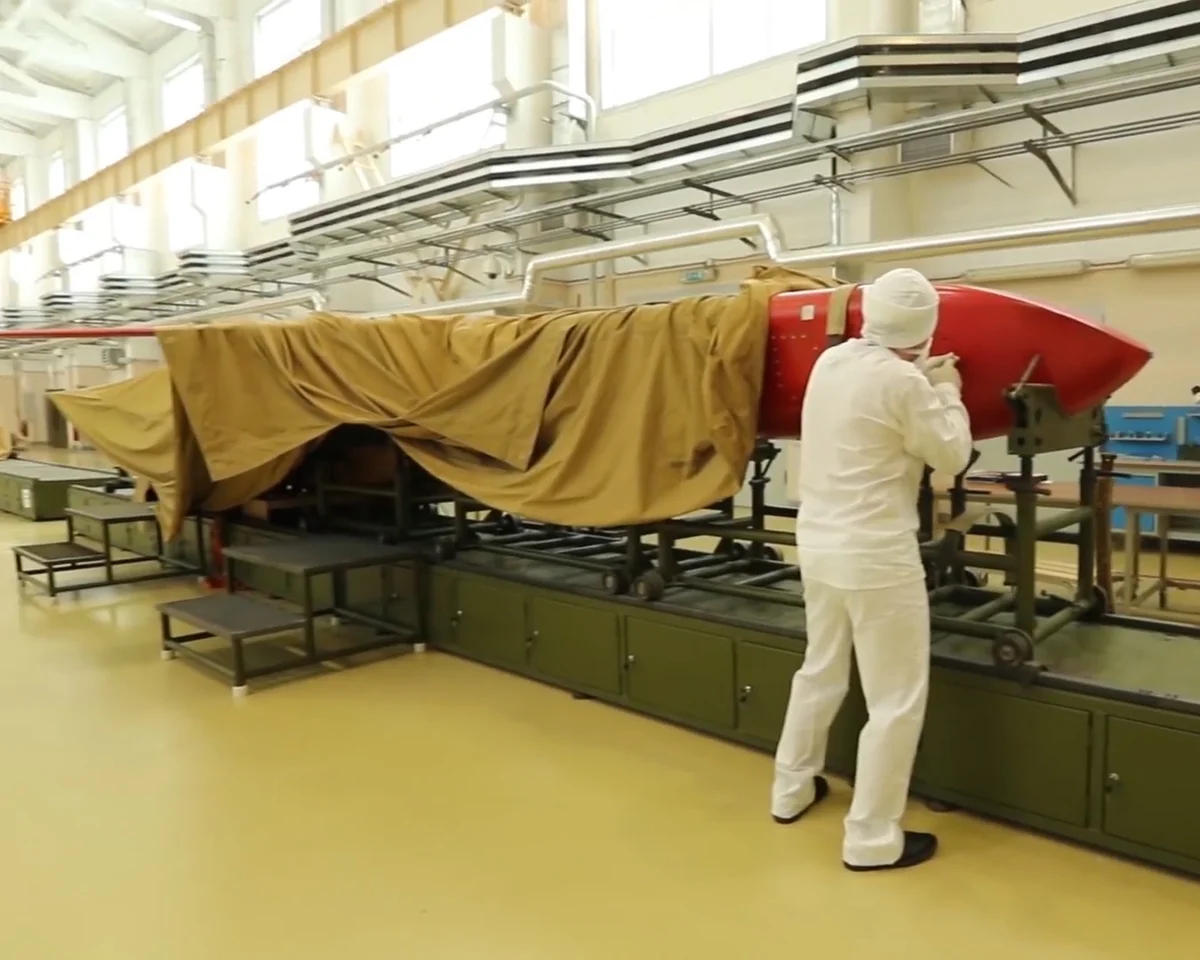
Russia is reportedly preparing for another test of the 9M730 Burevestnik cruise missile, which is powered by a nuclear propulsion system.
The Insider reported this, citing OSINT analysts from AviVector.
According to AviVector, a second Il-976 SKIP (airborne command-and-measurement post) arrived at the Rogachyovo airfield on Novaya Zemlya on August 22–23.
This aircraft type is used to track missile flight paths, monitor telemetry, and collect data during tests.
Norwegian OSINT analyst Tor Are Iversen believes that the arrival of a second Il-976 could indicate preparations for a new flight test of the Burevestnik.
In addition, an A-50U airborne early warning and control (AEW&C) aircraft, four An-26 military transport aircraft, one An-74D, and several helicopters have been spotted at Rogachyovo airbase.
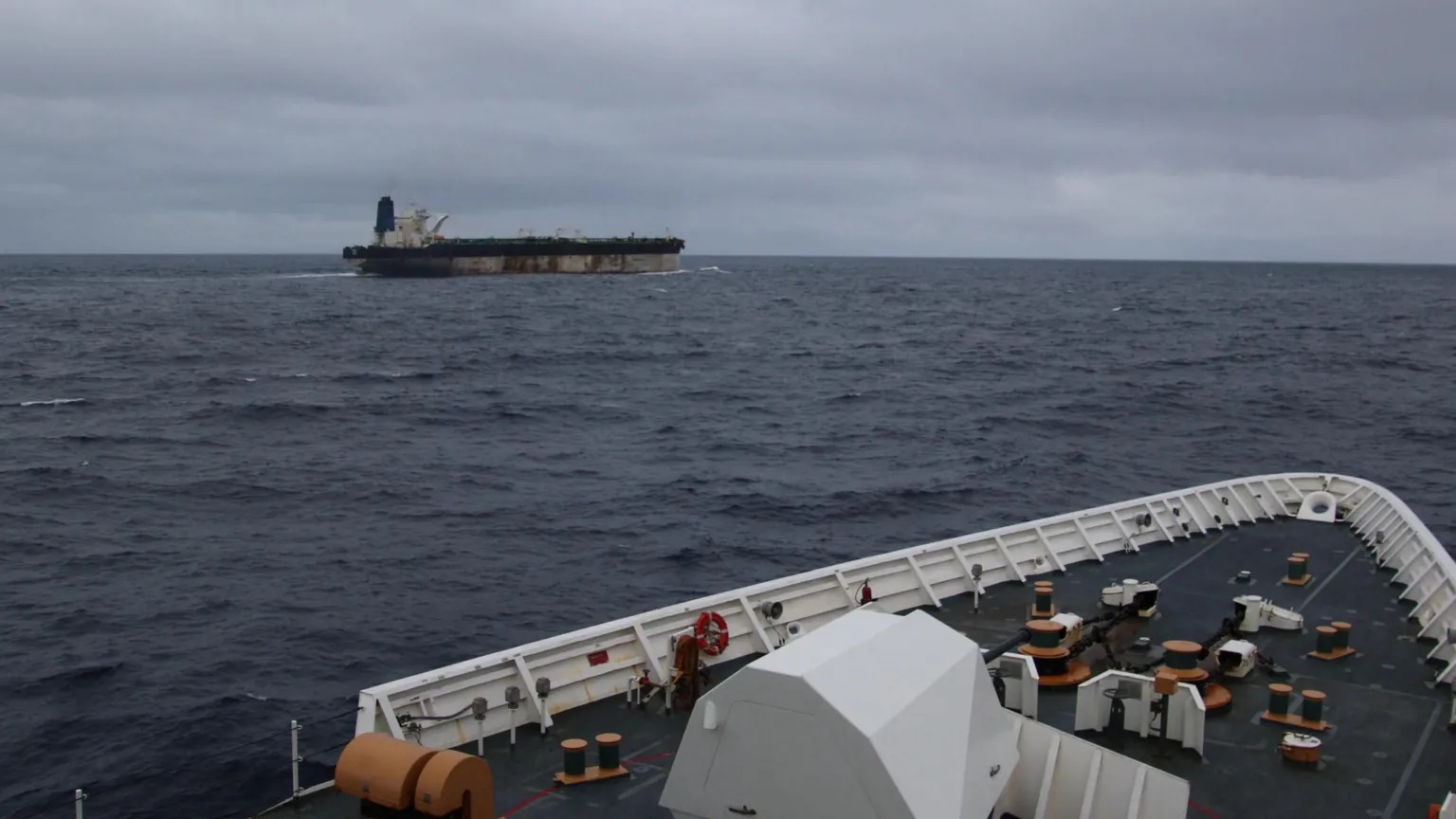
According to the Barents Observer, vessels that are typically involved in Burevestnik tests, including search and recovery operations, are currently present in the Barents and Kara seas.
Iversen noted that deploying these assets aligns with scenarios from previous missile tests. According to him, civilian vessels involved in the program moved into positions east and west of Severny Island for the first time this season. The analyst believes this may have been a rehearsal ahead of the test.
The Burevestnik is a cruise missile powered by a nuclear propulsion system. Russia claims that this power system supposedly gives the missile unlimited range. Vladimir Putin has repeatedly claimed that the missile has undergone successful tests.
Militarnyi previously reported that the missile was last tested on October 21, 2025. According to Russian Defense Ministry officials, the flight lasted approximately 15 hours, during which the missile covered about 14,000 kilometers.
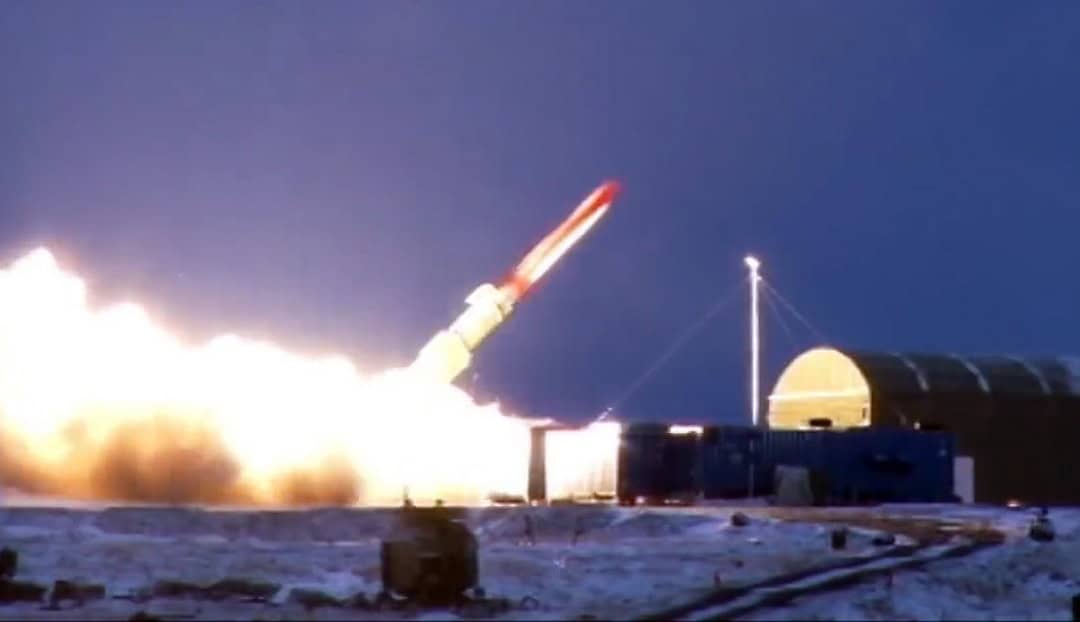
Two scientists from the Massachusetts Institute of Technology concluded that the 9M730 uses a nuclear-powered turbojet propulsion system that leaves a radioactive trail. They believe this configuration best explains the missile’s claimed flight duration and dimensions.
U.S. intelligence detected the first Burevestnik test launches in June 2016. By 2019, Russia had conducted at least 13 such launches, only two of which were considered partially successful. In 2023 and 2025, Russian officials claimed that the missile had undergone successful tests.
Підтримати нас можна через:
Приват: 5169 3351 0164 7408 PayPal - [email protected] Стати нашим патроном за лінком ⬇
Subscribe to our newsletter
or on ours Telegram
Thank you!!
You are subscribed to our newsletter