



Popular

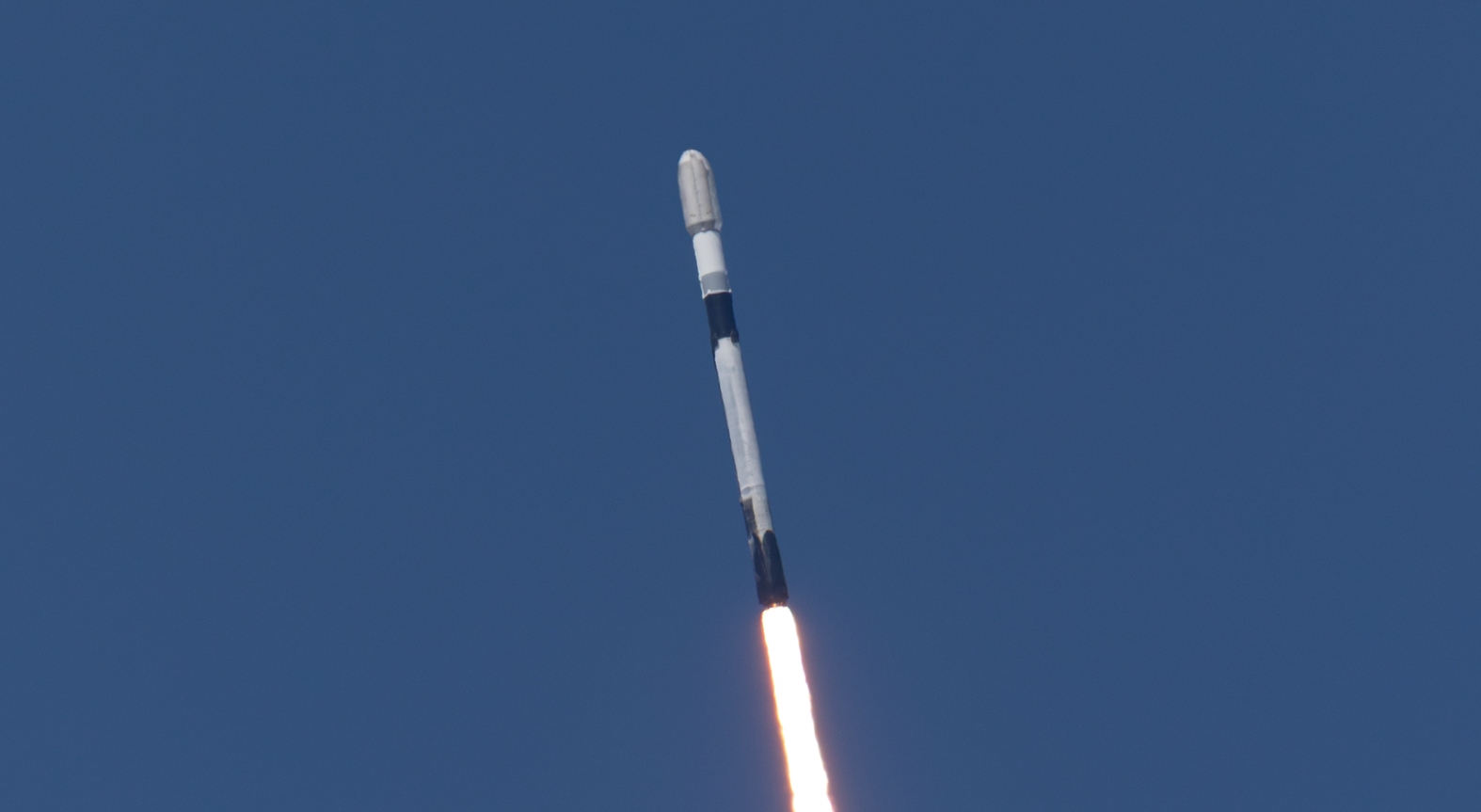
On the night of January 20, Russian forces attacked the Vinnytsia region using their latest hypersonic anti-ship missile, the Zircon.
The Ukrainian Air Force Command reported the use of this missile.
Missile and drone flight paths published by the Telegram channels PPO Radar and Monitoring also indicate a likely Zircon strike on the Vinnytsia region.
In the morning, Head of the Vinnytsia Regional Military Administration Nataliia Zabolotna reported that the overnight attack resulted in a hit on a critical infrastructure facility.

Meanwhile, the invaders directed the main strike toward Kyiv and the Kyiv region.
In addition, the enemy used 18 Iskander-M ballistic missiles or missiles from the S-300/S-400 systems. Russian forces also launched 15 Kh-101 cruise missiles and 339 attack drones of various types, about 250 of them Shahed drones.
The Zircon missile was launched from the territory of temporarily occupied Crimea.
As of 10:00 a.m., air defense forces had shot down or suppressed 342 targets: 14 ballistic missiles, 13 Kh-101 cruise missiles, and 315 enemy UAVs in northern, southern, eastern, and central Ukraine.
Five missiles and 24 attack drones hit 11 locations. Debris from downed UAVs fell at 12 locations. Information regarding two enemy missiles is being clarified.
Since the start of the full-scale invasion, Russia has already used Zircon anti-ship missiles several times to strike ground targets in Ukraine. Notably, this missile was initially designed to counter the U.S. Navy.

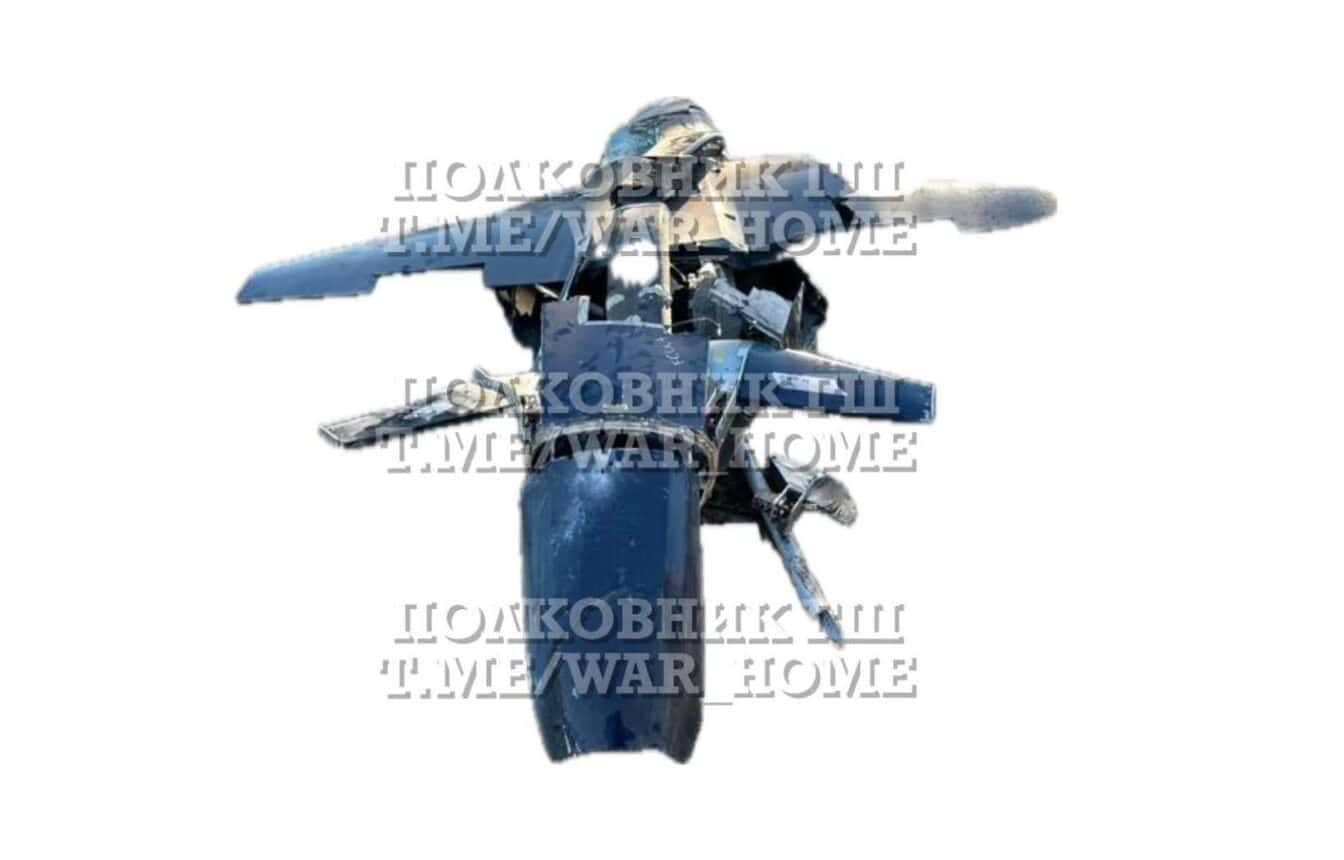
Militarnyi previously suggested that the warhead recovered from a missile shot down in 2024 is significantly smaller than those used in similar Russian supersonic anti-ship missiles. Based on its dimensions, it measures approximately 400 mm in diameter and about 450 mm in length. By weighing the fragments, it was determined that the warhead’s total mass is estimated at 150–200 kg, of which roughly 40–80 kg is explosive material.
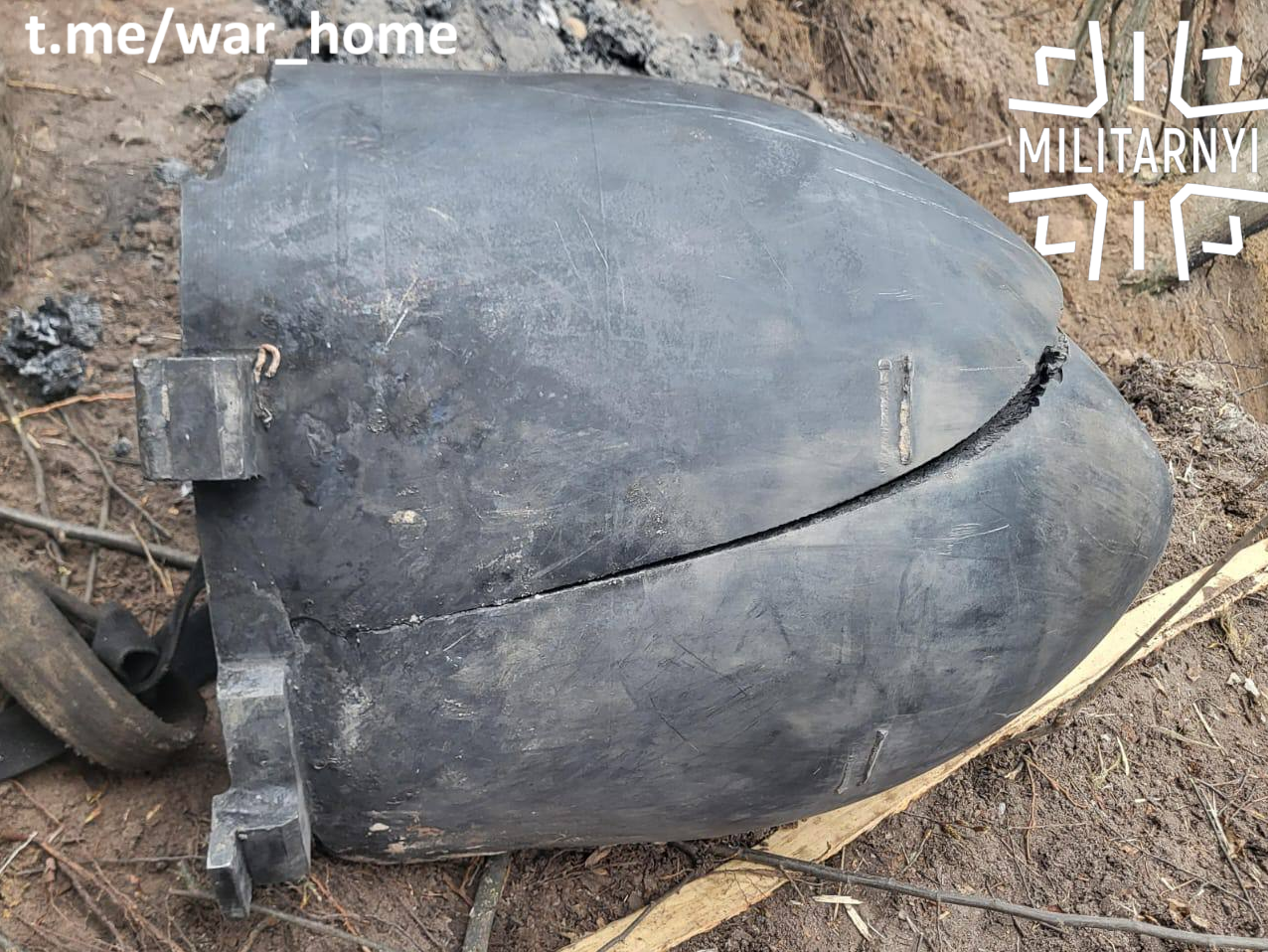
The warhead casing is made of steel. The walls are relatively thin, but their thickness increases toward the nose section to withstand impact loads upon collision. This design is similar to the warhead of the Oniks missile and is typical for anti-ship missiles, which are not intended to penetrate thick armor or reinforced concrete fortifications.
Підтримати нас можна через:
Приват: 5169 3351 0164 7408 PayPal - [email protected] Стати нашим патроном за лінком ⬇
Subscribe to our newsletter
or on ours Telegram
Thank you!!
You are subscribed to our newsletter