






Popular
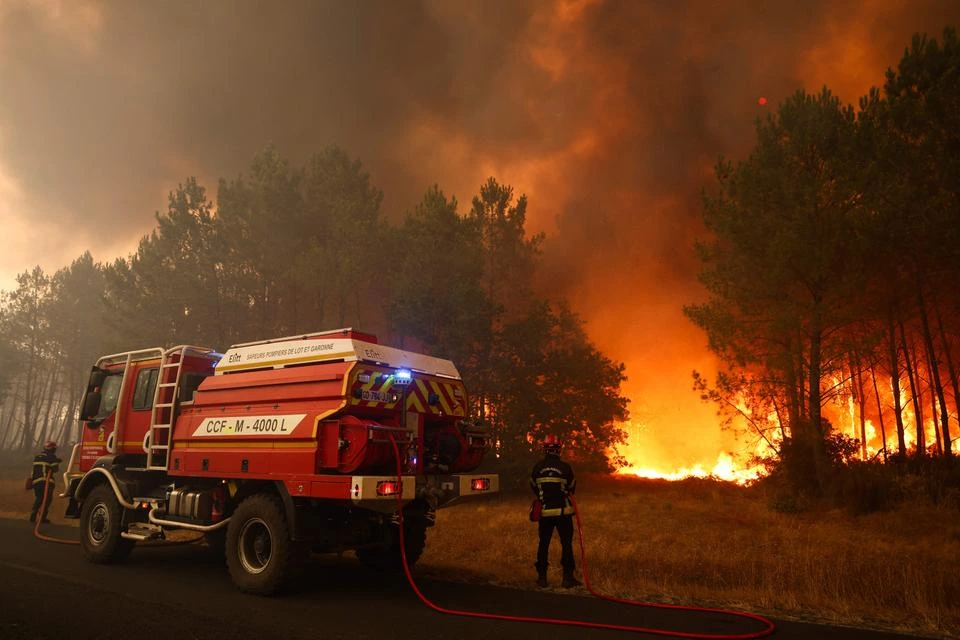
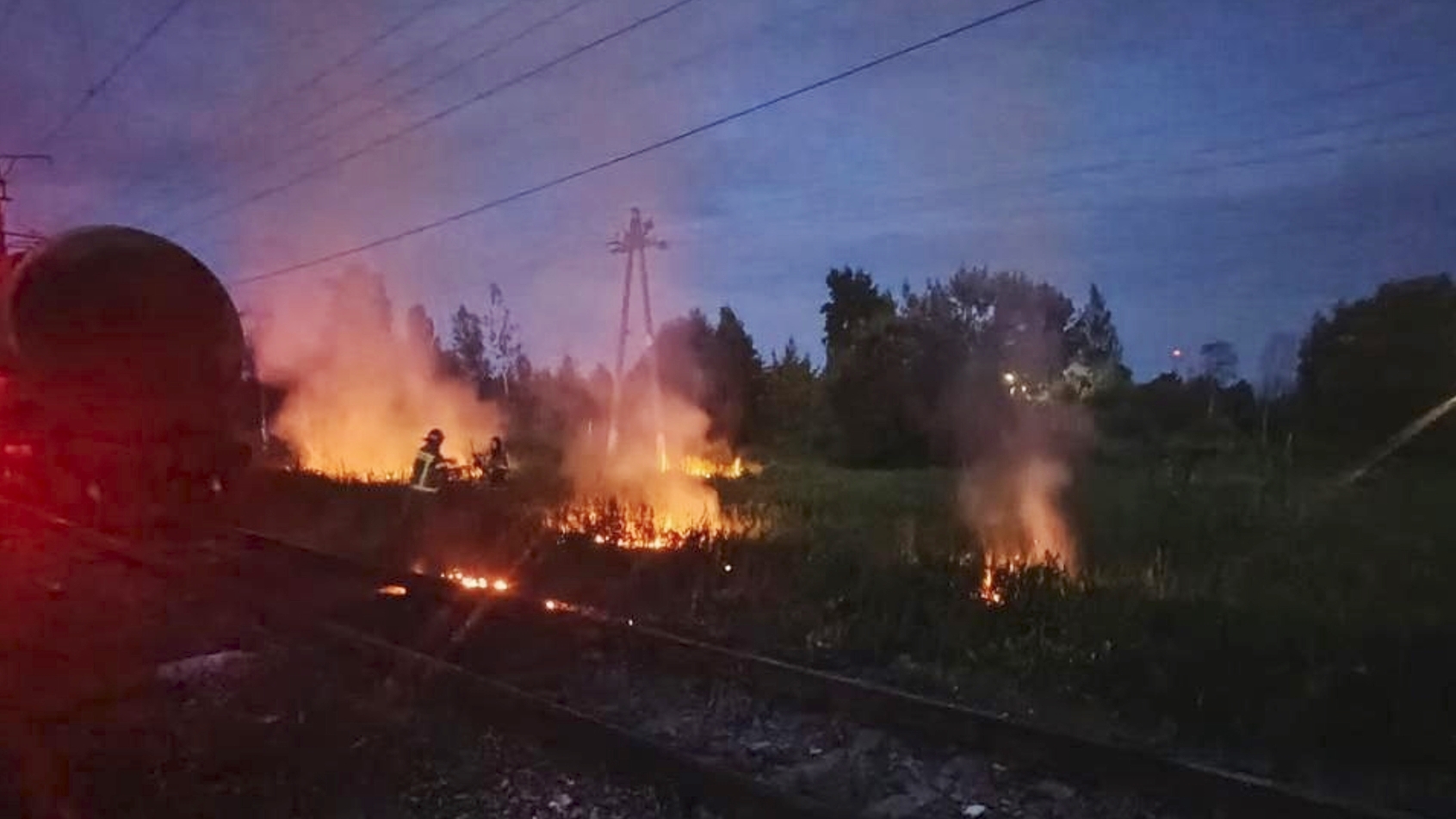
Unprecedented wildfires in France have put several strategic military facilities at risk, including the plant where M51 intercontinental ballistic missile motors are loaded with propellant and the Dassault facility where Rafale fighter jets are assembled.
Etienne Marcuz, a French analyst specializing in nuclear deterrence, missile defense, and strategic systems, reported this.
According to the analyst, fire monitoring data indicate that the blaze has spread dangerously close to the Center for Scientific and Technical Study of Aquitaine (CESTA), one of the principal facilities of the Military Applications Directorate of the French Alternative Energies and Atomic Energy Commission (CEA/DAM).
Another critical site threatened by the fires is the ArianeGroup facility in the Issac district of Saint-Médard-en-Jalles, where the motors for M51 submarine-launched ballistic missiles — the backbone of France’s nuclear deterrent — are loaded with solid propellant.

Beginning Saturday morning, residents of Saint-Médard-en-Jalles and the neighboring communities of Saint-Aubin-de-Médoc and Martignas-sur-Jalle, in the Bordeaux metropolitan area of the Gironde department, were ordered to evacuate immediately.
Martignas-sur-Jalle is home to a robotic manufacturing facility where wings for Rafale fighter jets and Falcon business jets are assembled. The completed wings are then transported to the Dassault Aviation plant in nearby Bordeaux-Mérignac for final assembly.

A smaller wildfire also poses a potential threat to the Missile Test Center in Biscarrosse, where numerous weapons systems, including those supporting France’s nuclear deterrent, undergo test launches.
The area is also home to the 13th Parachute Dragoon Regiment, one of the French Army’s two special operations regiments specializing in deep reconnaissance.
The wildfires swept across southwestern France during an intense summer heatwave affecting much of Europe.
According to Reuters Climate Monitor, the region’s average daily maximum temperature in July reached 32.2 C, 7.3 degrees above the 1961-1990 average for the month.
Authorities evacuated 55,000 people overnight into Sunday. In total, 220,000 people have already been forced to leave their homes across the region.

French Interior Minister Laurent Nuñez said that after a “difficult” night for firefighters, “the situation remains very unfavorable.”
The wildfire has burned 42,000 hectares in Gironde. As conditions deteriorated overnight, residents of five additional communes were evacuated. A total of 2,500 firefighters, including a contingent from Switzerland, 1,500 military personnel, 450 volunteers from accredited organizations, and about 1,200 police officers and gendarmes have been deployed to fight the blaze, perform evacuations, and assist with rescue operations.
Підтримати нас можна через:
Приват: 5169 3351 0164 7408 PayPal - [email protected] Стати нашим патроном за лінком ⬇
Subscribe to our newsletter
or on ours Telegram
Thank you!!
You are subscribed to our newsletter