



Popular
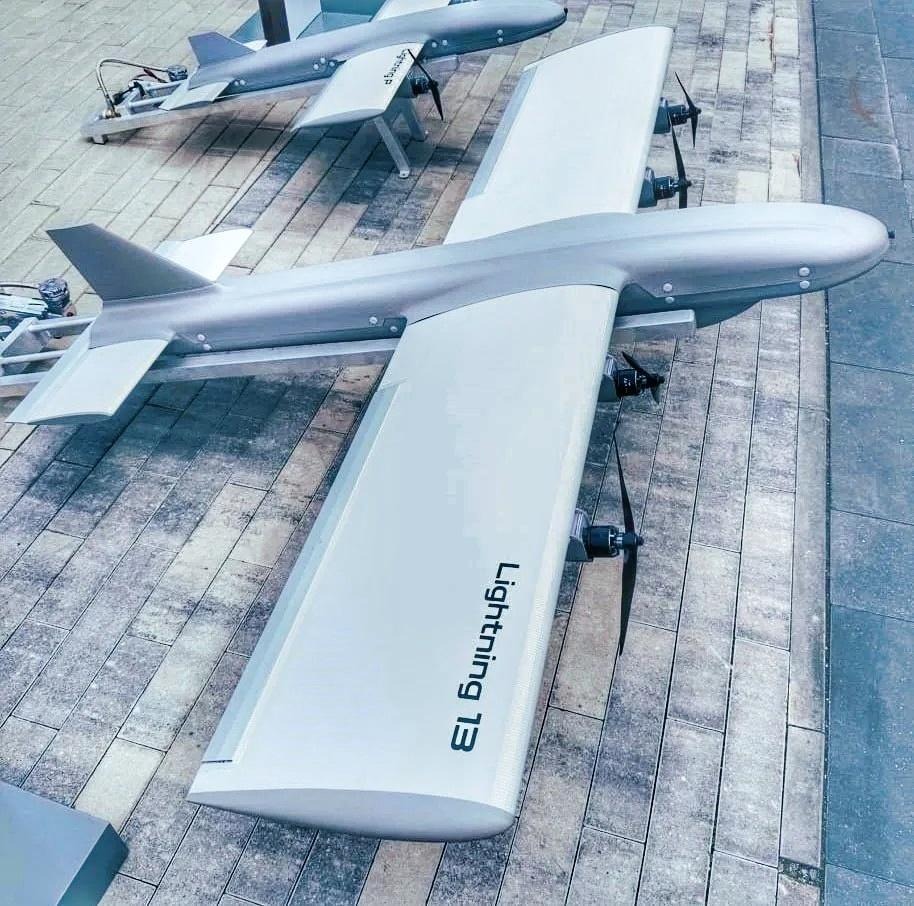
On June 17, the Russian corporation Rostec demonstrated the new Lightning 13 UAV at the National Security Belarus-2026 exhibition.
This was reported by the company.
It is under the name Lightning that the Russians are promoting their Molniya drone for export, which is being used in Ukraine.
The Lightning 13 aircraft-type UAV features a new fairing and is equipped with four electric motors; it can reach speeds of up to 120 km/h and has a flight range of up to 50 km. This allows it to carry a payload of up to 13 kg.
As stated in the press release, the Lightning 13, Lightning 2, and Lightning P systems can be used for reconnaissance and monitoring, rapid situation assessment in emergencies, as well as for search and rescue operations, but it is clear that their primary purpose will be military applications.
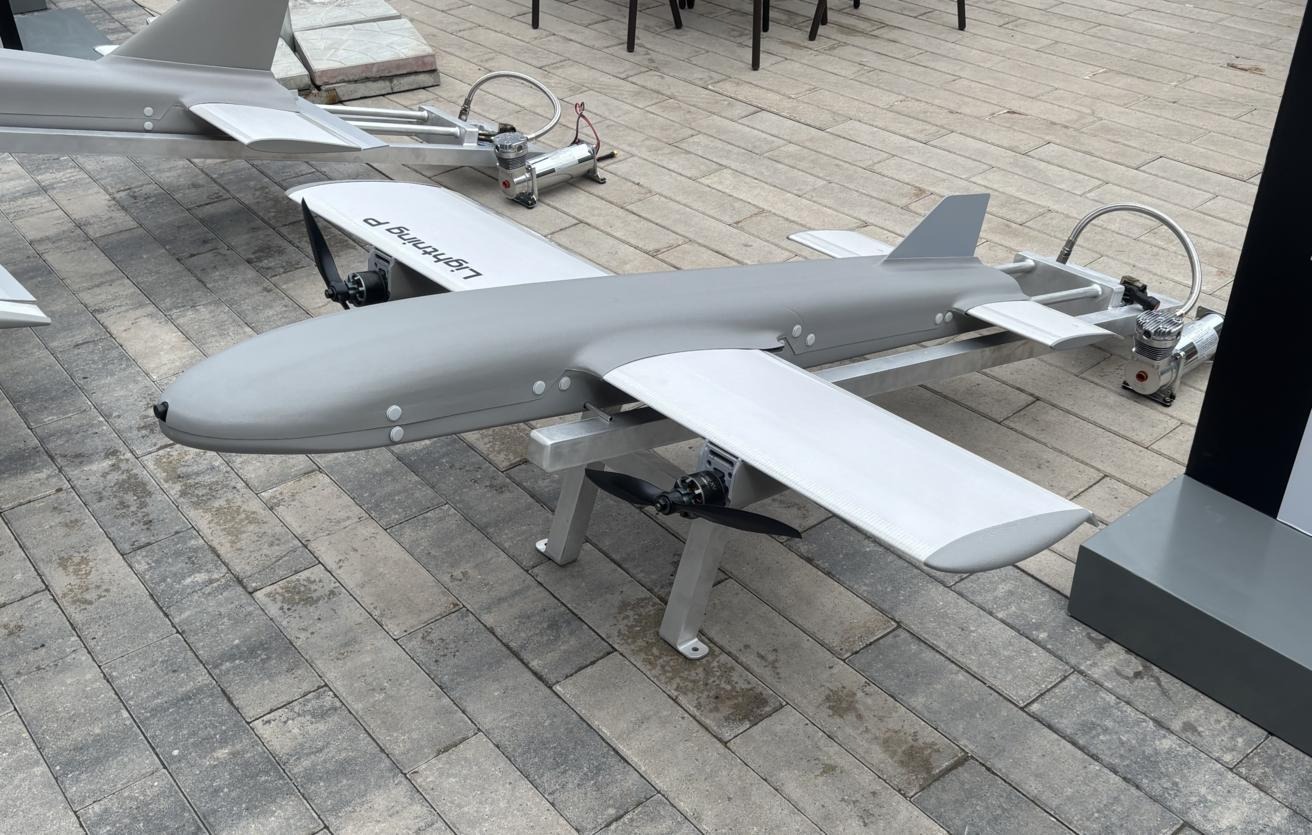
The UAV developers also reported that their products are being used by Russian unmanned systems units in the Sever, Vostok, Zapad, Tsentr, and Dnepr groups, as well as by airborne and engineering brigades and special-purpose units. Last year, the Russians converted the Molniya-2 UAV series into the Molniya-2P reconnaissance variant.
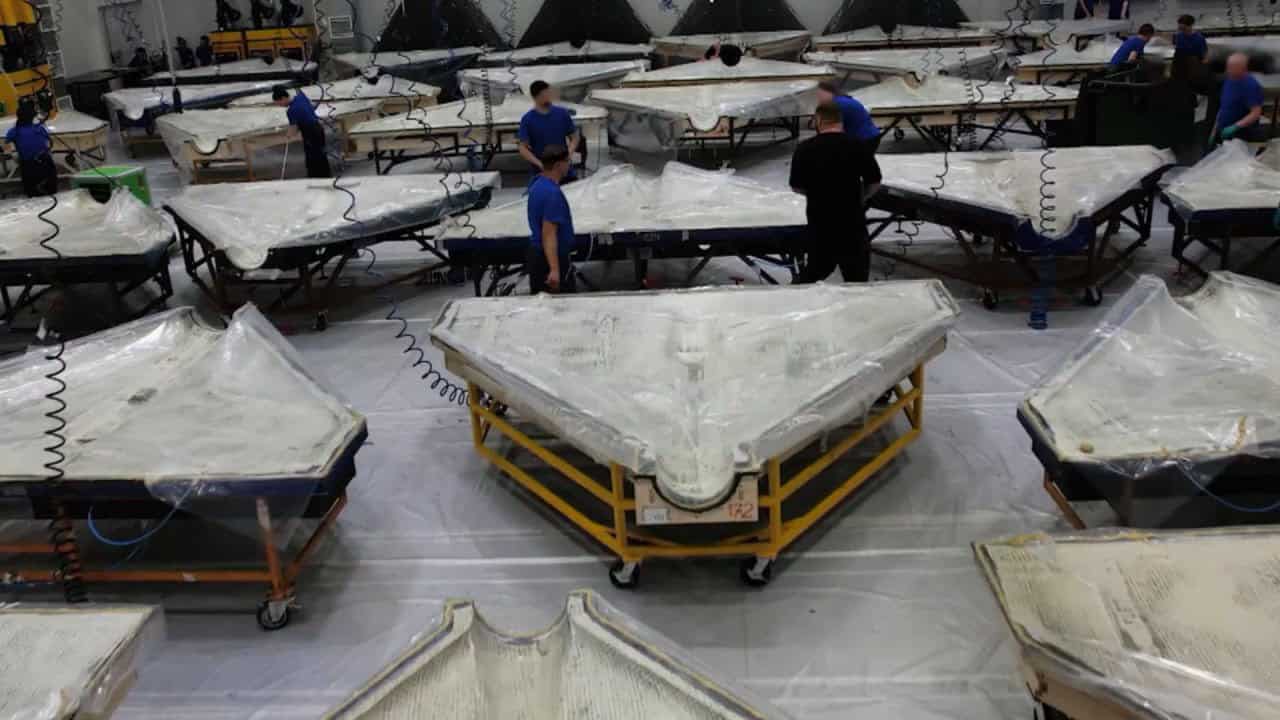
It is being developed by Atlant Aero. The UAV is manufactured from inexpensive materials such as foam, plywood, plastic, and lightweight composite materials.
Launch is performed via a catapult or from a height. Control is similar to standard FPV: the operator, wearing goggles, views the image from the nose-mounted camera and guides the drone to the target. Later versions have been equipped with machine vision capabilities, thermal imagers, and even satellite terminals for reconnaissance variants.
The cost of the Molniya-2 is estimated at up to $1,600 per unit.
The first mentions of this line of drones appeared in the spring of 2024, but its first actual combat use took place in Kharkiv on November 12, 2024, when a drone struck a high-rise building. The next day, another Molniya-1 attacked the Saltivsky district, damaging more than ten vehicles and wounding four civilians.
In 2025, its use expanded to the Sumy, Zaporizhzhia, Kherson, and Donetsk regions. Russia quickly scaled up production. By early 2026, the number of attacks had increased exponentially — according to some estimates, thousands were recorded each month in just certain sections of the front.
The widespread adoption of Molniya clearly illustrates the main trend of 2025 – 2026: the shift from expensive, high-tech systems to cheap, mass-produced, and rapidly upgradeable platforms.
Підтримати нас можна через:
Приват: 5169 3351 0164 7408 PayPal - [email protected] Стати нашим патроном за лінком ⬇
Subscribe to our newsletter
or on ours Telegram
Thank you!!
You are subscribed to our newsletter