





Popular

China plans to build a secret room in a new “super-embassy” less than two meters from cables carrying sensitive transaction data from London’s major financial hubs.
The Telegraph reported on this.
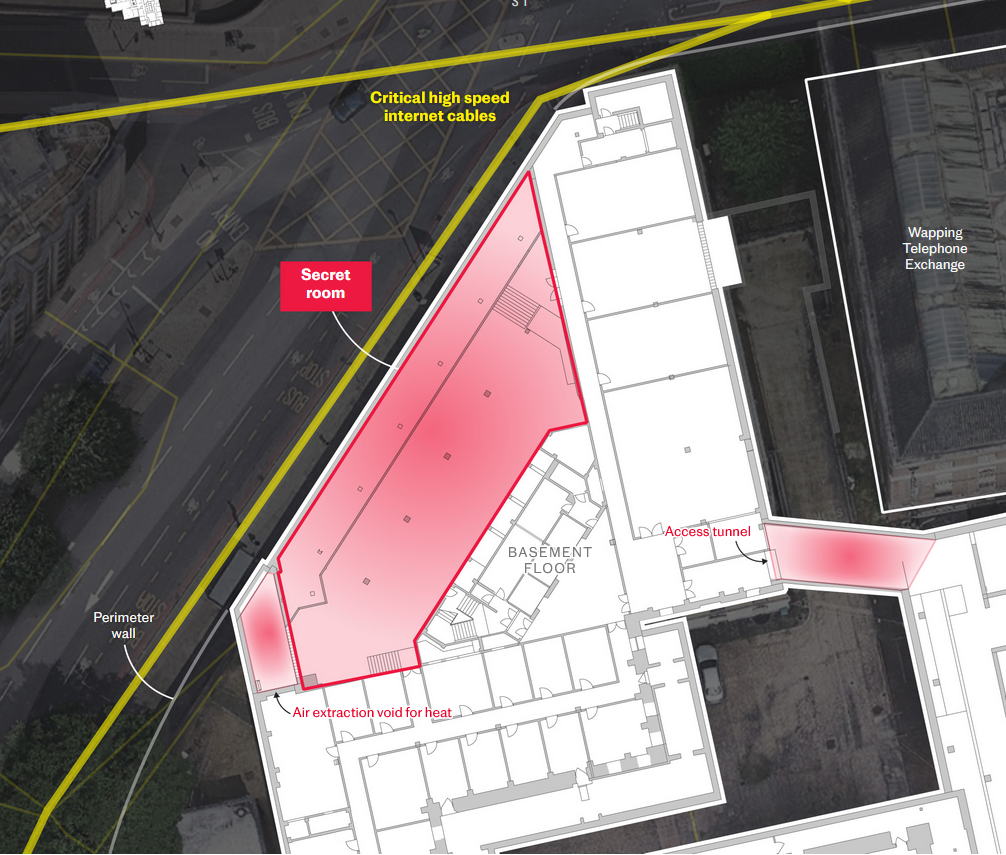
The newspaper’s journalists obtained unredacted plans of the facility, which show that China intends to construct a network of 208 secret rooms beneath the new London “super-embassy.”
The drawings show that one hidden chamber will be located directly next to fiber-optic cables that transmit financial data to the City of London, as well as emails and messages for millions of internet users.
According to the newspaper, despite clear security risks, Prime Minister Keir Starmer is expected to approve the embassy ahead of a visit to China in January 2026, during which he is due to meet with Xi Jinping.
Among the 208 rooms revealed by The Telegraph, the most striking is one located beneath the former Seamen’s Registry building in the north-west corner of the old Royal Mint site.
The plans show a triangular underground chamber up to 40 meters wide and 2–3 meters deep. Crucially, the external basement wall facing Mansell Street is set to be demolished and rebuilt.
This construction would place Chinese officials just over one meter away from fiber-optic cables running beneath the pavement, creating a potential opportunity for interception.
These cables carry financial transaction data relied upon by banks to update records of withdrawals and deposits, including salaries and online purchase payments.
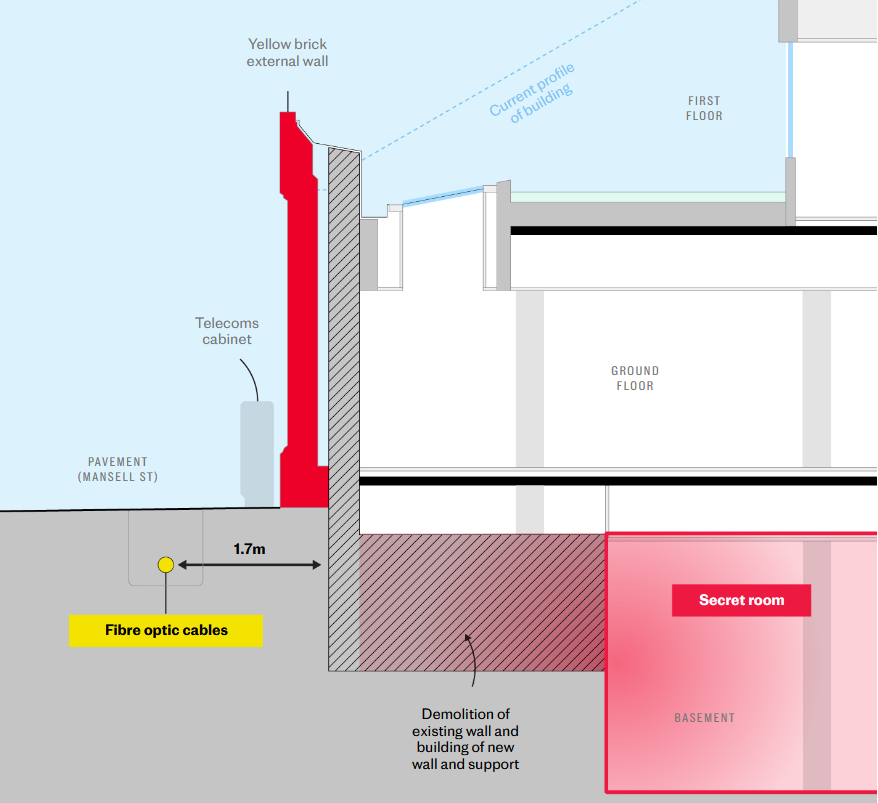
Telecommunications cable plans seen by The Telegraph show that the fiber-optic lines at this location belong to companies such as BT Openreach, Colt Technologies, and the US telecommunications giant Verizon Business.
Further drawings of the secret room indicate the installation of at least two air-extraction systems that would vent air through an existing lightwell and a new grille.
“China has not explained what the basement is for. It could be legitimate secure communications equipment, but a great deal can be hidden beneath that. If they wanted to tap into the cables, they wouldn’t have far to go. You wouldn’t know what was happening down there,” Professor Alan Woodward, a security expert at the University of Surrey, shared in comments to the newspaper.
The possible methods of espionage include rerouting the cables, installing listening devices, or even placing equipment directly on the cables themselves.
In October 2025, it was reported that China had access for at least ten years to low- and medium-level classified information on UK government servers. This included internal documents related to policymaking, private correspondence, and some diplomatic cables.
Підтримати нас можна через:
Приват: 5169 3351 0164 7408 PayPal - [email protected] Стати нашим патроном за лінком ⬇
Subscribe to our newsletter
or on ours Telegram
Thank you!!
You are subscribed to our newsletter