




Popular
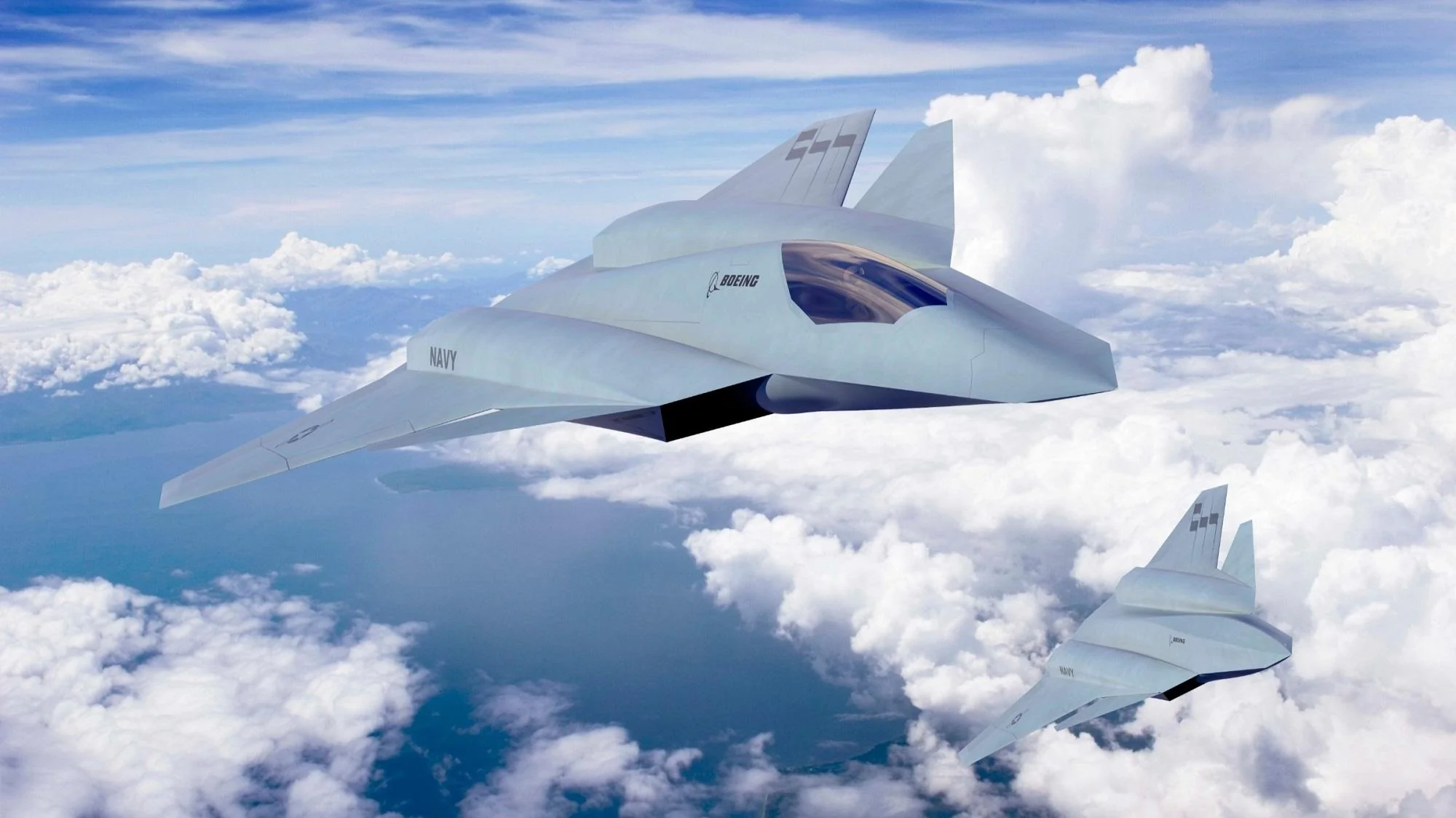
Boeing has received a U.S. Navy contract worth more than $20 billion for the full-scale development of the F/A-XX sixth-generation carrier-based fighter jet.
The U.S. Department of War reported this.
The contract covers developing several aircraft for ground and flight testing, system validation, and weapons integration.
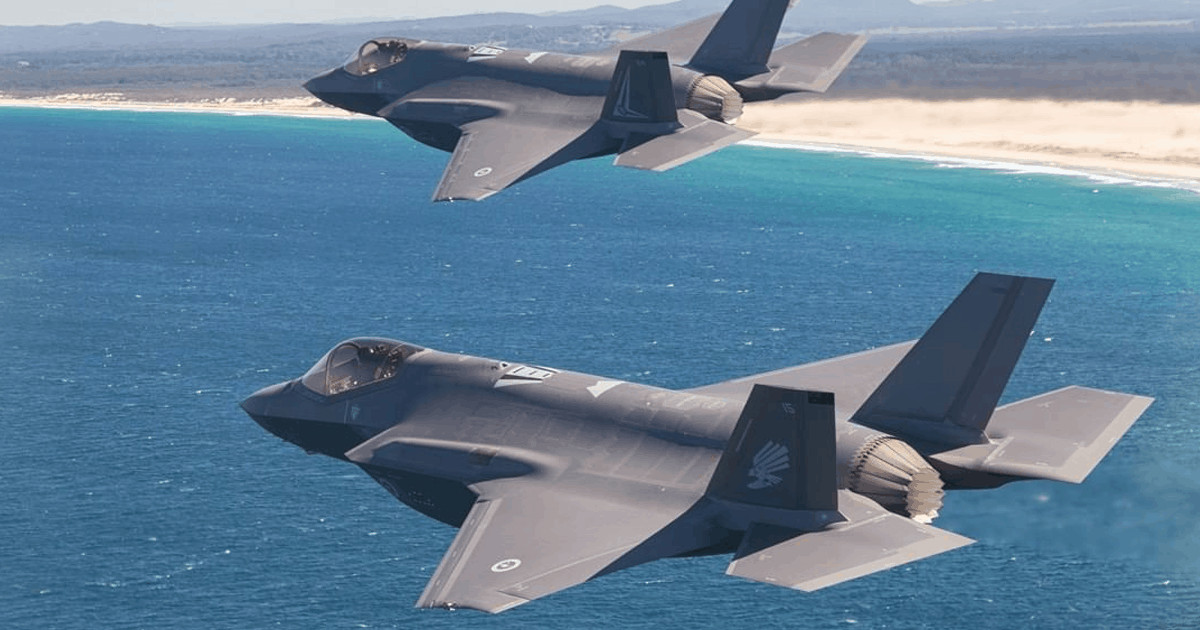
The F/A-XX is set to become the U.S. Navy’s primary carrier-based combat aircraft, gradually replacing the F/A-18E/F Super Hornet and EA-18G Growler electronic warfare aircraft in the 2030s. It will operate alongside carrier-based F-35C fighter jets.
Boeing competed for the contract against Northrop Grumman. The third initial contender, Lockheed Martin, dropped out of the competition in 2025 after its proposal failed to meet the U.S. Navy requirements.

Thus, Boeing has become the prime contractor for two separate U.S. sixth-generation fighter jet programs. In March 2025, the company defeated Lockheed Martin in the U.S. Air Force’s Next Generation Air Dominance competition and received a contract to develop the F-47 fighter.
The program dates back to 2008, when the U.S. Navy began developing requirements for a successor to the Super Hornet. In 2012, the Navy issued a request for a future carrier-based aircraft, and the project later became part of the naval Next Generation Air Dominance program.
Despite sharing the NGAD name, the Navy and Air Force programs are separate. The F/A-XX is being developed specifically for carrier operations and will feature a different airframe and propulsion system from the F-47.
The Navy expects the new aircraft to offer significantly greater range, stealth, and the ability to operate within areas protected by modern air defense systems. Navy officials have previously said the fighter could have a range approximately 25% greater than that of current carrier-based combat aircraft.
Beyond strike missions, the F/A-XX is expected to feature advanced electronic warfare, reconnaissance, and battle management capabilities. The aircraft will also be expected to control future unmanned Collaborative Combat Aircraft, effectively serving as an airborne command center for manned and unmanned platforms.
The MQ-25 Stingray carrier-based unmanned tanker is also expected to extend the carrier air wing range, allowing the F/A-XX to operate farther from the carrier.

Despite the F/A-XX program’s high priority for the Navy, it has faced the risk of delays several times.
In the fiscal year 2025 budget, funding for the future fighter was significantly reduced. According to The Aviationist, planned spending for 2025–2028 was cut from approximately $10.3 billion to $3.3 billion.
In 2025, the Pentagon also considered delaying the program by several years. One of the main concerns was that the U.S. aerospace industry might not be able to develop two fighters simultaneously — the F-47 for the Air Force and the F/A-XX for the Navy.
Congress ultimately supported continuing work on the program. Around $897 million was allocated to the F/A-XX program for fiscal year 2026, with the Navy directed to move toward awarding a contract for the Engineering and Manufacturing Development phase. An additional $750 million was allocated to accelerate the program.

The Navy had planned to select a winner by August 2026, but the decision was delayed again. Boeing received the contract only in late September.
The F/A-XX win was particularly important for Boeing, as just a few years ago the future of its fighter business remained uncertain amid the end of F/A-18 production and the lack of a new major program.
In recent years, the company has invested in expanding its aircraft production capacity, allowing it to run two programs simultaneously.
The results of the two competitions mark a major shift in Boeing’s position in the U.S. combat aircraft market: the company, which was not the prime contractor for the U.S. fifth-generation stealth fighter, has now secured both major next-generation fighter programs.
Підтримати нас можна через:
Приват: 5169 3351 0164 7408 PayPal - [email protected] Стати нашим патроном за лінком ⬇
Subscribe to our newsletter
or on ours Telegram
Thank you!!
You are subscribed to our newsletter