







Popular
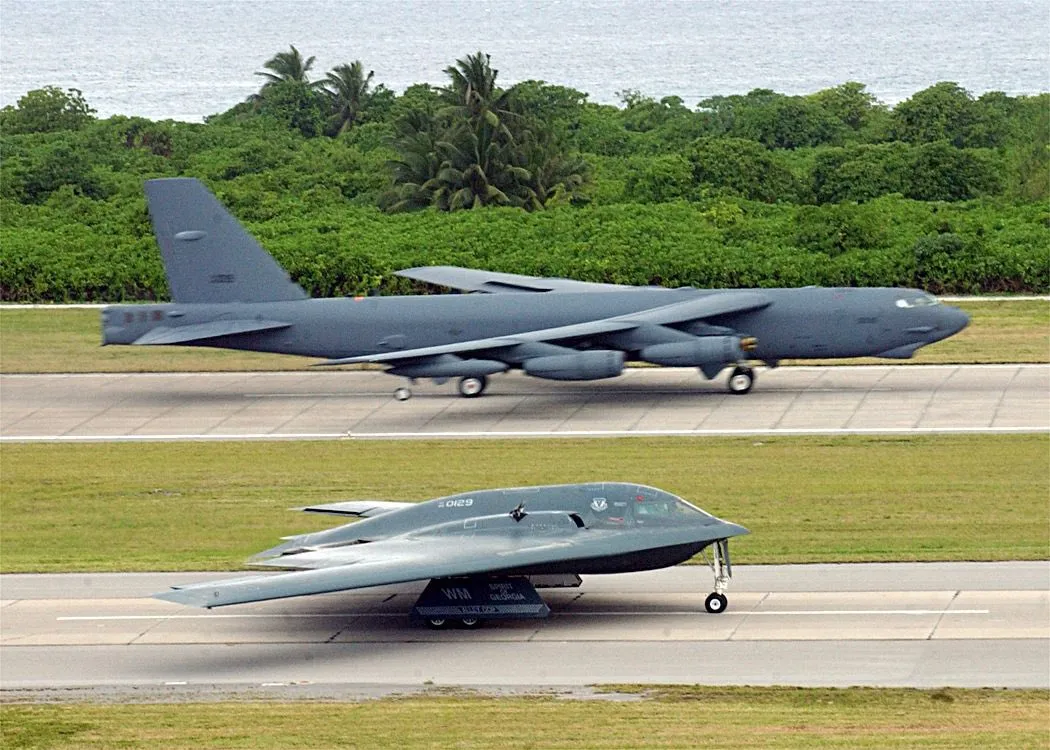
The United States is proposing to create a special military unit to respond quickly to threats of nuclear proliferation in the world.
The proposal was made by Henry Sokolski, Executive Director of the Center for Nonproliferation Policy Education Center, Breaking Defense reports.
The idea became relevant after Donald Trump’s statement about preventing the spread of nuclear technology. Soon after, Secretary of State Rubio met with International Atomic Energy Agency (IAEA) Director General Rafael Mariano Grossi and reaffirmed Washington’s position.
After the bombing of Iran’s nuclear facilities, there was a need to consolidate the forceful nonproliferation policy as a systemic, not a one-time action. Consistency will determine the credibility of the United States in this area.
Historically, Washington has acted inconsistently. Under Presidents Ford and Carter, the United States blocked plutonium reprocessing in South Korea, Taiwan, and Brazil. At the same time, the policy towards Pakistan, India, and Iran was much more lenient.

Iraq was an exception: the Americans destroyed its nuclear facilities and introduced one of the strictest control regimes. But later, the United States reached unstable agreements with the DPRK and Iran, which created the impression of a willingness to compromise instead of firm enforcement.
In June, the Trump administration drew a ‘red line’ by banning Iranian nuclear fuel production. However, to maintain credibility, Washington must respond in the same way to other countries that may start their own programs.
The closest example is Saudi Arabia. The United States wants to conclude a nuclear cooperation agreement with Riyadh that will allow it to enrich uranium. At the same time, the Saudis openly state that they will get a bomb if Iran succeeds.
An additional threat is Iran’s possible withdrawal from the Non-Proliferation Treaty (NPT). North Korea took a similar step in 2003, and three years later, it created its own bomb. However, it is questionable whether the Trump administration is ready to prevent this scenario from happening again.

The bombing of Iran set a precedent and temporarily halted its program. Now Washington has a chance to consolidate this course in the form of a long-term strategy.
The initiative proposes to create a nonproliferation control unit that will coordinate with other commands. It should have its own analytical staff and access to intelligence outside of traditional channels, including Israel and the IAEA.
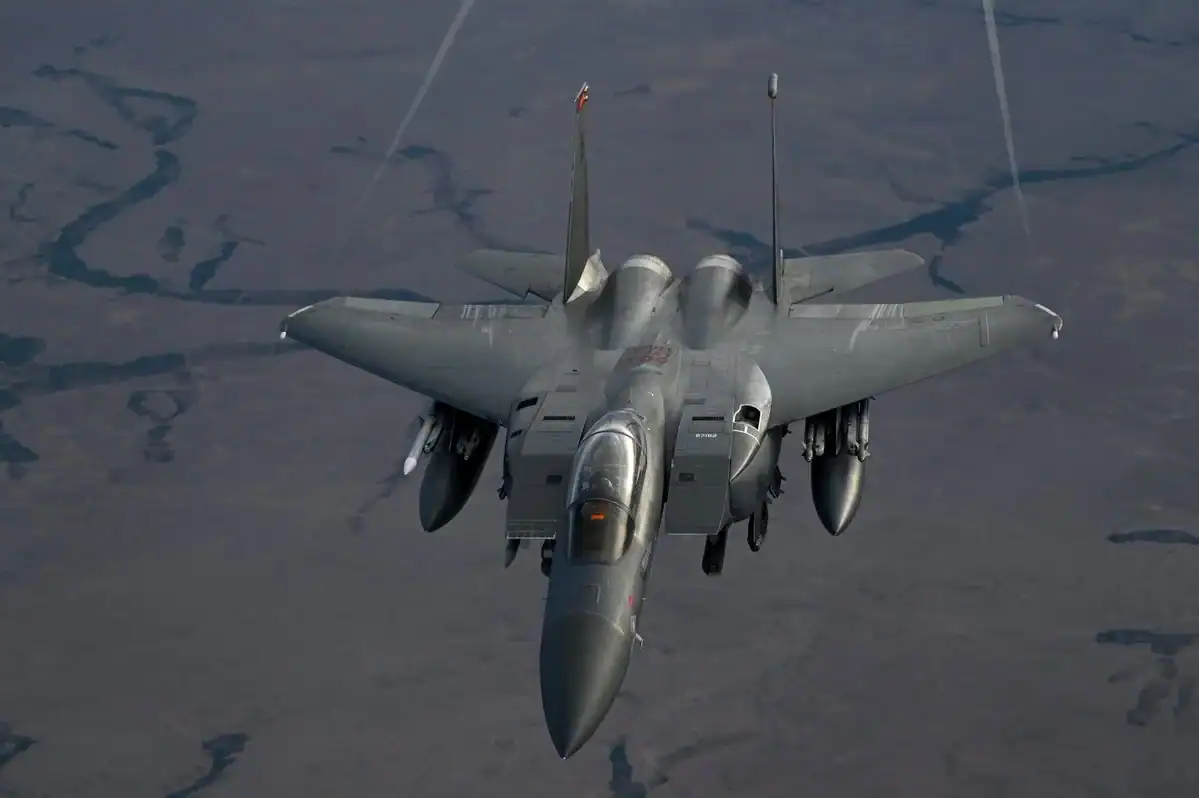
The second component will be rapid response military assets, primarily bombers with penetrating munitions, capable of operating against nuclear facilities in any region of the world.
The creation of such a force would require a redistribution of StratCom resources and would inevitably provoke resistance. However, if counterproliferation is a true White House priority, the military will have to be adapted to this mission.
Підтримати нас можна через:
Приват: 5169 3351 0164 7408 PayPal - [email protected] Стати нашим патроном за лінком ⬇
Subscribe to our newsletter
or on ours Telegram
Thank you!!
You are subscribed to our newsletter