

Russia’s Arena-M APS is Likely to be Able to Intercept Javelin Missiles

Russia’s Arena-M APS is Likely to be Able to Intercept Javelin Missiles

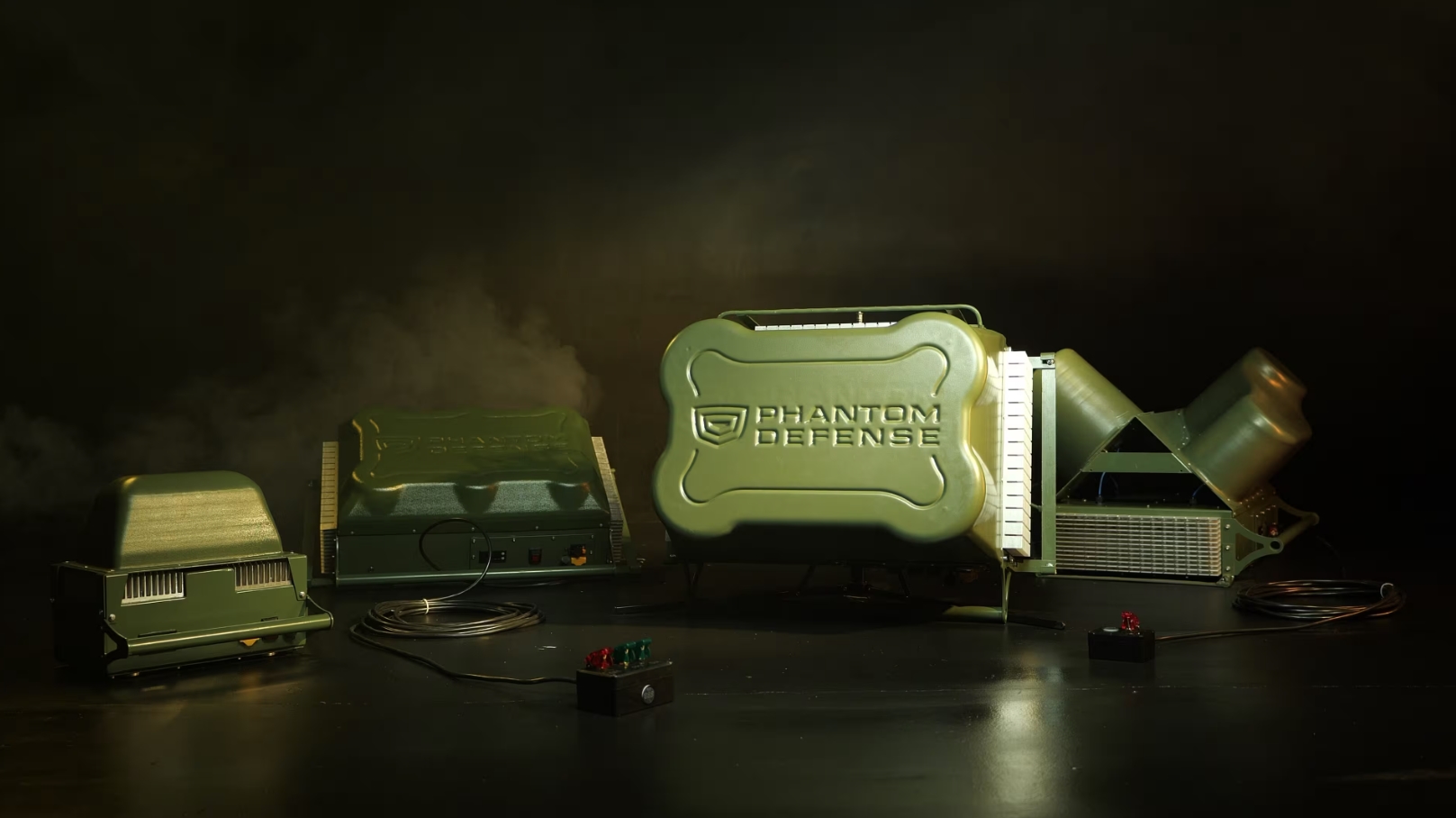
Russian designers have adapted the Arena-M active protection system to intercept anti-tank missiles attacking from above.

A video of the system’s tests against such threats was released by Rosoboronexport, Russia’s state-owned defense export intermediary.

The dual video sequence shows the Russian system intercepting a basic threat in the form of an anti-tank grenade attacking parallel to the ground, as well as an attack by an unknown missile into the upper hemisphere. In both cases, the threats were destroyed in the air before they reached the tank.

For the Arena-M, this is the first documented confirmation of the ability to shoot down threats attacking from above, potentially giving it the ability to protect tanks from Javelin, Spike, NLAW and other similar systems.

The Arena’s operating principle is based on the physical destruction of the warheads before they hit the carrier. To do this, it uses a network of radar antennas, a system of launchers with countermeasures, and an onboard computer that coordinates their operation.

During operation, the onboard radars continuously irradiate the space around them with radio waves, looking for objects moving at high speeds. If it does, the onboard computer calculates whether it is moving in the direction of the vehicle, and in case of a threat, Arena calculates the point of contact and fires a countermeasure to meet it.

Until recently, the latest modification of the Arena-M was equipped with improved countermeasures that could turn its body in the direction of the target in flight, allowing a smaller ammunition package to cover the entire perimeter around the vehicle. Presumably, the same technology was used to increase the vertical intercept angles.

At the same time, it is worth noting the gentle angle of attack of the unknown munition in the test footage. The main opponent of the Russian complex, the Javelin missile, can enter the target at such an angle during a long-range flight. Instead, when fired at close range, its angle of attack at the terminal segment is close to straight. Therefore, the published test is not exhaustive in terms of protection against third-generation anti-tank missiles.

The chronicle of the Russian-Ukrainian war, where FGM-148s hit Russian vehicles, is a good example of different scenarios for a U.S. guided missile.

This news may be of great value to the Ukrainian military, as this month the first Russian T-72B3 tank equipped with the Arena-M system was spotted on the front line.

The new system has also been successfully integrated by Russian designers into the T-90M tank, which is being mass-produced in dozens of units for the enemy’s invasion forces in the war against Ukraine.

Share this post:

SUPPORT MILITARNYI

PrivatBank ( Bank card )
5169 3351 0164 7408
Bank Account in UAH (IBAN)
UA043052990000026007015028783
BTC
bc1qg0z99m95fte7kj8faa7h2kvnq92wvc53exe8gm
USDT
0x8676644fA7B6d328310283cAC1065Ae01d97CEe7
ETH
0xfD02863D3289416fcF50975c9DFda13623f97758
Popular
Button Text