



Popular
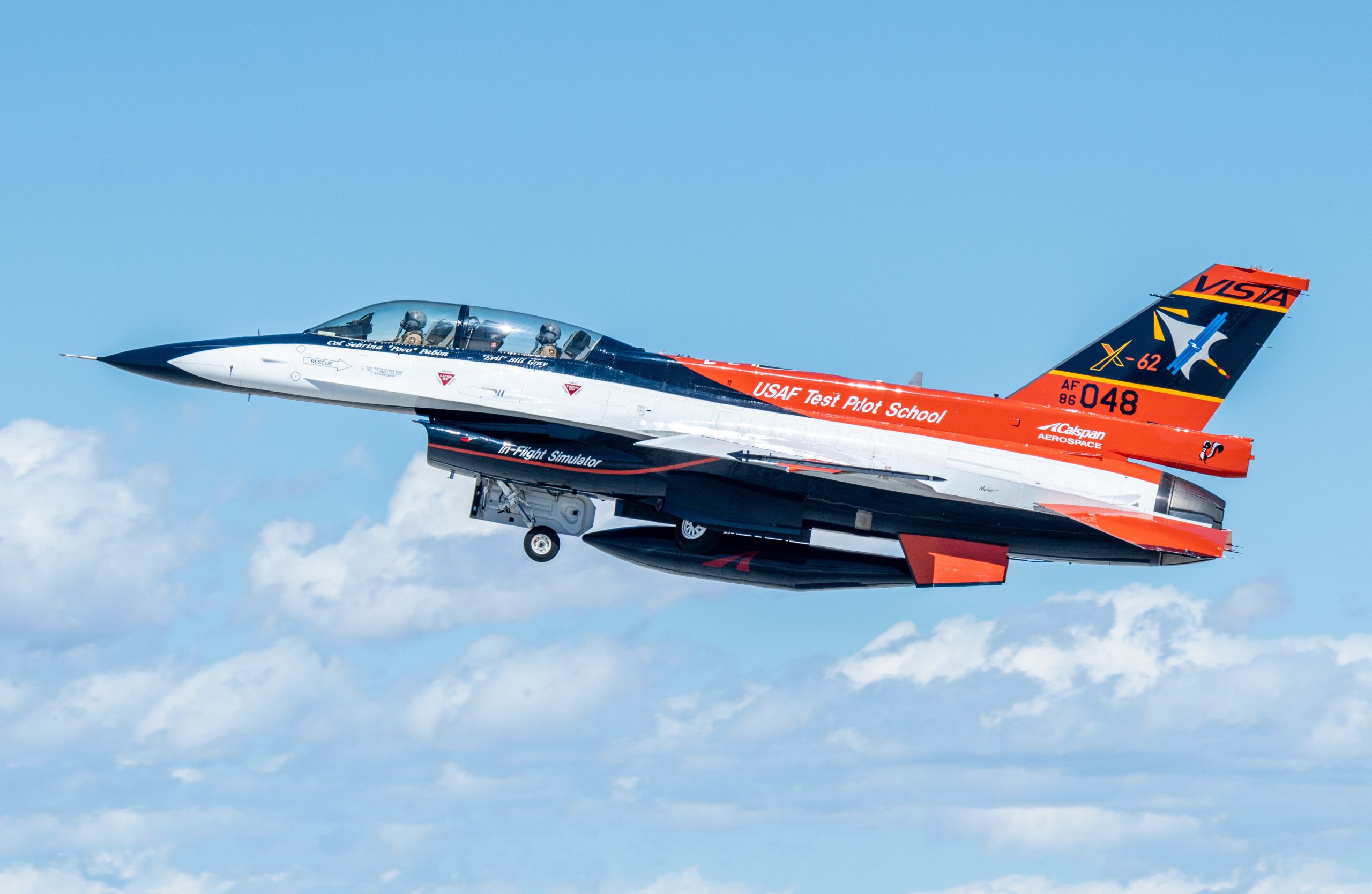
In the United States, the AI-controlled X-62 VISTA aircraft conducted 27 autonomous interceptions of airborne targets during eight flights.
The Aviationist reported the results.
The U.S. Air Force and Lockheed Martin’s Skunk Works division announced new achievements during X-62 VISTA testing conducted after the aircraft’s onboard systems were upgraded under the MSU program. These included autonomous intercepts using data from an infrared search and track (IRST) system.
As part of the HAVE HEAT program, the X-62 was equipped with Lockheed Martin’s Legion Pod sensor pod. The objective was to demonstrate the AI’s ability to use real-world sensor data to autonomously intercept airborne targets in real time.
In a press release, Lockheed Martin explained that the X-62 tracked a manned T-38 Talon aircraft and transmitted the sensor data to the AI system, which autonomously maneuvered the aircraft into a position for a tactical intercept.
The U.S. Air Force said the next stage of the aircraft’s systems modernization will include the integration of the RTX PhantomStrike radar and an unnamed advanced networked data link.
“Completion of MSU will make the X-62 a foundational capability for executing the Air Force’s highest-priority programs,” the military said.
The X-62A VISTA (Variable In-flight Simulator Test Aircraft) is a unique flying laboratory based on the two-seat F-16D fighter aircraft. The aircraft was developed by General Dynamics, now Lockheed Martin, and Calspan for the U.S. Air Force Test Pilot School. It made its first flight in 1992.
The main feature of the X-62A is its ability to digitally replicate the flight characteristics of other aircraft. Its flight control system can modify the aircraft’s response to pilot inputs, simulating the behavior of fighter aircraft, transport aircraft, or unmanned systems.
During the modernization, the aircraft received an upgraded VISTA Simulation System and the Simulation and Autonomous Control System (SACS). These systems allow different autonomous control algorithms to be loaded onto the aircraft and rapidly changed between flights. At the same time, test pilots remain in the two-seat cockpit to monitor the automation and can disengage it and take control of the aircraft at any time.
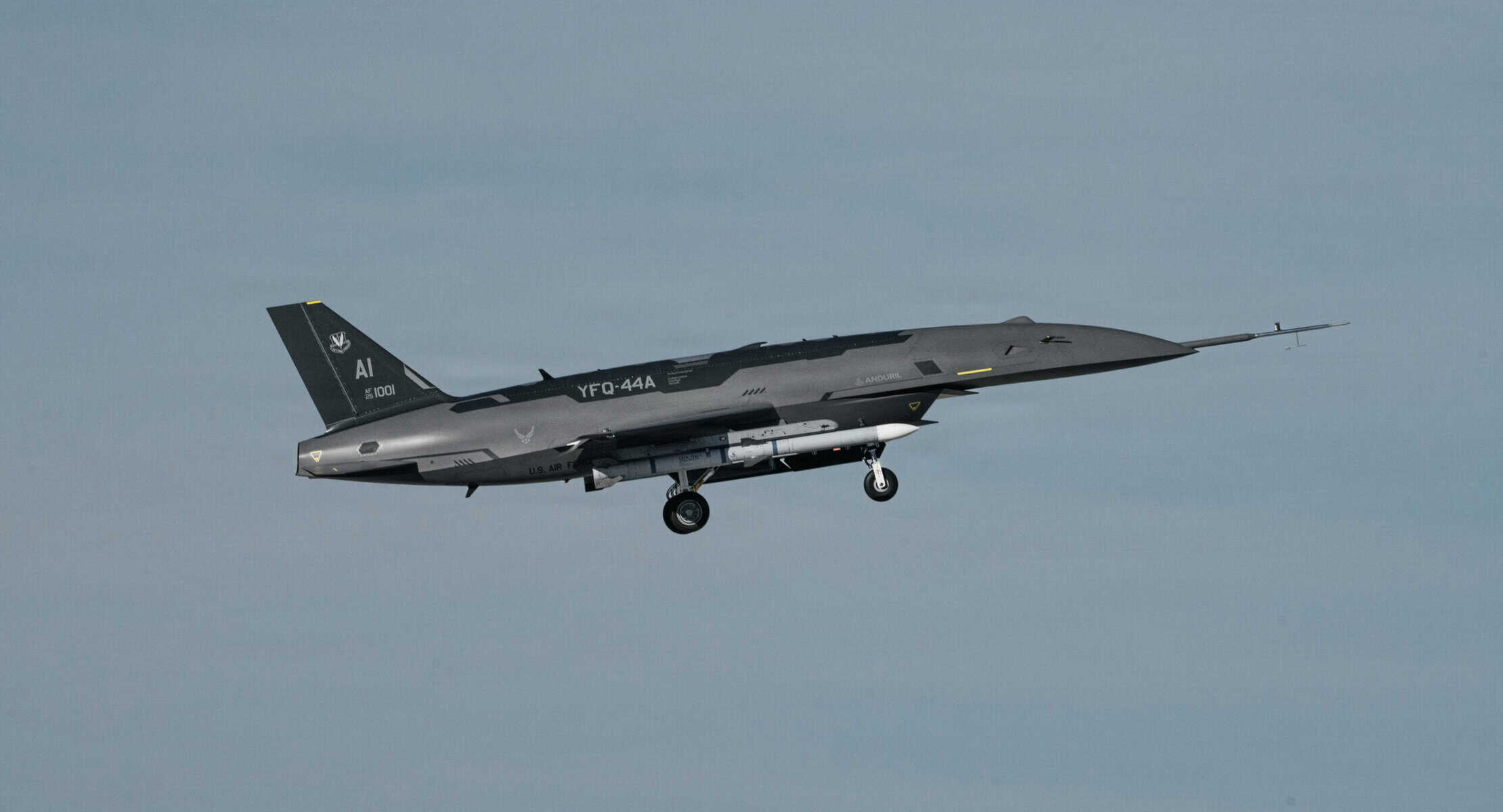
In December 2022, artificial intelligence algorithms developed under the Air Combat Evolution and Autonomous Air Combat Operations programs conducted 12 test flights. The systems autonomously performed complex tactical maneuvers, simulated close-range and beyond-visual-range air combat, and remained within designated airspace boundaries.
In 2023, the X-62A conducted its first within-visual-range air combat tests against a conventional F-16 operated by a pilot. During 21 test flights, the aircraft closed to approximately 600 meters at a combined speed of around 1,900 km/h. The results are intended to support the development of autonomous aircraft and Collaborative Combat Aircraft (CCA) capable of operating alongside manned fighters.
Підтримати нас можна через:
Приват: 5169 3351 0164 7408 PayPal - [email protected] Стати нашим патроном за лінком ⬇
Subscribe to our newsletter
or on ours Telegram
Thank you!!
You are subscribed to our newsletter