




Popular
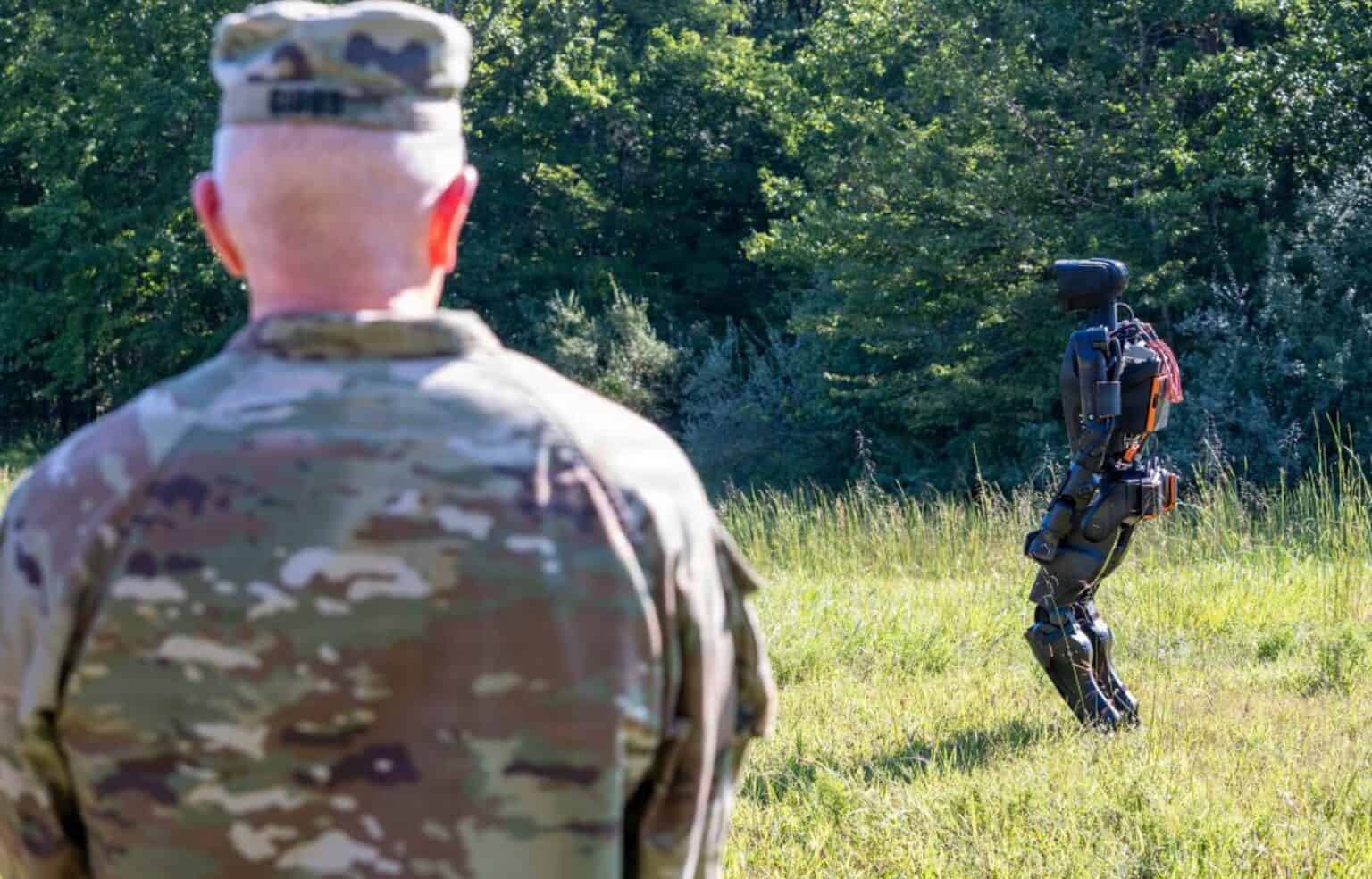
The U.S. Army has selected the winners of the xTechHumanoid competition, focused on developing humanoid robots and technologies for their military applications.
Army FUZE reported this.
The competition received 103 applications from developers of humanoid platforms and individual components. Ten companies reached the finals, nine of which demonstrated their technologies at the Marine Corps Base Quantico on September 9–10.
Following the trials, five companies were selected as winners: ACEs Group, Florida Institute for Human and Machine Cognition, Hydroplane, RAS Labs, and Velocity Explorations. The competition covered not only complete robots, but also technologies required for their operation, including power sources, tactile sensors, and control software.
The Florida Institute for Human and Machine Cognition presented the most complete humanoid platform. Its Alex robot features impact-resilient actuators, ballistic protection elements, and a hybrid control system combining AI-based autonomy with operator control.

The other winners focused on solving specific technological challenges. ACEs Group proposed a scalable energy storage system, Hydroplane — a compact long-duration power source, RAS Labs – highly sensitive tactile sensors for robotic fingers, and Velocity Explorations – a software for translating operator commands into specific machine actions.
The U.S. military views humanoid systems as part of a broader effort to develop robotics and autonomous capabilities. They could potentially be used for physically demanding or dangerous tasks to reduce risks to servicemembers. At the same time, the competition was primarily intended to assess the commercial technologies’ development level.
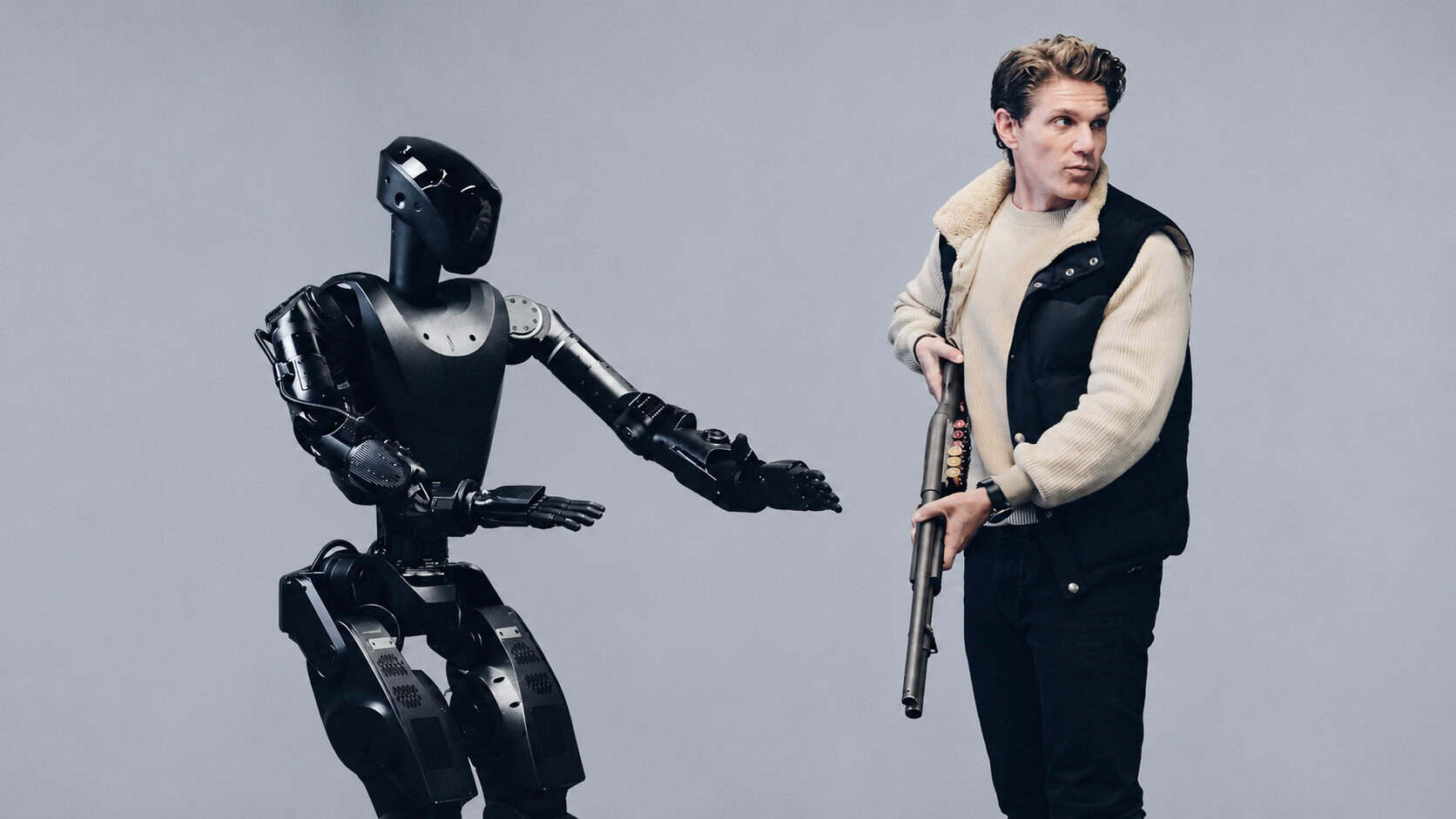
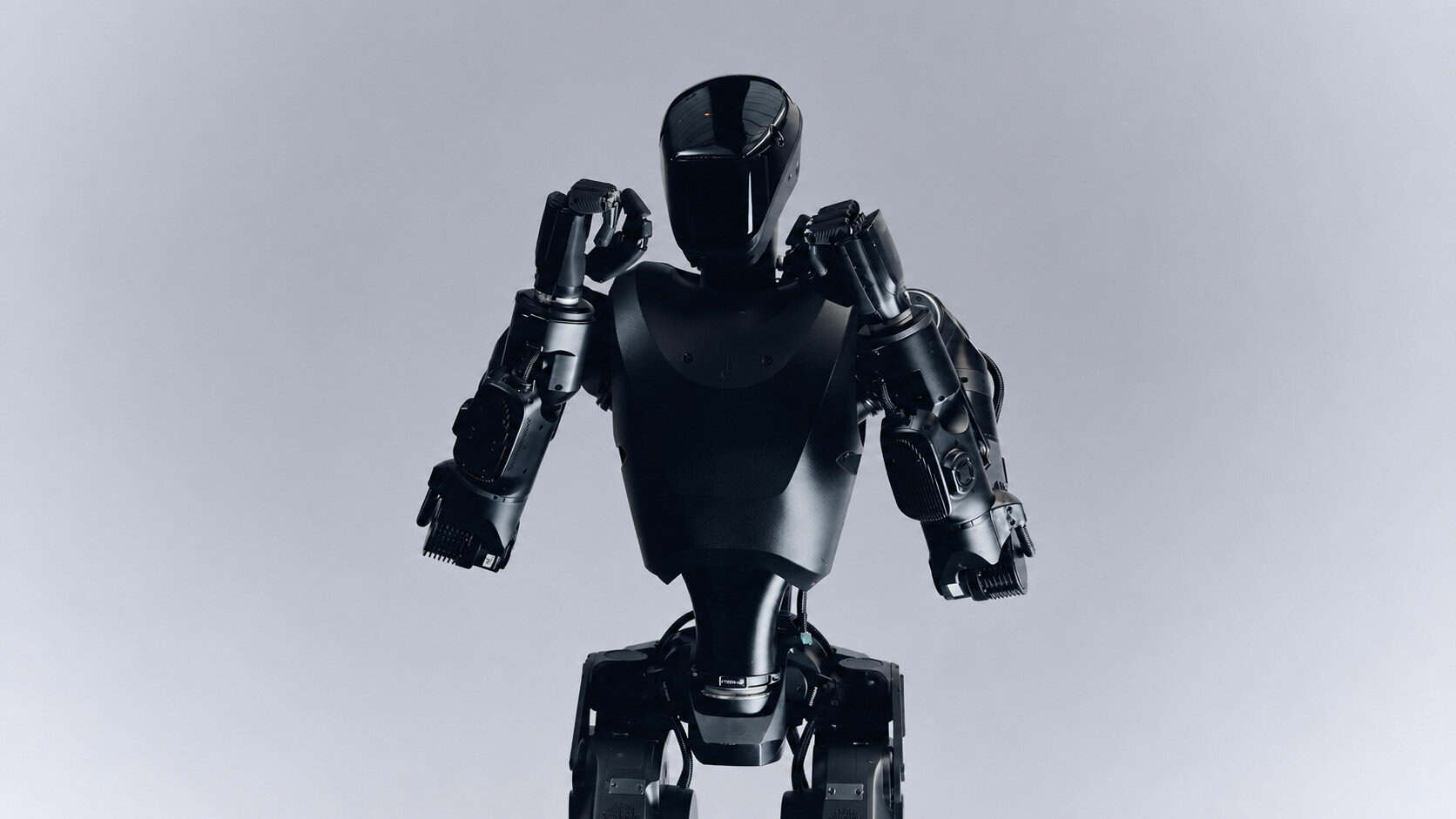
Ukraine already has practical experience testing similar systems. In February 2026, U.S. company Foundation Future Industries delivered two Phantom MK-1 humanoid robots to Ukraine, which were used primarily for logistics tasks in hazardous areas during field trials.
However, the trials demonstrated significant limitations of current humanoid robots. The Phantom MK-1 can carry around 20 kg of cargo, lacks sufficient water protection, and has limited battery life, while its complex mechanics make the platform vulnerable to breakdowns and loss of balance. The cost of one such robot was estimated at around $150,000.
Other challenges include power consumption, actuator reliability, communications stability, and the ability of artificial intelligence to correctly assess situations. The U.S. Army identifies power supply and endurance as one of the areas for further research following the xTechHumanoid competition.
At the same time, Ukraine also plans to develop its own humanoid systems. In July, Brave1 announced plans for a separate grant competition to develop humanoid robots for the Defense Forces. The stated goal is to maximize the use of robotic systems on the front line and reduce risks to servicemembers.

Thus, Ukraine is effectively pursuing a path parallel to that of the U.S.: moving from testing ready-made foreign platforms toward developing its own solutions that can be adapted directly to the conditions of the modern battlefield.
Japan is also exploring a similar approach. In September, it became known that the Japanese government plans to study the use of humanoid robots with physical AI in the Japan Self-Defense Forces amid a personnel shortage.
Initially, they are expected to be used primarily for non-combat tasks, including base security, logistics, reconnaissance, and rescue operations. Japan also plans to hold its own competition among companies and universities to assess the capabilities of existing platforms under real-world operating conditions.
Thus, the U.S., Ukraine, and Japan are moving from experiments with humanoid robots toward programs to select and develop such systems. At the same time, the current level of technology suggests that in the near term, these systems will primarily perform logistics, engineering, and other support tasks rather than directly replace servicemembers in combat.
Підтримати нас можна через:
Приват: 5169 3351 0164 7408 PayPal - [email protected] Стати нашим патроном за лінком ⬇
Subscribe to our newsletter
or on ours Telegram
Thank you!!
You are subscribed to our newsletter