




Popular
Satellite images have confirmed damage to a petrochemical plant in the Russian city of Sterlitamak, located about 1,300 kilometers from the Ukrainian border, following a strike by the Defense Forces on September 4, 2026.
The images were published by the Telegram channel “Absolutely Reliable Source.”
The strike damaged the production facility for the Agidol fuel additive and the isoprene plant’s overpass. Additionally, satellite images show signs of damage to the isopentane dehydrogenation units in two of the plant’s facilities.
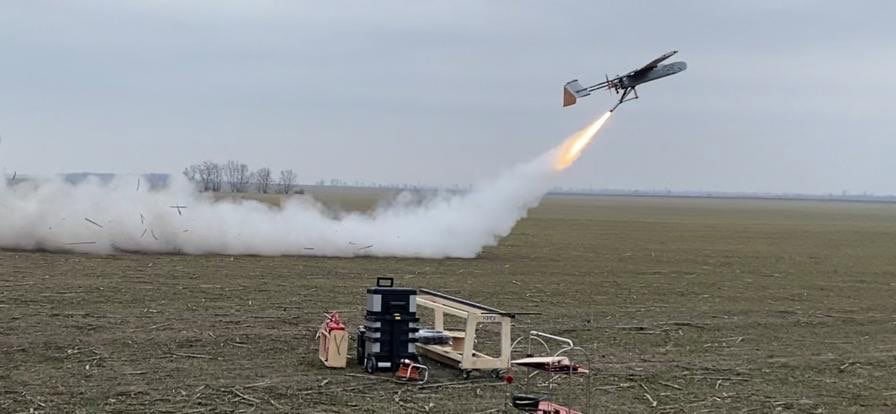
On the morning of September 4, local residents reported a series of explosions and drones flying over the city. In one of the videos, a man says that about 12 drones have already flown in the direction of the Sterlitamak Petrochemical Plant.

The Sterlitamak Petrochemical Plant specializes in the production of synthetic rubbers, aviation gasoline, and a wide range of low-volume petrochemical products. The plant is part of the Russian chemical holding company Roskhim.
Of particular significance is the plant’s production of phenolic antioxidants under the Agidol brand. The Sterlitamak Petrochemical Plant is the only manufacturer in Russia of a broad line of such antioxidants, comprising more than 20 products.
Agidol is an antioxidant additive that slows down the chain reactions of organic oxidation and thus prevents the degradation of fuels, lubricants, rubbers, and polymers under the influence of oxygen and elevated temperatures. In the Russian aviation industry, Agidol-1 is used as an antioxidant additive in jet fuel.
Without a sufficient amount of the additive, oxidation products form in the fuel during storage, which can cause carbon deposits in the combustion chamber and varnish deposits on fuel system components.
Phenolic antioxidants play an equally important role in the production of synthetic rubbers. They slow down the oxidative aging of the material, helping to preserve its physical and mechanical properties during production, storage, and subsequent use.
These rubbers are subsequently used in the production of tires, seals, hoses, and other rubber products, particularly for aviation and military equipment.
The Avangard plant in Sterlitamak, which manufactures explosives and ammunition under a state defense contract, was also targeted.
The company also handles the disposal of military equipment, ammunition, solid propellants for ballistic missiles, and pyroxylin powder.
Підтримати нас можна через:
Приват: 5169 3351 0164 7408 PayPal - [email protected] Стати нашим патроном за лінком ⬇
Subscribe to our newsletter
or on ours Telegram
Thank you!!
You are subscribed to our newsletter