



Popular

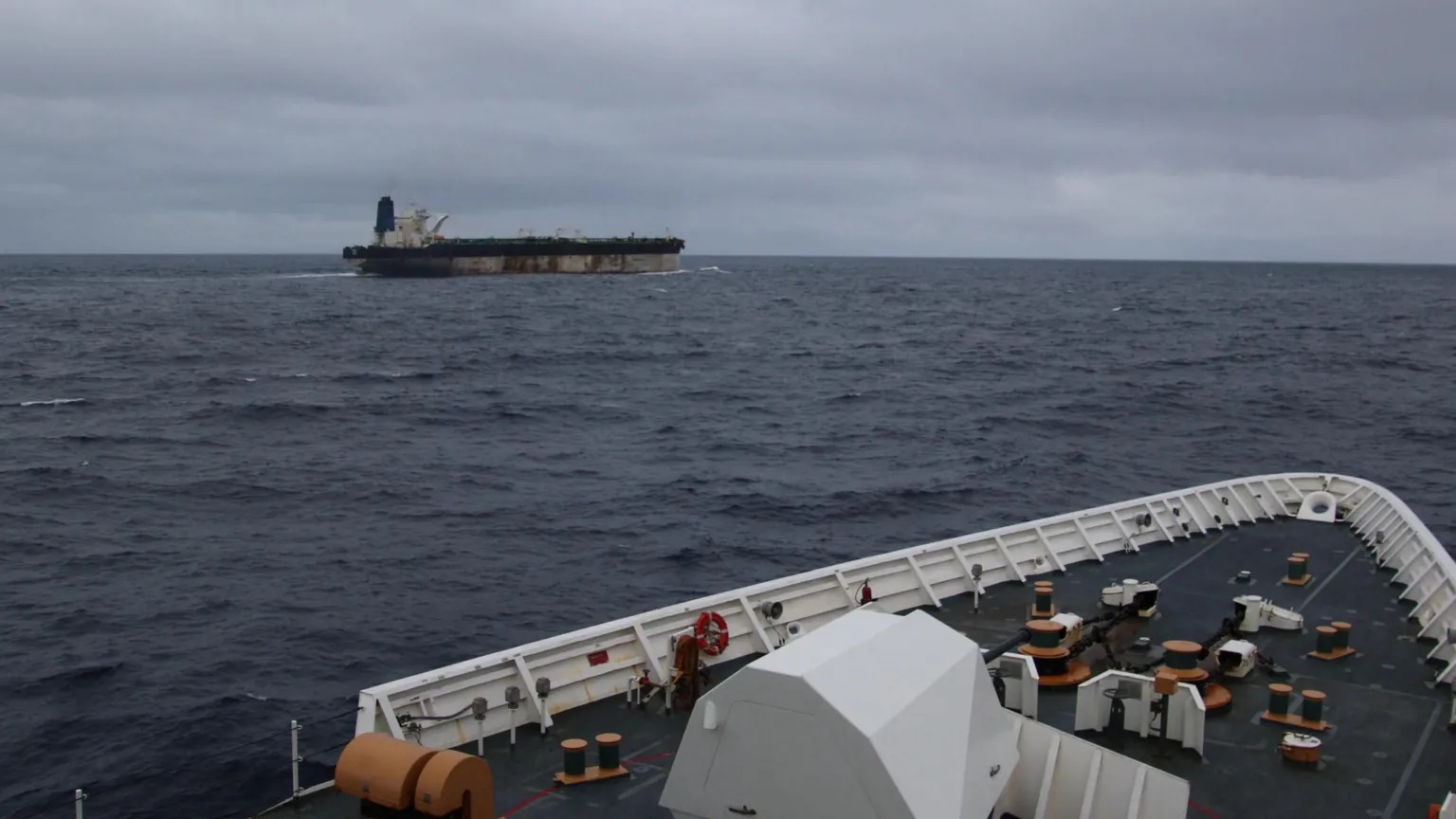
A Russian naval group consisting of the Admiral Levchenko destroyer, the Sparta cargo ship, and the General Skobelev tanker is moving east through the Mediterranean with its AIS signals switched off.
OSINT observers from the Russian Forces Spotter reported this on September 1, publishing photographs of the Russian vessels.
Their AIS signals disappeared after the vessels passed through the Strait of Gibraltar on August 27.
According to the observers’ estimates, based on the group’s speed, the “Syrian Express” could reach Port Said, Egypt, or Tartus, Syria, around September 5-6.
Sparta’s official destination is listed as Port Said. At the same time, Russia has previously used the port as a formal destination for vessels that were actually bound for Tartus. Therefore, the current group may also be heading to Syria.
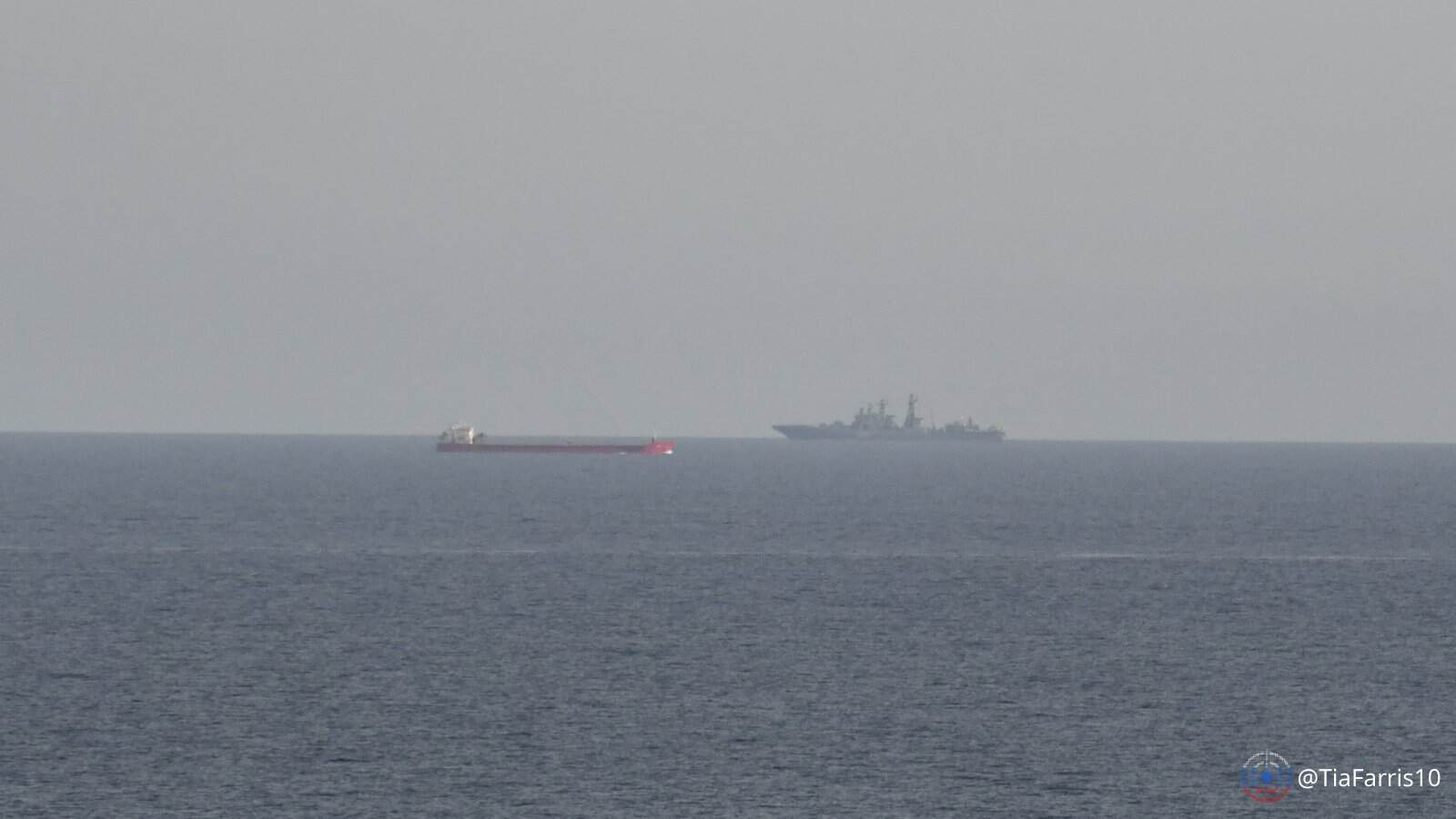
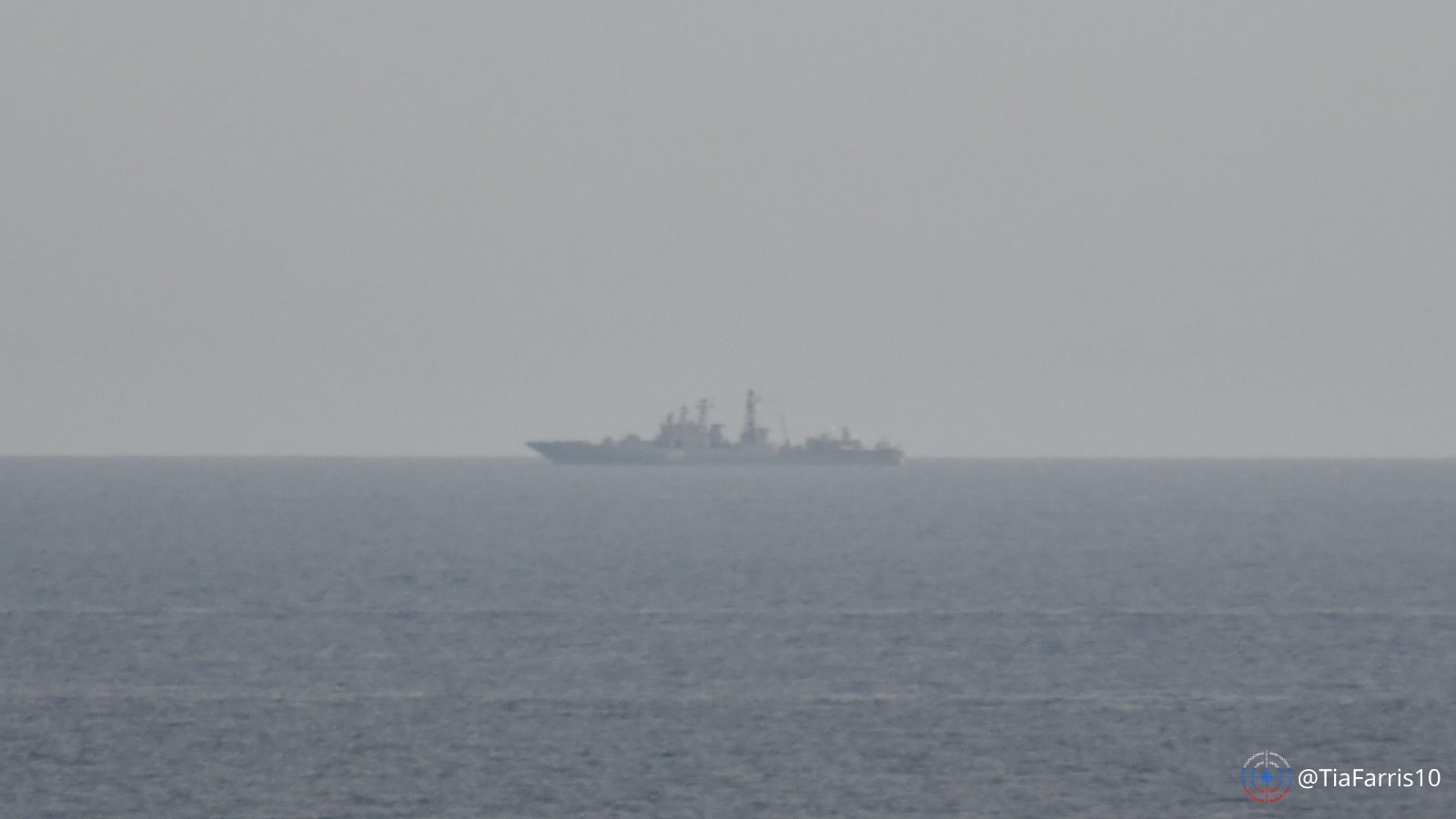
The “Syrian Express” is an informal name for Russia’s military maritime logistics route that supplied Russian forces in Syria for years. It transported military equipment, weapons, ammunition, fuel, and other supplies between Russian ports and Tartus.
Tartus was the key hub of this logistics network, where Russia maintained a naval facility. After the start of Russia’s military operation in Syria in 2015, Moscow modernized it. Another important facility was the Khmeimim air base near Latakia.
Maritime logistics along the “Syrian Express” supplied these facilities for years. Vessels operated by Oboronlogistika, including Sparta, regularly transported military cargo.
After the fall of Bashar al-Assad’s regime in December 2024, Russia began withdrawing some of its forces and equipment from Syria as the future of its military facilities became uncertain.

In January 2025, Russia started evacuating equipment from Tartus. Satellite imagery showed military equipment being loaded onto the Sparta and Sparta II transport vessels. Meanwhile, Syria’s new authorities terminated an agreement with a Russian company to manage the port of Tartus.
Despite reducing its military presence, Moscow continued negotiations with Damascus over the future of its facilities. Throughout 2025-2026, Russia gradually withdrew from secondary positions.
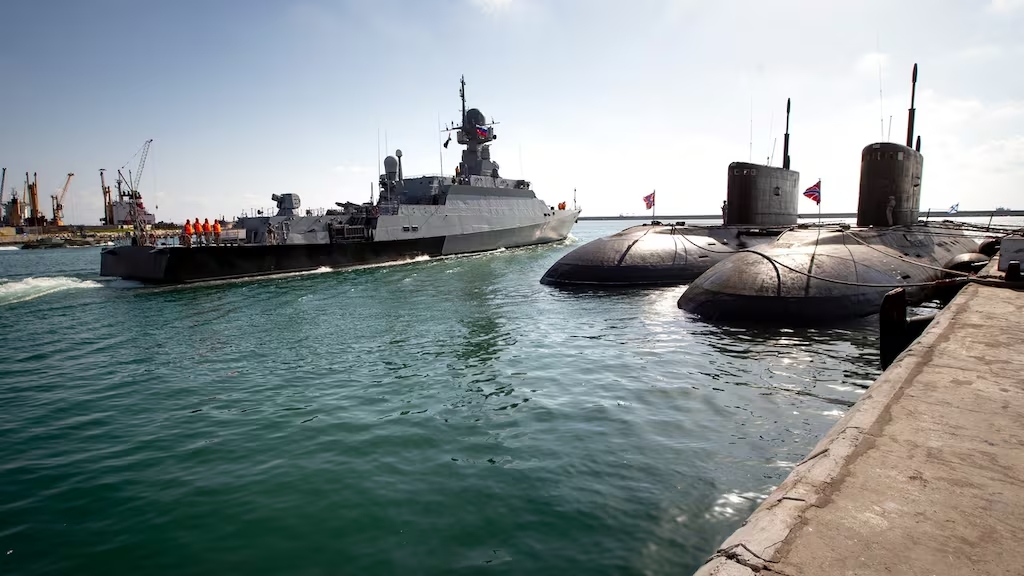
As of August 2026, a limited Russian contingent remains at Khmeimim and Tartus. It consists primarily of technical personnel, security forces, and a limited aviation group.
In August, Syria and Russia signed a memorandum of understanding to reorganize Russia’s military presence. Civilian facilities are to be transferred to Syrian control, while Russian military bases are planned to be converted into joint training and qualification centers. The transition process is to take up to three months.
Meanwhile, the current movement of Sparta, along with Admiral Levchenko and General Skobelev, may be related to the continuation of Russian maritime logistics in the region. However, the group’s exact destination and the nature of its cargo remain unconfirmed.
Turning off AIS signals after passing through Gibraltar makes it harder to determine the vessels’ actual route.
Підтримати нас можна через:
Приват: 5169 3351 0164 7408 PayPal - [email protected] Стати нашим патроном за лінком ⬇
Subscribe to our newsletter
or on ours Telegram
Thank you!!
You are subscribed to our newsletter