




Popular
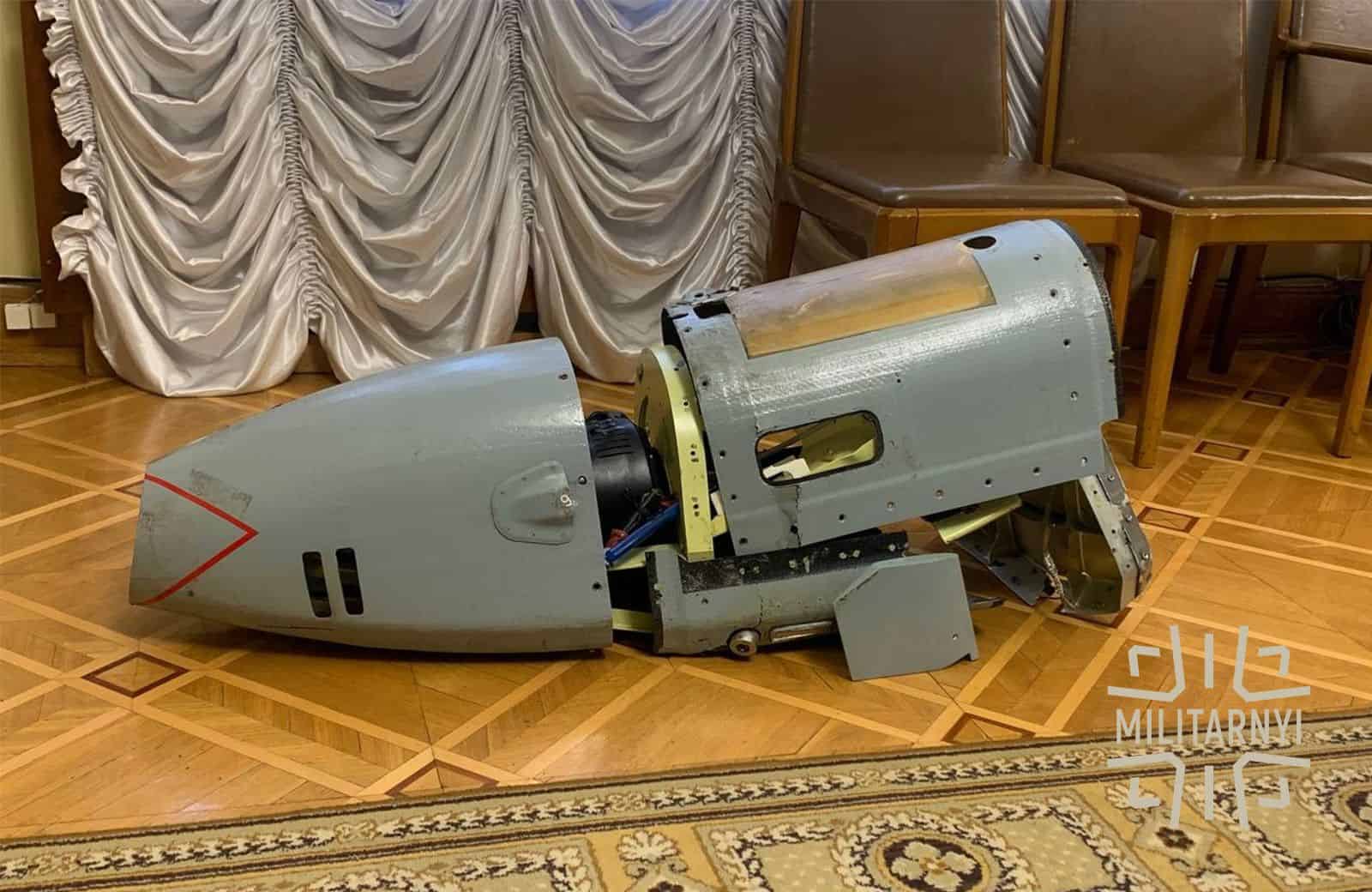
Russia has completed testing of the new lightweight S8000 Banderol cruise missile and has moved on to mass production. At the same time, analysis of the latest prototypes indicates that the design of the missile continues to evolve.
A representative of the Defence Intelligence of Ukraine (DIU) reported this during a press conference showcasing Russian weaponry, which was attended by Militarnyi’s correspondent.
Experts note that the 2026 models of the missile differ significantly from the 2025 models, indicating ongoing modernization even after the missile entered service.
“The Banderol has already completed the testing phase and moved on to mass production,” noted the DIU expert.
According to the reported specifications, the missile is equipped with a warhead weighing approximately 150 kilograms, reaches speeds of 550–600 km/h, and has a range of up to 350–400 kilometers.
Initially, the Banderol was launched from the Orion medium-altitude unmanned aerial vehicle. However, the Russian military has now mastered launching the missile from ground-based launchers deployed in the temporarily occupied Crimea, as well as from Mi-28 helicopters.
According to an expert, Russia is increasingly using the Banderol in strikes on southern Ukraine. The missile is designed to engage stationary targets with pre-determined coordinates. These primarily include port infrastructure, logistics hubs, terminals, and food warehouses. However, it is not used to strike moving targets or ships. According to a representative of the Defence Intelligence of Ukraine, Russia has recently significantly increased its use of this weapon.
“Russia is now starting to use the Banderol more and more. This poses a problem for us, since FPV interceptor drones are ineffective against this missile,” he added.
Experts also reported that during an assessment of the aftermath of the strikes on Odesa, a significant portion of the new weapons that were identified belonged to this specific type of missile.

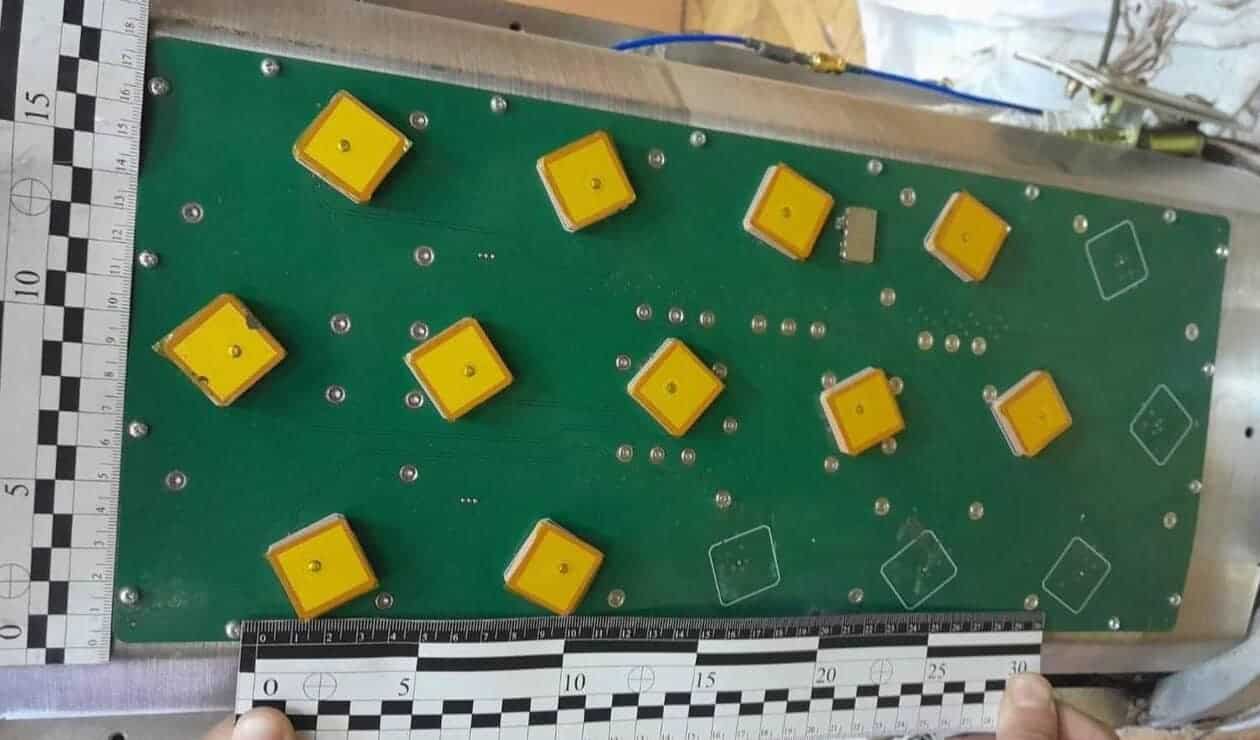
An analysis of the downed missiles revealed that the Banderol contains a significant number of foreign-made electronic components.
The samples examined include components from companies such as:

Ukrainian experts primarily examine downed or unexploded missiles. This allows them to obtain nearly intact electronic modules, identify component manufacturers, and track changes between different production batches.
Information about the identified components, including serial numbers, is shared with international partners to strengthen export controls and sanctions policies regarding the supply of electronics to the Russian defense industry.
According to participants at the press conference, the restrictions already in place are affecting the availability of certain components for the Russian defense industry.
At the same time, the mass production of the Banderol indicates that Russia still retains the ability to obtain the necessary electronics through alternative supply channels.

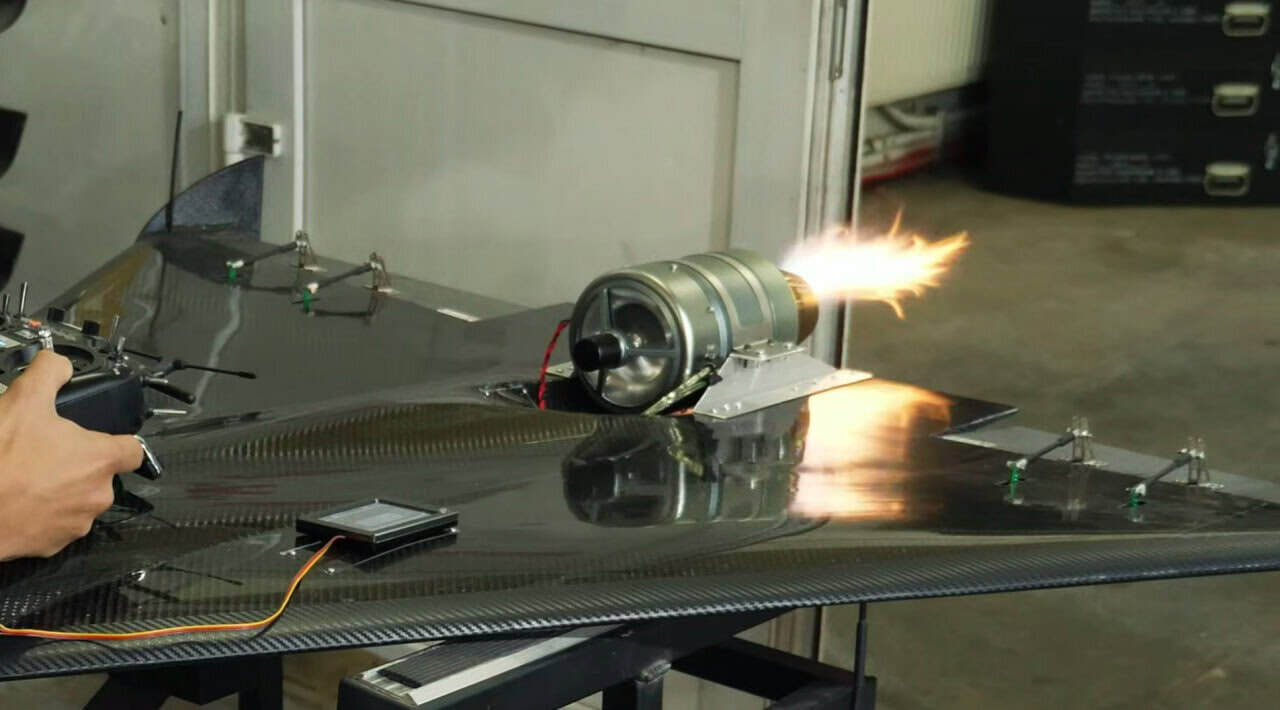
The missile uses a Chinese turbojet engine manufactured by Swiwin, weighing 8.5 kg. At a maximum rotational speed of 65,000 rpm, it develops thrust of up to 81.6 kgf.
With these engine specifications, the missile’s stated range reaches 500 km.
It is equipped with an OFBCh-150 high-explosive fragmentation warhead with a total mass of 114.3 kg, of which 49.5 kg is explosive material.
Підтримати нас можна через:
Приват: 5169 3351 0164 7408 PayPal - [email protected] Стати нашим патроном за лінком ⬇
Subscribe to our newsletter
or on ours Telegram
Thank you!!
You are subscribed to our newsletter