


Popular
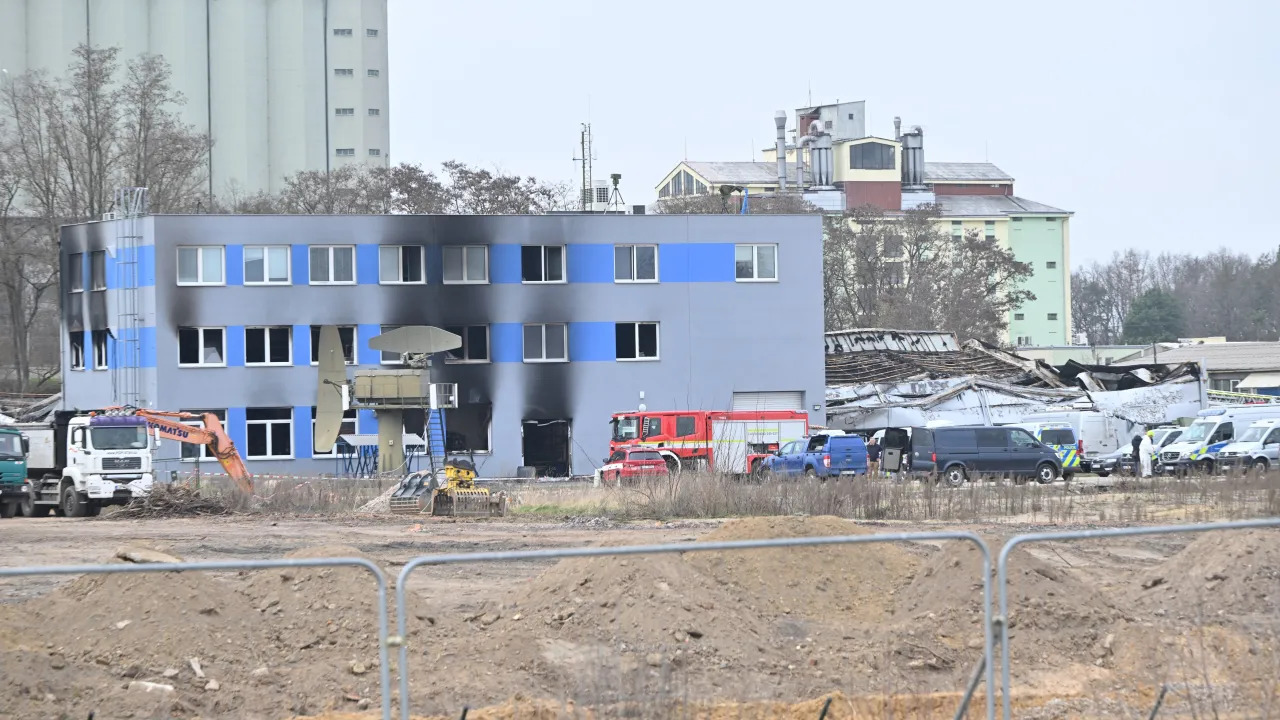
Since Russia launched its full-scale invasion of Ukraine in 2022, it has significantly expanded its hybrid warfare campaign across Europe. Russian operations have targeted everything from cyberspace and the depths of the Baltic Sea to polling stations and civilian airports.
That is according to a report by the U.S. Congressional Research Service.
Analysts note that since the invasion began, Kremlin intelligence and security services have adopted more aggressive and overt tactics aimed at intimidating European societies, testing NATO’s resolve, and weakening military and technical support for Ukraine.
As of September 2, the OSINT tracker Malcontent News has recorded 497 incidents across Europe since Russia’s full-scale invasion began.
Of these, the authors directly link 454 incidents to Russian and Belarusian hybrid activities. Law enforcement authorities are currently investigating possible sponsorship by Russian intelligence services in 44 cases.

The scale of sabotage targeting critical infrastructure in European countries is growing. According to an IISS study, the number of such attacks in Europe quadrupled between 2023 and 2024 alone.
A particular threat comes from the Main Directorate of the General Staff of the Russian Armed Forces (GU GS / GRU) and the Main Directorate for Deep-Sea Research (GUGI). Using civilian spy vessels, these units map and damage undersea communications cables and pipelines in the Baltic and North Seas.
Amid European countries expelling more than 750 Russian diplomats and intelligence officers, Russia has changed tactics and begun massively recruiting one-off operatives and criminals through social media.
These low-cost “agents for hire” carry out arson attacks on shopping centers, sabotage railway lines, and send explosive devices by mail, although such networks often display a low level of operational security and professionalism.

There have also been numerous attempts to target Kremlin opponents and senior figures in Europe’s defense industry. One such case involved an alleged plot to assassinate Armin Papperger, CEO of the German defense giant Rheinmetall.
In response, NATO allies have launched new specialized monitoring missions, including Baltic Sentry and Eastern Sentry. Meanwhile, members of the U.S. Congress are calling for tougher sanctions against Russian intelligence services and for the appointment of a special coordinator to help hold Russia accountable for its hybrid aggression.
In April, analysts at the Sahaidachnyi Security Center published a study titled “The Unannounced War: How Russia Attacks Europe.” The study is designed as a practical tool to help Ukraine’s partners assess the threat and develop an effective response.
Підтримати нас можна через:
Приват: 5169 3351 0164 7408 PayPal - [email protected] Стати нашим патроном за лінком ⬇
Subscribe to our newsletter
or on ours Telegram
Thank you!!
You are subscribed to our newsletter