




Popular

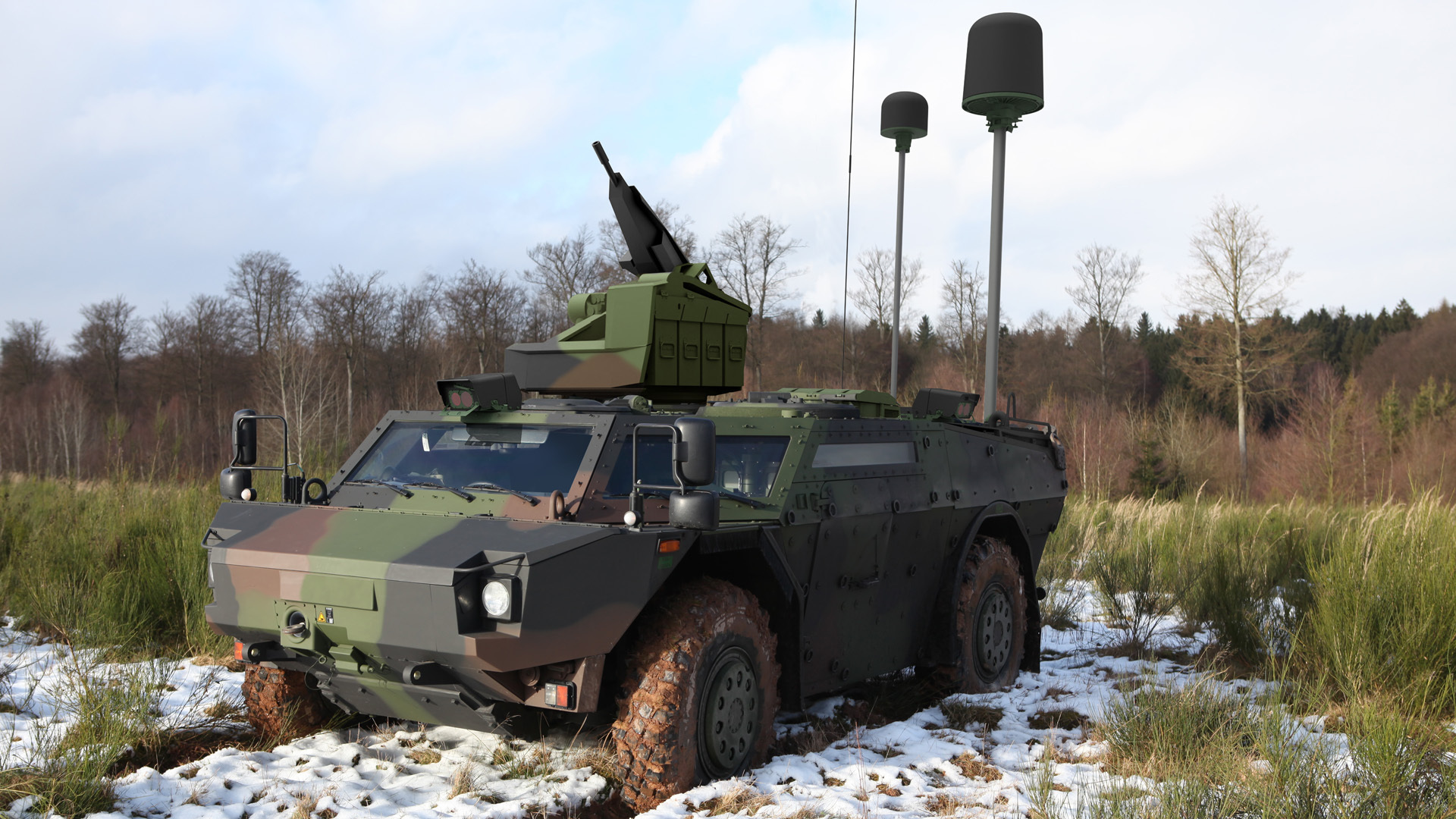
A large-scale electronic warfare system has been deployed in Kyiv to defend against remotely controlled Shahed drones.
This was reported by radio technology expert and presidential advisor Serhii Flash.
One of the technologies the Russians use to search for targets and remotely control Shaheds is called MESH radio communication. A Russian operator controls the drone from Russian territory via a radio modem installed on the Shahed. This created the need to establish a protective “dome” over Kyiv that would jam such radio communications.
“The tasks were massive and ambitious — to complete a large volume of work throughout the city in just a few weeks,” says Flash.
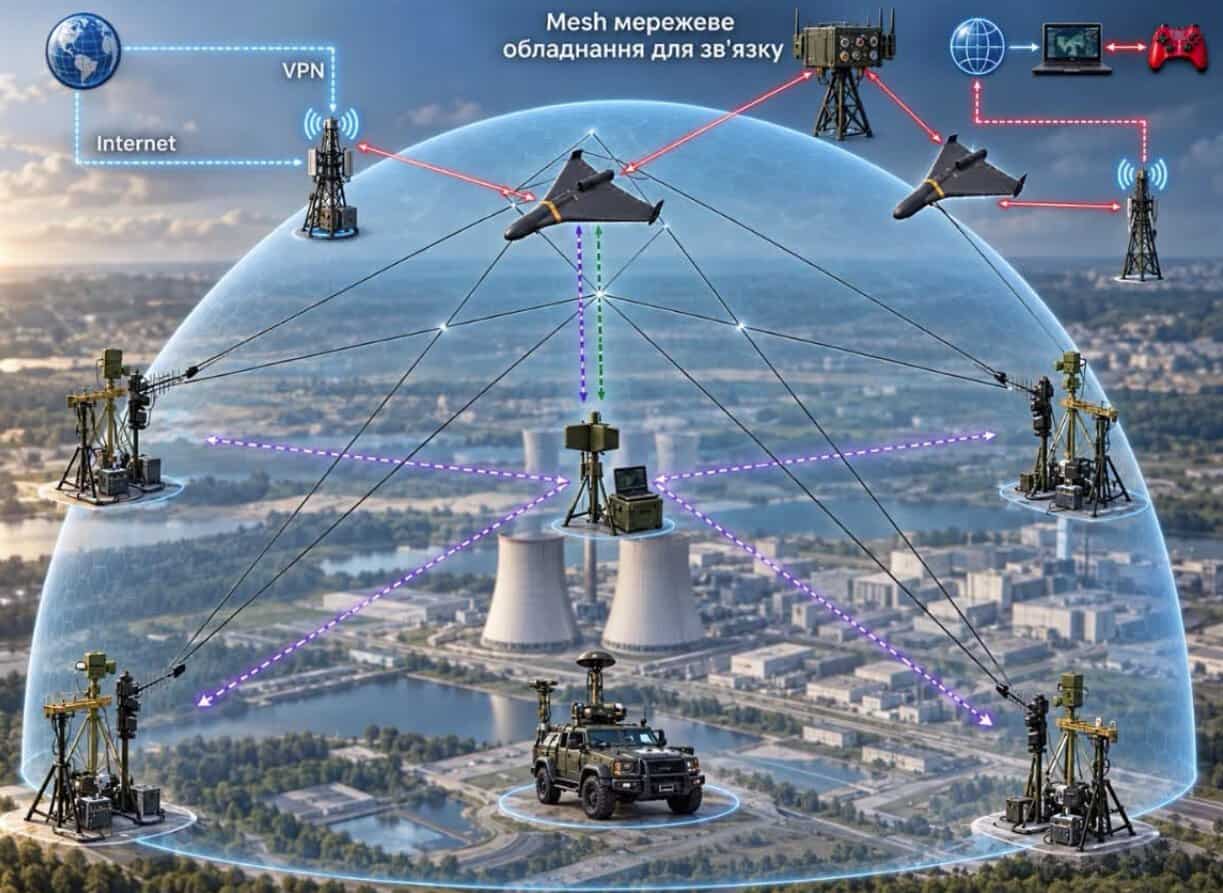
All major manufacturers of electronic warfare equipment were brought in to work around the clock to produce and install the equipment.
The General Staff, the Ministry of Defense, the Ministry of Internal Affairs, the National Security and Defense Council, the Office of the President, and units of the Armed Forces of Ukraine participated in the operation.
“The operation proved to be challenging not only technically but also organizationally. After all, we’re talking about hundreds of locations for deploying antennas and equipment throughout the city,” says Flash.
This operation forced the Russians to pause, upgrade their “Shaheds,” and seek alternative technical solutions.
A MESH network is a decentralized network topology in which nodes or devices can connect directly to one another.
This approach provides for several possible data transmission routes. If one of them becomes unavailable, the system can use an alternative path.

In a traditional network, there is usually a central node — a router, base station, server, or other device through which most connections pass. If this element fails or communication with it is lost, network operations may be disrupted.
In contrast, a MESH network operates based on the interaction of many nodes. One of them may be connected to an external network, such as the Internet or a WAN. Other nodes connect to it directly or through intermediate devices. The result is not a linear chain, but a branched network of interconnected nodes.

This is achieved through dynamic routing — a set of algorithms that determine the most efficient path for data transmission at any given moment.
Підтримати нас можна через:
Приват: 5169 3351 0164 7408 PayPal - [email protected] Стати нашим патроном за лінком ⬇
Subscribe to our newsletter
or on ours Telegram
Thank you!!
You are subscribed to our newsletter