



Popular
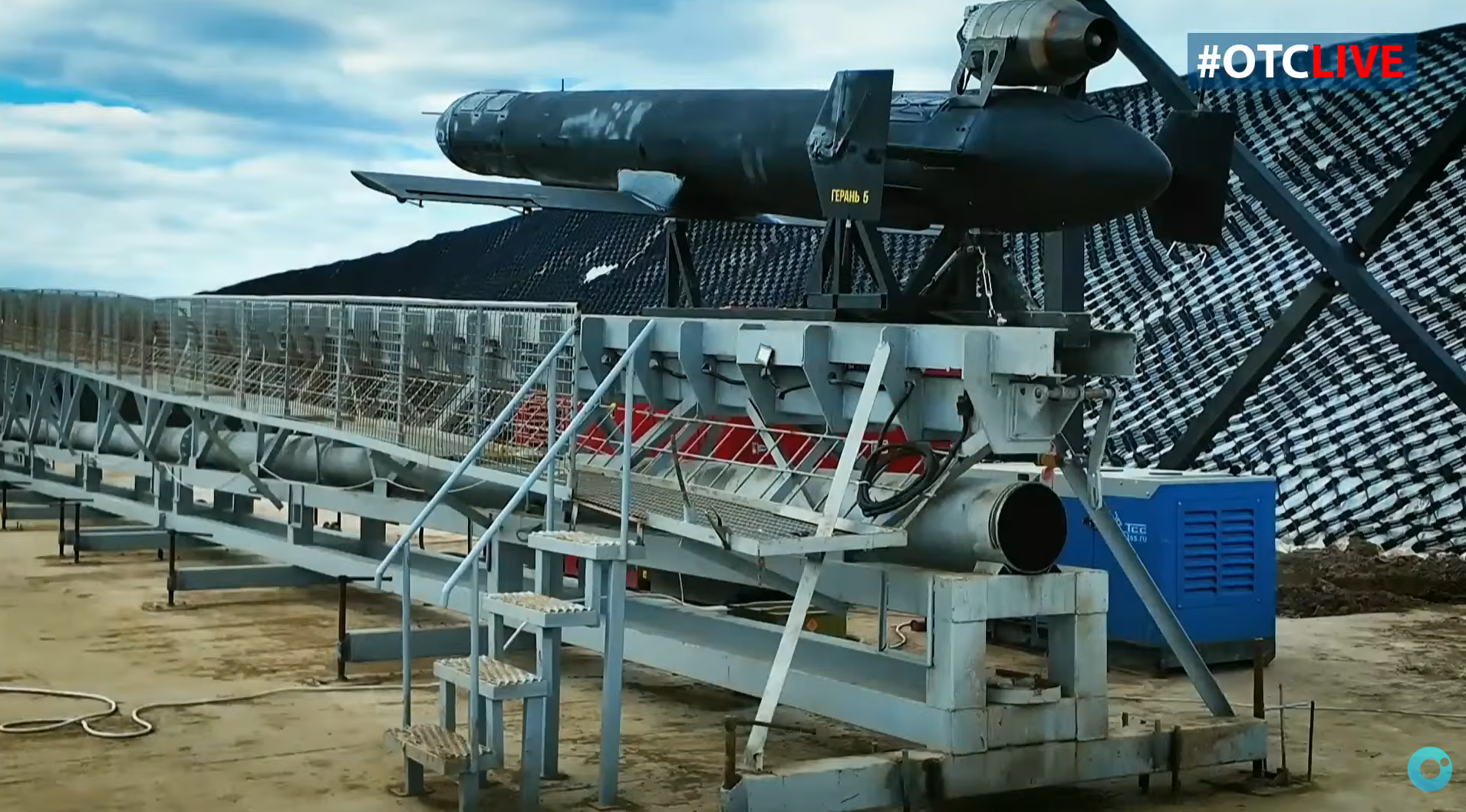
In July 2026, Russia increased its use of jet-powered UAVs against Ukraine fivefold compared with June.
On August 31, Yurii Ihnat, the Head of the Communications Department of the Air Force Command of the Armed Forces of Ukraine, stated this during a telethon, Interfax-Ukraine reports.
According to him, over the past four days, Ukrainian forces have recorded more than 1,500 drones, about 800 of which were jet-powered.
The overall effectiveness of Ukraine’s air defense was about 90%, but jet-powered UAVs were intercepted less frequently.
Ihnat noted that Russia began actively using jet-powered UAVs in July.

Over the course of a month, their number increased fivefold compared with June. Russian forces have also stepped up their use of Banderol-type UAVs, which combine the features of a drone and a missile.
According to the Air Force spokesperson, the new jet-powered UAVs are significantly harder to intercept due to their high speed.
Some of these vehicles can reach speeds of around 600 km/h, while Ukrainian interceptor drones currently reach approximately 300 km/h and physically cannot catch up with such targets.
Another challenge is the altitude at which jet-powered UAVs fly — around 5 km.

As a result, they operate beyond the effective engagement range of mobile fire teams and portable SAM systems.
Yurii Ihnat attributes the increased use of jet-powered UAVs to the high effectiveness of Ukrainian air defense against Shahed drones. According to him, Russia is attempting to shift to more complex and faster attack systems that require a wider range of interception capabilities.
This is also confirmed by the Russian military’s increased use of the S8000 Banderol cruise missile. Russia is currently producing the missile at a rate of approximately 80 units per month.
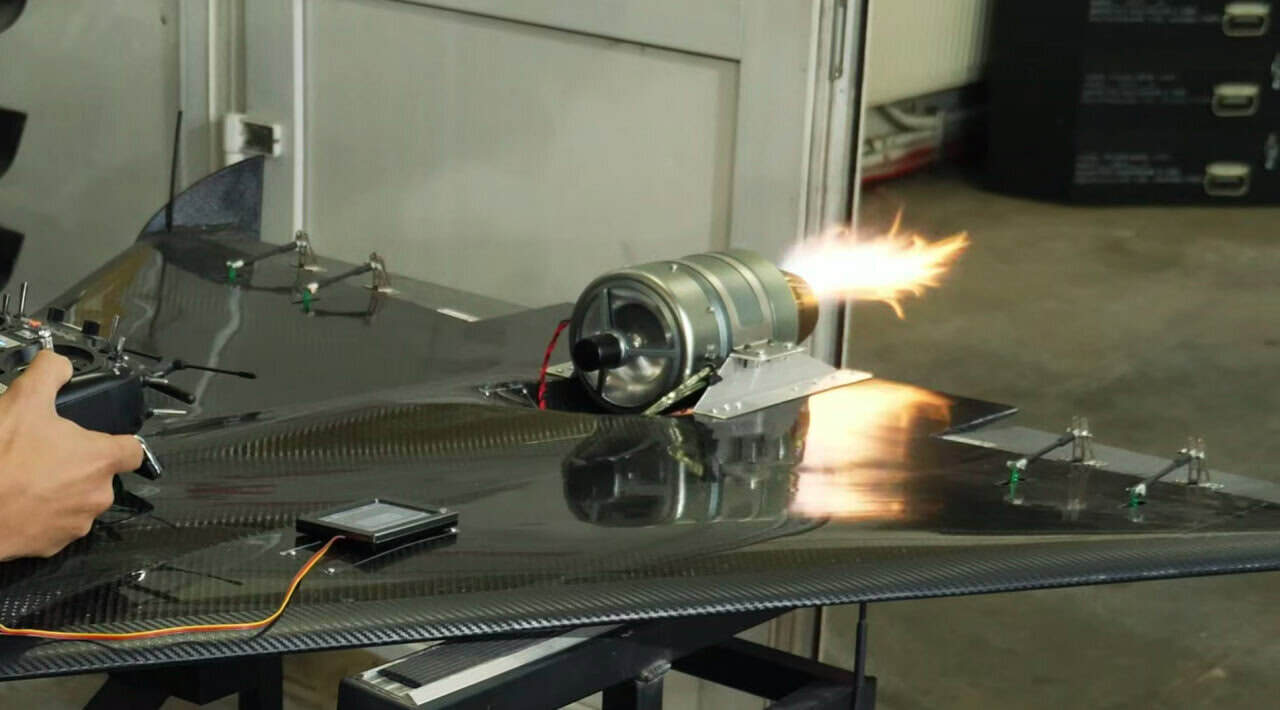
Experts classify the S8000 Bandrol as a small cruise missile or a jet-powered loitering munition that combines the features of a kamikaze drone and a missile. Its designers developed it with a focus on minimizing cost and simplifying production while retaining sufficient capabilities to strike targets at operational depth.
We also recommend reading this article on Militarnyi — “S8000 ‘Banderol’: A New Russian Missile for Strikes Against Ukraine.”
In appearance and aerodynamic configuration, the weapon resembles a miniature cruise missile, with a design that incorporates low-observability requirements. The fuselage is approximately 5 meters long, with a body diameter of around 30 centimeters. The missile features folding wings and stabilizers with a span of about 2.2 meters. This allows it to be transported in a folded configuration or mounted on the external pylons of aircraft carriers.
The small body diameter and use of composite materials reduce the target’s radar cross section. This makes it more difficult for radar stations to detect the missile, particularly when it flies at extremely low altitudes, where it can use the terrain for concealment.
Підтримати нас можна через:
Приват: 5169 3351 0164 7408 PayPal - [email protected] Стати нашим патроном за лінком ⬇
Subscribe to our newsletter
or on ours Telegram
Thank you!!
You are subscribed to our newsletter