



Popular
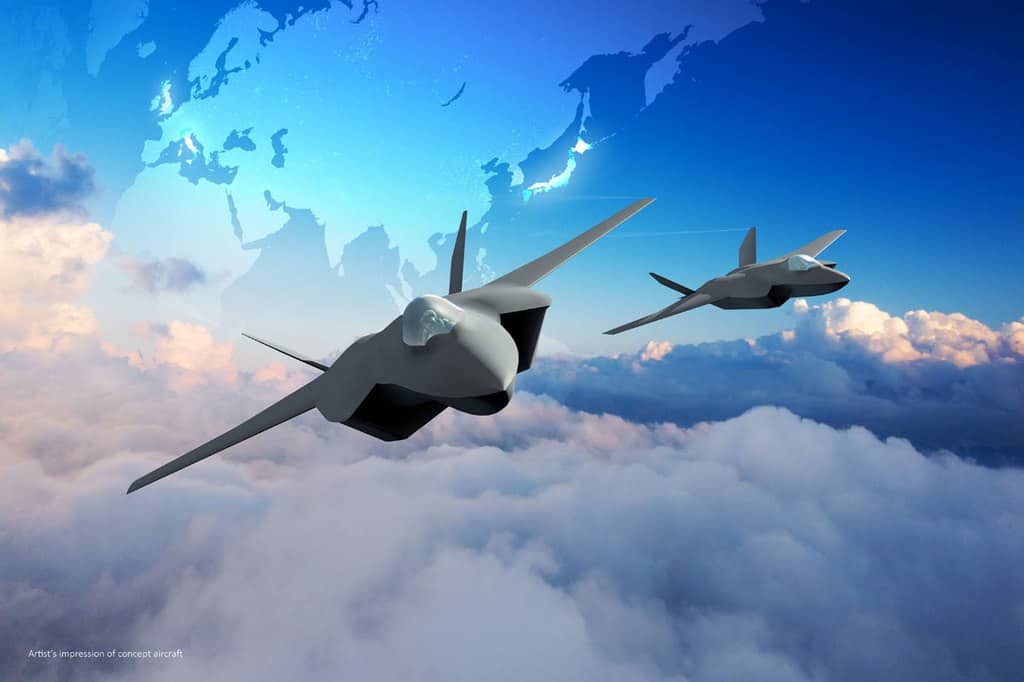
Japan has selected the production site that will become the national assembly center for the next-generation Global Combat Air Programme (GCAP) fighter jet.
47news reported on this.
Assembly will take place at the Mitsubishi Heavy Industries Komaki South Plant in Aichi Prefecture.
The facility in Toyoyama is expected to become Japan’s main production site. The final division of work between the three countries has not yet been agreed upon, so some assembly stages may also be carried out at production centers in the United Kingdom and Italy.
Komaki South has extensive experience in combat aircraft manufacturing. The plant has already carried out final assembly of F-35A fighter jets delivered to the Japan Air Self-Defense Force.

The existing production base and skilled workforce became key arguments in favor of the facility. British engineers are already working at the Japanese plant, where they are collaborating with MHI specialists on the design of individual elements of the future fighter.
Within GCAP, each partner country is establishing its own development center. Japan plans to launch its center by the end of the year, while the British center will operate in Warton and the Italian center in Turin.

BAE Systems has reported that approximately half of the sixth-generation Tempest fighter jet demonstrator has been assembled. Engineers have developed more than 11,500 components that make up about 90% of the future aircraft’s mass. British companies within the national supply chain are manufacturing a significant share of the components.
In addition to the aircraft itself, the countries face the task of developing separate components, including the engine. BAE Systems plans to equip the aircraft demonstrator with the Orpheus jet engine, which engineers created based on the EJ200 engine installed on Typhoon fighters.

Research into a future GCAP aircraft engine is also being conducted in Japan, where specialists are using the XF-9 engine developed by IHI to evaluate its performance and possible applications for the new aircraft.
Toshiba is responsible for the radar component and has presented a new radar system.
Japan is taking one of the leading roles in the GCAP program. At the end of December 2024, Japan assumed responsibility for designing the airframe, using its advanced technologies.

According to the Japanese Ministry of Defense, the country will apply advanced composite material technologies that reduce structural weight and improve radar stealth capabilities.
The United Kingdom is responsible for developing avionics and electronic systems, while Italy is focusing on flight control systems. Japan is also participating in these areas.
The GCAP program aims to create a sixth-generation fighter jet designed to operate alongside aircraft such as the F-35. It will use advanced technologies in autonomy, artificial intelligence, unmanned systems, and next-generation sensors.
The latest development by the multinational company Edgewing is planned as a replacement for the Eurofighter Typhoon in service with the United Kingdom and Italy, and the Mitsubishi F-2 in Japan.
On July 3 this year, £4.6 billion (about $6.1 billion) was allocated to the project as part of an 18-month contract.
Підтримати нас можна через:
Приват: 5169 3351 0164 7408 PayPal - [email protected] Стати нашим патроном за лінком ⬇
Subscribe to our newsletter
or on ours Telegram
Thank you!!
You are subscribed to our newsletter