






Popular
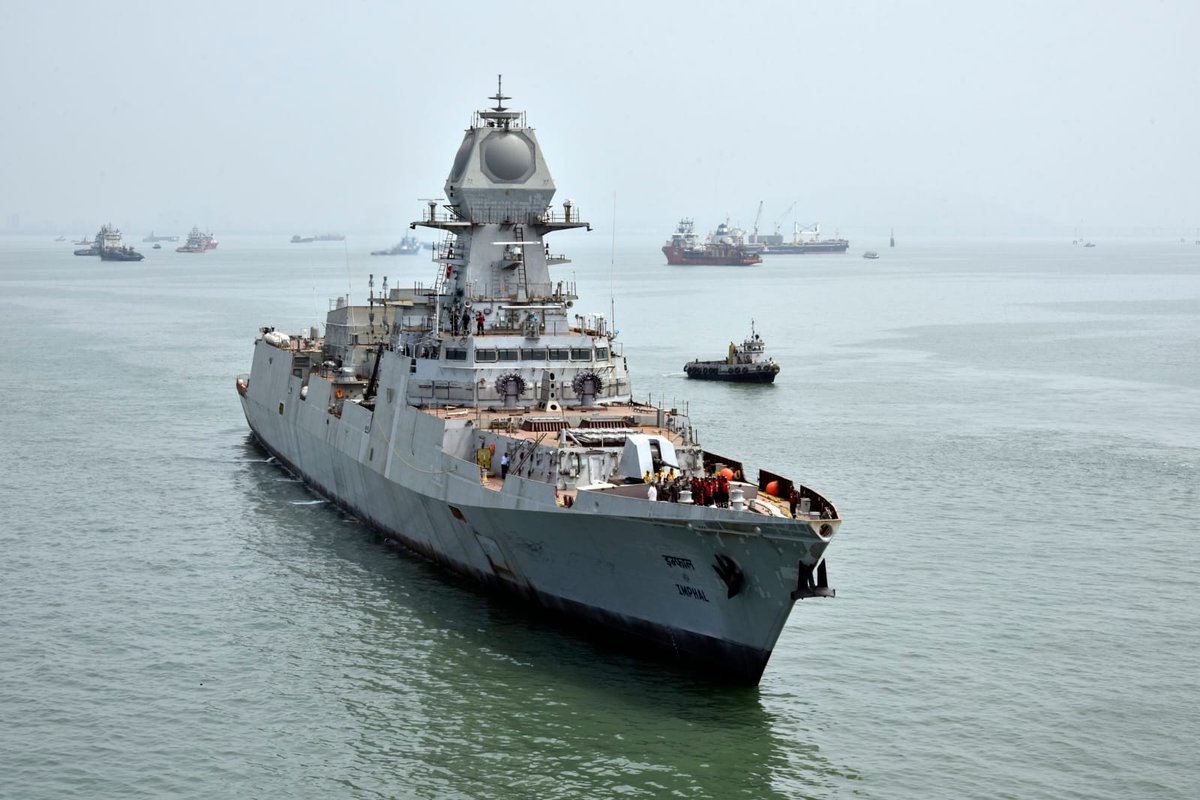
Indian Navy ships have begun escorting Indian tankers exiting the Strait of Hormuz.
This was reported by Naval News.
It is noted that tankers carrying liquefied natural gas are being escorted as they exit the Strait of Hormuz and through the Gulf of Oman.
The Indian ships Shivalik and Nanda Devi are heading to Indian ports, carrying a total of 92,700 metric tons of liquefied gas.
Other Indian ships remain on standby in the Persian Gulf region. There has been no official announcement regarding the Indian Navy’s involvement in escorting merchant ships, but videos posted on social media confirm their presence.
Footage taken from aboard the Shivalik shows a Visakhapatnam- or Kolkata-class destroyer, as well as an MH-60R deck-based helicopter.
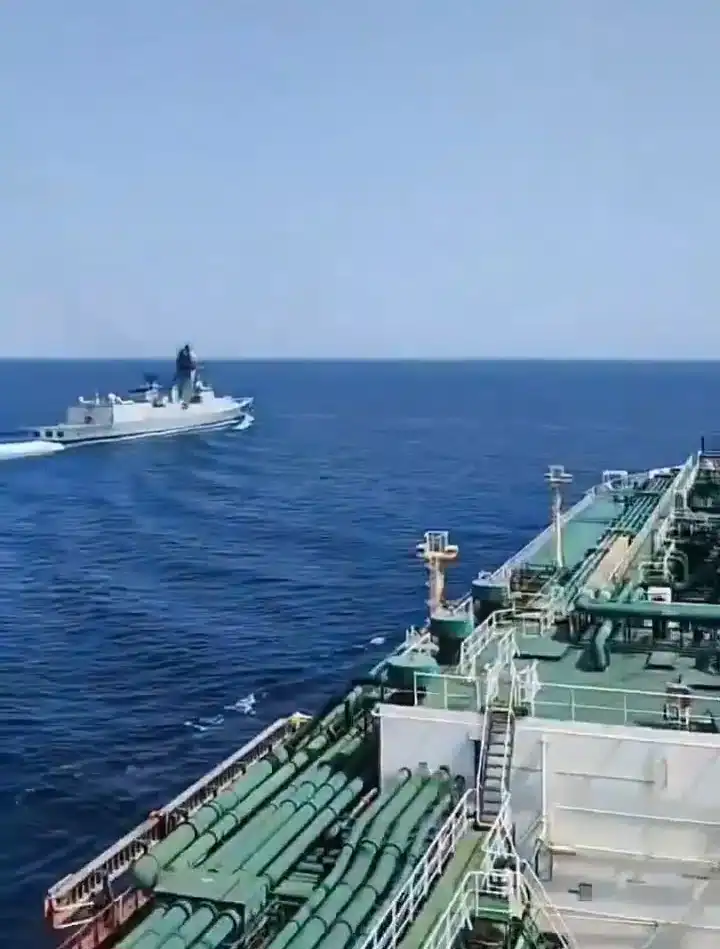
Data from open-source vessel tracking systems as of March 14 indicate that at least three Indian Navy ships were in the Gulf of Oman, occupying advantageous positions to escort Indian merchant ships.
India, like a number of other Asian nations, relies heavily on the Strait of Hormuz to meet its energy needs. Both tankers belong to the state-owned Shipping Corporation of India and are intended to help alleviate domestic concerns about a potential fuel shortage.
This move followed a telephone conversation between Indian Prime Minister Narendra Modi and Iranian President Dr. Masoud Pezeshkian on March 12. During the call, Modi stated that “the safety and security of Indian citizens, as well as the need for the unimpeded transit of goods and energy resources, remain India’s top priorities.”
Prior to this conversation, there were about two dozen Indian ships and hundreds of Indian sailors in the Persian Gulf. As a result of Iranian attacks on merchant ships, several Indian sailors on board were killed or wounded. It is likely that negotiations between the leaders led to agreements regarding the passage of Indian ships through the strait.
According to available data, there are currently 22 Indian ships west of the Strait of Hormuz, and India is seeking to ensure safe passage for all of them. It is generally known that about 85% of the oil and gas passing through the strait is destined for Asian countries.
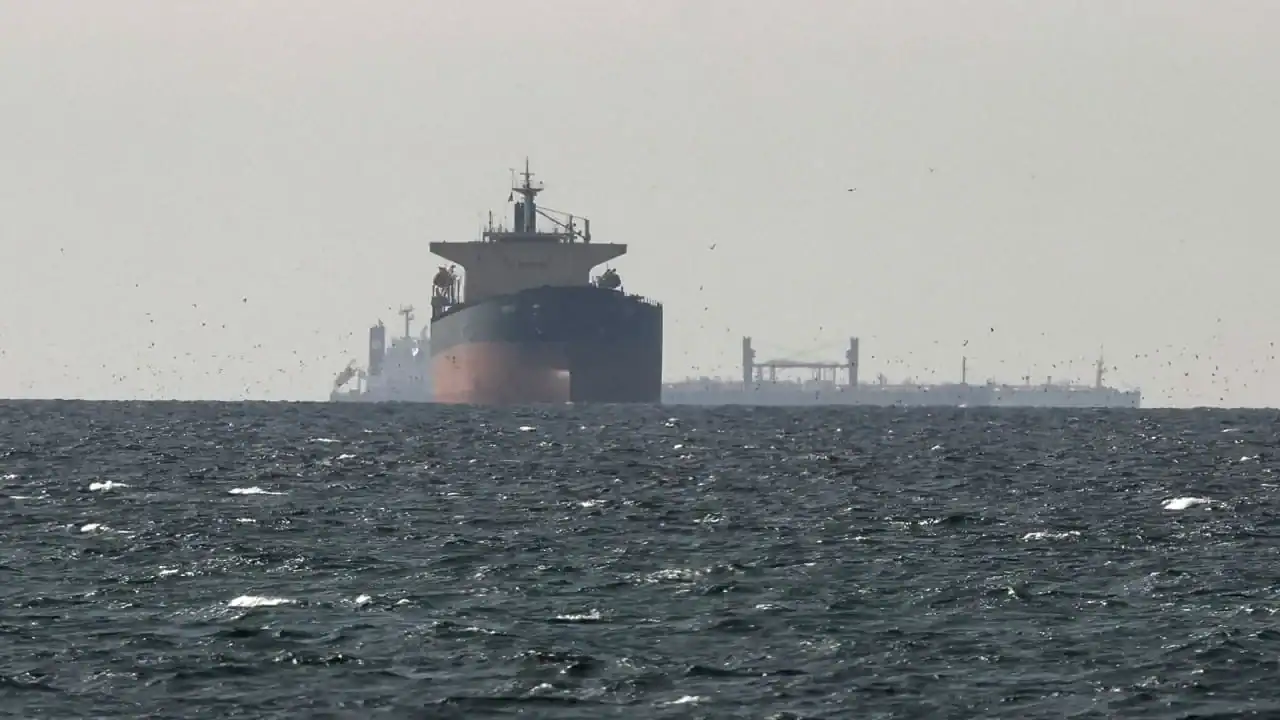
It was recently reported that the Pakistani tanker Karachi, which was transporting oil from Abu Dhabi, became the first non-Iranian vessel to pass through this strategic passage while transmitting an AIS (Automatic Identification System) signal.
At the same time, it is unknown whether Indian tankers passed through the Strait of Hormuz with their AIS systems activated.
Earlier, US President Donald Trump stated that the country’s naval forces would “very soon” begin escorting commercial oil tankers through the Strait of Hormuz. However, he did not specify the exact timing for the start of such operations.
US Secretary of Energy Chris Wright announced that the US Navy could begin escorting tankers through the Strait of Hormuz as early as the end of March.
The Strait of Hormuz is one of the world’s most important maritime transport routes, connecting the Persian Gulf with the Gulf of Oman and the Arabian Sea. It is located between the coast of Iran to the north and the territories of Oman and the United Arab Emirates to the south. Due to its narrowness and strategic location, the strait plays a key role in global energy trade.
The strait is about 39 kilometers wide at its narrowest point, but the navigable channels are significantly narrower. Two separate channels, one for incoming and one for outgoing vessels, are used for tanker traffic, each approximately several kilometers wide. This configuration makes the strait potentially vulnerable to military action, blockades, or mining.
A significant portion of the world’s oil and liquefied natural gas exports passes through the Strait of Hormuz. Oil is transported via this route by Persian Gulf countries, including Saudi Arabia, Iraq, Kuwait, Qatar, and the United Arab Emirates.
Підтримати нас можна через:
Приват: 5169 3351 0164 7408 PayPal - [email protected] Стати нашим патроном за лінком ⬇
Subscribe to our newsletter
or on ours Telegram
Thank you!!
You are subscribed to our newsletter