



Popular

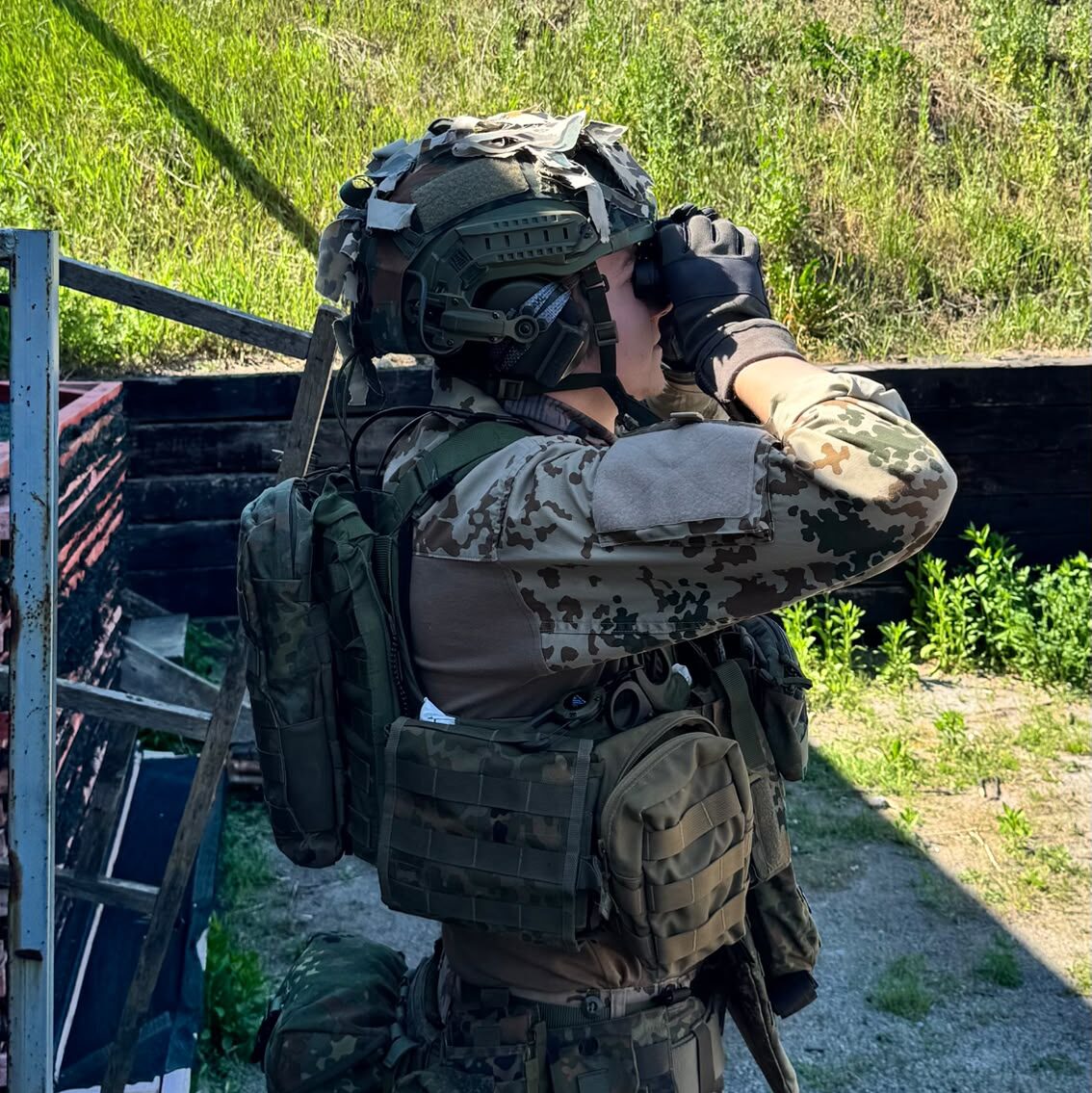
The Bundeswehr’s Special Operations Forces Command (KSK) is reorienting its training toward a potential war with Russia and preparing its units for prolonged operations on NATO’s eastern flank.
KSK Commander Brigadier General Andreas Kühne told the German newspaper BILD about this.
According to him, typical special forces operations were previously planned to last about three days, after which the unit would return to base to rest and replenish supplies.
In the event of a war with Russia, the command assesses that this format would be unsuitable.
“We are very specifically focused on the enemy—Russia,” Kühne stated.
He noted that units will have to remain in the field for much longer periods without the ability to quickly return to a secure base.
“Perhaps initially with no end date at all,” the KSK commander noted.
In this regard, special forces are practicing operations against an adversary equipped with armored vehicles, artillery, drones, and electronic warfare systems.
Special attention is being paid to operating in the low temperatures characteristic of a potential theater of operations on NATO’s eastern flank.
According to Kühne, if a real threat emerges, KSK units must begin carrying out their missions before the main ground forces are deployed.
He cited the Bundeswehr’s 45th Tank Brigade, deployed in Lithuania, as an example.
“When the 45th Tank Brigade in Lithuania actually starts its engines in a real-world scenario, we want our work to already be done,” the KSK commander explained.
According to him, upon receiving an order, the unit can depart Stuttgart by air within four hours, carrying the necessary equipment to carry out the mission.
This includes, in particular, reconnaissance deep within enemy territory, special operations, and other tasks designed to create conditions for the main forces to operate.
Küne also said the Russian military leadership must know the capabilities of German special forces.
During exercises in the Baltic states, Germany has already demonstrated its special forces’ capabilities.
The KSK commander called this a kind of “price” for potential aggression, intended to make an attack on NATO countries too costly for Russia.
The KSK’s reorientation comes amid broader changes in the Bundeswehr’s preparations to defend Germany and NATO’s eastern flank.
The German military regularly conducts exercises involving force deployment, the protection of critical infrastructure, the defense of allied nations, and operations against a technologically advanced adversary.
Heimatschutz reservists also participate in these scenarios; in the event of war, they are tasked with protecting key military and civilian facilities, troop movement routes, logistics hubs, and rear-area infrastructure.
Special attention is paid to making training conditions as close as possible to those of an actual battlefield.
During the Taurus 2024 series of exercises, specialized paratroopers from the 2nd Company of Fallschirmjägerregiment 31 practiced trench warfare, countering armored vehicles, airborne assault operations, and searching for enemy forces in their own rear.
One element of the exercises involved engaging a real, demilitarized Soviet-designed BMP-1 used as a moving armored target.
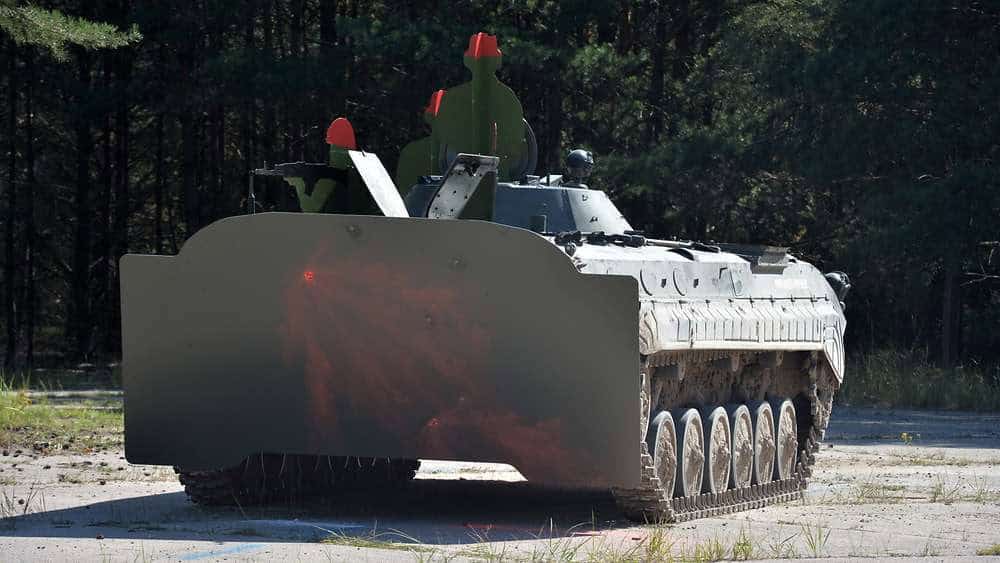
According to the scenario, a reconnaissance drone first detected the vehicle, after which groups of paratroopers advanced to positions to engage the armored vehicle with anti-tank weapons.
To ensure the vehicle’s safe reuse during training, an additional steel plate was installed on its rear.
During other phases of Taurus 2024, paratroopers were deployed by NH90 and CH-53 helicopters; they practiced urban combat and operations against an enemy that had penetrated the rear and could attack bridges, warehouses, airfields, and railway junctions.
Such exercises demonstrate the Bundeswehr’s shift from scenarios involving short-term expeditionary operations to preparing for a protracted, high-intensity conflict in Europe.
Currently, approximately 1,500 military personnel and civilian employees serve in the Kommando Spezialkräfte (KSK).
Of these, about one-third belong directly to the special operations units, while the rest provide command, logistics, and other functions.
According to Kühne, the KSK’s staffing level is approximately 70–80%.
The selection process remains rigorous—only slightly more than 15% of candidates successfully pass it.
The command expects that an increase in the Bundeswehr’s overall strength will allow for an expanded pool of candidates for selection into the special forces unit.
Training at the KSK center in Calvi includes marksmanship drills, close-quarters combat, physical training, swimming, martial arts, and operations in harsh climatic conditions.
According to BILD, the units use up to 500,000 rounds of ammunition during the course of a year of training.
The KSK was established in 1996 to carry out the most complex special operations, including hostage rescues, countering terrorist groups, evacuating people from crisis regions, and conducting reconnaissance behind enemy lines.
In particular, the unit has carried out combat missions in Afghanistan against the Taliban.
Підтримати нас можна через:
Приват: 5169 3351 0164 7408 PayPal - [email protected] Стати нашим патроном за лінком ⬇
Subscribe to our newsletter
or on ours Telegram
Thank you!!
You are subscribed to our newsletter