




Popular
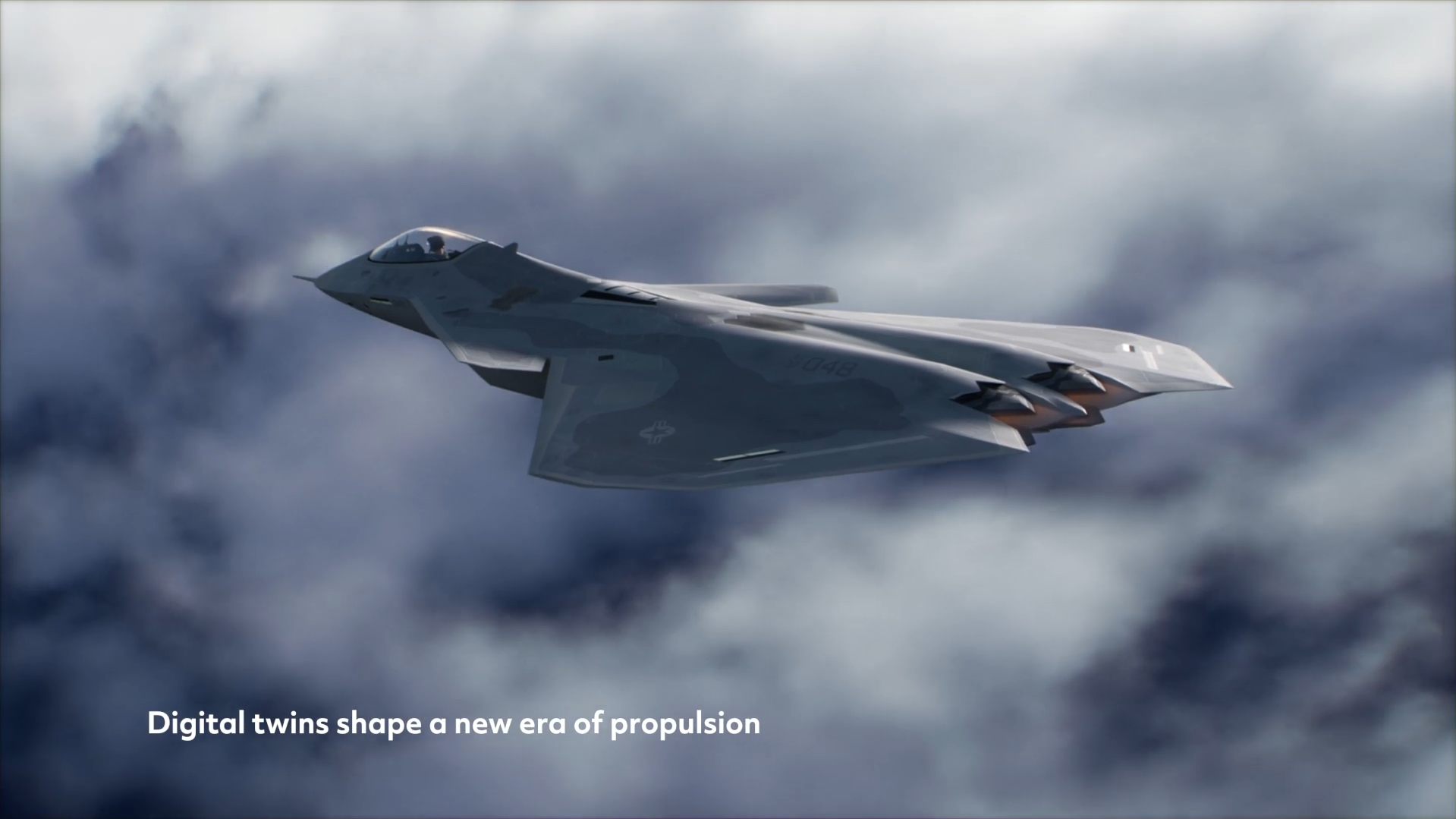
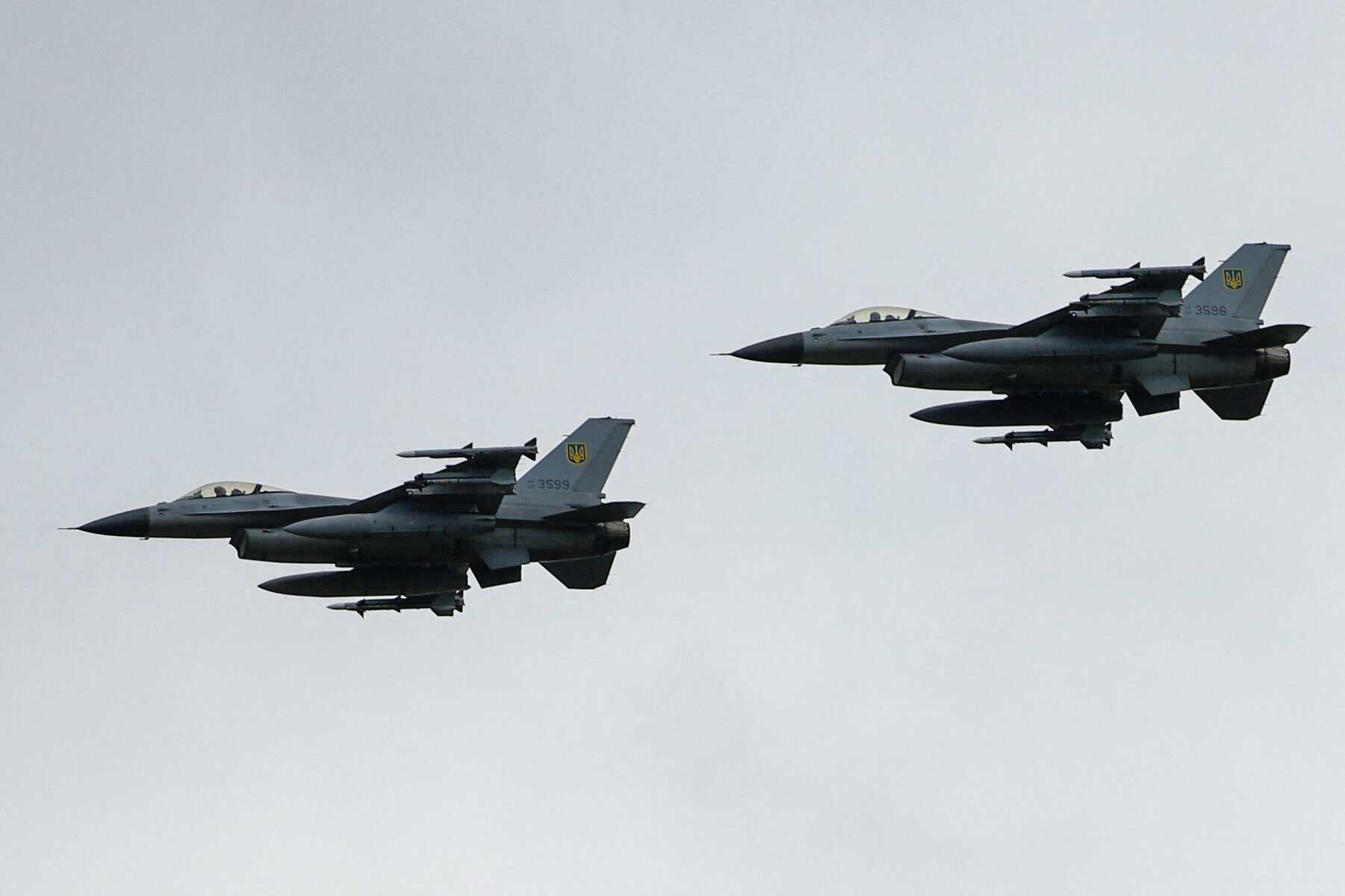
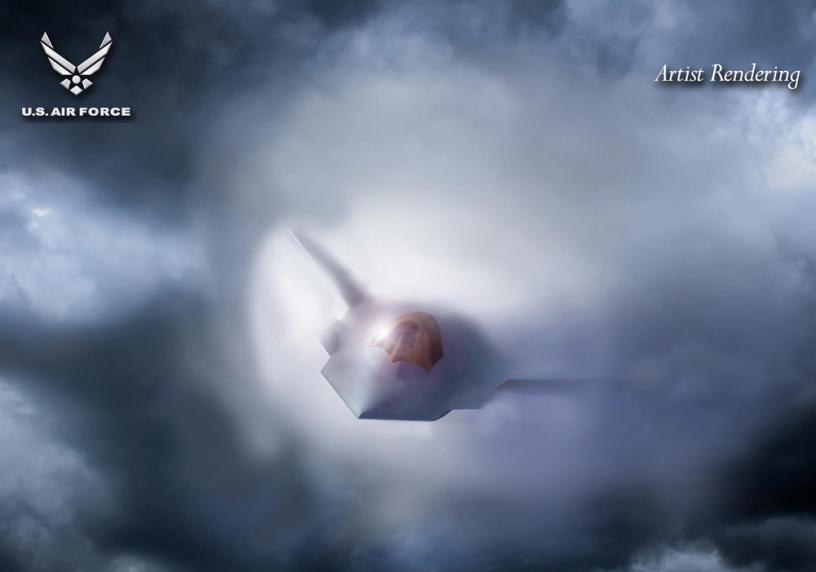
The latest American sixth-generation fighter jet, the F-47, may be equipped with an ‘interim’ engine, as development of its main powerplant is behind schedule.
The report comes from The War Zone.
It is reported that the XA103 and XA102 engines from Pratt & Whitney and General Electric, respectively—which are being developed as part of the Next-Generation Adaptive Propulsion (NGAP) program—may not be ready for installation on the F-47 until the 2030s, while the aircraft’s first flight is scheduled for 2028.
Depending on how long it takes to complete development of the new powerplant, the first production F-47s may be equipped with different engines.
According to current plans, prototype construction and testing will continue until at least September 2031. Budget documents also indicate a planned sharp increase in funding for the NGAP program over the next three years.
The U.S. Air Force is requesting nearly $513.7 million for the program in the next fiscal year, after which it plans to request an additional $905.7 million and $865 million in fiscal years 2028 and 2029, respectively.
After that, projected annual funding will decrease to approximately $300 million in fiscal years 2030 and 2031, which are currently the farthest-out periods in the budget planning horizon.
It is possible that, in the initial phase, the F-47 will be equipped with existing engines used on previous-generation fighters—the Pratt & Whitney F135 or the Pratt & Whitney F119-PW-100.
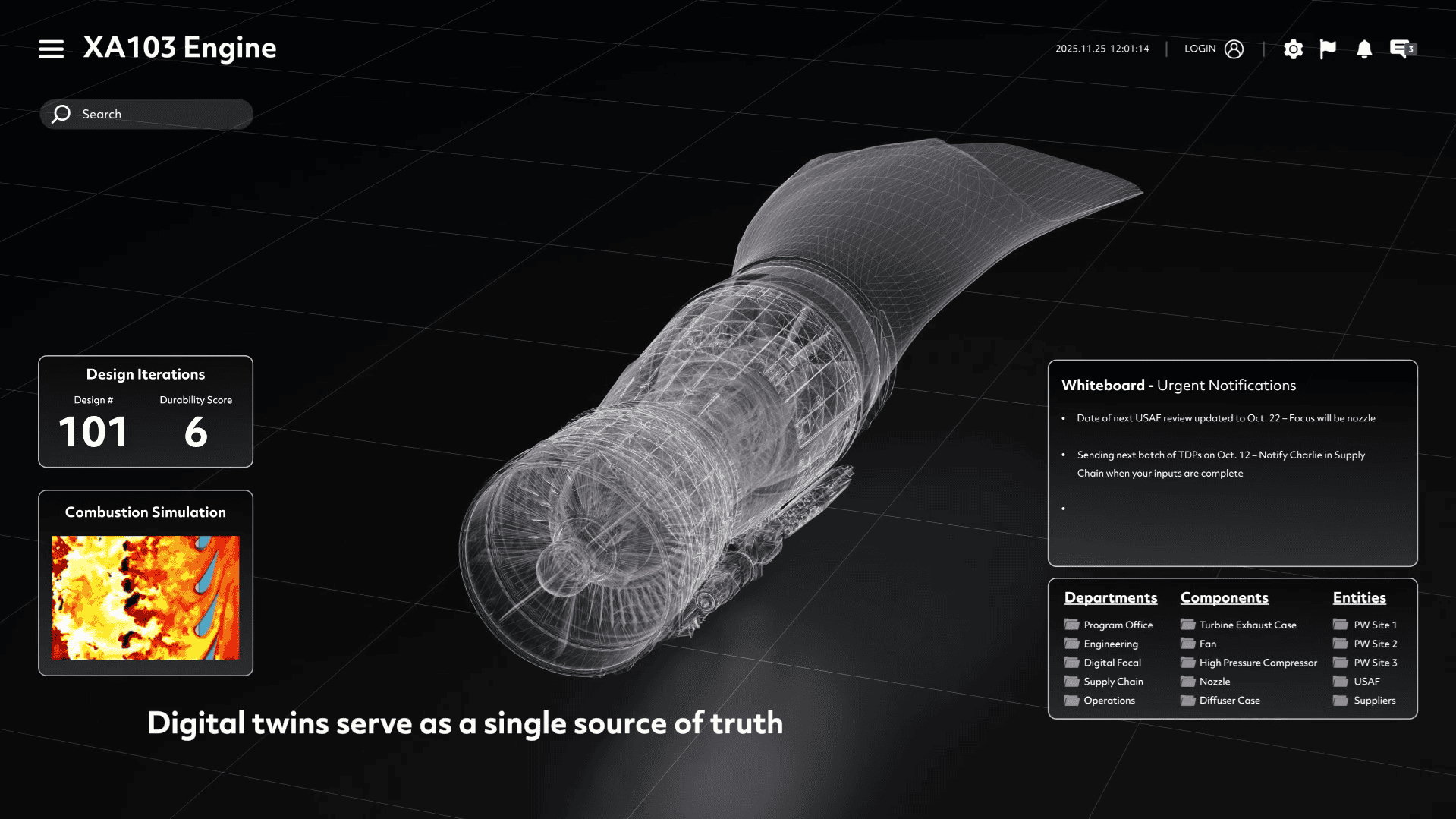
Pratt & Whitney states that the XA103 engine is being developed entirely in a digital environment using a single digital model that integrates the design, manufacturing, and testing phases. The company claims that this approach significantly accelerates development and reduces the number of errors.
The XA103 features an adaptive operating cycle that allows the degree of dual-circuit operation to be adjusted in flight based on current requirements.
This enables switching between modes for maximum thrust, enhanced fuel efficiency, and reduced thermal signature—depending on whether maximum power, fuel efficiency, or low observability is the priority.
Pratt & Whitney announced the completion of the Detailed Design Review phase for the XA103 in February 2025. The company has already invested approximately $30 million in developing its digital engineering infrastructure and has engaged more than 1,000 engineers and over 100 suppliers in the program. The next phase will be the Assembly Readiness Review, followed by the assembly and testing of the first prototype.
The XA102 is the successor to the XA100 demonstrator, developed as part of the previous Adaptive Engine Transition Program (AETP). During the AETP, General Electric Company (GE) refined the core technologies of the adaptive engine, and while the XA102 builds on this experience, it is being developed in accordance with the requirements of the NGAP program.
The XA102 uses an adaptive three-loop cycle. Unlike conventional two-loop turbojet engines, it features an additional third loop that allows the air distribution to be adjusted during flight.

Like its competitor — the XA103 from Pratt & Whitney — the XA102 is being developed using Model-Based Systems Engineering. This allows for the integration of design, manufacturing, and testing within a single digital environment, shortening development times and reducing technical risks.
In January 2025, GE Aerospace was awarded a contract for the further development of the XA102 as part of the NGAP program. The company announced the completion of critical design milestones and is continuing preparations for the manufacture and testing of the prototype.
Підтримати нас можна через:
Приват: 5169 3351 0164 7408 PayPal - [email protected] Стати нашим патроном за лінком ⬇
Subscribe to our newsletter
or on ours Telegram
Thank you!!
You are subscribed to our newsletter