

Popular
In Estonia, the commander of the Estonian Defense Forces stated that the country would lose its power plants once war breaks out.
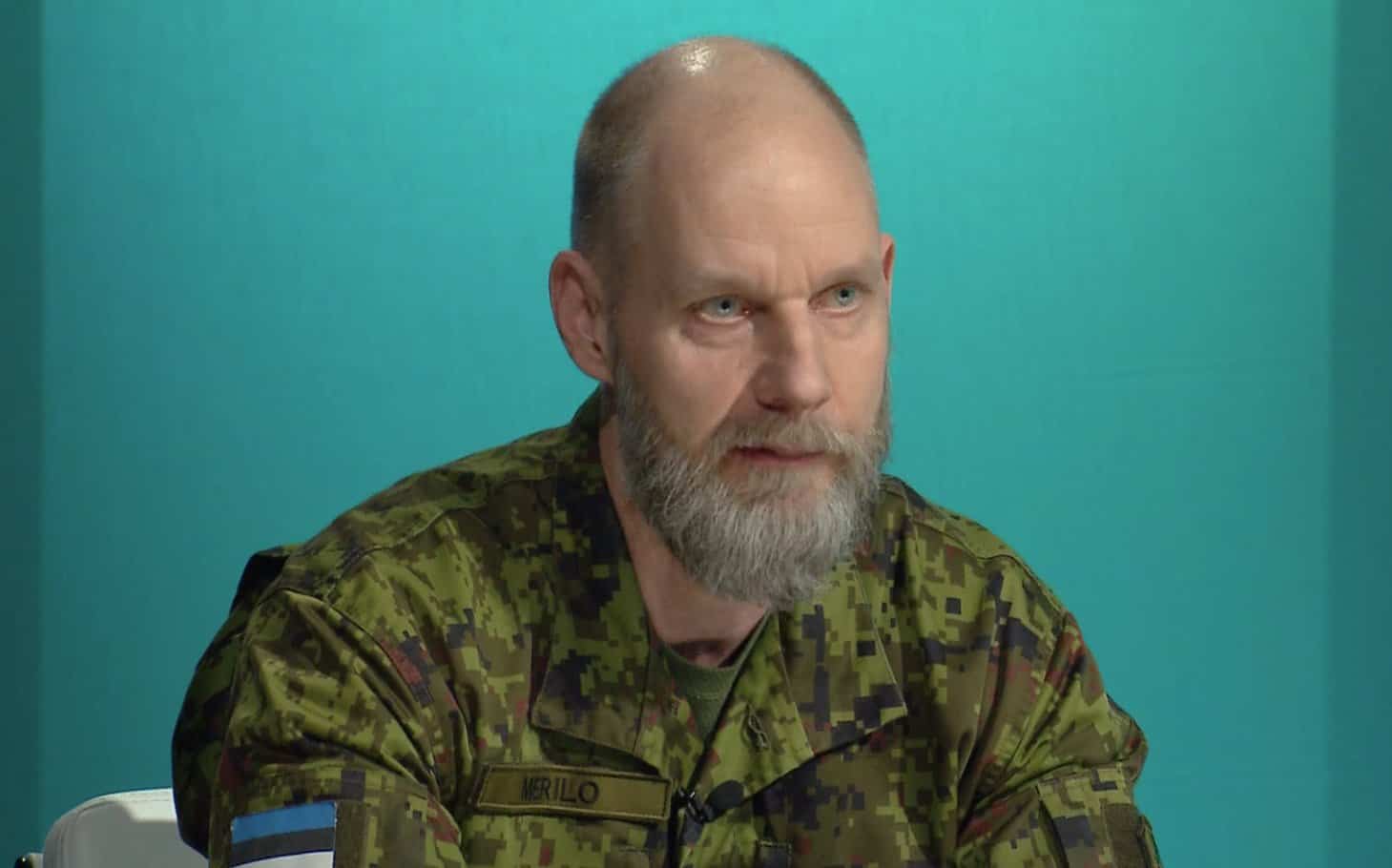
In an interview with ERR, Lieutenant General Andrus Merilo noted that there would not be enough resources to defend the power plants.
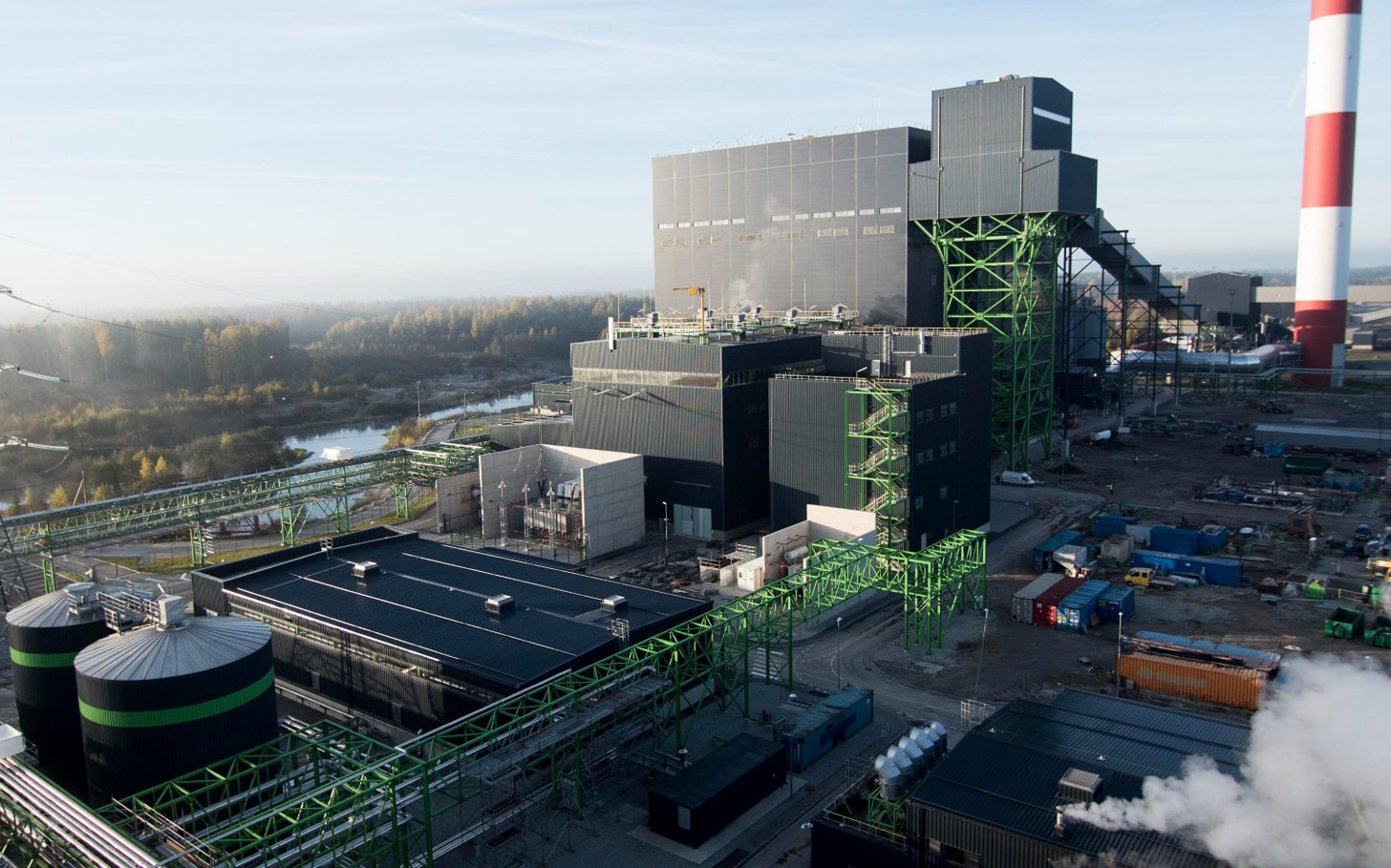
“The honest assessment is this: in the event of war, we will definitely lose the Auvere power plant, regardless of how many resources we invest in its defense,” he stated in an interview with ERR.
Two large Narva power plants are located near the Russian border in Estonia. In the mid-2010s, the Auvere power plant was also commissioned.
In 2007, the Narva power plants generated about 95% of Estonia’s electricity.
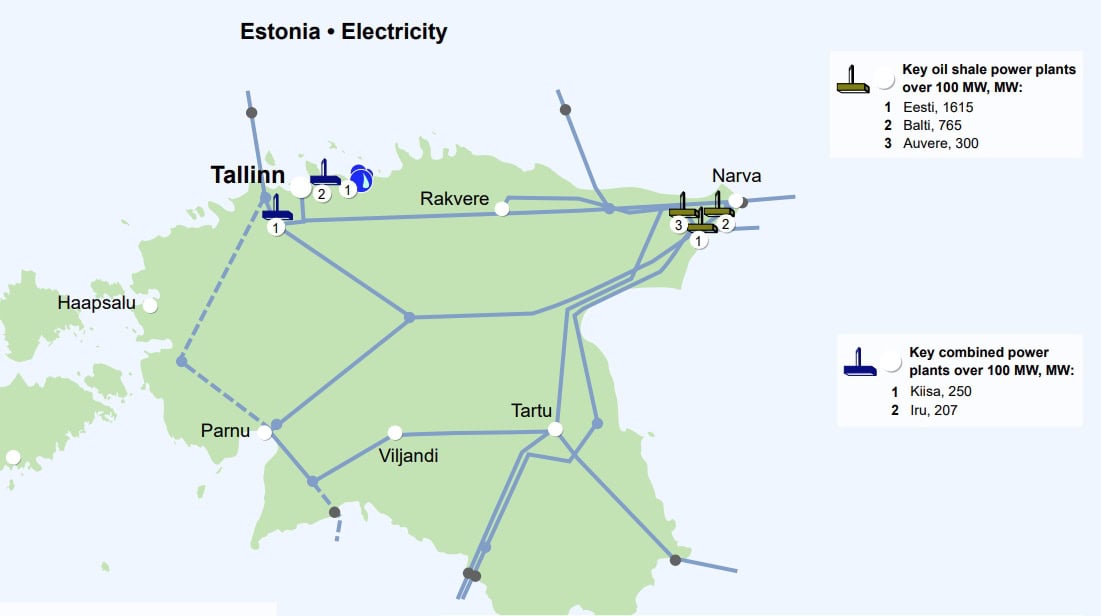
The proximity of the power plants to the state border is a risk in itself, but this risk can be mitigated by means other than military ones, Merilo noted.
“Concrete, sandbags, fences, and other elements we see in Ukraine. I maintain that carrying out such work is not the task of the Defense Forces and is not even a matter for their budget. This is basic protection of critical infrastructure in a situation where it is already too close to the threat,” the general said.
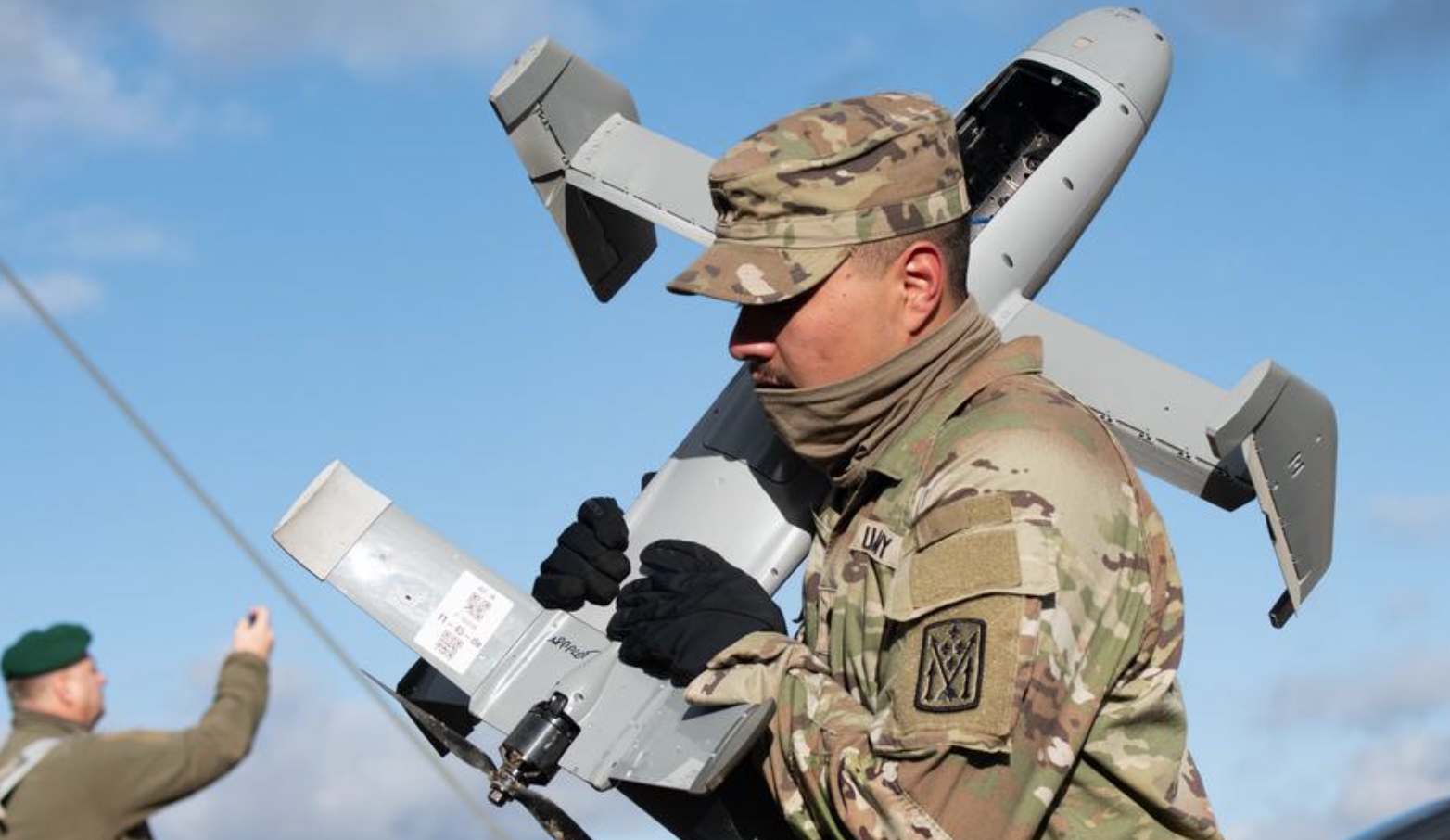
NATO fighter jets could respond to the drone threat if the drones were farther from the border. “Specifically for protecting the Auvere power plant, fighter jets would be useless,” he added.
Merilo called the dream of creating a “dome” that would constantly protect against any threat naive.
“Technologically, this is impossible even today. In the future, implementation will be so expensive that it will become impossible from a financial standpoint as well. By combining active and passive measures, we can improve the situation, but we must always bear in mind that if the threat comes from the air, it can reach its target or simply fall on its own,” he explained.
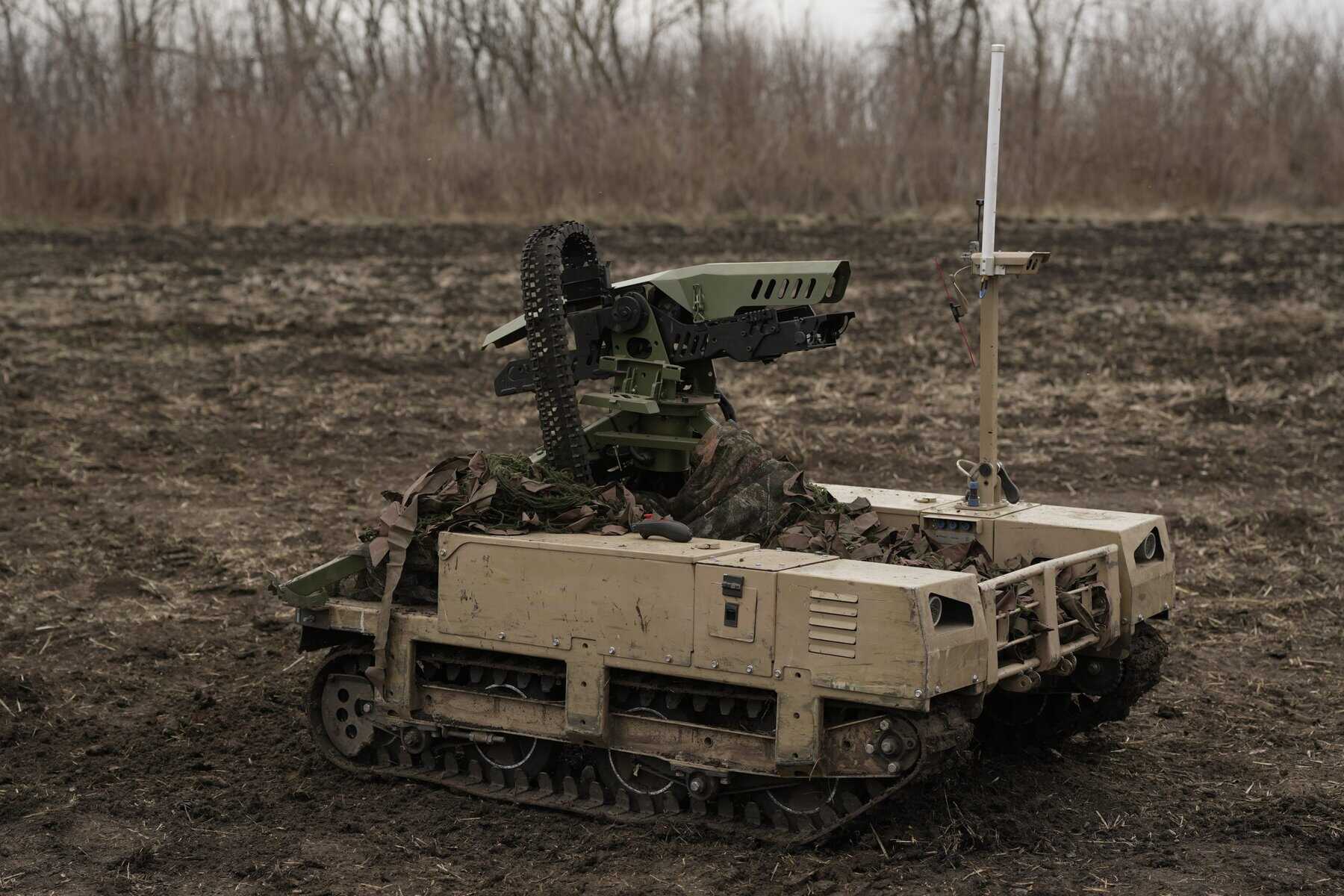
The modern anti-drone systems currently in use by the Estonian Defense Forces have not yet proven their effectiveness in real combat conditions.
“We have tested them, but there has been no actual combat use yet. All solutions that actually work are in such high demand that the lead time for obtaining them is much longer than we would like,” Merilo concluded.
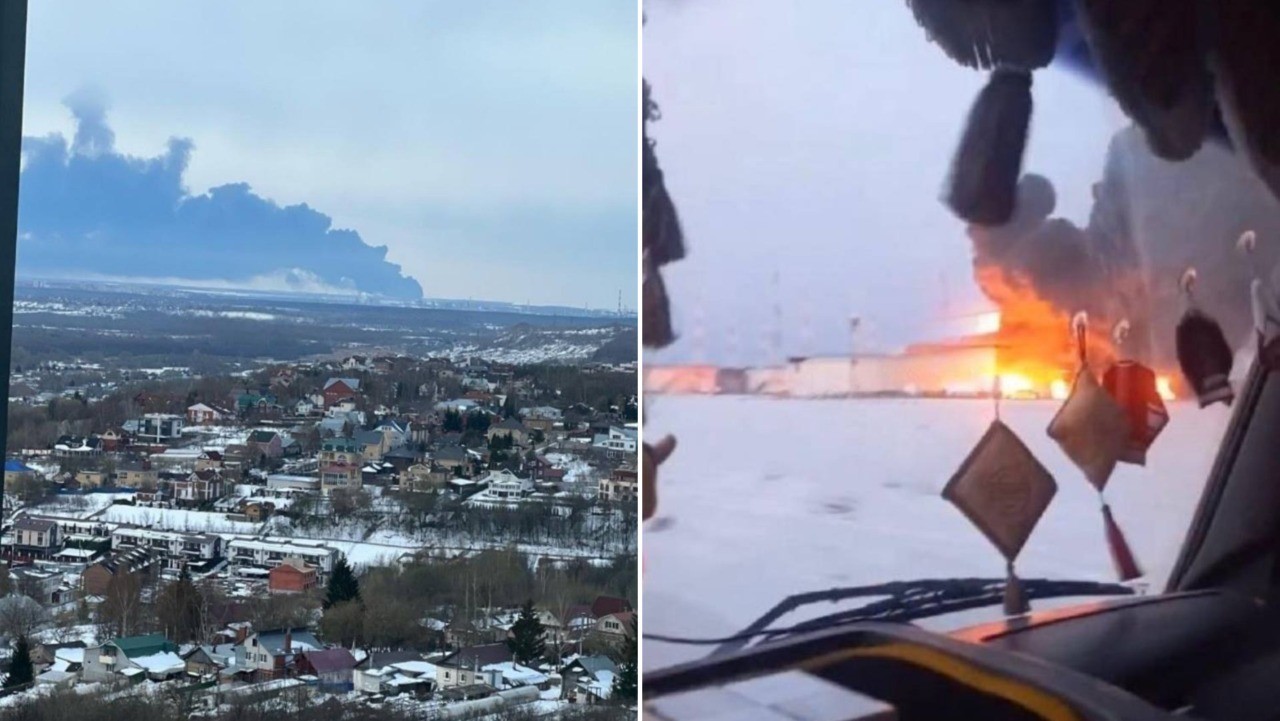
On March 25, an unknown drone crashed into a pipe at the Auvere power plant.
“What made that night unique was that the attack we observed was the largest operation in modern Estonia near the borders. There were likely at least 100 drones operating in three waves. This is a lesson we are also seeing in Ukraine: when air defense is overwhelmed, some drones reach their targets. The incident was massive,” Merilo said.
The drones that entered Estonian airspace carried out a diversionary maneuver.
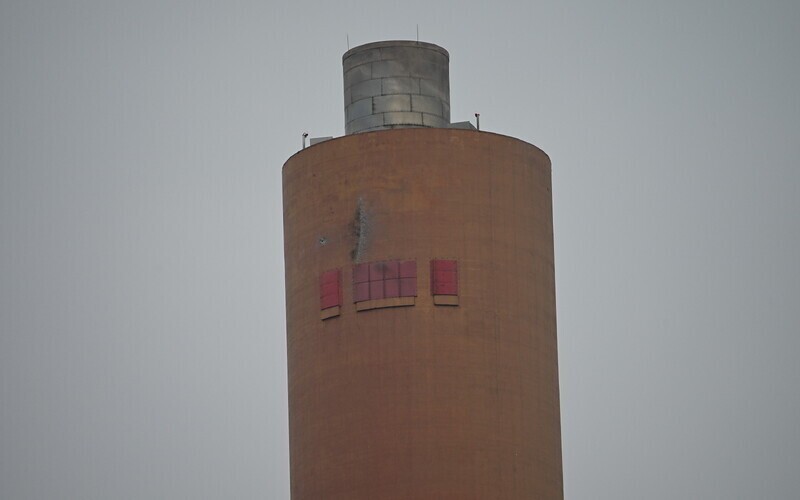
“It’s important to understand how close the Auvere power plant is to the state border—about two kilometers as the crow flies. There was no warning for a situation like this, and there’s no time to react,” the general explained.
He added that shooting down drones near the Russian border is dangerous, as it could serve as a pretext for aggressive actions by Russia.
“In peacetime, it is practically impossible to shoot down drones given the capabilities of the Defense Forces. Perhaps future technologies will allow us to do so from a shorter distance. We must understand that opening fire in the direction of Russia in peacetime could lead to an unintended escalation,” Merilo emphasized.
Russia is already posing other threats to Estonia. Recently, a journalist from the Baltic Sentinel infiltrated a secret Telegram group where supporters of radical ideas are discussing the creation of the “Narva People’s Republic”.
Підтримати нас можна через:
Приват: 5169 3351 0164 7408 PayPal - [email protected] Стати нашим патроном за лінком ⬇
Subscribe to our newsletter
or on ours Telegram
Thank you!!
You are subscribed to our newsletter