







Popular
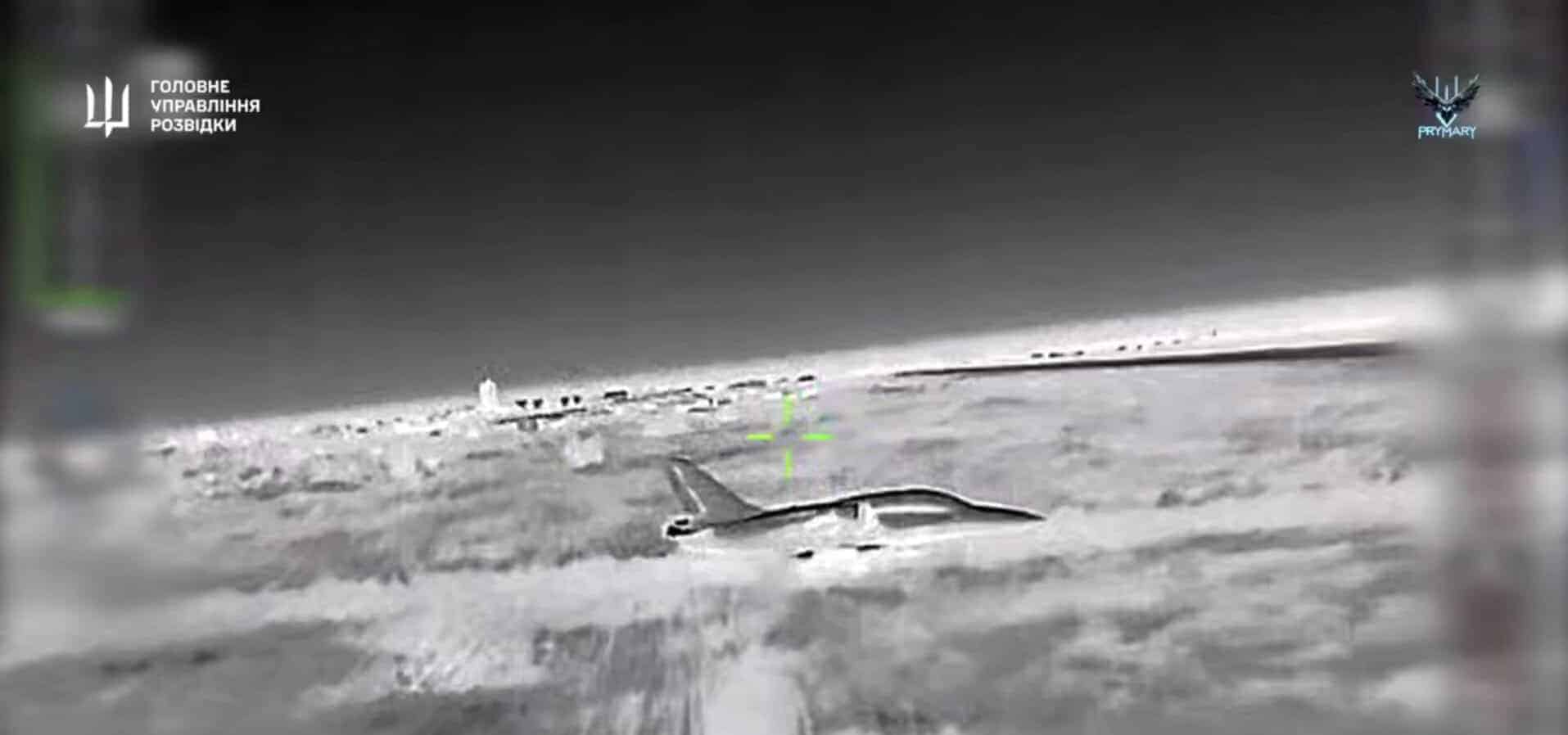
Operators of the Prymary special unit of the Defense Intelligence of Ukraine struck a number of enemy military targets, including in Crimea.
The Defense Intelligence of Ukraine published footage of the operation on its social media pages.
During the operation, the intelligence officers struck a railway bridge over the North Crimean Canal, which Russian occupation forces use to provide logistical support to their units.
In addition, the unit destroyed nine communications and surveillance facilities, including communications towers, electronic warfare (EW) and electronic intelligence (ELINT) systems, airborne radar stations, and MESH repeaters that provide secure wireless communications between Russian units.
The Prymary unit struck a Nebo-U radar designed to detect and track airborne targets. The system can detect fighter aircraft at ranges up to 400 km at altitudes of 20 km, as well as ballistic missiles at distances up to 300 km and altitudes up to 50 km.
The special forces also struck the command post of a mobile two-coordinate P-18 Terek radar. The station operates in the meter-wave band and can detect airborne targets at ranges of up to 360 km and altitudes of up to 27 km, and can provide target designation to surface-to-air missile systems.
Two 39N6E Kasta-2E radars were also hit. This low-altitude, decimeter-band radar can detect aircraft, helicopters, and cruise missiles flying as low as 100 meters, at ranges up to 42 km. At higher altitudes, its detection range extends to up to 150 km.

Among the adversary’s aviation losses was an L-39 Albatros jet trainer/light attack aircraft. The aircraft has a maximum takeoff weight of 4.7 tonnes, a maximum speed of 750 km/h, a practical flight range of up to 1,100 km, and a weapons payload of up to 250 kg carried on external hardpoints.
At sea, the personnel of the Defense Intelligence of Ukraine engaged a BK-10 high-speed assault craft. The 10.4-meter vessel has a maximum speed of up to 40 knots, a range of up to 400 nautical miles, and a troop-carrying capacity of up to nine personnel.
Another maritime target was a BK-16 high-speed transport-and-assault craft. 16.4 meters long and displacing 19.5 tonnes, the vessel can reach speeds of up to 45 knots, has a range of up to 400 nautical miles, and can transport 19 troops in addition to a two-person crew.

In addition, the personnel of the Defense Intelligence of Ukraine destroyed a Project 12150 Mongoose high-speed patrol craft. With a displacement of 27.2 tonnes and a length of 19.45 meters, the vessel can reach speeds of up to 50 knots and has an endurance of up to two days, with a maximum range of up to 410 nautical miles.
On September 28, unmanned aerial vehicles attacked railway infrastructure in several areas of Russia’s Bryansk and Kaluga regions.
Підтримати нас можна через:
Приват: 5169 3351 0164 7408 PayPal - [email protected] Стати нашим патроном за лінком ⬇
Subscribe to our newsletter
or on ours Telegram
Thank you!!
You are subscribed to our newsletter