








Popular

On January 8, 2026, in Beijing, two leading Chinese organizations—the China Arms Control and Disarmament Association (CACDA) and the China Institute of Nuclear Industry Strategy (CINIS)—released a joint report titled “Nuclear Ambitions of Japan’s Right-Wing Forces: A Serious Threat to World Peace.“
In the document, the PRC called on the international community to be vigilant about possible attempts by Japan to revise its non-nuclear status and warned of the danger of a ”resurgence of Japanese militarism.”
The authors of the report claim that Japanese right-wing forces are trying to revise the “three non-nuclear principles” — not to possess, produce, or import nuclear weapons.
Chinese analysts emphasized that Japan has the technical capabilities to quickly create nuclear weapons.
The report mentions a historical precedent — assessments by Japanese officials in the 1990s who claimed the ability to build a bomb “in 183 days.”
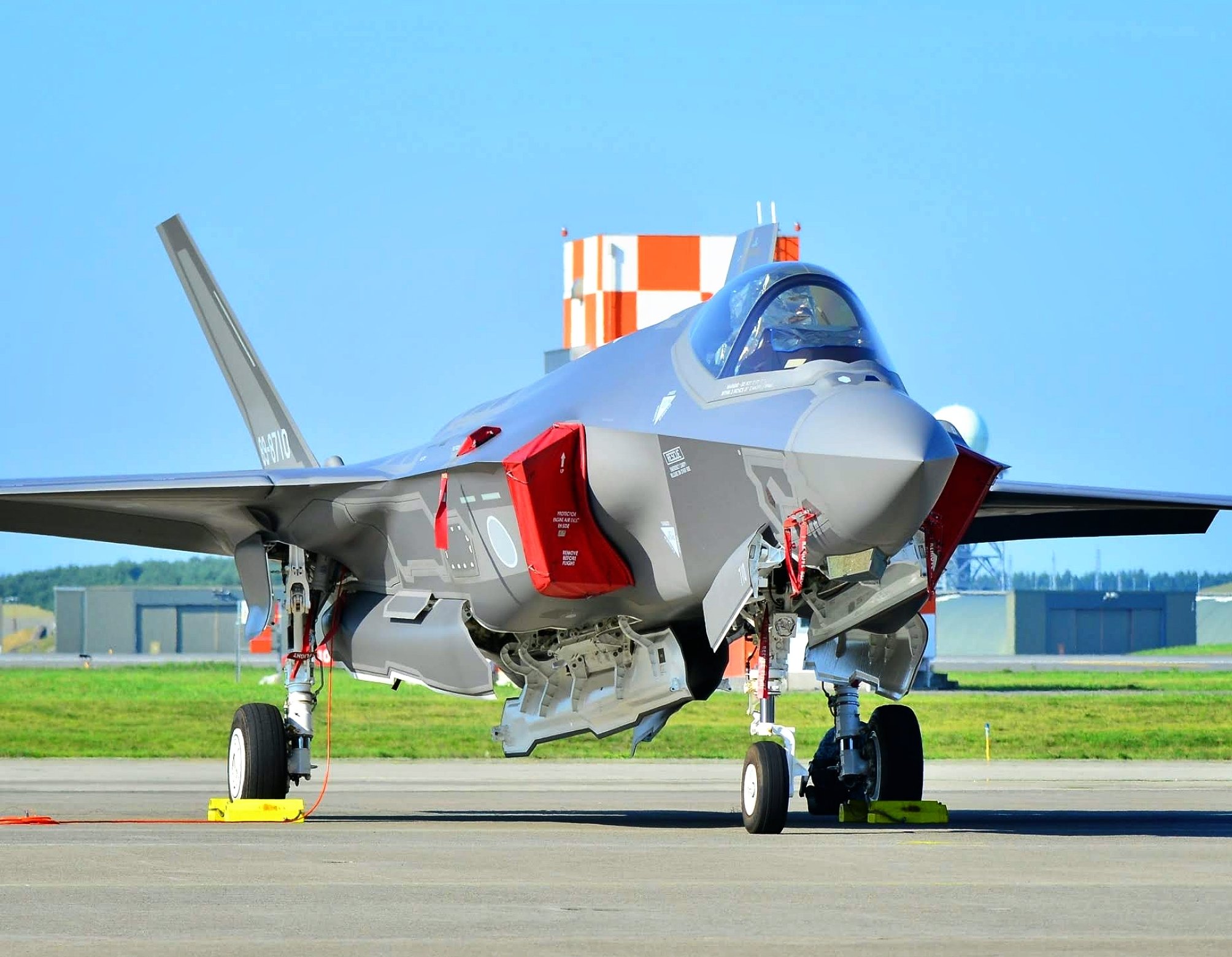
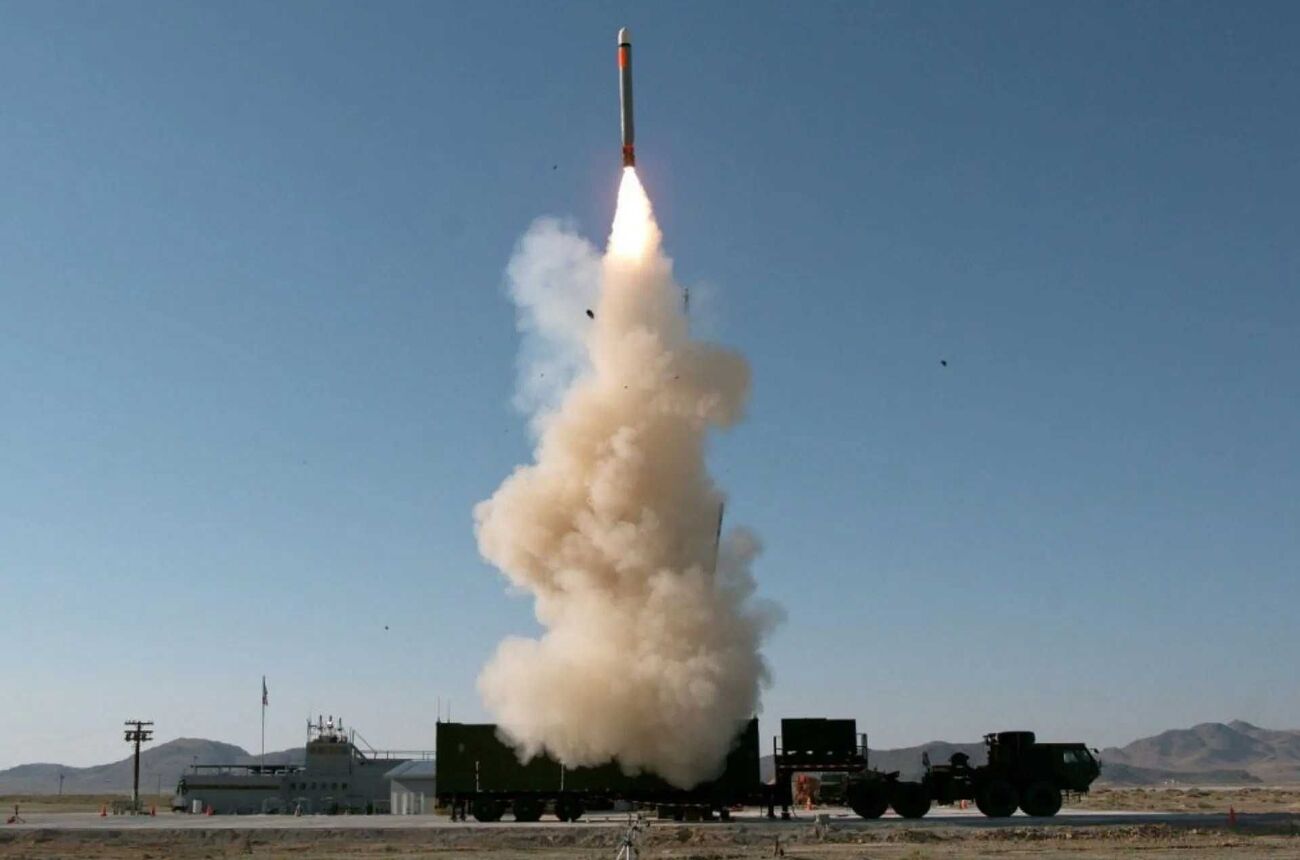
Among Beijing’s arguments are Japan’s accumulation of 44.4 tons of plutonium, which significantly exceeds the needs of the civilian energy sector, as well as the purchase of Tomahawk cruise missiles and F-35A fighter jets, which can carry nuclear warheads.
In the report, China also links the Japanese government’s actions to the “resurgence of militarism” on the eve of the 80th anniversary of the end of World War II. Beijing believes that the expansion of US-Japan cooperation in the field of “extended deterrence” provokes confrontation between major powers.
In the final part of the report, China made demands on the international community: to put pressure on Prime Minister Takaichi’s government to confirm its commitment to non-nuclear status, to call on the US to abandon the nuclear umbrella over Japan, and to demand that the IAEA conduct special inspections of Japanese nuclear facilities.
The Chinese Foreign Ministry said that Tokyo’s actions pose “a serious threat to the international nuclear non-proliferation regime.”
Foreign Ministry spokeswoman Mao Ning directly accused Takaichi of seeking to revise the three non-nuclear principles and discussing the possibility of introducing nuclear submarines.
In response, Japanese Foreign Minister Toshimitsu Motegi rejected all accusations.
Japan reiterated that the three non-nuclear principles remain in force, although the government is reviewing its defense strategy amid China’s growing military power and the risk of conflict over Taiwan. In 2022, the country launched a five-year program to increase defense spending to 2% of GDP, and Takaichi accelerated this plan to 2025.
Підтримати нас можна через:
Приват: 5169 3351 0164 7408 PayPal - [email protected] Стати нашим патроном за лінком ⬇
Subscribe to our newsletter
or on ours Telegram
Thank you!!
You are subscribed to our newsletter