





Popular

The United Kingdom plans to invest 90 million pounds in the creation of a network of autonomous maritime systems, underwater sensors, and artificial intelligence technologies to detect Russian submarines and protect critical infrastructure in the North Atlantic.
This was reported by the UK Ministry of Defense.
The investment is part of the development of the Atlantic Net system — the first operational component of the larger Atlantic Bastion program, aimed at strengthening anti-submarine defense and protecting undersea communications.
The new system will be built around a network of autonomous surface and underwater platforms equipped with advanced sensors and surveillance capabilities.
They will be able to patrol designated areas of the North Atlantic, detect submarines, and monitor suspicious activity near communication cables and energy infrastructure.
Data from various platforms will be integrated into a single surveillance system, where artificial intelligence will be used to analyze it. This will enable the Royal Navy to detect potential threats earlier and provide anti-submarine ships and Astute-class multipurpose nuclear submarines with information on the underwater situation.
“Imagine a network of modern sensors, hydroacoustic systems, and autonomous platforms stretching across the area between Greenland, Iceland, and the United Kingdom,” — said Luke Pollard, the UK Minister of State for Defence Readiness and Industry.
Atlantic Net is scheduled to become operational in 2027.
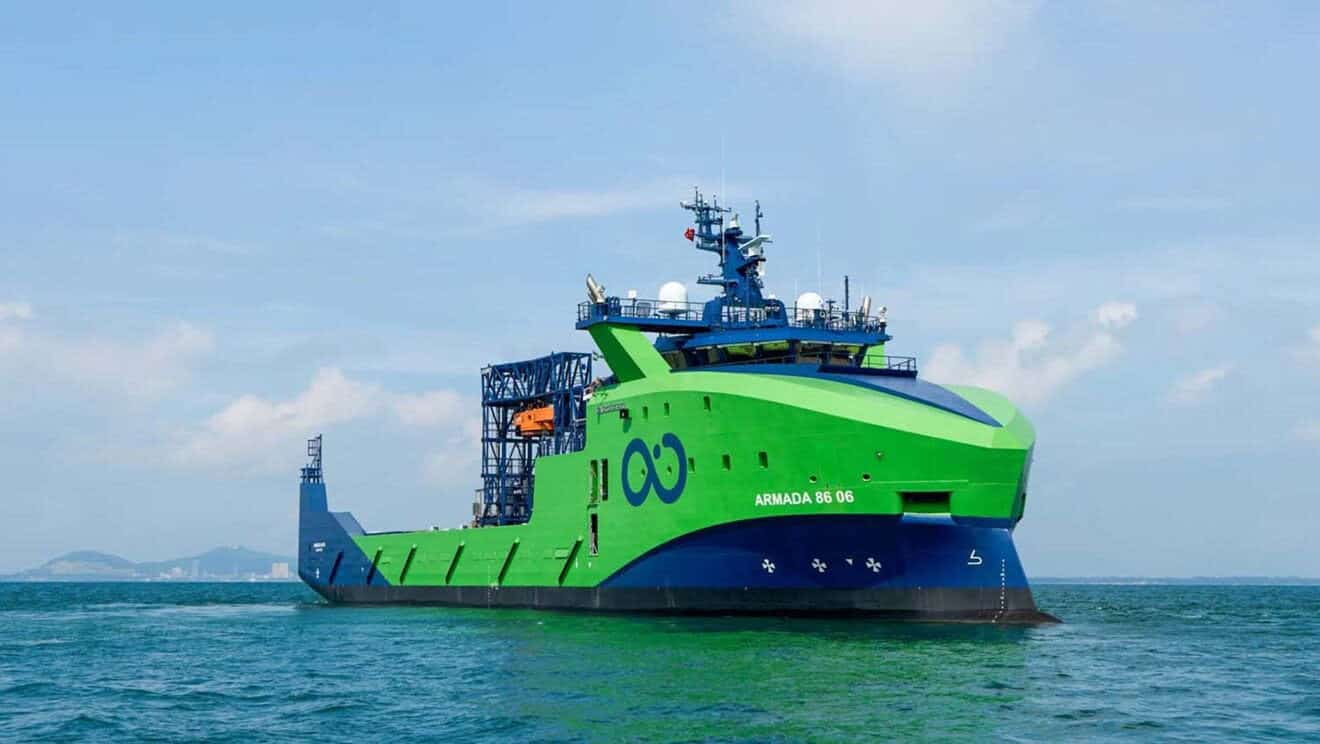
To implement the project, the Royal Navy has selected the British company Ocean Infinity Solutions as its commercial partner. The company, in collaboration with specialized partners, will ensure the integration of autonomous platforms, sensors, and data processing systems.
The Royal Navy has been testing a similar approach since last year. Specifically, in December 2025, Militarnyi reported on the use of Helsing’s SG-1 Fathom autonomous underwater gliders to monitor Russian submarines in the North Atlantic.
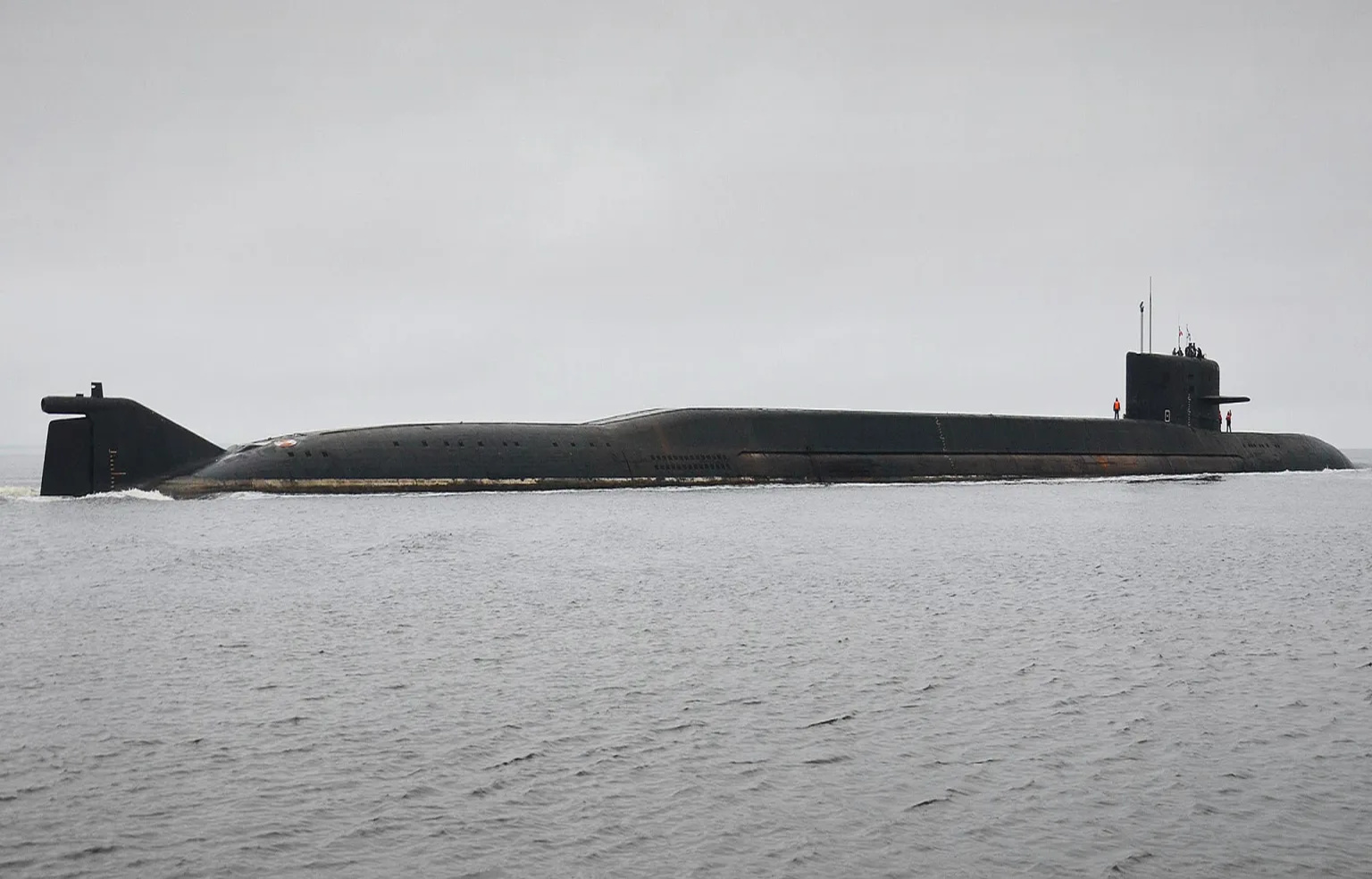
The development of Atlantic Net is taking place against the backdrop of NATO countries’ concerns over the activity of Russian submarine forces near critical maritime infrastructure.
In September 2026, the United Kingdom, Norway, and the United States disrupted Russian exercises near Svalbard. Russian submarines and deep-sea vehicles were testing technologies for damaging undersea cables.
Підтримати нас можна через:
Приват: 5169 3351 0164 7408 PayPal - [email protected] Стати нашим патроном за лінком ⬇
Subscribe to our newsletter
or on ours Telegram
Thank you!!
You are subscribed to our newsletter