





Popular

The upgraded FP-1 strike drone struck the Omsk Oil Refinery, located 2,500 km from the border with Ukraine.
The upgrade of the domestically produced drone enabled the strike.
Visually, the drone features a new trapezoidal wing, with a straight-leading edge and the trailing edge tapers toward the wingtip.
At cruising speed, this wing shape provides less drag and distributes lift more evenly across the entire surface. It also has a positive effect on fuel consumption and, consequently, flight range.

Earlier, Fire Point co-owner and chief designer Denis Shtilerman announced the start of operations using drones with the new wing, which will also serve as a fuel tank.
This will increase the usable volume inside the drone. This space can be used both as an additional fuel tank and to increase the payload capacity.

For long-range FP-1 drones, this allows them to fly farther while carrying a larger payload. According to Stilerman, the range can reach 3,400 km, while the middle-range FP-2 can carry a larger payload over the same distances.
The FP-1 strike drones were first publicly unveiled in May 2025 with the claim that they could reach a range of 1,600 km.
However, it is known that these drones have been used to strike targets on Russian territory since at least 2024. In April 2024, debris from a downed aircraft was shown in the temporarily occupied Luhansk region.
Prior to their official demonstration, they were used in strikes on the Marinovka airbase in August 2024, which destroyed at least one Su-34 fighter-bomber and damaged several others.
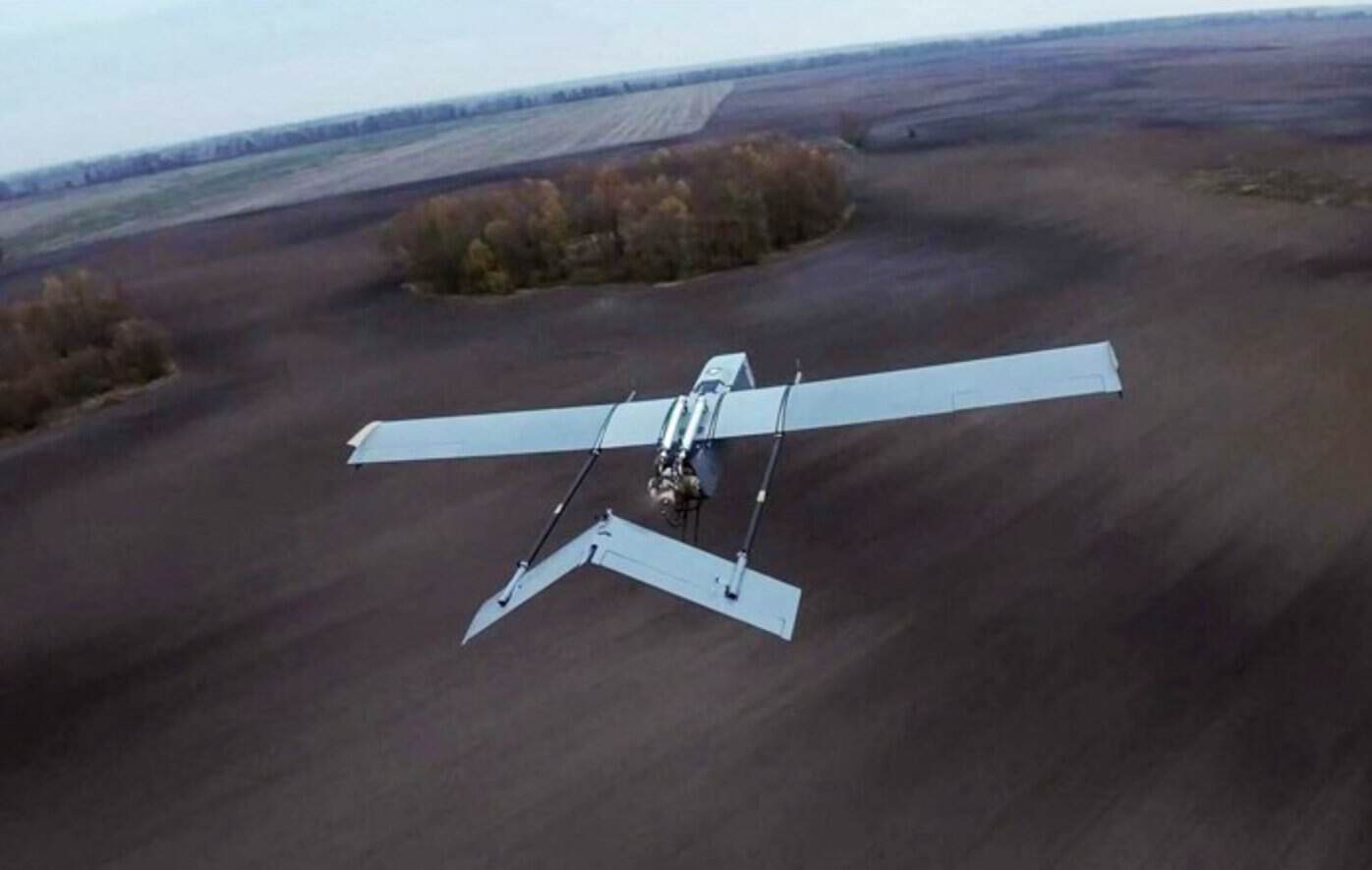
Since then, the drone has been continuously refined and modernized. It has various payload options, and the manufacturer sources key components locally.
It has also been upgraded to the FP-2 middle strike version, which has a larger payload capacity of up to 200 kg.
Підтримати нас можна через:
Приват: 5169 3351 0164 7408 PayPal - [email protected] Стати нашим патроном за лінком ⬇
Subscribe to our newsletter
or on ours Telegram
Thank you!!
You are subscribed to our newsletter