




Popular
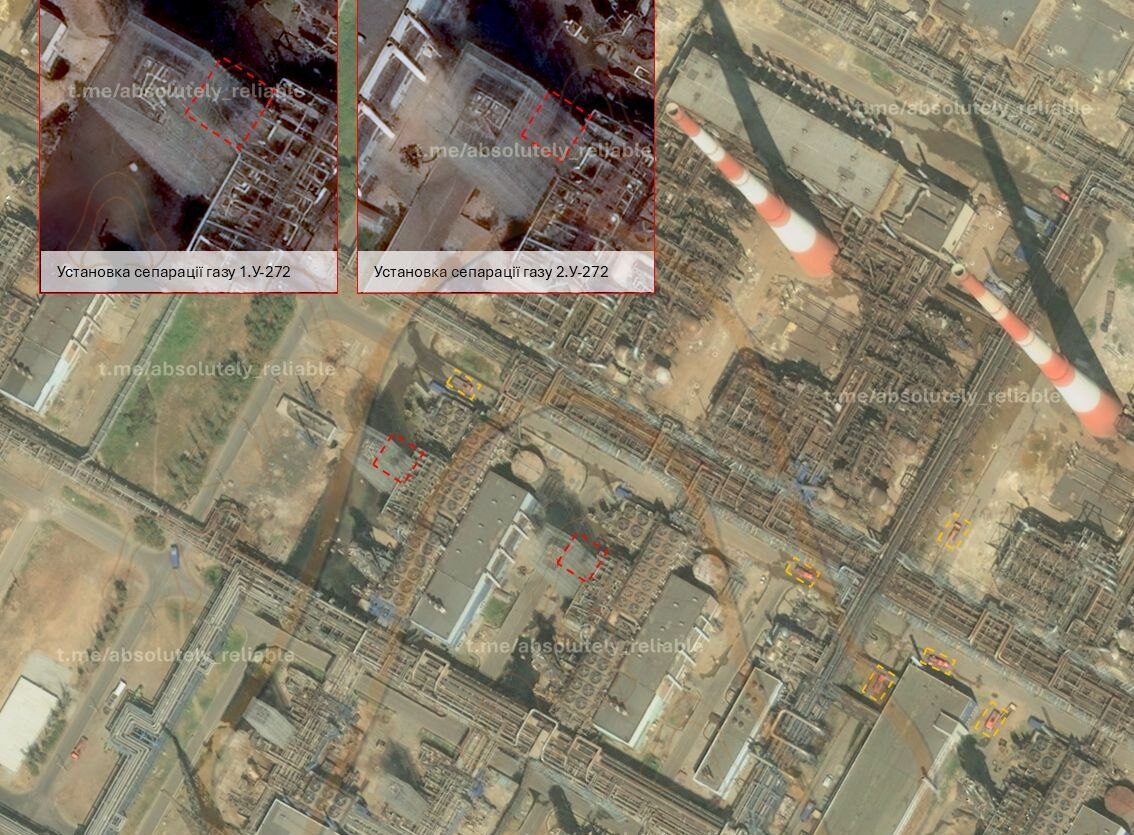
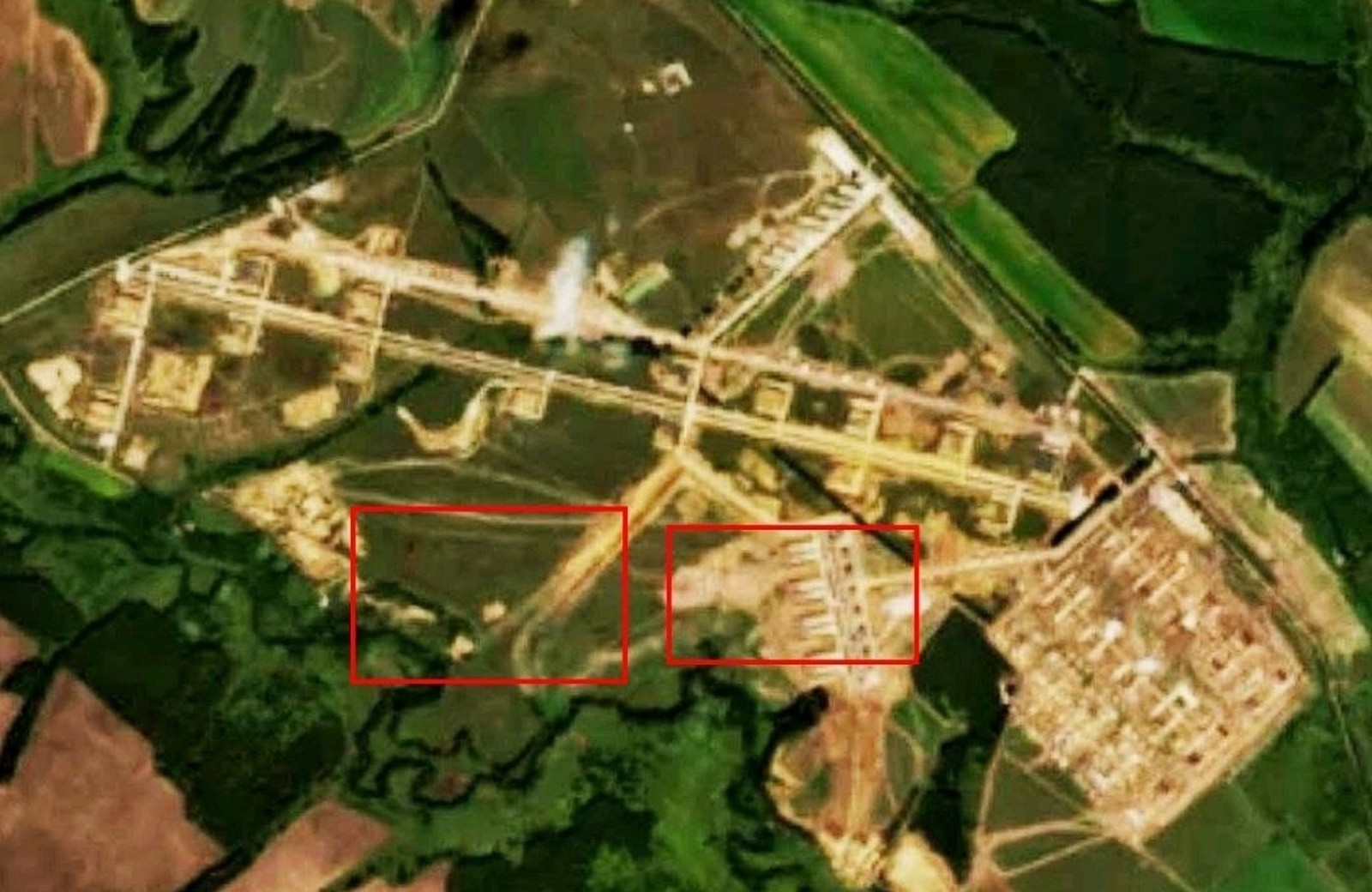
Satellite imagery shows that Ukraine’s Defense Forces struck Astrakhan Gas Processing Plant on August 24, 2026, approximately 800 kilometers from the front line.
The ‘Absolutely Reliable Source’ Telegram channel published the satellite images.
According to the channel’s analysts, the strike hit gas separation units 1.U-272 and 2.U-272. The extent of the damage is not yet known. The images show burn marks on protective structures, with several fire trucks visible nearby.
Astrakhan Gas Processing Plant is located near the settlement of Aksarayskoye in Russia’s Astrakhan region and is part of Gazprom’s processing division.

Astrakhan Gas Processing Plant produces commercial natural gas, sulfur, stabilized gas condensate, gasoline, diesel fuel, fuel oil, liquefied petroleum gases, and a broad fraction of light hydrocarbons.
Its sulfur production is particularly important for Russia. Under normal operating conditions, the plant produces around 3.5–3.8 million tonnes of sulfur annually, accounting for roughly 60–63% of Russia’s total sulfur output.
The plant’s contribution to Russia’s motor fuel production is much smaller. In 2023, it accounted for about 1.6% of the country’s gasoline production, 0.6% of diesel fuel, and 0.7% of fuel oil.
The field is notable for the extremely complex composition of its gas. The reservoir mixture contains approximately 25% toxic hydrogen sulfide and 15% carbon dioxide.
Without deep purification, this gas cannot be processed further or transported through main gas pipelines. Together, units 1.U-272 and 2.U-272 can process up to 3 billion cubic meters of gas to remove hydrogen sulfide and carbon dioxide, accounting for about a quarter of the plant’s total designed capacity.
Astrakhan Gas Processing Plant has been targeted in strikes several times before. The first known attack took place on February 3, 2025, causing a fire and a prolonged shutdown of fuel production. A second attack followed on March 17, 2025. The plant was struck again on September 22, 2025, after which condensate processing was suspended once more. On December 15, 2025, a major fire broke out at the facility.
So far in 2026, the plant has been attacked once, on May 13. The attack halted motor fuel production, while industry sources reported damage to equipment used to process stabilized condensate and hydrogen sulfide and to produce sulfur.
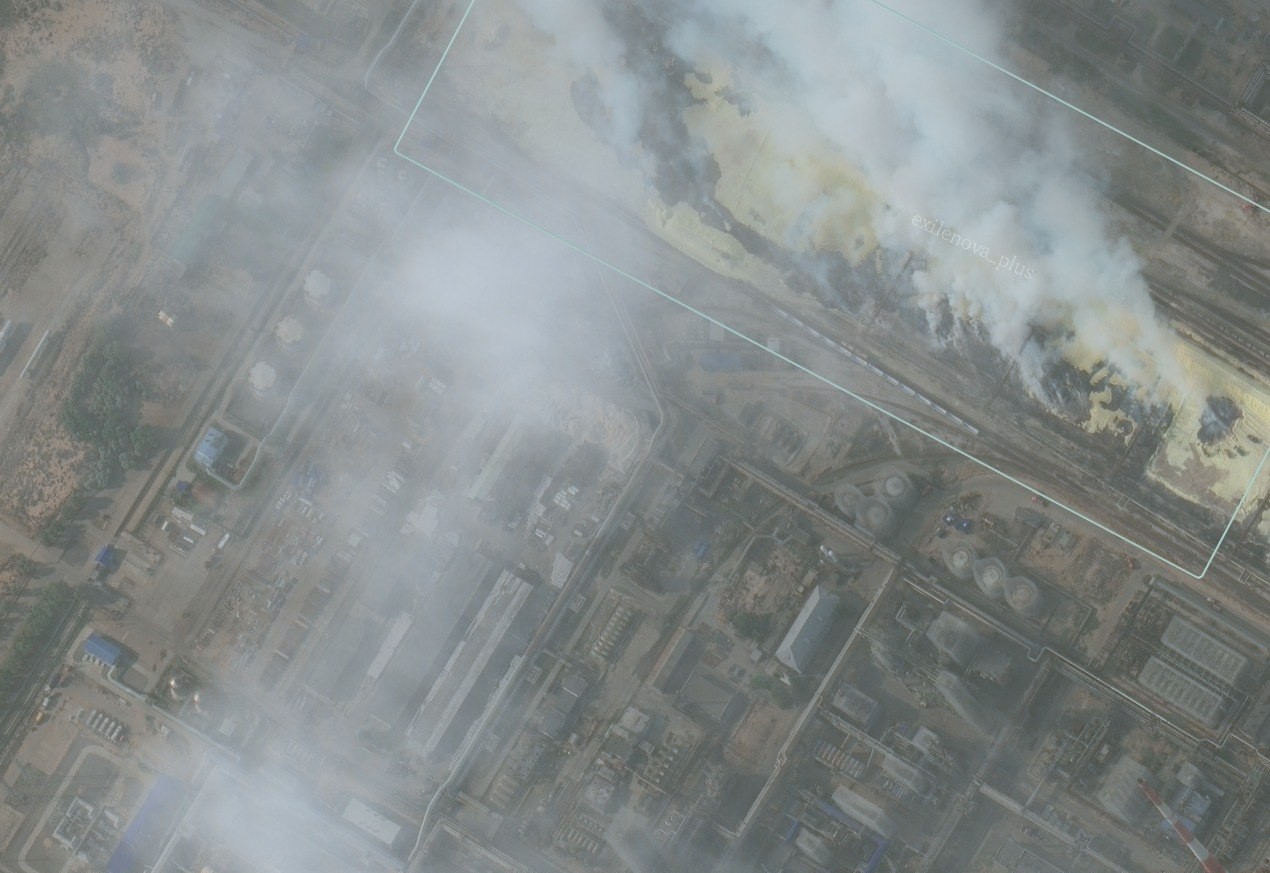
Following the attacks in 2025, Russia’s production of industrial sulfur fell to 4.38 million tonnes, down 21.7% from approximately 5.6 million tonnes in 2024.
The decline continued in 2026. From January through May, Russia produced 1.75 million tonnes of industrial sulfur, 19% less than during the same period in 2025.
The attacks have had a major impact on Russia’s sulfur trade. The country went from being the world’s third-largest sulfur exporter, an important raw material for the chemical industry, to becoming a net importer.
With domestic production falling, the Russian government extended its ban on sulfur exports through December 31, 2026.
Підтримати нас можна через:
Приват: 5169 3351 0164 7408 PayPal - [email protected] Стати нашим патроном за лінком ⬇
Subscribe to our newsletter
or on ours Telegram
Thank you!!
You are subscribed to our newsletter